🦜Birds: buying guides and gear
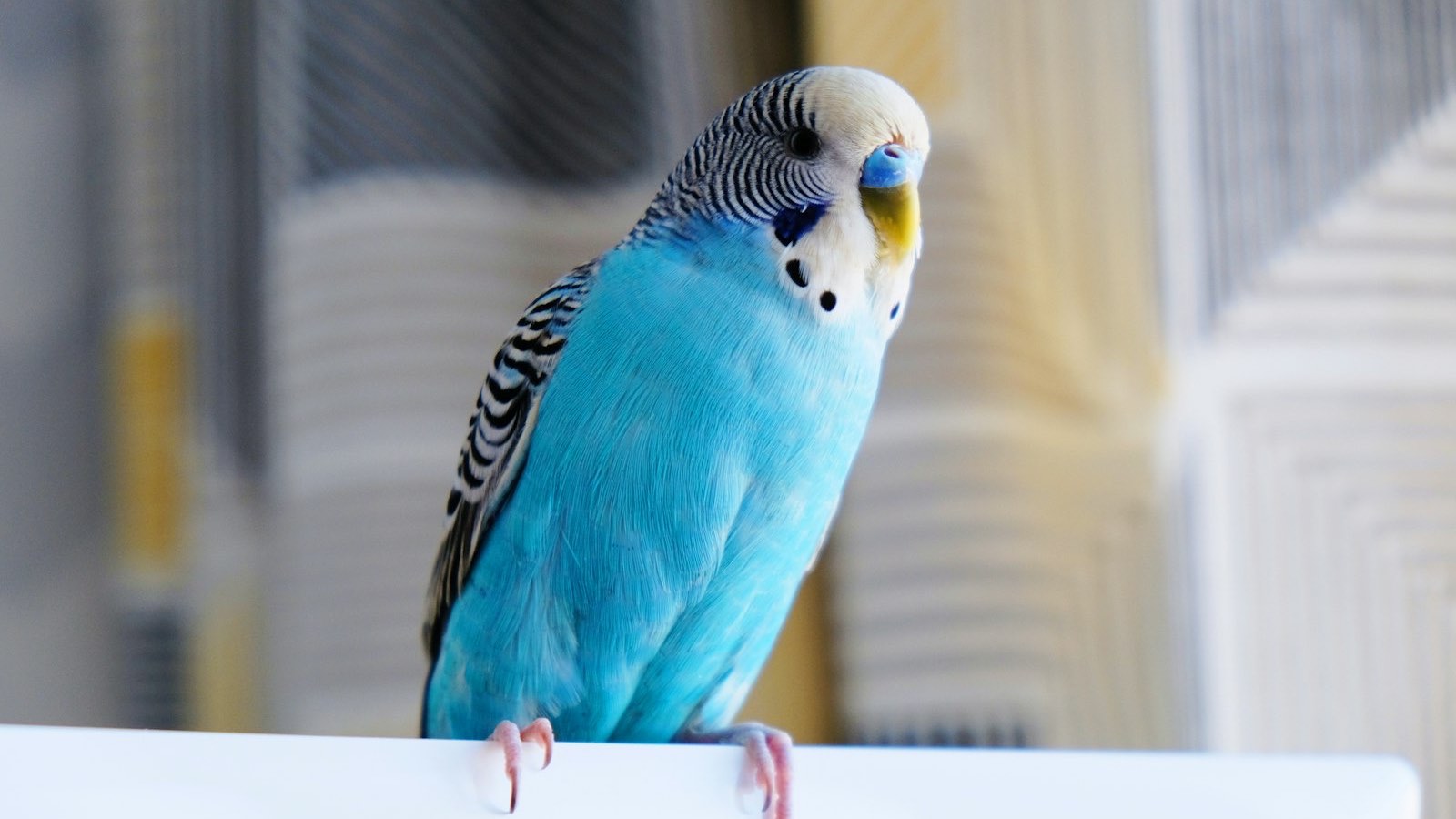
A bird is built to fly: choose a cage that is wide rather than tall, natural-wood perches of varied diameters, and treat toys as consumables — especially for parrots, whose intelligence demands daily occupation. Our guides cover budgies, canaries, lovebirds and the big hookbills.
💶 Typical budget: €15–60 per month depending on the species.
🛡️ Health budget: our guide to small pet insurance in france: prices, refunds, how to choose.
Product families
-
🍖
Food
41 dedicated guides
-
🧴
Care & grooming
40 dedicated guides
-
🎾
Toys & enrichment
37 dedicated guides
-
🏠
Bedding & habitat
36 dedicated guides
-
🧳
Travel & safety
28 dedicated guides
-
🧰
Accessories
28 dedicated guides
By breed or species (14)
- Budgerigar
- Cockatiel
- Lovebird
- Canary
- Zebra finch
- Ring-necked parakeet
- Sun conure
- African grey parrot
- Amazon parrot
- Macaw
- Cockatoo
- Senegal parrot
- Kakariki
- Gouldian finch
All our guides
- Scaly leg mite in budgies: recognizing and treating knemidokoptic mangeCare & grooming
Knemidokoptic mange in budgies: the tell-tale crusty patches on legs and beak, the vet treatment, and how to prevent it.
- Nonstick pans and Teflon fumes: a deadly danger for pet birdsTravel & safety
Why fumes from overheated nonstick cookware are lethal to cage birds, and how to keep your kitchen safe without giving up nonstick pans entirely.
- Clicker training for birds: the basics of positive reinforcementToys & enrichment
How to start clicker training with your bird: the gear you need, the principles of positive reinforcement, and simple first exercises.
- Colored LED lighting in the cage: real enrichment or just a gadget?Accessories
Colored LED lighting in a budgie's cage: what the research shows about its effect on behavior, and how to use it without disrupting sleep.
- Lovebird or budgie for beginners: which bird needs the most company?Accessories
Lovebird or budgerigar: which one copes better with being alone, and which one absolutely needs a same-species partner? The practical comparison for choosing your first bird.
- Nest box for budgies: should you really add one to the cage?Bedding & habitat
A wooden nest box looks harmless, but it can trigger a full breeding cycle in budgies that have no chicks to raise. What to know before adding one.
- Outdoor garden aviary: real budget and health-safety measuresBedding & habitat
How much does an outdoor aviary cost, and how do you secure it against predators, weather and health risks linked to wild birds? The budget guide before you commit.
- Too many sunflower seeds: the mix mistake that threatens your bird's healthFood
A seed mix too heavy in sunflower seeds drives obesity, fatty liver and atherosclerosis in cage birds. How to fix the ratio without frustrating your bird.
- Bird and cat (or dog) under one roof: the safety rules you can't skipTravel & safety
A seemingly harmless cat bite can kill a bird within hours. The cohabitation rules to follow without exception between a bird, a cat and a dog.
- Misting your bird: when and how to do it rightCare & grooming
Choosing and using a bird mister: ideal humidity, frequency, spraying technique, and the benefits for skin and plumage.
- Essential accessories for a large parrot (grey, amazon)Accessories
Perches, foraging toys, bowls, and a bath: the accessories that are genuinely useful for a large parrot such as an African grey or an amazon.
- Cockatiel diet: seeds, pellets, and fruitFood
Feeding a cockatiel well: the limits of an all-seed diet, the value of pellets, the share of vegetables and fruit, and preventing obesity in this bird.
- Feeding an Amazon parrot: moving past an all-seed dietFood
What does an Amazon parrot eat? Why an all-seed mix leads to obesity, the place of pellets, vegetables and fruit, and the forbidden foods.
- Budgie cage size: the minimum dimensionsBedding & habitat
What size cage does a budgie need? Minimum dimensions, why width matters, bar spacing, and why height counts for less.
- How much space does a macaw need: aviary or large cage?Bedding & habitat
How much space does a macaw need? Why a standard cage is never enough, minimum aviary dimensions, and the long-term budget to plan for.
- Feather plucking in cockatoos: understanding and preventing itCare & grooming
Why does a cockatoo pluck its own feathers? Main causes of feather plucking, early warning signs, and enrichment solutions that actually work.
- Sun conure: keeping a loud, hyperactive bird busyToys & enrichment
Why is the sun conure so loud? Understanding its need for intense activity and the setups that reduce excessive screaming.
- Feeding a Senegal parrot: avoiding fatty liverFood
Is the Senegal parrot prone to obesity? Why this small parrot copes poorly with excess fat, and how to balance its diet.
- Gouldian finch aviary: the essential equipmentAccessories
How do you equip an aviary for Gouldian finches? Perches, heating, nest boxes, and feeding for this colourful finch that needs steady warmth.
- Toxic Foods for Cockatiels: Avocado, Chocolate and Everyday TrapsFood
Which foods are toxic to a cockatiel? Avocado, chocolate, salt, seeds: the list of household dangers and the right prevention habits.
- A Single Lovebird or a Pair? The Risk of LonelinessBedding & habitat
Should you adopt a lovebird alone or in a pair? What loneliness causes, when a companion is essential, and how to manage a single bird.
- Macaw Diet: Managing Fat and Avoiding ObesityFood
How do you feed a macaw without making it obese? The share of fatty nuts, a pellet base, the risk of hepatic lipidosis, and portion benchmarks.
- Foraging Toys for an African Grey: Keeping a Clever Parrot BusyToys & enrichment
How do you keep an African grey busy? Foraging toys, puzzle feeders and food search to stimulate this highly intelligent parrot and prevent feather plucking.
- Setting Up an Amazon Parrot's Cage: Perches, Space and AccessoriesBedding & habitat
What accessories and setup for an Amazon parrot? Cage size, natural perches, bathing and a rest area for the comfort of this sturdy, active parrot.
- Kakariki: A Digging Tray and Accessories for This Ground-Scratching ParakeetAccessories
The kakariki scratches the ground like a hen. What substrate, digging tray and accessories satisfy this instinct without risking its health?
- Ring-Necked Parakeet: What Space and Aviary Do You Need?Bedding & habitat
Large, lively and loud, the ring-necked parakeet needs a generous cage or aviary. Minimum dimensions, security and alternatives to a flat.
- Scented Candles, Essential Oils and Diffusers: Dangers for BirdsTravel & safety
Candles, essential oil diffusers, air fresheners: why these common home scents are especially dangerous for birds.
- Canary: Song, Moult and Warning SignsCare & grooming
Why does a canary stop singing? Song cycle, moulting period and the signs that should raise concern in this bird prized for its voice.
- What a Budgerigar Eats: The Ideal RationFood
What should you feed a budgerigar? The share of seeds and pellets, leafy greens, calcium and the mistakes to avoid for a healthy budgie.
- Toxic and forbidden foods for canaries and small birdsFood
Avocado, chocolate, salt, fruit pits: some common foods are dangerous or even deadly for a canary. The list of banned items and the basics of a safe diet.
- Heatstroke in birds: recognising the signs and reactingCare & grooming
Cage birds don't sweat and overheat quickly in summer. Panting, held-out wings: the signs of heatstroke and the moves that save a bird.
- Budgie starter kit: the full budget to get off to a good startAccessories
Cage, perches, bowls, toys, food: the complete budgie starter kit broken down item by item, with a realistic budget of 180 to 400 €.
- Switching from seeds to pellets: the gentle method that worksFood
Why and how to switch a budgie, cockatiel or parrot from seeds to pellets: a gradual 4-to-8-week transition, with brands and prices.
- Egg food for birds: when to feed it and which one to choose?Food
Breeding, moulting, winter: when to give egg food to a canary or budgie, which recipe to choose in 2026 and at what price (4 to 12 €).
- Cuttlebone and mineral blocks: which one does your bird need?Food
Calcium, iodine, beak wear: what cuttlebone and mineral blocks are for, how to attach them in the cage and which to favour for each species.
- Fruits and vegetables safe for birds: the complete listFood
Which fruits and vegetables can a budgie, cockatiel or parrot eat safely? The list of safe foods, the toxic ones and the right amounts.
- Play gyms and perch stands: setting up the out-of-cage spaceToys & enrichment
Perch stand, tabletop play gym, hanging playground: how to set up a safe, stimulating out-of-cage space for a budgie or parrot, from 25 to 250 €.
- Foraging toys for birds: shop-bought or DIY, which to choose?Toys & enrichment
Foraging toys keep a bird busy for hours by making it work for its food: commercial models (5 to 35 €), DIY ideas and how to build up difficulty.
- Swings, ladders and rings: which gym gear for your bird?Toys & enrichment
Swings, ladders and rings build balance and keep budgies and parrots busy: safe materials, sizes by species and prices from 4 to 25 €.
- Bird-proofing windows: nets and screens that actually workTravel & safety
Air the room without risking a fly-away: how to secure windows with bird-suitable nets and screens, with solutions from 10 to 150 € per opening.
- UV lamps for indoor birds: essential or gimmick?Accessories
Without UVB, an indoor bird absorbs calcium poorly. How to choose a UV lamp for birds: spectrum, distance, duration and prices from 30 to 90 €.
- Cleaning a bird's cage: safe products and an effective routineCare & grooming
White vinegar, steam, suitable disinfectants: which safe products to use for cage cleaning, and the daily, weekly and monthly routine to follow.
- Cage flooring: sand, paper or grate — which is right for your bird?Bedding & habitat
Aniseed sand, paper, hemp or a grate: a comparison of cage floor options for birds, covering hygiene, monthly cost (0 to 8 €) and the real risks of each.
- Trimming your bird's nails and beak: do it yourself or see a pro?Care & grooming
Nail trimming is doable at home with the right kit (5 to 15 €); beak trimming, however, always belongs to the avian vet. Method and limits.
- Parrot harness: choosing well and training without stressTravel & safety
Taking your parrot outside safely: which parrot harness to choose (size, model, 15 to 40 €) and how to introduce it gently over several weeks.
- Taking your bird to the vet without stress: the methodTravel & safety
The right carrier, habituation, a cover, the drive: how to take your bird to the vet without stress, with the right kit for 15 to 60 €.
- Temperature, drafts and winter: protecting your bird from the coldBedding & habitat
The right temperature for a budgie or parrot, how to detect drafts and get through winter serenely: benchmark figures and equipment.
- Bird mister and parrot shower: the routine that saves the plumageCare & grooming
Which bird mister should you choose? Mister, shower, suction-cup perch: frequency, water and kit (3 to 35 €) for healthy plumage, from budgies to African greys.
- Sleep tents for parrots: good idea or false friend?Bedding & habitat
The sleep tent reassures some parrots but carries real risks: which species it suits, fibre dangers, safe alternatives and prices from 10 to 30 €.
- Feather plucking: the enrichment and equipment fixes that workToys & enrichment
Feather plucking is treated first by the avian vet, then through enrichment: foraging, showers, collars and anti-plucking equipment reviewed.
- Camera and radio for a bird home alone: the anti-loneliness duoAccessories
A connected camera (25 to 80 €) and a radio in the background: how to monitor and occupy a bird left alone all day, with settings and limits.
- Rainbow lorikeet or budgerigar: which bird for a beginner?Accessories
Daily fresh nectar, liquid droppings, a feisty temper: the rainbow lorikeet is nothing like a budgerigar. A comparison to help you pick your first bird.
- Home renovation and painting: what's the risk for a bird?Travel & safety
Fresh paint, solvents, sanding dust: renovation fumes are a respiratory emergency for a bird. The precautions to take before renovating at home.
- How much does a macaw cost? Purchase price and annual budgetAccessories
£800-£2,600 to buy, a sizeable aviary and specialist vet care: the real yearly budget for a macaw, broken down item by item.
- Mixing several bird species in the same aviary: mistakes to avoidBedding & habitat
Cockatoos, parakeets and cockatiels don't cohabit risk-free in a shared aviary. The mistakes around space, breeding season and supervision that go wrong.
- Senior bird: adapting perches and habitat as it agesCare & grooming
Arthritis, trouble jumping, pododermatitis: an older bird needs wider, lower perches. How to gently adjust its cage as it ages.
- Toxic foods for large parrots (African grey, Amazon, macaw)Food
Some everyday foods are dangerous, even deadly, for large parrots. Here is the list of forbidden items for the African grey, the Amazon and the macaw, and what to give instead.
- Millet spray: a top treat for budgies and canaries, to dose with careFood
Millet spray is irresistible to small birds, but it is a rich treat to limit. Its benefits, its pitfalls and how to use it as a reward and enrichment.
- Night frights in budgies and cockatiels: what they are and how to reactBedding & habitat
A bird thrashing in the dark in the middle of the night can injure itself badly. Causes of night frights, immediate steps and setup changes to prevent them.
- Egg binding in a female bird: signs and veterinary emergencyCare & grooming
A listless hen with a swollen abdomen and labored breathing: egg binding is a life-threatening emergency. Signs to watch for, risk factors and prevention.
- Taming a new bird: the step-by-step methodToys & enrichment
Taming a bird cannot be forced: it is built through small, repeated wins, without ever pushing contact. A practical, week-by-week method.
- Sexing a bird: visible dimorphism, DNA testing or endoscopyAccessories
Male or female? In many species nothing tells them apart to the eye. Comparing the three sexing methods: observation, DNA testing and endoscopy.
- Feeding a toucan: avoiding iron overload (avian hemochromatosis)Food
Toucans and other captive frugivorous birds are especially prone to an iron storage disease often linked to diet. How to build a ration that limits the risk.
- Aspergillosis in birds: risk factors and preventionCare & grooming
Aspergillosis is one of the leading causes of respiratory death in captive birds. Risk factors, warning signs and prevention habits that actually work.
- Teaching a parrot to talk: method and the most gifted speciesToys & enrichment
The African grey parrot ranks among the birds most gifted at referential vocal learning. A step-by-step method, patience, and the species to prioritize.
- How many hours of artificial light does an indoor bird need?Bedding & habitat
Too much artificial light disrupts an indoor bird's hormonal cycle and can fuel screaming and aggression. What photoperiod length to respect by season.
- Psittacosis: the under-recognized zoonotic risk from bird droppingsCare & grooming
Psittacosis, caused by the bacterium Chlamydia psittaci, spreads from birds to humans through droppings and feather dust. What to know to protect yourself.
- Foraging toys for an Amazon parrot: keeping a playful bird busyToys & enrichment
The Amazon is a smart, energetic parrot that gets bored fast. Foraging — hiding food so it has to search — is the best weapon against boredom, screaming and feather picking.
- African grey, Amazon or macaw: which large parrot should you choose?Accessories
Three large parrots, three personalities. The grey reasons, the Amazon sings and performs, the macaw dazzles. Noise, space, lifespan, budget: the comparison to choose with your eyes open.
- Lovebird (Agapornis) diet: the ideal daily rationFood
Lovebirds are often fed an all-seed diet out of convenience, at the expense of their health. Balanced ration, safe fruit and veg, supplements: the guide to feeding them right.
- Emergency evacuation with your bird: preparing a kit for fire or disasterTravel & safety
Fire, gas leak, flood: in an emergency evacuation, every minute counts. The kit and the plan to prepare ahead of time to get your bird out safely.
- Breeder, pet store or rescue: where should you get your bird?Accessories
Specialist breeder, general pet store or rescue: each source has its own upsides and risks. What genuinely changes for the bird's future health and behaviour.
- The first weeks with a newly weaned baby birdCare & grooming
A freshly weaned chick arrives fragile and unsure of itself in its new home. Gentle setup, weight to monitor and the first steps toward trust: the protocol for the first weeks.
- Kakariki diet: building the ration of this foraging parakeetFood
Pellets, measured seeds, daily greens and ground foraging: how to feed a kakariki while respecting its fast metabolism and digging instinct.
- Lovebird feathers: bathing, moulting and care routinesCare & grooming
Regular baths, misting, moult management and warning signs: how to keep a lovebird's plumage dense, waterproof and glossy.
- Cockatoo diet: preventing obesity in a greedy birdFood
The pet cockatoo is a prime candidate for obesity and fatty liver. Pellets, rationed seeds, foraging: the strategy to keep it fit.
- Sun conure diet: pellets, tropical fruit and rationed seedsFood
What does a sun conure eat day to day? Pellets as the base, fresh tropical fruit and limited seeds: the ration that avoids both deficiencies and weight gain in this small parrot.
- Preventing feather plucking in sun conures: bathing, humidity and enrichmentCare & grooming
Feather plucking is a real risk for a bored or lonely sun conure. Regular baths, proper humidity and daily enrichment: the routine that protects its plumage.
- Sun conure cage: size, aviary and CITES paperworkBedding & habitat
What cage suits a sun conure, and what paperwork should you expect? Minimum dimensions, setup and the regulatory framework around this protected species.
- Carrier training your sun conure with positive reinforcementTravel & safety
Walking into its own carrier instead of being forced in: the positive-reinforcement method that lowers a sun conure's stress before every trip.
- Senegal Parrot Biting Phase: Understanding Adolescence and Getting Through ItCare & grooming
A once-cuddly Senegal parrot that starts biting out of nowhere around age 1-3 is going through a classic phase tied to puberty. Understanding why, and responding without reinforcing it.
- Senegal Parrot Cage and Aviary: How Much Space Does This Stocky Little Parrot Need?Bedding & habitat
Compact but active, the Senegal parrot needs more space and enrichment than its size suggests. Dimensions, setup and preventing repetitive behaviours.
- Foraging and Toys to Keep a Senegal Parrot BusyToys & enrichment
A Senegal parrot needs to search for its food, not just find it waiting in a bowl. Foraging toys and rotation: the routine that keeps it busy in a smart way.
- Carrier Training Your Senegal Parrot Without the StressTravel & safety
Walking into its own carrier instead of being chased down: the positive-reinforcement method that lowers a Senegal parrot's stress before every trip to the vet.
- One budgie or two: should you really adopt a pair?Toys & enrichment
One budgie or two? Unless you are home almost all day, adopt two: budgies are flock birds and suffer when kept alone. Our advice on putting the right duo together.
- Cage or aviary for your birds: which to choose for your home?Bedding & habitat
Cage or aviary? A cage is enough with genuine daily out-of-cage time, while an aviary is a must for a group or birds that are rarely handled. Criteria, dimensions and prices.
- Budgie or cockatiel as a first bird: which should you choose?Accessories
Budgie or cockatiel for a first bird? The budgie is more affordable and lively, the cockatiel more affectionate and laid-back. Full comparison: temperament, budget, equipment.
- Organic or standard bird seed: is the extra cost worth it?Food
Organic or standard seed for your birds? Organic limits pesticide residues, but freshness and the mix composition matter more. Analysis and prices.
- Wooden or acrylic toys: which should you choose for your bird?Toys & enrichment
Wooden or acrylic toys for a budgie or parrot? Destructible wood is essential for the beak, acrylic lasts longer. The right mix, the pitfalls and the prices.
- First bird: the 8 mistakes almost every beginner makesAccessories
Cage too small, a lone bird, a mirror, unlimited seed… The 8 most common mistakes with a first bird and how to avoid them from the day you adopt.
- A mirror for a single budgie: why it's a false good ideaToys & enrichment
Giving a lone budgie a mirror seems to keep it company, but it creates frustration, regurgitation and behavioural problems. The explanation and real alternatives.
- Round bird cages: why you should absolutely avoid themBedding & habitat
Pretty but harmful: the round cage disorients the bird, prevents flight and makes furnishing impossible. Why it is discouraged and what to replace it with.
- Single-diameter plastic perches: the mistake that damages birds' feetCare & grooming
The smooth, single-diameter plastic perches supplied with cages encourage pododermatitis. Why to replace them and which perches to choose instead.
- Should you clip your bird's wings? What modern practice saysCare & grooming
Clipping a bird's wings seems to prevent accidents but deprives it of flight and weakens muscles and confidence. Modern alternatives and veterinary opinion.
- How much does a budgie cost per month? The real budget line by lineFood
A budgie costs 20 to 35 € per month: seed, vegetables, toys, cage liner and a vet fund. The real monthly budget in detail and tips to reduce it.
- African grey budget: what does the first year really cost?Accessories
An African grey costs 2,500 to 4,500 € in the first year: bird, XXL cage, avian vet, toys and food. The line-by-line breakdown before you commit.
- Cheap or premium cage: where should your money go for a bird?Bedding & habitat
A 60 € cage or a 300 € one? The difference comes down to dimensions, paint, sturdiness and ergonomics. What is worth the investment and what is just marketing.
- DIY bird toys: real savings or a false bargain?Toys & enrichment
Making your bird's toys divides the budget by 3 to 5, provided you use safe materials. Home-made toy ideas, real costs and pitfalls to avoid.
- Avian vet budget: how much should you set aside for a healthy bird?Care & grooming
Avian consultation: 40 to 80 €. Tests, emergencies, hospitalisation: the real prices and how much to save each month to care for your bird without financial stress.
- Birds in an apartment: how to manage noise and the neighbours?Bedding & habitat
Budgies, canaries and parrots in a flat: real noise levels, quiet species, noise-reducing arrangements and your neighbours' rights. The complete guide.
- Bird care during the holidays: which solution should you choose?Travel & safety
In-home care, bird boarding, a friend or travelling with your bird: a comparison of holiday care options so you can leave with peace of mind, prices included.
- Birds and children: making cohabitation work in complete safetyTravel & safety
At what age can a child look after a bird? Safety rules for the bird and the child alike, suitable species and the parents' role. A practical guide.
- Welcoming an adopted or rehomed bird: the right reflexes for the first weeksCare & grooming
Adopting a second-hand adult bird: vet visit, quarantine, gentle adjustment and rebuilding trust. The protocol for the first 8 weeks.
- Working from home with a parrot: organising your days without screaming fitsToys & enrichment
A parrot that screams during video calls, a bird demanding attention all day: how to combine remote work and a parrot with a clear routine, activities and a suitable space.
- Ring-Necked Parakeet Diet: What Goes in the Bowl Beyond SeedsFood
Large and opportunistic, the ring-necked parakeet needs more than a plain seed mix. Diet basics, portions and the obesity traps of this sturdy parakeet.
- Ring-Necked Parakeet Plumage Care and Feather-Plucking Warning SignsCare & grooming
Bathing, misting, dull feathers or bare patches: how to keep a ring-necked parakeet's plumage healthy and spot the early signs of feather plucking.
- Ring-Necked Parakeet Toys: Channeling an Intelligent, Easily Bored BirdToys & enrichment
Sharp and lively, the ring-necked parakeet gets bored fast in an understimulated cage. Toys, training and rotation: how to keep this large, curious parakeet busy.
- Carrier Training Your Ring-Necked Parakeet Without the StressTravel & safety
A dreaded carrier, a trip to the vet: how to gradually habituate a ring-necked parakeet to travel and lower its stress at every outing.
- Zebra Finch Diet: What This Tiny Exotic Really NeedsFood
Finch seed mix, greens, egg food during breeding: what actually belongs in a zebra finch's feeder, and why a cuttlebone is never optional.
- Zebra Finch: Why It Needs an Aviary and Never SolitudeBedding & habitat
A zebra finch does not thrive in solitary confinement. Cage size, horizontal aviaries and small-group living: what this gregarious exotic actually needs.
- Zebra Finch: Egg Binding and Cold Sensitivity, the Two Risks to WatchCare & grooming
Chronic laying, egg binding in females and a marked sensitivity to draughts: the health points specific to the zebra finch every owner should know.
- Zebra Finch: Enriching a Bird That Lives Through Bonds, Not ToysToys & enrichment
A zebra finch does not tame and shows little interest in typical toys: it is the bond with its companions that truly keeps it occupied. Understanding its real enrichment needs.
- Toxic Houseplants for Birds: The List to Keep Out of the Living RoomTravel & safety
Philodendron, oleander, yew, poinsettia: which houseplants are dangerous for a bird that chews on leaves, and which ones you can safely keep near the cage.
- Vitamin Drops in a Bird's Water: A Real Overdose Risk?Food
Vitamin supplements poured into the water bowl without precise measurement: why this common habit exposes a bird to overdose risk, especially with vitamin D, more than it fixes a real deficiency.
- How to Choose a Vet Who Is Genuinely Competent With BirdsCare & grooming
General practice or avian vet: why specific training genuinely changes the diagnosis for a bird, and the questions to ask before booking an appointment.
- Introducing Two Birds to Form a Pair: The Protocol to FollowToys & enrichment
Side-by-side cages, neutral ground, prior quarantine: how to introduce two unfamiliar adult birds to maximize the chances a real pair bond will form.
- Is Grit Actually Useful for a Seed-Eating Pet Bird?Food
Budgie, canary, zebra finch: should you offer grit alongside seed, or is this barnyard-era habit unnecessary for a pet bird?
- Why Does My Canary Sing Less in Winter? Light and SeasonBedding & habitat
A canary's song follows a seasonal cycle driven by day length: understanding this mechanism prevents mistaking a normal winter lull for illness.
- Sleep: A Key Step in Song Learning for the Zebra FinchBedding & habitat
In young zebra finches, the song learned the day before is consolidated and refined during sleep, a mechanism that explains why full nights matter as much as daytime practice.
- Why Does My Parrot Always Hold Food With the Same Foot?Toys & enrichment
Much as most humans are right-handed, most parrots have a preferred foot for handling food: what this laterality reveals about their cognitive abilities.
- Why Does My Parrot Refuse Every New Food? Understanding Food NeophobiaFood
An unfamiliar vegetable ignored, a new fruit shunned for days: food neophobia is a normal trait in parrots. Understanding this mechanism helps you diversify its diet.
- Lipomas in Aging Budgies: How to Recognize and Reduce the RiskCare & grooming
A small soft lump under the skin near the breastbone in an aging budgie is often a lipoma, a benign fatty tumor common in this species. What you should know.
- Is Yawning Contagious in Budgies, Just Like in Humans?Toys & enrichment
A budgie that yawns shortly after seeing its cage mate do the same isn't a coincidence: contagious yawning exists in this social species too.
- Why Do Birds Sleep on One Leg, Sometimes With One Eye Open?Bedding & habitat
One leg tucked into the feathers, and sometimes one eye that stays open: two distinct sleep behaviors in birds, one tied to thermoregulation, the other to vigilance against danger.
- Why Does a Wild Parrot Spend Hours Foraging, Against Just Minutes at the Food Bowl?Food
In the wild, a parrot spends a large part of its day searching for, cracking open, and handling food. At the food bowl, that drops to a few minutes: a shortfall that explains much of the boredom seen in captivity.
- Early Weaning and Feather Picking in African Grey Parrots: What a Comparative Study FoundCare & grooming
A study on adult African grey parrots compares hand-reared, early-weaned birds to parent-reared ones: the behavioral differences observed shed light on what to consider when choosing a chick.
- Object Permanence in Parrots: What Hide-and-Find Toys RevealToys & enrichment
Does a parrot understand that a hidden object keeps existing? A landmark study on psittacine cognition sheds light on why hide-and-find toys are so genuinely effective.
- Does Every Gregarious Bird Have Its Own Contact Call? What Research ShowsToys & enrichment
In several gregarious bird species, each individual develops a contact call of its own, recognized by other members of its group. Understanding this mechanism sheds light on the real social needs of these species.
- A Goffin's Cockatoo That Made Its Own Tool: What the Study on Figaro RevealsToys & enrichment
Unlike corvids, the Goffin's cockatoo has no known tradition of tool use in the wild. A landmark study nonetheless shows that a captive individual spontaneously made one of its own.
- Early Enrichment and Stereotypies in Amazon Parrots: What a Comparative Study FoundCare & grooming
A study on young blue-fronted Amazon parrots compares early-enriched birds to non-enriched ones: the differences observed shed light on the best time to act.
- Pellets Versus Seed Mixtures: What Avian Nutrition Research ShowsFood
A landmark study in avian nutrition compares the common deficiencies of seed-based diets to the intake provided by formulated diets. It explains why vets recommend pellets.
- Can a Budgerigar See Its Own Plumage Under UV? What a Study RevealsAccessories
The budgerigar's plumage reflects ultraviolet light in a way invisible to the human eye. A landmark study shows this visual information plays a real role in mate choice.
- Could Alex the African Grey Really Count? What Pepperberg's Study ShowsToys & enrichment
The African grey parrot Alex could match a spoken number to the right quantity of objects, up to six. A landmark study details how this numerical competence was demonstrated and why it changed how the species is viewed.
- Snowball, the Cockatoo Who Dances to the Beat: What the Study on Musical Synchronization RevealsToys & enrichment
A cockatoo named Snowball spontaneously adjusts his movements to a song's tempo. A landmark study explains why this rare animal talent sheds light on how parrots perceive rhythm.
- A Canary's Brain Grows New Neurons Every Year: What Nottebohm's Study ShowsCare & grooming
In male canaries, brain regions tied to song regenerate each season. A foundational study explains this phenomenon and why it sheds light on the link between light, song, and repertoire renewal.
- Why Do Parrots Invent More Ways to Get Food? What Feeding-Innovation Research ShowsFood
By tallying hundreds of published cases, a study found that bird species with the largest brains relative to body size invent the most new ways to feed — parrots and corvids leading the list.
- Why Do Two Paired Budgies End Up 'Talking Alike'? What Hile's Study ShowsToys & enrichment
In budgerigars, a newly formed pair's contact calls grow more and more alike over time. A landmark study explains this mechanism and why it matters for the choice between a single bird and a pair.
- Red-Headed and Black-Headed Gouldian Finches: Why You Shouldn't Mix Them Without CareBedding & habitat
In the Gouldian finch, head colour isn't just decorative: it predicts how aggressive a bird will be. A landmark study explains this link and its consequences for setting up a mixed aviary.
- Who Really Dominates a Cockatiel Flock? What Seibert and Crowell-Davis's Study ShowsBedding & habitat
Contrary to a common assumption, female cockatiels aren't systematically more docile than males in a flock. A landmark study details this species' social hierarchy and what it means for cohabitation.
- Cockatiel, Budgie, or Large Macaw: Which Species Understands a String-Pull Toy Best? What Research ShowsToys & enrichment
Faced with a toy where pulling the right string earns a reward, four parrot species don't perform equally well. A comparative study sheds light on what this means for choosing puzzle toys.
- Injured bird: what to do (and not do) before you reach the avian vetCare & grooming
A bleeding claw, a drooping wing, a window strike: the right reflexes to stabilise an injured bird without making things worse before the emergency visit.
- Covering the cage at night: genuinely useful or a source of stress for the bird?Bedding & habitat
Should you cover your bird's cage every evening? What the research says about night-time light and sleep, and how to use a cover well without creating anxiety.
- Monthly food budget for a macaw: what should you really set aside?Food
Pellets, fresh fruit, nuts and supplements: the full breakdown of a macaw's monthly food budget, and why cutting corners on quality costs more in the long run.
- How often should you rotate your bird's toys to avoid boredom?Toys & enrichment
An ignored toy isn't necessarily a bad toy: regular rotation matters as much as the initial choice. What research shows about novelty in parrots.
- First free flight outside the cage: how to bird-proof the room before letting goTravel & safety
Windows, fans, other pets, open doors: the checklist to run through before the very first out-of-cage flight session.
- Moving House With Your Bird: Preparing the Trip and the New SetupTravel & safety
Moving house with your bird without traumatizing it: travel carrier, the trip itself, and the first days in the new home. Practical tips.
- Wooden or Metal Cage: Which One for a Chewing Parrot?Bedding & habitat
Wooden or metal cage for a parrot that chews everything? Comparing sturdiness, safety and upkeep to help you choose the right habitat.
- Cockatiel Food Budget: What Does Its Monthly Menu Really Cost?Food
Food budget for a cockatiel: seed mix, pellets, fresh fruit and vegetables. A real breakdown of monthly costs.
- Zebra Finch or Budgie: Which Bird for a Beginner Who Wants Calm?Accessories
Zebra finch or budgie for a first bird: which one is quieter, easier and better suited to a beginner who wants a calm household?
- Signs Your Bird Is Sick: When to See an Avian VetCare & grooming
How do you tell a bird is sick? The physical and behavioral signs that should prompt a quick visit to an avian vet.
- Overgrown beak in birds: possible causes and when to see a vetCare & grooming
A beak that keeps growing is almost never random: malocclusion, liver disease, beak and feather virus... the causes to know and the signs that call for a vet visit.
- Leafy greens for birds: which to prioritise, which to limit?Food
Spinach, lettuce, chard, kale: not all leafy greens are equal for a bird. What to know about oxalates and vitamin A before building the plate.
- Traveling by train with your bird: rules and precautionsTravel & safety
An approved carrier, off-peak timing, calm handling: what to know before taking your bird on a train, and how to limit stress along the way.
- Puzzle feeders for birds: what age to start, and how to raise the difficultyToys & enrichment
A foraging toy that's too hard discourages a bird, too easy bores it: how to pick the right puzzle-feeder difficulty level based on experience, not age.
- Abrasive perches for birds: useful nail care or a risk to the feet?Accessories
A cement or stone perch wears down nails without clipping, but used the wrong way it can irritate the footpad. How to choose and position one safely.
- Stone fruit (peach, apricot, cherry, plum) for birds: what precautions to take?Food
The flesh of stone fruit is a treat for most birds, but the pit itself carries a specific risk. What to know before offering any.
- Red mites (Dermanyssus gallinae) in birds: how to spot and treat an infestationCare & grooming
Night-time scratching, restlessness at bedtime, tiny red specks in the cage's crevices: the signs of a red mite infestation and how to clear it up.
- How many perches should you put in a bird cage? Finding the right balanceBedding & habitat
Too few perches limits movement, too many clutters the cage and blocks flight paths. How to gauge the right number by species and cage size.
- A bird panicking in its travel carrier: what should you do in the moment?Travel & safety
Frantic wing-flapping, screaming, or complete freezing: how to react when a bird panics in its carrier without making the stress worse.
- Rope perches and toys for birds: what's the risk to the crop?Accessories
A frayed rope, gnawed at little by little, can build up into a mass of fibres inside the crop. What a study of 33 cockatiels found and how to reduce the risk.
- Canary or zebra finch: which singing bird suits a small space?Accessories
Two popular small birds for flat living, with very different needs: which one truly copes with a cramped room and a busy schedule?
- Coffee, tea or spilled alcohol near a bird: the feeding mistake that can turn seriousFood
A sip of lukewarm coffee, the dregs of a cup of tea, or a glass of wine left within beak's reach: what these everyday drinks actually do to a bird.
- DIY vs store-bought aviary: which option is really safer and cheaper?Bedding & habitat
Building your own aviary can cut the budget in half, but the wrong mesh choice can end up costing far more than a store-bought model. What to know before you start.
- Adopting a rehomed adult parrot: what behaviour issues should you expect?Care & grooming
Screaming, aggression, plucked feathers: the most common behaviour problems in a rehomed adult parrot, and how to support it without rushing the bird.
- Mechanical nuts-and-bolts toys for parrots: a real cognitive challenge or just a gimmick?Toys & enrichment
Unscrewing, disassembling, handling removable parts: what mechanical toys really offer an intelligent parrot, and at what age to introduce them.
- Cockatoo: how much cage or aviary space does it really need?Bedding & habitat
A cockatoo needs far more space than an average parrot: the minimum dimensions to respect to limit stress and feather plucking.
- Carrier training a macaw without stressing it outTravel & safety
A macaw's large size makes occasional travel harder to manage: the gradual method to get it to step into its carrier without panicking.
- Senegal parrot: recognising the signs of stress and anxietyCare & grooming
Unusual screaming, tight-held plumage, retreating to the back of the cage: how to spot an anxious Senegal parrot before the problem takes hold.
- Kakariki: what toys and ground activities keep it busy?Toys & enrichment
Unlike most other parakeets, the kakariki mostly explores at ground level: the toys and setups that genuinely meet that need.
- Cockatiel: carrier training your bird step by stepTravel & safety
A cockatiel that panics the moment the carrier appears makes every vet visit stressful: the gradual method to get it used to the carrier gently.
- Cockatiel: vitamin A deficiency, warning signs and moving to pelletsFood
An all-seed diet exposes a cockatiel to vitamin A deficiency. The signs to spot, what species-specific studies show, and how to switch to pellets without overdoing it.
- Table scraps and dinner with guests: the food mistake that can kill a birdFood
Letting a bird peck at leftovers seems harmless. Yet avocado, and also excess salt or sugar, are real and well-documented dangers. What to know before your next dinner party.
- Diamond dove: purchase budget, care and the particulars of an Australian desert birdAccessories
Small, quiet and cheap to keep, the diamond dove remains little known. Real budget, needs shaped by its desert origin, and particulars worth knowing before getting started.
- Parrotlet or budgerigar: which small bird for a quiet apartment?Accessories
The parrotlet has a reputation as a discreet "mini parrot". What research shows about its social bonds helps compare it more fairly to the budgerigar before choosing.
- Bird allergy: feather dust, symptoms and how to adapt cage cleaningCare & grooming
Persistent cough, breathlessness, unexplained fatigue: bird allergy, sometimes called "bird fancier's lung", is under-diagnosed. Symptoms, species involved, and steps to cut exposure.
- Wood stove, fireplace and smoke: what respiratory danger for a bird?Travel & safety
A bird's respiratory system, so efficient for flight, also makes it especially vulnerable to combustion smoke. What to know before lighting a wood stove or fireplace near its cage.
- Proventricular dilatation disease in parrots: the avian bornavirus finally identifiedCare & grooming
Weight loss despite a good appetite, chronic regurgitation: proventricular dilatation disease long resisted explanation. What the discovery of avian bornavirus changed.
- Hill mynah: the champion of vocal mimicry, but a demanding birdAccessories
The hill mynah mimics the human voice with a realism few parrots can match. Its fruit-based diet, real budget and legal status in France before getting one.
- Monk parakeet: why this species is banned from sale in FranceTravel & safety
Intelligent and highly social, the monk parakeet has also been classed as an invasive alien species in France since 2023. What that means for buying one and for owners who already have one.
- Why a bird forages for food even when its bowl is fullToys & enrichment
A healthy African grey parrot often prefers foraging over pecking at a full bowl. What a study reveals about this behaviour, called contrafreeloading, and how to put it to use.
- How Much Food Should You Give a Bird Each Day?Food
How much seed, pellets or fresh food should a bird eat each day? Guidelines by size and signs that a ration needs adjusting.
- Sand or Dust Baths for Birds: Which Species Really Need One?Care & grooming
Sand baths, dust baths or water baths: which type suits which bird species? Guidelines for choosing the right method.
- Rope, Leather or Plastic: Which Toy Materials Are Safe for a Parrot?Toys & enrichment
Rope, leather, wood, plastic: which toy materials are actually safe for a parrot? Guidelines for choosing without risk.
- Sleep and Darkness for Birds: How Many Hours Does a Bird Need Each Night?Bedding & habitat
How many hours of sleep and darkness does a bird need each night? Guidelines by species and common mistakes to avoid.
- Flying With Your Bird: What to Know Before You BookTravel & safety
Flying with your bird: regulations, an approved carrier and paperwork to sort out before booking a flight.
- Tap, Bottled or Filtered Water: Which Should You Give a Bird?Food
Tap, bottled or filtered water: which should you give a bird, and how often should you change it? Guidelines to avoid common mistakes.
- A Bird That Sneezes: Should You Worry, and When to See a Vet?Care & grooming
A bird sneezes now and then: normal or a warning sign? Guidelines for telling an occasional sneeze apart from a symptom worth watching.
- How Many Toys Should Go in a Bird Cage Without Overloading It?Toys & enrichment
Too many toys hurt a bird's flight and rest: how many should go in a cage at once, and how do you organize a rotation?
- What's the Ideal Humidity Level for the Room a Bird Lives In?Bedding & habitat
Air too dry or too humid: what humidity level suits a bird indoors, and how do you measure and adjust it easily?
- Natural Wood or Rope Perch: What Diameter Should You Choose for a Bird?Accessories
Natural wood or rope, what perch diameter suits your bird's feet? Guidelines to avoid pododermatitis by getting the size right.
- Toxic Foods for Birds: The List You Need to KnowFood
Avocado, chocolate, salt, caffeine: which foods are dangerous or even fatal for a bird, and why must they be avoided completely?
- A First Aid Kit for Birds: What Should Go Inside?Care & grooming
Minor injury, broken feather, bleeding: what should a bird first aid kit contain before you can get to a vet?
- Music and Background Noise: Good or Bad for a Bird?Toys & enrichment
Radio, soft music or TV as background noise: does it help a bird left alone, or does it risk stressing them out instead?
- What Bar Spacing Should You Choose for a Bird Cage?Bedding & habitat
Bars too far apart or too close together: what spacing suits your bird's size to prevent escapes and injuries?
- Transporting a Bird by Car: Carrier, Fastening and PrecautionsTravel & safety
How do you safely transport a bird by car: what carrier to use, how to secure it, and what precautions matter along the way?
- Quarantining a new bird: how long it should take and what you'll needCare & grooming
Quarantining a new bird: why it's essential before any introduction, the recommended duration, and the setup you'll need.
- Closed leg band or microchip: how to legally identify your birdTravel & safety
Closed leg band or microchip: the two identification methods for parrots and protected bird species, how they differ, and what they cost.
- Escaped bird: how to prevent it and organize a searchTravel & safety
A bird that escapes its cage or flies out an open window: the right prevention habits and the steps to take to find it quickly.
- Precision scale: weighing your bird at home to track its healthAccessories
Why and how to weigh your bird regularly at home, which scale to choose, and how to read weight changes.
- Automatic seed dispenser: genuinely useful or a false fix?Accessories
Automatic seed dispensers for birds: what they really add, their limits compared with foraging enrichment, and how to use one well.
- What Cage Should You Choose for Budgies? Dimensions and Bars ExplainedBedding & habitat
Minimum dimensions, bar spacing and orientation, layout: the complete guide to choosing a cage that truly suits your budgies.
- Feeding Budgies and Canaries: Seed Mixes, Pellets or Fresh Food?Food
Seed mixes, pellets, fresh fruit and vegetables: how to build a balanced diet for budgies and canaries while avoiding the common mistakes.
- Bird Perches: Why Varying the Diameters Changes EverythingBedding & habitat
Natural wood, varied diameters, placement inside the cage: the perch guide to protect the feet of your budgies, canaries and parrots.
- Parrot Toys: Destructibles, Puzzles and Smart RotationToys & enrichment
Toys to shred, puzzle toys, safe materials and rotation: how to keep a parrot busy and prevent boredom and feather plucking.
- Bird Baths: Bathing, Misting and Keeping Plumage in Top ConditionCare & grooming
Clip-on bath, freestanding dish or mister: how to offer the right bath to your budgie, canary or parrot and maintain healthy plumage.
- Bird Travel Cage or Carrier Bag: Choosing Well Before the Vet VisitTravel & safety
Rigid cage, soft carrier or emergency box: how to transport a budgie, canary or parrot safely, in the car and at the vet.
- Bird Feeders and Drinkers: Which to Choose and Where to Place ThemAccessories
Hopper feeder, open dish, siphon drinker or water bottle: the comparison of solutions for feeding and watering your birds cleanly.
- Supplements During the Moult: Helping Your Bird Rebuild Its PlumageFood
Egg food, vitamins, baths and rest: how to support your canary, budgie or parrot through the moult with the right supplements.
- Indoor Aviary: The Guide to Offering a Real Flying SpaceBedding & habitat
Dimensions, materials, castors, layout: everything you need to choose and set up an indoor aviary suited to your budgies, canaries or lovebirds.
- Bird-Proofing Your Home: Teflon, Toxic Plants and WindowsTravel & safety
Non-stick cookware, toxic plants, windows and insect screens: the equipment and habits to make your home safe before letting your bird out.