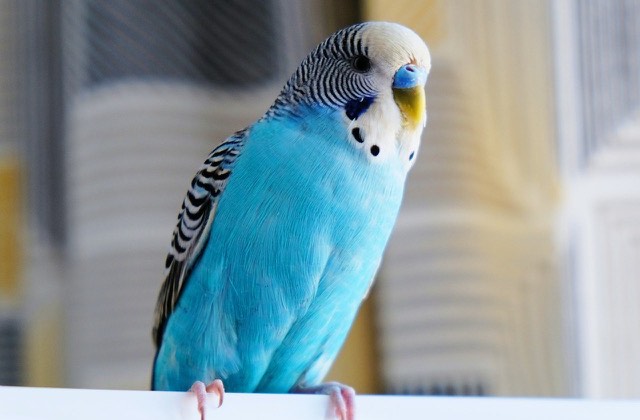
Bird Perches: Why Varying the Diameters Changes Everything
Published by Planète Pets · managing editor: Clément Lacaille · how our guides are written
A bird spends nearly its entire life standing on its feet, including while it sleeps. Choosing perches is therefore no decorative detail: it is a direct matter of foot health. Here is how to equip a cage or an aviary intelligently.
Contents · 5 sections
The problem with factory-fitted perches
Most cages come with smooth plastic perches, all of the same diameter. Yet identical, constant pressure always loads the same points of the foot. Over time, this encourages bumblefoot (pododermatitis, an inflammation of the sole of the foot). If you notice redness, scabs or limping, book an appointment with an avian vet without delay.
Varying the diameters: the golden rule
The ideal: the bird’s toes should wrap two thirds to three quarters of the way around the perch, without meeting completely. In practical terms:
- Budgerigar, lovebird, canary: diameters of 10 to 20 mm, alternated.
- Larger parakeets (cockatiels): 15 to 25 mm.
- Medium and large parrots: 25 to 50 mm depending on the species.
Natural branches, irregular by nature, offer this variation on a single perch: that is their great advantage.
Which woods to choose?
Safe and popular species: hazel, willow, birch, beech, apple and other untreated fruit trees. In pet shops or online, a natural wood perch costs between 3 and 15 € depending on size. You can also cut branches from an untreated garden: brush them, rinse them and dry them in the oven at a low temperature to sanitise them. Avoid fresh resinous wood and any branch of uncertain origin, as our home safety guide points out.
Placement and upkeep
Position the perches at the ends of the cage to preserve flying space, and never above the feeders and drinkers. Provide one perch higher than the others: that is where the bird will choose to sleep. Replace any perch that is chewed, split or soiled. A cement or pumice perch (5 to 10 €) can round out the set by naturally wearing down the claws, but one is enough: too much abrasive surface would irritate the feet.
Key takeaways
Natural wood, varied diameters, thoughtful placement: three simple principles that prevent the majority of foot problems. Find our compared selections in the housing section of Planète Pets.
An accessory from our shop for this use: Flexible pastel cotton rope perch, 35 cm, for budgies and cockatiels (€32.90) · the whole shop
This guide is part of Planète Pets’s Birds universe. Our advice is general in nature: for any health concern, your veterinarian remains the only reference.