🐹Rodents: buying guides and gear
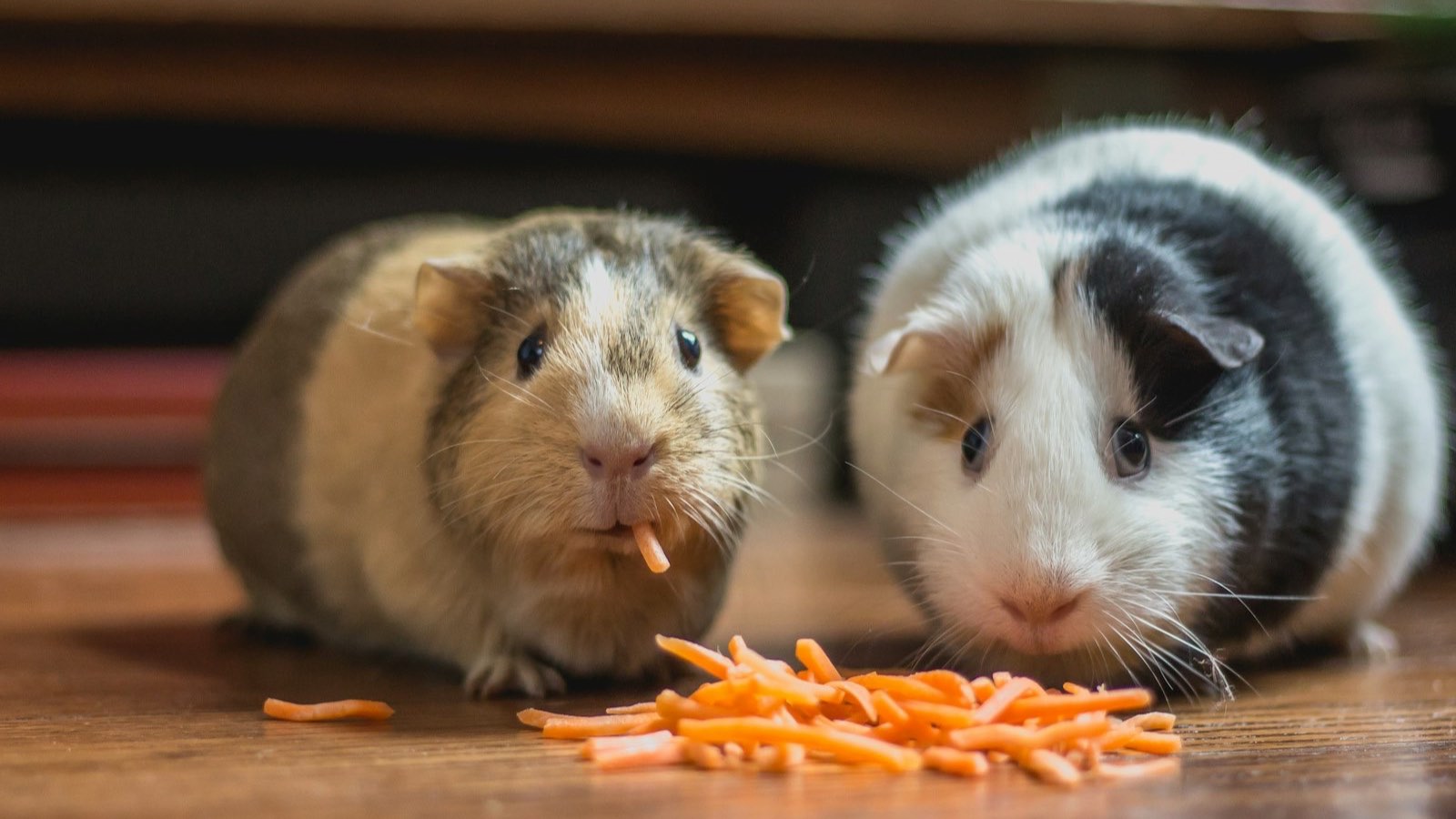
The word “rodent” hides species with opposite needs: hamsters are solitary and nocturnal, guinea pigs social and diurnal, chinchillas demand their sand bath. One thing they share: pet-shop cages often fall below recommended minimums. Our guides treat each species separately.
💶 Typical budget: €15–40 per month depending on the species.
🛡️ Health budget: our guide to small pet insurance in france: prices, refunds, how to choose.
Product families
-
🍖
Food
31 dedicated guides
-
🧴
Care & grooming
51 dedicated guides
-
🎾
Toys & enrichment
38 dedicated guides
-
🏠
Bedding & habitat
48 dedicated guides
-
🧳
Travel & safety
22 dedicated guides
-
🧰
Accessories
21 dedicated guides
By breed or species (10)
- Syrian hamster
- Dwarf hamster
- Roborovski hamster
- Guinea pig
- Fancy rat
- Fancy mouse
- Gerbil
- Chinchilla
- Degu
- Siberian chipmunk
All our guides
- Degu diabetes: how to build a sugar-free dietFood
Chilean degus are genetically prone to diabetes: why they can't tolerate any sugar, what research shows, and how to plan their daily ration.
- Checking your hamster's teeth at home: recognising the signs of malocclusionCare & grooming
Hamster dental malocclusion: why their incisors grow continuously, which signs to watch for at home, and when to see an exotic-animal vet.
- Getting your rodent used to its carrier before a tripTravel & safety
Vet visits, travel, moving day: how to gradually get your rodent used to its carrier to cut stress on the day itself.
- Litter training rats and guinea pigs: can they really learn?Accessories
Litter boxes for rats and guinea pigs: what science shows about their natural toileting habits, and how to train them to use a dedicated corner.
- Fur chewing in chinchillas: causes and solutionsCare & grooming
Chinchilla fur chewing: what research shows about this compulsive behaviour, its likely causes, and how to address it day to day.
- Setting up a mouse cage: the essential accessoriesBedding & habitat
Substrate, nesting material, wheel, hides, and enrichment: the accessories that are genuinely useful for setting up a pet mouse's cage.
- Senior rat: adjusting his diet to protect his healthFood
Calories, protein, texture, and meal frequency: how to adjust an ageing rat’s diet to support him through his senior years.
- Gerbil enrichment: why she needs to dig deepToys & enrichment
Deep substrate and real tunnels reduce stress and stereotypic behaviour in the Mongolian gerbil.
- Harness and leash for a rodent: good or bad idea?Accessories
Why a harness is discouraged for most rodents, and the narrow, specific cases where it can, exceptionally, be justified.
- How to find an exotic pet vet for your rodentCare & grooming
Why a general practitioner is not always enough, where to look for a genuinely qualified exotic vet, and the warning signs in a rodent.
- Rodent-proofing your home against escapesTravel & safety
Chewed cables, gaps, furniture: how to secure a room to limit the risk of a rodent escaping or getting hurt during playtime.
- Chinchilla diet: hay, pellets, and foods to avoidFood
Unlimited hay, species-specific pellets, and strictly limited fruit: the basics of a diet suited to a chinchilla’s fragile digestive system.
- Stress-induced seizures in gerbils: causes and what to doCare & grooming
Why some gerbils have seizures triggered by stress or novelty, how to react in the moment, and when a vet visit is warranted.
- Respiratory mycoplasmosis in rats: symptoms and preventionCare & grooming
Sneezing, wheezing, and red discharge: recognising the signs of respiratory mycoplasmosis in rats and limiting the factors that trigger flare-ups.
- Exercise wheel for a chinchilla: what size to choose?Toys & enrichment
Why an undersized wheel strains a chinchilla’s spine, and what minimum diameter to look for to make running genuinely safe.
- Gerbil diet: seeds, extruded food, and moistureFood
Why a gerbil, adapted to desert dryness, tolerates moisture in its bowl poorly and needs very little fresh food.
- Trimming a guinea pig’s nails without stressing itCare & grooming
Frequency, method, and visual cues for trimming a guinea pig’s nails safely, without causing unnecessary stress.
- Digging and foraging games for rats: engaging their sense of smellToys & enrichment
Why digging and scent-driven foraging rank among the most overlooked behavioural needs of pet rats, and how to meet them simply.
- First car ride with a guinea pigTravel & safety
How to prepare for and handle a first car ride with a guinea pig, a species particularly sensitive to vibration and engine noise.
- Korean chipmunk diet: cheek pouches, caches, and the right amountsFood
How to plan a Korean chipmunk’s diet, and why its hidden caches around the aviary need regular checking.
- Housing a Korean chipmunk: aviary size, height, and safetyBedding & habitat
Why a Korean chipmunk needs a tall aviary rather than a standard cage, and how to respect its solitary territory.
- Korean chipmunk hibernation: what to watch for in winterCare & grooming
How the Korean chipmunk’s winter slowdown unfolds, and why its digestive system stays fragile during this period.
- Mammary tumors in pet rats: early detection and preventionCare & grooming
Why female pet rats are particularly prone to mammary tumors, and how regular checks and spaying reduce the risk.
- Degu dust bath: frequency and benefitsCare & grooming
Why dust bathing is not a mere comfort for the Chilean degu, but a genuine social and hygienic behaviour.
- Enriching a Korean chipmunk aviary with branchesToys & enrichment
Why the choice and placement of branches matter more than their number for enriching a Korean chipmunk aviary.
- Transporting a pet mouse without stress to the vetTravel & safety
Why how you pick up a mouse before a trip matters more than the carrier itself, and how to limit its anxiety during transport.
- Guinea pig bedding: wood shavings or paper?Bedding & habitat
What the research shows about guinea pigs’ actual preference between wood shavings and paper bedding, beyond price arguments.
- Heatstroke in guinea pigs, hamsters and chinchillas: preventing overheatingCare & grooming
Small rodents overheat very fast in summer and don't sweat. Signs of heatstroke, emergency moves and setups to keep the cage cool.
- Rat laughter: tickling, play and psychological wellbeingToys & enrichment
Rats produce genuine pleasure vocalizations when tickled. What the science says, and how to turn this play into daily enrichment.
- Dwarf hamster winter torpor: false hibernation, a real dangerCare & grooming
A cold, motionless dwarf hamster in winter isn't necessarily dead: it may be in torpor. How to recognise it, prevent it, and why it's still dangerous.
- Weaning baby rodents: from birth to feeding independenceFood
Hamster, gerbil, rat or mouse: weaning a baby rodent too early raises stress and health risks. Species-by-species timelines and mistakes to avoid.
- Securing the travel carrier in the car and limiting motion sickness in rodentsTravel & safety
A car trip badly stresses a rodent if the carrier isn't secured and the journey isn't planned well. Our advice for safe rodent transport.
- Chinchilla's continuously growing teeth: why hay makes all the differenceFood
A chinchilla's molars grow throughout its life. Without enough abrasive fibre, malocclusion looms. The mechanism, the warning signs, and the right habits.
- Introducing two adult gerbils: why neutral territory changes everythingBedding & habitat
Housing two adult gerbils together doesn't just happen: forming a pair changes their territorial behaviour. The neutral-territory method to cut down on fights.
- Household ultrasonic devices: an invisible stressor for your rodentAccessories
Pest-repelling ultrasonic devices, and some chargers or electronics, emit ultrasound imperceptible to humans but very audible, and stressful, to a pet rodent.
- Ringtail in baby rodents: the underrated role of humidityCare & grooming
Ringtail mainly affects young rodents raised in overly dry air. How to recognise this tail constriction, and why nest humidity matters as much as its temperature.
- What cage for a guinea pig? The C&C enclosure is the real answerBedding & habitat
What cage does a guinea pig need? Minimum floor space, the advantages of a modular C&C enclosure and a realistic budget: our guide to a truly suitable habitat.
- What cage for a rat? Height, levels and dimensions to respectBedding & habitat
What cage does a pet rat need? Minimum height, number of levels, bar spacing and budget: our advice for an aviary-style cage suited to this born climber.
- A tank for gerbils: finally giving them something to digBedding & habitat
Why a glass tank beats a barred cage for gerbils: substrate depth, minimum dimensions, ventilation and budget for these tireless little diggers.
- Chinchilla housing: a large, cool aviary cage above allBedding & habitat
Chinchilla housing demands a tall aviary cage of at least 1 metre, wooden platforms and a cool room below 22 °C: our detailed advice and budgets.
- Exercise balls for rodents: why vets advise against themToys & enrichment
Exotic-pet vets advise against exercise balls for rodents: stress, injuries and overheating. The reasons why, plus safe alternatives for burning off energy.
- Hemp or corn cob bedding: which should you choose for your rodent?Care & grooming
Hemp or corn cob bedding? Absorbency, dust, price per litre and suitability by species: our comparison to help you choose the right plant-based bedding.
- Which bath sand to buy for a chinchilla, gerbil or hamster?Care & grooming
Which bath sand should you buy? Sepiolite, quartz sand or bathing dust: the right products, the ones to avoid and prices per kilo for healthy fur.
- Feeding your rat: how to nourish a true omnivoreFood
The rat is an opportunistic omnivore: complete lab blocks, fresh food share, animal protein, forbidden foods and a realistic monthly budget.
- Seed mix or pellets for hamsters: what belongs in the bowl?Food
Seed mix or pellets for your hamster? Benefits, the selective-feeding trap, protein content and prices: our verdict for a balanced ration.
- Daily fresh vegetables for guinea pigs: the list and the quantitiesFood
Which fresh vegetables should a guinea pig eat every day? List of safe vegetables, quantities (about 100 g/kg), forbidden vegetables and weekly budget.
- Chew toys and dental health: caring for your rodent’s teethToys & enrichment
Chew toys are essential to rodent dental health: safe woods, materials to avoid, signs of malocclusion and prices of the good products.
- Tunnels, bridges and levels: structuring your rodent’s cageToys & enrichment
Tunnels, bridges and levels turn an empty cage into a stimulating territory: safe materials, diameters by species, prices and layout mistakes to avoid.
- Rat hammocks: your companions’ favourite place to sleepBedding & habitat
The hammock is a rat’s favourite bed: suitable fabrics, safe attachment, how many hammocks per cage, upkeep and prices from 5 to 20 €.
- Transporting rodents in hot weather: the safety rulesTravel & safety
Transporting a rodent in hot weather demands strict precautions: timing, ventilated carrier, cooling plate, air-conditioned car and warning signs.
- Heatwave: keeping rodents cool at homeTravel & safety
In a heatwave, keeping rodents cool becomes vital: the right room, cooling plates, tiles, indirect ventilation and the mistakes you must not make.
- Minimum winter temperature: how much cold can your rodent take?Bedding & habitat
What minimum winter temperature for a rodent? Thresholds by species, the hamster hibernation risk, room heating and how to winter-proof the nest.
- Scales and weight tracking: the health habit your rodent needsAccessories
A kitchen scale and a weekly weight check detect rodent illnesses before any symptom shows: method, reference weights and alert thresholds.
- Hamster starter kit: the full budget, item by itemAccessories
Hamster starter kit: a complete, realistic budget of 150 to 300 € — habitat, wheel, bedding, food — and why to avoid the 40 € all-in-one kits.
- Digging box for hamsters: the enrichment they go wild forToys & enrichment
The digging box channels a hamster’s need to dig: safe substrates (coconut fibre, sterilised soil), dimensions, prices and foraging ideas.
- Guinea pig enrichment: hideouts and free-access hayToys & enrichment
Guinea pig enrichment rests on multiple hideouts, free-access hay and foraging games: our practical ideas and their prices.
- Barbering in rats and mice: when grooming between cage mates goes too farCare & grooming
Whiskers or fur clipped clean off a rat or mouse living in a group? This behaviour, called barbering, isn't a skin disease but a social signal worth decoding.
- Popcorning in guinea pigs: a sign of wellbeing worth encouragingToys & enrichment
Those sudden, disorganised little hops a happy guinea pig makes have a name, popcorning, and the science of animal play treats it as a reliable marker of positive wellbeing.
- Cecotrophy in guinea pigs and chinchillas: a normal behaviour, not a digestive disorderFood
Seeing a guinea pig or chinchilla eat directly from its own backside often startles new owners. This nutrient recycling behaviour, cecotrophy, is actually essential.
- Transporting a rodent in cold weather: preventing thermal shockTravel & safety
A trip by car or on foot to the vet exposes a small rodent to a far sharper temperature shock in winter than in summer. The precautions to take before heading out.
- Hamster wheel: what diameter to choose and how to make it silentToys & enrichment
A wheel that is too small curves the hamster's spine and harms its health. Minimum diameter by species, solid running surface and tips for a genuinely quiet night-time wheel.
- Gerbil tail slip: how to handle your gerbil without risking deglovingCare & grooming
Grabbing a gerbil by the tip of the tail can strip the skin off in an instant: this is tail slip, a common and preventable injury. The right way to pick a gerbil up safely.
- Guinea pig GI stasis: recognising the emergency warning signsCare & grooming
A guinea pig that stops eating for a few hours is a veterinary emergency. Understanding GI stasis, its link to low fibre intake, and the signs every owner should watch for.
- Bar-gnawing: understanding stereotypy in caged rodentsBedding & habitat
A rodent that gnaws relentlessly at its cage bars is not simply bored: it is often a sign of stereotypy, a behaviour tied directly to an unsuitable housing setup.
- Sunflower seeds: the selective feeding trap behind obesity in hamsters and gerbilsFood
Hamsters and gerbils sort through their seed mix and often leave the balanced pellets behind. Why sunflower seeds drive obesity, and how to correct the diet.
- Enriching a fancy mouse's day: toys, tunnels and chew materialsToys & enrichment
Fancy mice are often seen as easy, low-maintenance rodents, and enrichment gets overlooked as a result. What toys, tunnels and chew materials they actually need.
- Night vision camera for a rodent: gadget or genuinely useful tool?Accessories
Hamsters, gerbils and mice are mostly active at night, out of sight of their owners. Does a night vision camera actually help you understand your rodent better?
- Hard-sided or soft-sided carrier for a rodent: which one to choose?Travel & safety
A soft carrier built for a cat offers no real security against a rodent's teeth. Why a carrier's rigidity matters more than its apparent comfort.
- Can a pet rat live alone? Why it needs a companionCare & grooming
Contrary to popular belief, pet rats cope poorly with prolonged solitude. What research shows about their social needs, and how to set up a successful cohabitation.
- Mouse litter and cage bedding: which safe materials to chooseBedding & habitat
A mouse's cage floor must absorb, let it dig and nest, without releasing irritating substances. Which substrates to choose, which to avoid, and why the nesting material matters just as much.
- Should you adopt several mice? Social life and cohabitationToys & enrichment
The mouse is a social animal that suffers from loneliness. Females in groups, males often solitary: how to build a group of mice without fights or surprise litters.
- Housing dwarf hamsters in pairs: a false good idea?Bedding & habitat
Dwarf hamsters are sometimes sold in pairs as if they tolerated company. What a recent veterinary study found about cohabitation failure, and how to house one alone safely.
- Dwarf hamster and diabetes: adapting the diet from day oneFood
The dwarf hamster is prone to diabetes, a trait documented in this species for decades. Which foods to avoid, which signs to watch for, and how to build a low-sugar diet.
- Why the dwarf hamster's coat changes colour in winterCare & grooming
In winter, a dwarf hamster's grey-brown coat can lighten toward an almost white grey. What research on photoperiod explains about this natural process, and when to worry about a real skin problem instead.
- Catching and transporting a dwarf hamster without stress or escapeTravel & safety
Tiny and fast, the dwarf hamster easily slips out of hands or a poorly closed carrier. A capture method that lowers stress, drawn from research on handling small rodents.
- Rat or guinea pig for a beginner? The honest comparisonBedding & habitat
Rats and guinea pigs are both social rodents, but their needs differ sharply. What two landmark studies on their cognition and group life show, so you can choose with confidence.
- What light lets you watch a nocturnal rodent without disturbing it?Accessories
Hamsters, gerbils and mice are mostly active at night. What research shows about light and rodent rhythms, to choose a light that doesn't disrupt their sleep.
- How much does a pet rat cost per month? A realistic budget, item by itemFood
Food, litter, chew toys and health care: the real monthly budget for a pair of pet rats, including the line items owners tend to underestimate.
- Essential oils and scented candles: an underestimated danger for rodentsCare & grooming
Essential oil diffusers, scented candles and air fresheners: what science says about rodents' sense of smell and respiratory system, and why these products are riskier for them than for us.
- Rodent home alone all day: handling a return to the officeToys & enrichment
Back at the office after months of remote work: should you feel guilty leaving your rodent alone all day? What science says about rodent rhythms and getting used to time apart.
- Rats and bright light: why they need dark hideouts in their cageBedding & habitat
Rats are extremely sensitive to light, to the point that poor lighting can damage their retina. What the research on their sensory perception means for where you place the cage and its hideouts.
- Why guinea pigs should never get a high-level cageBedding & habitat
Unlike rats, guinea pigs don't climb and judge heights poorly. What their domestication history reveals about this trait, and how to set up a fall-free habitat.
- A stressed hamster: a real risk factor for its digestive healthCare & grooming
For hamsters, stress isn't just a matter of comfort - it genuinely weakens the body. What the research on stress and immunity shows, and which digestive signs should worry you.
- What colors can your rodent actually see? Choosing toys that workAccessories
Rodents don't see color the way we do: red looks almost gray to them. What vision science shows about rodent eyesight, and how to pick toys that are actually visible to your pet.
- Degus can see ultraviolet light: what that means for cleaning their cageCare & grooming
Fresh Chilean degu urine strongly reflects ultraviolet light, a real visual and scent message for its cage mates. What the research shows, and how to adjust cleaning frequency without harming their wellbeing.
- Rat whiskers: why you should never trim themCare & grooming
A rat's whiskers aren't a cosmetic detail but a genuine sensory organ. What research on the somatosensory cortex shows, and the right habits to adopt.
- Mice communicate through ultrasounds we can't hearAccessories
A silent mouse cage is anything but quiet to a mouse. What the research shows about ultrasonic vocalizations, and how a detector lets you 'hear' them.
- Why gerbils drum their feet on the groundBedding & habitat
Foot drumming isn't a nervous tic: it's a seismic signal studied by scientists. What it means, and what it implies for a gerbil's habitat.
- The degu, a diurnal species: why natural light mattersBedding & habitat
Unlike most pet rodents, the degu is active during the day. What research on its biological clock shows, and how to position its cage accordingly.
- Guinea pigs and petting: what research shows about stressCare & grooming
Petting your guinea pig isn't always relaxing for the animal. What a thermographic study reveals about contact-related stress, and how to respect its need to retreat.
- Rats help a distressed cage-mate: what the science of empathy showsBedding & habitat
Researchers found that rats spontaneously free a trapped cage-mate, even without any reward. What this study reveals about their need for company.
- The wheel isn't a sign of boredom: a study on wild rodentsToys & enrichment
Dutch researchers set up running wheels out in the wild: wild mice and other rodents spontaneously started running on them. What that changes about how we see a wheel in a cage.
- The guinea pig's "wheek": a learned call tied to foodFood
That high-pitched squeal a guinea pig lets out the moment it hears a bag of pellets isn't random. What research shows about its vocal repertoire, and how to keep a consistent feeding routine.
- The gerbil's ventral gland: what does that belly-rubbing do?Accessories
A patch of flattened fur in the middle of the belly: gerbils have a scent gland they rub against their cage's decor. What research reveals about this marking behavior.
- Hamster or gerbil for beginners? The honest comparisonBedding & habitat
Hamster or gerbil as your first rodent? Daily rhythm, sociability, housing and budget: our comparison to choose the pet that truly fits your household.
- Wire cage or tank for a hamster: which should you choose?Bedding & habitat
Wire cage or glass tank for a hamster? Bedding depth, ventilation, safety and price: our comparison to help you decide for your species.
- Exercise wheel or saucer for rodents: the showdownToys & enrichment
Classic wheel or flying saucer for your hamster or gerbil? Posture, safety, noise and price: our comparison to choose the right equipment.
- Male or female rat: what equipment actually changes?Accessories
Adopting a male or a female rat? Size, marking, activity: what sex really changes for the cage, hammocks, bedding and your equipment budget.
- Hay or pellets as base bedding: the real answerCare & grooming
Can hay or wood pellets serve as base bedding for a rodent? Absorption, dust, comfort and cost: our clear-cut comparison.
- The 7 first-hamster mistakes (and how to avoid them)Bedding & habitat
Tiny cage, mesh wheel, fluffy cotton, daytime wake-ups: the 7 most common mistakes with a first hamster and the right habits to avoid them.
- Colorful tube cages: why they are a bad ideaBedding & habitat
Colorful plastic tube cages charm children but pile up flaws: ventilation, size, cleaning. Our analysis, plus alternatives at the same price.
- Fluffy cotton nesting for rodents: the hidden dangerBedding & habitat
Cotton nesting fluff for hamsters, sold in pet shops, causes strangulation and intestinal blockages. Why it is dangerous and what to use instead for 0 €.
- Should you take your hamster out during the day? No — here is whyTravel & safety
Waking and handling your hamster during the day stresses it, makes it bite and weakens its health. The right time slot for playtime and how to keep it safe.
- Wire flooring underfoot: the mistake that causes bumblefootCare & grooming
Mesh cage floors, wire shelves, slatted wheels: why wire under the feet causes bumblefoot in rodents, and how to prevent it.
- How much does a guinea pig cost per month? Detailed budgetFood
How much does a guinea pig cost per month? Hay, fresh vegetables, bedding, vitamin C and vet care: the real monthly budget, item by item, for a pair.
- Complete rat starter kit: what budget to get going?Accessories
Cage, hammocks, bedding, bowls, carrier: the full budget for welcoming a pair of rats, item by item, with real prices and the false economies to avoid.
- Second-hand rodent accessories: smart buy or health risk?Accessories
Cage, tank, wheel, water bottle: which rodent accessories can be bought second-hand safely, how to disinfect them and which to always buy new.
- Rodent bedding: the true monthly cost, calculatedCare & grooming
Hemp, flax, paper, washable textiles: the real monthly cost of bedding by species, with the price-per-litre maths and the tricks that halve the bill.
- Rodent treats: a smart budget and the traps to avoidFood
Yogurt drops, honey sticks, natural treats: what is really worth your euros, what makes rodents ill, and how to spoil your pet for almost nothing.
- Rodents and children: which one to choose by age?Travel & safety
Which rodent for a child? Guinea pig, rat, gerbil, hamster: the age-by-age comparison, the handling rules and the mistakes that end in a bite.
- Rodents in an apartment: how to stop the night-time noiseToys & enrichment
Squeaky wheel, chewed bars, digging at 3 am: why your rodent is noisy at night and the concrete fixes so you can finally sleep.
- Going away for the weekend: does your rodent need a sitter?Travel & safety
Can a rodent be left alone for a weekend? Species by species, the maximum time without a visit, the departure checklist and the pet-sitting options that work.
- Setting up a room for rat free-roam time: the guideToys & enrichment
Cables, skirting boards, plants, safe zones: how to secure and enrich a room for your rat's daily free-roam sessions, with equipment and prices.
- The ageing guinea pig: adapting habitat and careCare & grooming
Your guinea pig is getting old: arthritis, teeth, weight. How to adapt the enclosure, bedding, diet and vet care after age 4, with the budget to plan.
- A pet mouse's nest: why nesting material quality matters so muchBedding & habitat
A mouse that can't build a proper nest suffers from the cold even in a heated room. What research shows about the link between nest quality and welfare.
- Does a rat "laugh" when tickled? What the science of play showsToys & enrichment
Researchers recorded specific ultrasonic vocalizations when a rat is tickled in play. What that reveals about its real need for physical play.
- Why some gerbils have brief seizures: what to knowCare & grooming
A sudden brief tremor followed by a moment of stillness: some gerbil lines are prone to short seizures, documented since the 1970s. When to worry, and how to handle the animal calmly.
- Handling and travel: what stress physiology reveals in rodentsTravel & safety
A landmark study measured a rise in corticosterone from the simple act of picking up a laboratory rodent. What that changes about preparing a trip to the vet.
- Play-fighting in rats: a social need, not aggressionToys & enrichment
Chasing, pinning, inhibited bites aimed at the nape: rat play-fighting follows precise rules. What research reveals about this essential social need.
- Guinea pigs: why living in a group lowers physiological stressBedding & habitat
An isolated guinea pig shows measurable stress markers that a same-species companion directly reduces. What research on its sociophysiology reveals.
- Food neophobia in rats: why they're wary of an unfamiliar foodFood
A rat sniffs at length, barely tastes, then waits before returning to a new food. A landmark study explains this caution and how to introduce a new ingredient.
- Why the golden (Syrian) hamster lives alone in the wild — and in a cageBedding & habitat
A wild golden hamster occupies an isolated burrow and fiercely defends its territory from other hamsters. What a field study reveals about its solitary lifestyle.
- Rat metacognition: when a rat knows it doesn't knowToys & enrichment
Faced with a hard task, a rat can choose to opt out rather than risk a wrong answer. What this study on metacognition changes for cognitive enrichment.
- Wild gerbils live in extended families: what that means for pairs in a cageBedding & habitat
Far from a simple pair, wild Mongolian gerbils live in family groups spanning several generations. A field study sheds light on cohabitation choices in captivity.
- Why a chinchilla needs height: what its wild habitat revealsBedding & habitat
In the Andes, wild chinchillas live on steep rocky outcrops, not on flat ground. What their natural ecology changes for setting up a cage with vertical space.
- Why baby guinea pigs are born almost ready to fend for themselvesFood
Full coat, open eyes, nibbling hay within hours of birth: baby guinea pigs are among the most precocial of rodents. What that changes for how they're fed.
- Guinea pigs and maternal separation: what cortisol levels revealCare & grooming
Separated from its mother in an unfamiliar space, a young guinea pig vocalizes more and its cortisol spikes — unless a familiar adult stays close by. What a classic study changes for managing weaning stress.
- Do enriched rats see the glass half full? What cognitive bias revealsToys & enrichment
Faced with an ambiguous signal, a rat housed in unpredictable conditions responds more "pessimistically" than one housed in a stable setup. A landmark animal-welfare study sheds light on what enrichment really achieves.
- Why female degus share a nest: it's a family matterBedding & habitat
In the wild, female degus that sleep in the same nest are almost always related. A radio-tracking study sheds light on which cohabitation choices work best in captivity.
- Do chipmunks really remember where they hid their food? What the science showsToys & enrichment
Smell, random digging, or precise spatial memory: how a chipmunk finds its scattered food caches again. An experimental study points to the best enrichment to offer in a cage.
- Why do mice bury objects? What laboratory research tells usToys & enrichment
A classic scientific test counts how many marbles a mouse spontaneously buries in its bedding. What this digging reflex reveals, and how to put it to use for enrichment in a home cage.
- Spacious cage, but your chinchilla hides in a corner: why it still needs a tight shelterBedding & habitat
A study on chinchilla enclosure preferences shows they choose low, tight spaces even when more room is available: what that means for setting up the cage.
- Guinea pigs hear up to 46,000 Hz: what that means day to dayCare & grooming
Vacuum cleaners, doorbells, electronics: guinea pigs perceive frequencies far beyond human hearing. What a behavioral audiogram study means for where you place the cage.
- Nylon gnaw sticks for rats: an effect that goes beyond the teethToys & enrichment
The material of a rat's chew toy doesn't just shape dental wear: a recent study finds measurable differences in gut fermentation and immune markers depending on the animal's sex.
- A rat can "catch" a cagemate's food preference: what a classic study showsFood
After a brief contact with a cagemate who just ate an unfamiliar food, a rat starts preferring that same food. A founding study explains this mechanism and how it can help introduce new foods.
- Hamsters hoard more than they eat: what a study on foraging effort showsBedding & habitat
Faced with a rising cost to obtain food, a hamster keeps eating nearly as much, but sharply cuts back on hoarding. What a study on food demand means for the stashes found in the cage.
- In dwarf hamsters, the male can help deliver the pups: an exception among hamstersCare & grooming
While Syrian hamster males must be removed before birth, a study on Campbell's dwarf hamster describes an active male during delivery. What that means for an already-established dwarf hamster pair.
- Why a mother degu "talks" to her pups: an early auditory learning processCare & grooming
Degu pups whose mother is surgically muted grow more slowly than others. A study on learning the maternal call highlights the importance of a calm environment during the first two weeks.
- Why a rodent never vomits, even when it feels sick in the car: what the science saysTravel & safety
Unlike dogs or humans, rodents are physiologically unable to vomit. A comparative study explains why, and what that means for spotting real motion sickness in your pet.
- Why a rat or mouse that suddenly stops burrowing deserves your attentionAccessories
The need to dig into loose substrate isn't just about comfort: a scientific method actually uses this exact activity as a sensitive indicator of a rodent's wellbeing.
- Why your guinea pig explores a new toy faster than its wild ancestor wouldAccessories
Domestication sharply reduced fear of novel objects in guinea pigs compared with their wild ancestor, the cavy. A comparative study sheds light on introducing a new accessory without unnecessary stress.
- Why an injury to a hamster's cheek pouch should always be taken seriouslyCare & grooming
A hamster's cheek pouches aren't just a stretchy storage bag: a founding study showed they're an immunologically unique site. What that means when one gets injured.
- Why the chinchilla became a research model for hearing, and what that means at homeCare & grooming
The chinchilla's hearing is so close to a human's that it long served as a reference model in acoustic research. That sensitivity calls for real precautions at home.
- Gerbils as a pair: why the male can become as invested a parent as the femaleBedding & habitat
The Mongolian gerbil is one of the few rodents that pairs for life, with the male actively caring for pups. A founding study explains this unusual behavior.
- The Syrian hamster's internal clock is remarkably precise: what that means for its routineFood
A landmark discovery about circadian rhythm relies on the Syrian hamster, whose biological clock runs with rare regularity. Good reason to take its daily schedule seriously.
- The rat's 22 kHz call: the inaudible distress signal worth learning to spotCare & grooming
Unlike its cheerful 50 kHz calls, a rat also produces low, alarm-type calls around 22 kHz when frightened. A landmark study details this signal and what triggers it.
- Housing several male mice together: why it's riskier than with femalesBedding & habitat
Unlike females, adult male mice often cohabit poorly in groups. A study on cage and group size explains what actually limits aggression.
- The degu that can use a tool: a surprising behavioral studyToys & enrichment
Trained in a lab, degus learned to handle a small rake to pull food within reach. A rare skill that says a lot about their enrichment needs.
- The Syrian hamster's flank glands: what this little-known scent marking is forCare & grooming
The Syrian hamster has two flank glands it rubs against objects in its territory. Behavioral research explains this marking and what to avoid when cleaning its cage.
- The rat capable of “regret”: what a study on its food choices revealsFood
A neuroeconomics study found regret-like behavior in rats after a bad food choice. Reason enough to rethink the choice-based foraging games offered at home.
- The Mouse Grimace Scale: how to recognize pain on a mouse's faceCare & grooming
A study developed a grimace scale for assessing pain in mice based on their facial expression. Simple cues for spotting discomfort a mouse won't otherwise show.
- Escaped Siberian chipmunk: why a single getaway is a real ecological problemTravel & safety
Populations of escaped or released Siberian chipmunks have taken hold in several French forests, with measurable effects on ticks. Good reason to double-check your aviary.
- Roborovski hamster: what a comparative study reveals about its need for exerciseBedding & habitat
A Japanese study compared the activity levels and learning abilities of the Roborovski hamster with the dwarf hamster. The results change how you should think about its habitat.
- Why the Mongolian gerbil drinks so little: what its kidneys revealFood
A Chinese study on the Mongolian gerbil details its exceptional ability to concentrate urine to save water. What this actually changes about the water bowl.
- The male guinea pig's perineal gland: a dominance signal, not a sign of illnessCare & grooming
In male guinea pigs, a greasy perineal gland reflects social rank within the group, according to a landmark study. How to care for it without overdoing it.
- Pet chinchillas: what a survey reveals about the most common housing mistakesBedding & habitat
A survey of chinchilla owners points to two recurring mistakes: cages that are too small and animals kept alone. Reason enough to rethink the setup at home.
- Why you should never transport a rat alone: what a stress study showsTravel & safety
A Japanese study measured how a companion's presence dampens the stress response in rats. Good reason never to isolate a rat during a trip or a vet visit.
- Chinchilla or Chilean degu for beginners? The honest comparisonBedding & habitat
Chinchilla or Chilean degu as a first exotic rodent? Daily rhythm, sociability, housing and budget: our comparison to help you pick the right companion.
- Traveling by train or plane with your rodent: what you need to knowTravel & safety
Train, plane, car: can you travel with a hamster, a rat or a guinea pig? Rules, carrier crates and precautions for a stress-free trip.
- How much does a chinchilla cost per month? Full budget breakdownAccessories
How much does a chinchilla cost per month? Cage, hay, dust bath, pellets and exotic-pet vet care: the real monthly budget, item by item, plus setup cost.
- Toxic foods for rodents: the list you need to knowFood
Chocolate, citrus, avocado, onion: which foods are toxic to a hamster, a rat or a guinea pig? The everyday dangers to keep out of the food bowl.
- Which rodent should you choose if you're allergic to fur?Care & grooming
Fur and dander allergies: which rodent triggers the fewest reactions? Our advice on choosing a species and limiting allergens day to day.
- Picking up your mouse by the tail raises its stress: what a landmark study showsCare & grooming
A landmark UK study compared tail handling with tunnel handling in mice. The measured gap in stress changes how you should handle one day to day.
- A quiet sound can stress a guinea pig without you noticing: what its breathing revealsBedding & habitat
A recent study measured guinea pigs' breathing rate in response to simple sudden sounds, even faint ones. A stress signal worth watching beyond squeaking and fleeing.
- Gerbils hear up to 60 kHz: why the accessories you pick actually matterAccessories
A landmark study measured the exceptional hearing range of the Mongolian gerbil. Reason enough to rethink how you choose its wheel and toys.
- A rat raised in an enriched environment grows a different cerebral cortex, a landmark study showsToys & enrichment
A study that became a classic measured real changes in the rat's cerebral cortex depending on how enriched its environment was. Good reason to rotate toys regularly.
- Wild rats dig complex burrows in a matter of hours: what that says about the need to burrowBedding & habitat
A Polish study compared burrowing behaviour between wild rats and laboratory rats. A powerful natural drive that bedding depth needs to allow for.
- Tickling your rat literally makes it "laugh": what a landmark study showsCare & grooming
A landmark study measured positive ultrasonic vocalizations in hand-tickled rats, close to laughter. Reason enough to turn daily play sessions into real bonding time.
- A little fruit every day may be enough to trigger diabetes in a degu, a study showsFood
A Chilean study measured the effects of long-term fructose exposure in degus, a species naturally prone to diabetes. Reason enough to rethink how often fruit lands in the bowl.
- Hiding food stimulates a Siberian chipmunk's brain, a Chinese study showsToys & enrichment
A study measured an effect of food-hoarding behavior on brain cell growth in Siberian chipmunks. Good reason to swap the bowl for hiding spots scattered around the enclosure.
- Artificial light can throw off a dwarf hamster's cycle, a landmark study showsBedding & habitat
A landmark study measured how day length affects the seasonal physiology of the dwarf hamster. Reason enough to rethink where its cage sits relative to light sources.
- Degus naturally develop an Alzheimer's-like condition, a Chilean study shows: why enrichment matters even more hereToys & enrichment
A Chilean study measured spatial memory loss linked to markers close to Alzheimer's disease in aging degus. Reason enough to keep up enrichment efforts well past the novelty of adoption.
- Rats trained to drive a small vehicle: what a US study reveals about their need for challengesToys & enrichment
Researchers trained rats to steer a small vehicle for a reward. Their hormone measurements shed light on the real value of complex activities offered to a pet rat.
- A gerbil's sand bath isn't just about hygiene, a study shows: it also helps regulate body temperatureBedding & habitat
A study measured a thermoregulatory role for sandbathing in gerbils, beyond simple coat upkeep. Reason enough to rethink where the sand bath sits in the enclosure.
- A mouse can learn fear just by watching a stressed cagemate, a Korean study showsCare & grooming
A study measured fear learning through pure observation in mice, with no direct experience of the stressor. Good reason to watch the emotional climate of a whole group, not just one animal at a time.
- A mother guinea pig recognizes her own pups' calls, a German study shows: what this means for the litterCare & grooming
Researchers measured how a mother guinea pig adjusts her response to her pups' distress calls depending on litter size. A closer look at what a nursing female actually needs.
- Roborovski hamsters orient their nest to Earth's magnetic field, a German study showsBedding & habitat
Researchers measured that Roborovski hamsters build their nest along a preferred magnetic direction. Reason to think about the stability of their environment, not just its decoration.
- Chinchillas can't dissipate heat well, a Chilean study confirms: why they struggle so much in warm weatherCare & grooming
A study on chinchilla metabolism measured a thermoregulation system built for the cold Andean highlands, but very limited against heat. Reason for particular vigilance as soon as warm weather arrives.
- Syrian hamsters remember exactly where they've already collected seeds, a Canadian study showsToys & enrichment
A radial maze study measured spatial memory in Syrian hamsters foraging for food to hoard. Reason to rethink how treats are offered day to day.
- Syrian or dwarf hamster: what's the difference for a beginner?Bedding & habitat
Syrian hamster or dwarf hamster (Russian, Roborovski)? Size, temperament, housing together and budget: the real differences for your first hamster.
- What cage for a Chilean degu? The complete guideBedding & habitat
Minimum dimensions, levels, sand bath: everything you need to know to choose a cage for a Chilean degu, a highly social and very active rodent.
- How much does a hamster cost per month? A realistic budget, item by itemFood
Food, bedding, toys to replace, vet costs: a detailed breakdown of the real monthly budget for keeping a Syrian or dwarf hamster.
- Cleaning the cage too often: the mistake that stresses your rodentCare & grooming
A full clean that's too frequent wipes out your rodent's scent markers and can cause stress. The right rhythm to follow, species by species.
- Rodents and cats or dogs at home: how do you keep cohabitation safe?Travel & safety
Cage out of reach, supervised playtime, gradual habituation: our advice for letting a rodent share a home safely with a cat or a dog.
- How to trim a rodent's nails safelyCare & grooming
Do rats and guinea pigs need nail trims? The right frequency, the right tool, and the steps to avoid cutting into the quick.
- Fruit for rodents: which ones and how much?Food
Apple, banana, strawberry, grape: which fruits suit rodents, in what quantity and how often, without risking digestive trouble.
- Thermometer and hygrometer in the cage: an accessory worth having?Accessories
Tracking temperature and humidity in a rodent's cage helps you catch heat stress and respiratory trouble early. How to pick the right gear.
- Toy rotation for rodents: why and how to do itToys & enrichment
Leaving the same toys in the cage forever bores a curious rodent. The simple rotation method to spark fresh interest without buying everything new.
- First aid kit for a rodent: what should it contain?Travel & safety
Injury, fall, heatstroke: the list of first-aid supplies to keep at home to react before an exotics vet consultation.
- How much does a gerbil cost per month? A realistic budget, line by lineFood
Food, bedding, hay, toys: the real monthly budget for a pair of gerbils, once the starter setup is bought.
- Taming a fearful hamster: the method for earning its trust without stressing itToys & enrichment
A hamster that bites or bolts into its hideout isn't a lost cause for handling. The gradual method for taming it without rushing.
- Automatic feeder or classic bowl for a rodent: which should you choose?Accessories
Automatic feeder or a simple bowl: which one truly cuts down on waste, and which rodent suits which? The full comparison.
- Moving house with a rodent: how to reduce its stress during the moveTravel & safety
A disassembled cage, a car ride, a new home: how to prepare a move with a rodent to reduce its stress before, during and after.
- Rodent losing fur: when to worry and what to doCare & grooming
Seasonal shedding or a sign of illness? How to tell normal fur loss in a rodent apart from a real cause for concern, and when to see a vet.
- What cage for a pet mouse? The bar spacing trap to avoidBedding & habitat
Pet mouse: what bar spacing, floor space and setup actually make for a safe, escape-proof home.
- Fancy mouse diet: avoiding excess fat and obesityFood
What should a pet mouse eat day to day? The right balance between seeds, protein and fresh vegetables, and the traps to avoid.
- Mammary tumors in pet mice: the warning signs to watch forCare & grooming
A lump under the skin, a swollen belly: how to spot a mammary tumor in a pet mouse, and when it's time to see a vet.
- Roborovski hamster: why it needs more floor space than you'd thinkToys & enrichment
The smallest hamster isn't the easiest to house: why the Roborovski needs a large floor area despite its tiny size.
- What accessories for a Roborovski hamster? The small-size trapsAccessories
A hopper too wide, a wheel too small, bars too far apart: the accessories actually suited to the smallest, fastest hamster.
- Pet rat enrichment: the toys and activities essential to its wellbeingToys & enrichment
Pet rats: why cognitive and social enrichment is essential, which toys and activities to pick, and what research shows about their abilities.
- Guinea pig alone or in pairs: what science says about its social needsBedding & habitat
Guinea pig alone or in pairs: what studies show about its social needs and how to set up a home suited to two.
- What Size Cage Does a Hamster Need? Minimum Dimensions and Traps to AvoidBedding & habitat
Minimum floor space, height, bars or acrylic: our advice for choosing a hamster cage that truly fits, far from the undersized models sold everywhere.
- Silent Exercise Wheels: What Diameter for a Hamster, Rat or Gerbil?Toys & enrichment
Minimum diameter by species, solid running surface, quiet bearings: how to choose a safe exercise wheel for a hamster, gerbil, rat or mouse.
- Bedding and Shavings for Rodents: Which Substrates Are Actually Safe?Care & grooming
Hemp, flax, paper or wood shavings: which substrates to choose for a hamster, rat or guinea pig, and which to avoid to protect their airways.
- Feeding a Guinea Pig: Why Vitamin C Is a Matter of Life and DeathFood
Guinea pigs cannot make their own vitamin C. Hay, fresh vegetables, pellets: how to build the daily ration and keep deficiency at bay.
- Toys and Enrichment for Rodents: Keeping a Hamster, Rat or Gerbil BusyToys & enrichment
Safe toy ideas and enrichment activities for hamsters, rats, gerbils and guinea pigs: foraging, chewing, exploring and games you can make yourself.
- Travel Carriers for Small Rodents: Choosing Right for a Stress-Free TripTravel & safety
Size, ventilation, safety: how to choose a travel carrier for a hamster, guinea pig or rat, and how to prepare a safe car journey.
- What Hay for a Guinea Pig or a Chinchilla? The Buying GuideFood
Meadow hay, Crau hay or second cut: how to recognise good hay for guinea pigs and chinchillas, what it costs, and how to feed it free-choice.
- Water Bottle or Bowl for a Rodent: Which Way to Offer Water?Accessories
Sipper bottle or ceramic bowl: pros, cons and hygiene of each watering option for a hamster, rat, guinea pig or chinchilla.
- Hideouts and Houses for Rodents: Which Materials to Choose?Bedding & habitat
Solid wood, ceramic, woven grass or plastic: which materials to favour for the hideout of a hamster, gerbil or guinea pig.
- Sand Baths for Chinchillas and Gerbils: Which Sand, How Often, Best PracticeCare & grooming
Why the sand bath is essential for chinchillas and gerbils: which sand to choose, how often to offer it and the mistakes to avoid.