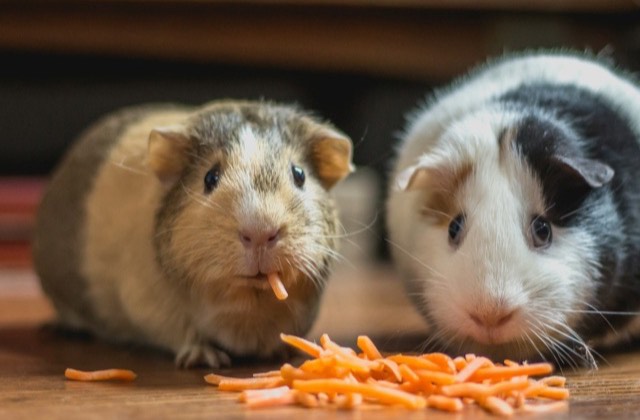
Senior rat: adjusting his diet to protect his health
Published by Planète Pets · managing editor: Clément Lacaille · how our guides are written
Past eighteen months, a pet rat enters its senior phase: metabolism slows, mammary tumours and respiratory problems become more common, and excess weight puts real strain on a species already prone to heart trouble. Adjusting the diet at this stage is not about switching brands, but about revisiting quantities and texture. Our diet guides are gathered in the rodent food section.
Contents · 5 sections
Fewer calories, without sacrificing nutrients
A less active senior rat gains weight easily on the same ration it ate as an adult. The answer is not to slash protein, essential for maintaining muscle mass, but to cut back on fatty seeds and sugary treats in favour of vegetables, cooked lean protein, and a balanced mix, as detailed in our pet rat diet guide.
What the research on caloric restriction shows
The foundational study by McCay, Crowell, and Maynard, published in 1935 in the Journal of Nutrition on the effect of retarded growth in rats, established that a moderate calorie reduction, without depriving the animal of essential nutrients, significantly extends lifespan and delays the onset of age-related disease. This finding, obtained in rats specifically, remains the scientific basis for today's guidance on limiting caloric excess in ageing rodents.
Texture and meal frequency
A senior rat with weakened teeth or arthritis chews hard pellets less easily. Offering part of the ration slightly moistened, split into several small meals rather than one large portion, eases digestion and helps avoid energy crashes. Food-based enrichment, through small treasure hunts scaled to reduced mobility, keeps a rat mentally active; our guide on pet rat enrichment offers easily adjustable ideas.
Weigh regularly
A weekly weigh-in catches any abnormal weight loss or gain well before it becomes visible to the eye, often the most reliable early sign of a health problem in this species.
Frequently asked questions
At what age does a rat become a senior?
Generally from eighteen months, given that the average lifespan of a pet rat is between two and three years.
Should treats be stopped entirely?
No, but they should stay occasional and low in sugar; a small piece of cooked vegetable is a better choice than a store-bought biscuit.
Does a senior rat drink differently?
Stable hydration remains essential; any marked drop in water intake warrants a vet visit. Browse all our guides on the rodent hub.
See it in the Planète Pets shop: Hanging chew garland for rabbits and rodents (€17.90) · the whole shop
This guide is part of Planète Pets’s Rodents universe. Our advice is general in nature: for any health concern, your veterinarian remains the only reference.