Food for your rodent: how to choose

Diet is the number-one health lever for your rodent — and the product family with the loudest marketing. Our guides compare product types, teach you to read a label and give realistic price ranges, so you feed right without paying for the packaging.
🛒 Our picks from the shop
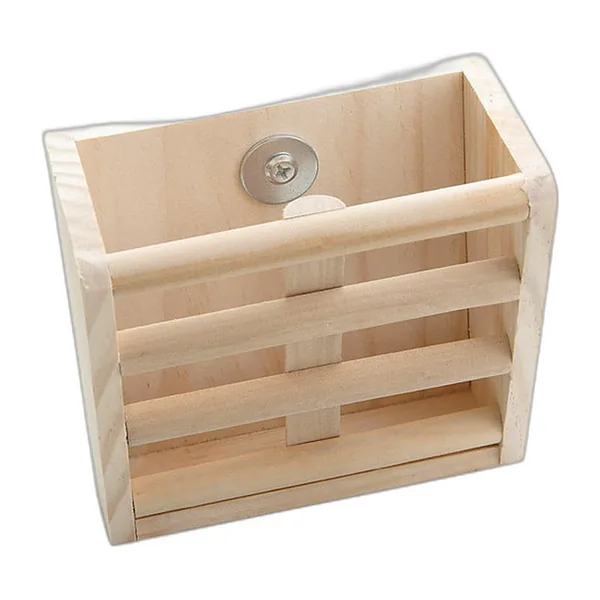
Delivery in 8 to 15 working days, free from €49 (otherwise €4.90). See the whole shop
🛒 Our picks shipped from the US
-
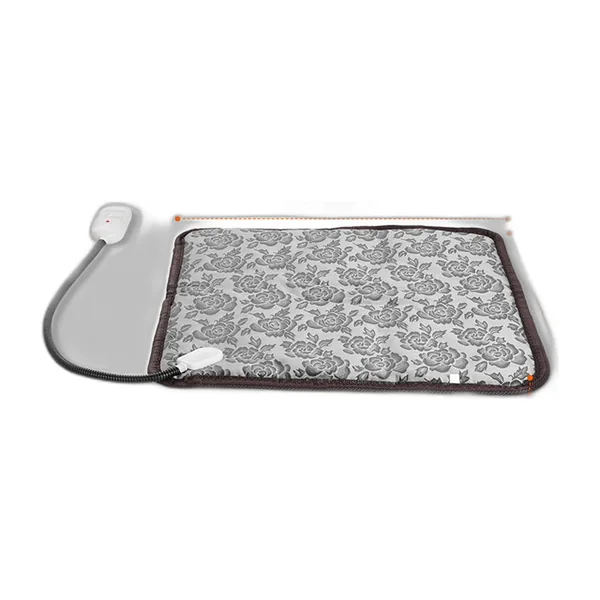 Electric pet heating pad 45 × 45 cm (17.7 in) with chew-resistant cord
$48.90
-
 Rolling 4-level ferret and chinchilla cage with hammock
$159.90
-
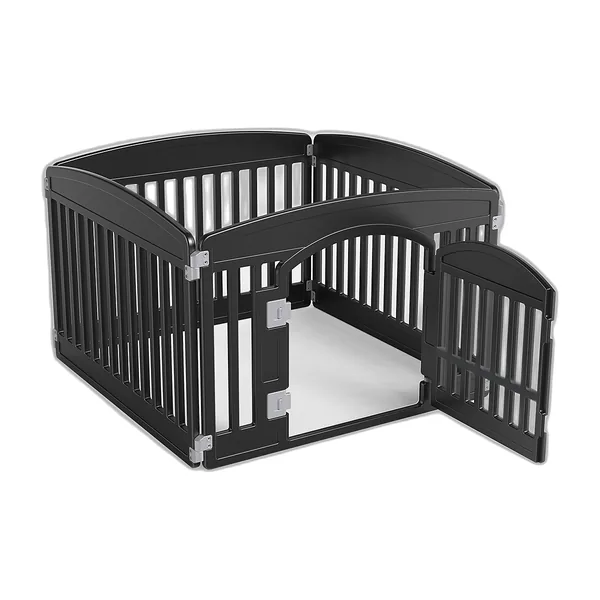 Modular plastic playpen for puppies and rabbits, 4 or 6 panels
from $87.90
Choose an option
Ships from a US warehouse in 4 to 10 business days, free delivery within the United States. See the US shop
The key point : Each species has its own diet: daily vitamin C is vital for guinea pigs, hay for chinchillas, and colourful seed mixes are rarely the best option.
Our dedicated guides
- Degu diabetes: how to build a sugar-free diet
Chilean degus are genetically prone to diabetes: why they can't tolerate any sugar, what research shows, and how to plan their daily ration.
- Senior rat: adjusting his diet to protect his health
Calories, protein, texture, and meal frequency: how to adjust an ageing rat’s diet to support him through his senior years.
- Chinchilla diet: hay, pellets, and foods to avoid
Unlimited hay, species-specific pellets, and strictly limited fruit: the basics of a diet suited to a chinchilla’s fragile digestive system.
- Gerbil diet: seeds, extruded food, and moisture
Why a gerbil, adapted to desert dryness, tolerates moisture in its bowl poorly and needs very little fresh food.
- Korean chipmunk diet: cheek pouches, caches, and the right amounts
How to plan a Korean chipmunk’s diet, and why its hidden caches around the aviary need regular checking.
- Weaning baby rodents: from birth to feeding independence
Hamster, gerbil, rat or mouse: weaning a baby rodent too early raises stress and health risks. Species-by-species timelines and mistakes to avoid.
- Chinchilla's continuously growing teeth: why hay makes all the difference
A chinchilla's molars grow throughout its life. Without enough abrasive fibre, malocclusion looms. The mechanism, the warning signs, and the right habits.
- Feeding your rat: how to nourish a true omnivore
The rat is an opportunistic omnivore: complete lab blocks, fresh food share, animal protein, forbidden foods and a realistic monthly budget.
- Seed mix or pellets for hamsters: what belongs in the bowl?
Seed mix or pellets for your hamster? Benefits, the selective-feeding trap, protein content and prices: our verdict for a balanced ration.
- Daily fresh vegetables for guinea pigs: the list and the quantities
Which fresh vegetables should a guinea pig eat every day? List of safe vegetables, quantities (about 100 g/kg), forbidden vegetables and weekly budget.
- Cecotrophy in guinea pigs and chinchillas: a normal behaviour, not a digestive disorder
Seeing a guinea pig or chinchilla eat directly from its own backside often startles new owners. This nutrient recycling behaviour, cecotrophy, is actually essential.
- Sunflower seeds: the selective feeding trap behind obesity in hamsters and gerbils
Hamsters and gerbils sort through their seed mix and often leave the balanced pellets behind. Why sunflower seeds drive obesity, and how to correct the diet.
- Dwarf hamster and diabetes: adapting the diet from day one
The dwarf hamster is prone to diabetes, a trait documented in this species for decades. Which foods to avoid, which signs to watch for, and how to build a low-sugar diet.
- How much does a pet rat cost per month? A realistic budget, item by item
Food, litter, chew toys and health care: the real monthly budget for a pair of pet rats, including the line items owners tend to underestimate.
- The guinea pig's "wheek": a learned call tied to food
That high-pitched squeal a guinea pig lets out the moment it hears a bag of pellets isn't random. What research shows about its vocal repertoire, and how to keep a consistent feeding routine.
- How much does a guinea pig cost per month? Detailed budget
How much does a guinea pig cost per month? Hay, fresh vegetables, bedding, vitamin C and vet care: the real monthly budget, item by item, for a pair.
- Rodent treats: a smart budget and the traps to avoid
Yogurt drops, honey sticks, natural treats: what is really worth your euros, what makes rodents ill, and how to spoil your pet for almost nothing.
- Food neophobia in rats: why they're wary of an unfamiliar food
A rat sniffs at length, barely tastes, then waits before returning to a new food. A landmark study explains this caution and how to introduce a new ingredient.
- Why baby guinea pigs are born almost ready to fend for themselves
Full coat, open eyes, nibbling hay within hours of birth: baby guinea pigs are among the most precocial of rodents. What that changes for how they're fed.
- A rat can "catch" a cagemate's food preference: what a classic study shows
After a brief contact with a cagemate who just ate an unfamiliar food, a rat starts preferring that same food. A founding study explains this mechanism and how it can help introduce new foods.
- The Syrian hamster's internal clock is remarkably precise: what that means for its routine
A landmark discovery about circadian rhythm relies on the Syrian hamster, whose biological clock runs with rare regularity. Good reason to take its daily schedule seriously.
- The rat capable of “regret”: what a study on its food choices reveals
A neuroeconomics study found regret-like behavior in rats after a bad food choice. Reason enough to rethink the choice-based foraging games offered at home.
- Why the Mongolian gerbil drinks so little: what its kidneys reveal
A Chinese study on the Mongolian gerbil details its exceptional ability to concentrate urine to save water. What this actually changes about the water bowl.
- Toxic foods for rodents: the list you need to know
Chocolate, citrus, avocado, onion: which foods are toxic to a hamster, a rat or a guinea pig? The everyday dangers to keep out of the food bowl.
- A little fruit every day may be enough to trigger diabetes in a degu, a study shows
A Chilean study measured the effects of long-term fructose exposure in degus, a species naturally prone to diabetes. Reason enough to rethink how often fruit lands in the bowl.
- Guinea pigs: the link between urinary stones and dietary calcium
A US veterinary study analysed the composition of urinary stones removed from guinea pigs. Useful for balancing calcium-rich vegetables and hay in the daily diet.
- How much does a hamster cost per month? A realistic budget, item by item
Food, bedding, toys to replace, vet costs: a detailed breakdown of the real monthly budget for keeping a Syrian or dwarf hamster.
- Gerbils: why they hide food instead of eating it
Food hoarding in gerbils activates the same brain reward circuitry as pleasurable stimuli, according to a neuroscience study — a natural behaviour, not a sign of scarcity or stress.
- Roborovski hamsters and cold: should their food ration change in winter?
A study measured how Roborovski hamsters adjust their metabolism to cold while keeping a stable weight. Reason enough to rethink the ration as winter approaches.
- Hamster cheek pouches: why food size matters more than what it's made of
A frame-by-frame filmed study shows how Syrian hamsters fill their cheek pouches depending on food size — a useful benchmark for avoiding impaction.
- Left to choose, rats aim for a precise balance between protein and carbs
A dietary self-selection study shows that rats adjust how much protein they eat based on the carbohydrates on offer, to keep a constant ratio between the two.
- Fruit for rodents: which ones and how much?
Apple, banana, strawberry, grape: which fruits suit rodents, in what quantity and how often, without risking digestive trouble.
- In guinea pigs, appetite drop comes before other signs of vitamin C deficiency
Dull coat, sore joints, slow wound healing: the classic signs of vitamin C deficiency show up late. A study finds that a drop in food intake comes first.
- Siberian chipmunk: hiding seeds literally grows brain cells
A neuroscience study shows that scatter-hoarding seeds is linked to cell proliferation in the hippocampus of Siberian chipmunks — a concrete case for feeding enrichment.
- Syrian hamster deprived of food: it hoards more, not eats more
A physiology study shows a food-deprived Syrian hamster increases hoarding without increasing immediate food intake — a species-specific mechanism, blunted by a satiety hormone.
- Fancy mouse: it grinds its food to crumbs, without necessarily eating it
A study on laboratory mice shows that grinding food into uneaten crumbs can distort the estimate of what an animal actually eats by more than 30 %.
- Degu: why it sometimes refuses to eat under a heat lamp
An ecophysiology study shows the degu trades off between a low-fibre diet and the thermal cost of foraging — a useful pointer for where to place the bowl and the heat spot.
- Guinea pigs vs degus and hay: a study compares how they digest fiber
An older but still-cited study compares fiber digestibility and gut transit time in guinea pigs, degus and a third species: the two do not get the same mileage out of the same hay.
- How much does a gerbil cost per month? A realistic budget, line by line
Food, bedding, hay, toys: the real monthly budget for a pair of gerbils, once the starter setup is bought.
- Fancy mouse diet: avoiding excess fat and obesity
What should a pet mouse eat day to day? The right balance between seeds, protein and fresh vegetables, and the traps to avoid.
- Feeding a Guinea Pig: Why Vitamin C Is a Matter of Life and Death
Guinea pigs cannot make their own vitamin C. Hay, fresh vegetables, pellets: how to build the daily ration and keep deficiency at bay.
- What Hay for a Guinea Pig or a Chinchilla? The Buying Guide
Meadow hay, Crau hay or second cut: how to recognise good hay for guinea pigs and chinchillas, what it costs, and how to feed it free-choice.
Food breed by breed: every rodent profile covers this product family with that species’ own figures.