Food for your reptile: how to choose
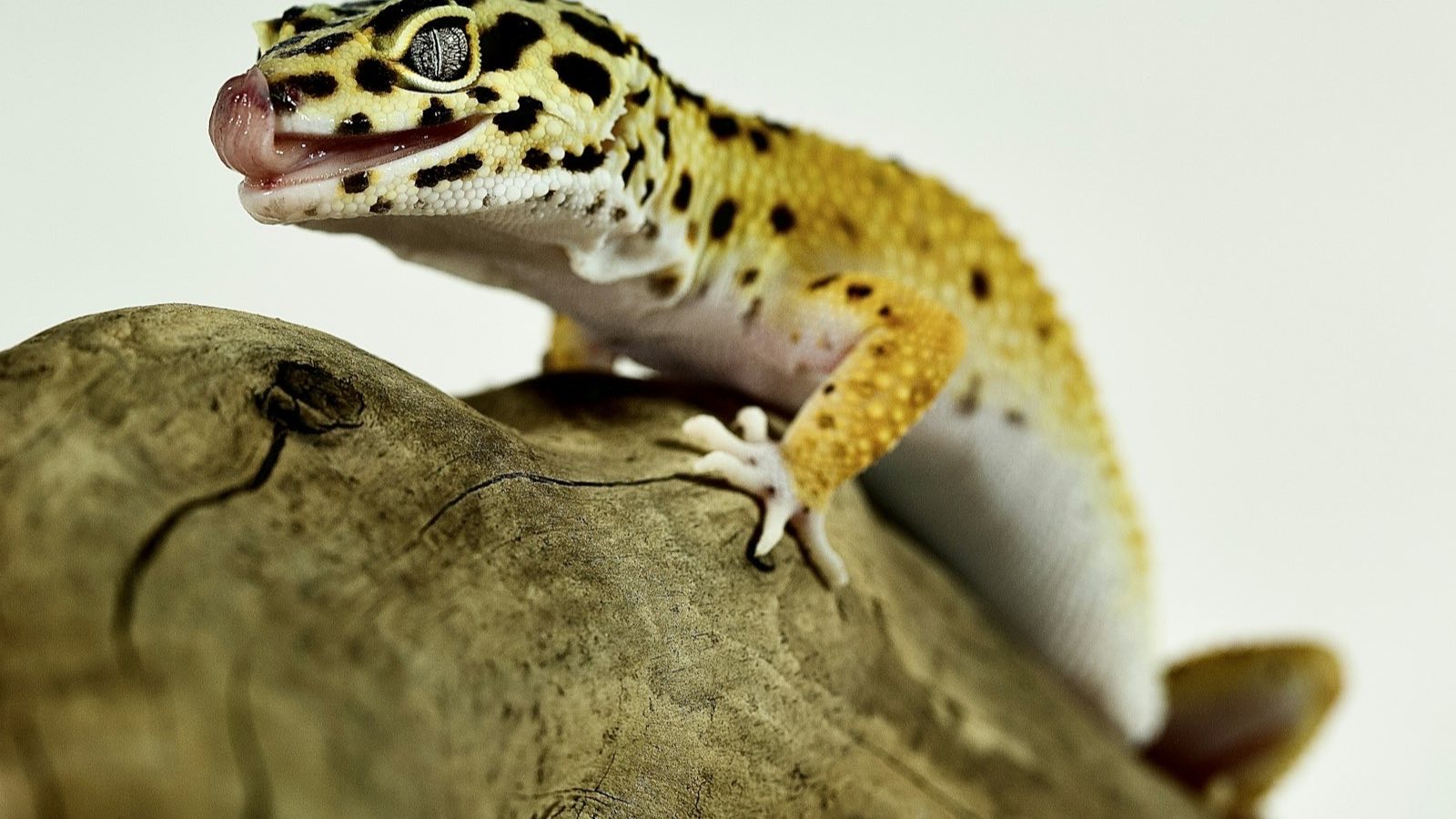
Diet is the number-one health lever for your reptile — and the product family with the loudest marketing. Our guides compare product types, teach you to read a label and give realistic price ranges, so you feed right without paying for the packaging.
The key point : For insectivores, a cricket is only as nutritious as what it ate (gut-loading), and calcium + D3 dusting is part of almost every meal.
Read first
Our dedicated guides
- Feeding a crested gecko: CGD powder, fruit and occasional insects
Feeding a crested gecko: why complete CGD powder remains the base diet, when to add insects, and how often to feed by age.
- Feeding a Green Anole: Which Insects, and How Often?
Small live insects, prey size and feeding frequency: the complete guide to feeding a green anole, a strict insectivore and a tiny lizard.
- Ball python refusing to eat: seasonal fasting or a real problem?
Understanding ball python (Python regius) fasting: the physiology behind it, common triggers for feeding refusal, and the signs that warrant concern.
- Feeding a blue-tongue skink: balancing an omnivore
What does a blue-tongue skink eat? Ratios of protein, vegetables and fruit, feeding frequency, calcium, and foods to avoid. The complete feeding guide.
- Feeding a Tortoise: The Greek and Hermann's Tortoise
What does a Greek or Hermann's tortoise eat? Wild plants, calcium/phosphorus ratio, cuttlebone and the mistakes to avoid for a healthy herbivorous tortoise.
- Feeding a Corn Snake: Prey Size and Frequency
What does a corn snake eat? Mouse size, feeding frequency by age, frozen or live prey and refusal to eat: the complete guide.
- Feeding tongs for reptiles: safety and good habits
Feeding tongs for reptiles: stainless steel or bamboo, ideal length, prices from 5 to 20 € and safety rules to avoid bites.
- Breeding your own feeder insects: a cricket bin for your reptiles
Setting up a cricket bin at home: 20 to 40 € of equipment, escape-proof ventilation, feeding and yield to supply a gecko or bearded dragon.
- Mealworms, superworms and gut-loading: feeding your feeder insects well
Mealworms and superworms for reptiles: differences, feeding frequency, prices and gut-loading to turn the insect into nutritious prey.
- Frozen prey for snakes: buying, storage and thawing
Frozen prey for snakes: where to buy pinkies and rats, prices from 0.50 to 4 € each, freezer storage and safe thawing.
- Black soldier fly (BSF) larvae for insectivorous reptiles: a real upgrade?
Black soldier fly larvae (Hermetia illucens) are popular with leopard gecko and bearded dragon owners. What the research actually says about their nutrient profile.
- Feeding an uromastyx: a desert herbivore unlike most other lizards
Unlike most terrarium lizards, the uromastyx is almost exclusively herbivorous as an adult. Which plants to favour, how often, and the pitfalls to avoid.
- Feeding a ball python: prey size and how often
How often to feed a ball python, what prey size to pick and when to space meals by age: the concrete pointers for a diet suited to this slow-metabolism snake.
- Feeding a Pacman frog: prey, size and frequency
An ambush predator with a huge mouth, the horned frog swallows large prey but gains weight fast. What prey, how much and how often, to avoid obesity.
- Feeding a bearded dragon: the right insect-to-greens ratio by age
Very carnivorous when young, more herbivorous as an adult: the bearded dragon changes diet as it grows. How to adjust the insect and plant share from juvenile to adult to avoid deficiencies and obesity.
- Feeding a Chinese water dragon: from insectivorous juvenile to omnivorous adult
Crickets, roaches, a little fish and some greens: the water dragon's diet changes with age. Frequency, calcium-D3 and prey variety to avoid deficiencies.
- Feeding a green iguana: which greens for a strict herbivore?
Dark leafy greens, edible flowers, a little fruit: an adult green iguana's diet is almost entirely plant-based. What to favour, classic pitfalls, and calcium-phosphorus ratio pointers.
- Feeding a Greek tortoise: which wild plants to favour?
Dandelion, plantain, clover: the Greek tortoise is a strict herbivore that copes poorly with excess protein and fruit. What a wild-diet study reveals about feeding one in captivity.
- Live or freeze-dried insects: what should you feed your reptile?
Live or freeze-dried insects for reptiles? Nutritional value, appeal, price per kilo compared, and when dried feeders can fill a gap.
- How much does a bearded dragon cost per month? Electricity, insects, the real budget
A bearded dragon costs 40 to 70 € per month: insects, greens, electricity, UVB consumables. The line-by-line breakdown and ways to save.
- Feeder insect prices: how to feed a reptile without going broke?
Crickets, roaches, worms: the real prices of feeder insects and 5 ways to halve the bill, from bulk buying to home breeding.
- Red-eared slider: should you cut back on animal protein as it ages?
Crickets, fish, carnivore pellets: a juvenile red-eared slider needs a lot of protein. What a landmark US study on growth and nutritional energetics in the species actually shows.
- Bearded dragon: why the insects' calcium-to-phosphorus ratio is never enough on its own
Crickets at 1:10, dubia roaches at 2:3: a 2024 veterinary review explains why no single feeder insect covers a bearded dragon's calcium needs on its own.
- Veiled chameleon: what a study on preventing metabolic bone disease reveals
A Swiss study split 56 juvenile veiled chameleons into six supplementation groups to identify the combination that actually prevents metabolic bone disease.
- Ball python: what a python digestion study changes about feeding frequency
A landmark study showed that pythons' digestive organs remodel dramatically after every meal, a mechanism that explains why spacing out prey matters so much for the ball python.
- What size insects should you feed your reptile at each age?
Cricket and worm size by reptile age: the rule of the eye gap, and why an oversized insect is dangerous.
- Uromastyx: what a digestion study changes about setting the basking spot after meals
A study showed that uromastyx seek out a higher temperature after eating, a postprandial thermophily behaviour that sheds light on how to manage the basking spot around feeding times.
- Corn snake: what a study on the metabolic cost of digestion changes about meal size
A study measured the specific dynamic response of corn snakes after a meal: an individual's response is remarkably repeatable from one meal to the next, with implications for choosing prey size.
- Blue-tongued skink: what a study on prey capture changes about how it eats
A study filmed slow-motion capture of mealworms and crickets in the blue-tongued skink: the tongue and jaws are not used the same way depending on the prey, a useful benchmark for varying feeding.
- Uromastyx: what a study on microbial digestion changes about its fiber-rich plate
An Israeli study measured how a uromastyx digests cellulose thanks to gut bacteria. Reason enough to rethink dry fiber versus waterlogged salad greens.
- Savannah monitor: what a study on its digestion changes about feeding frequency
A study tracked the savannah monitor's digestive physiology for five days after a meal worth 10% of its body weight. Reason enough to space out its meals.
- Argentine tegu: what a study on winter brumation changes about its feeding schedule
A study measured an active rise in the tegu's body temperature during the breeding season, followed by a long winter dormancy. Reason enough to adjust its feeding through the seasons.
- Calcium and vitamins for reptiles: how do you dose the powder correctly?
Calcium and vitamin powder for reptiles: how often to dust prey depending on age and species, and the dosing mistakes to avoid.
- Should you vary the insects you feed an insectivorous reptile?
Insect variety for insectivorous reptiles: why sticking to crickets alone falls short, and how to rotate prey without complicating feeding.
- Probiotics in red-eared sliders: what real effect on the shell, according to a study
A Polish study tested probiotics in young red-eared sliders over 20 weeks, measuring gut microbiota, intestinal histology and shell mineralization.
- Feeding a young boa weekly versus every two weeks: the measured growth gap
A study compares two feeding regimes at strictly equal total food mass in juvenile Boa constrictor. Meal frequency, not just volume, changes how fast they grow.
- The leopard gecko is nocturnal, but it still makes vitamin D3 from UVB
A 2020 study measures serum vitamin D3 in young leopard geckos exposed or not to low-level UVB. The result nuances the idea that a nocturnal species only needs dietary supplementation.
- Green iguana: why a hatchling eats an adult's droppings, according to a study
An adult green iguana digests grass thanks to bacteria it doesn't have at birth. A landmark study explains how a hatchling acquires them, and why.
- Does a tokay gecko prefer bigger prey? What a two-choice study found
Small cricket or large one: a study placed tokay geckos in front of a prey-size choice. The result nuances the idea of a predator that always calculates the best meal.
- Sulcata tortoise: does pyramiding really come from protein? What a study found
Excess dietary protein is often blamed for shell pyramiding in the sulcata tortoise. A landmark study points to a different, more decisive factor.
- Day gecko: why nectar colour matters more than taste, according to a study
A South African study tested the artificial nectar preferences of the giant day gecko. Colour carries more weight than expected, and a trace of toxin does not always put it off.
- Green tree python: why its diet shifts along with its colour
An Australian study links the green tree python's colour change at adolescence to a dietary shift, from cold-blooded prey to warm-blooded prey.
- Reptile refusing to eat: common causes before you worry
Reptile refusing to eat: the most common causes (temperature, shedding, brumation) before you worry, and when to see an exotics vet.
- Feeding a chameleon: insects, gut-loading and carotenoid intake
Feeding a chameleon: which insects to offer, why gut-loading is essential, and the role of carotenoids in coloration and health.
- Feeding a leopard gecko: crickets, worms, calcium and D3 done right
Which insects to feed a leopard gecko, how often, and how to dose calcium and vitamin D3: the feeding guide for insectivorous reptiles.
- Water bowls and soaking dishes for reptiles: size, material and upkeep
Which water bowl for a leopard gecko, a corn snake or a tortoise? Size, material, placement and upkeep for consistently clean water.
Food breed by breed: every reptile profile covers this product family with that species’ own figures.