Water bowls and soaking dishes for reptiles: size, material and upkeep
Published by Planète Pets · managing editor: Clément Lacaille · how our guides are written
The water bowl looks like the most mundane accessory in the terrarium. Yet it is one of those that influence daily hygiene the most: too large, it drives humidity up; unstable, it floods the substrate; poorly cleaned, it turns into a culture broth where bacteria and protozoa thrive. Here is how to choose wisely, species by species, and establish a maintenance routine that lasts.
Contents · 5 sections
The right size for the animal
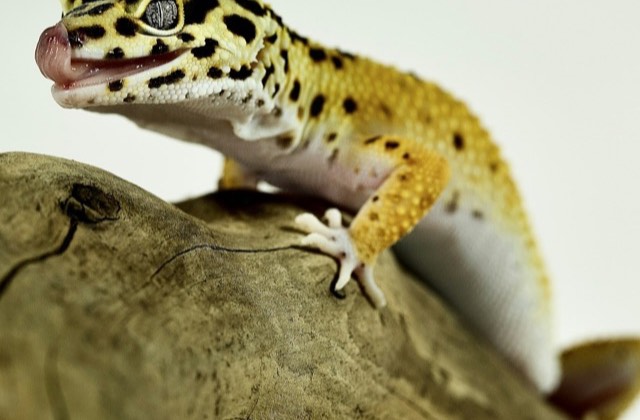
- Leopard gecko: a small, shallow dish (6 to 10 cm across) is enough; it drinks little and does not bathe.
- Bearded dragon: a low, wide bowl; many individuals mostly drink droplets, but water must nonetheless be available at all times.
- Corn snake: a basin large enough for it to coil up in entirely, a frequent behaviour before shedding.
- Tortoise: a very flat saucer with gently sloping edges, which it can walk into and out of without ever risking flipping over.
Water depth should never exceed the height of the animal’s chin at rest: a terrestrial reptile can drown in a few centimetres of water.
Resin, ceramic or stainless steel: which material?
Rock-effect resin bowls (5 to 20 € from Exo Terra, Zoo Med and others) blend into the decor and are stable; check for rough spots that harbour biofilm. Ceramic is heavy, hence impossible to tip over, and dishwasher-safe. Stainless steel is the most hygienic but slides on glass. Avoid thin plastic dishes, which are light and quickly scratched — scratches shelter bacteria.
Where to place the water point?
Always in the cool zone, never under the lamp or on the heat mat: warm water evaporates quickly, skews the humidity and encourages bacteria. Seat the bowl on packed substrate or on a tile to prevent spills — a point covered in detail in our substrate guide. If humidity climbs too high, reduce the water surface before touching the misting.
Upkeep, no compromise
Replace the water every day, even if it looks clean: reptiles and insects bathe in it and leave droppings and bacteria behind. A weekly scrub with hot water and a dedicated brush, plus a monthly disinfection (well-rinsed white vinegar or a reptile-safe disinfectant), is enough to keep the water healthy. Two identical bowls used in rotation make the routine vastly easier: while one dries after disinfection, the other is in service.
The Planète Pets recap
A stable, shallow bowl, placed in the cool zone and washed daily: that is the formula. Our test benches of bowls, calcium dishes and basins live in the food section of the reptile hub.
An accessory from our shop for this use: Ventilated clear box for feeder insects, transport and quarantine, 19 cm (€17.90) · the whole shop
This guide is part of Planète Pets’s Reptiles universe. Our advice is general in nature: for any health concern, your veterinarian remains the only reference.