Breeding your own feeder insects: a cricket bin for your reptiles
Published by Planète Pets · managing editor: Clément Lacaille · how our guides are written
Setting up a cricket bin at home costs 20 to 40 € in equipment and cuts a gecko's or bearded dragon's insect budget by a factor of three to five. A well-run colony supplies crickets of every size continuously, better fed — and therefore more nutritious — than those sold in pet-shop tubs at 4-6 € for a few dozen.
Contents · 5 sections
What equipment do you need to start a cricket bin?
A large 50 to 80 litre plastic tub with smooth walls, a lid with a wide cut-out replaced by fine metal mesh (crickets chew through plastic screen), stacked egg cartons as shelter, two dishes (food and water gel) and a laying tray of moist potting soil. Below 25 °C growth slows sharply: a small heat mat stuck to one side of the tub, regulated, maintains 28-30 °C.
How do you start and maintain the colony?
- Starter stock: 50 to 100 adult crickets (8-12 €), Acheta domesticus or Gryllus assimilis;
- Moist laying tray renewed weekly, incubated separately to protect the eggs;
- Varied food: bran, crushed kibble, fresh vegetables — the foundation of gut-loading;
- Water gel or a sponge, never an open water dish where they drown;
- Weekly cleaning: remove dead insects and leftovers to limit odours and mites.
What yield can you expect to feed your reptiles?
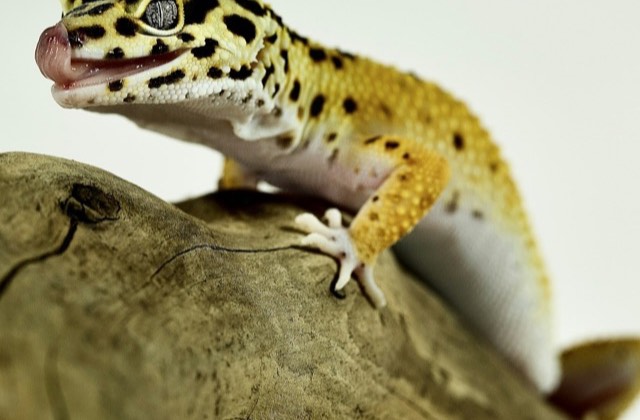
One female lays several hundred eggs; at 28 °C, hatching occurs in about ten days and the crickets are feedable within four to six weeks depending on the size you want. A colony of 100 breeders easily covers the needs of a leopard gecko or a young bearded dragon, whose insect and calcium diet requires well-fed prey dusted before serving, ideally with feeding tongs.
How do you limit noise and escapes?
Only adult males chirp: harvest them first for feeding, or set the tub up in a temperate garage. Against escapes, apply petroleum jelly to the top 10 cm of the walls and keep the lid snug. More feeding tips on the reptile hub, in the food category.
Frequently asked questions
How long does a cricket live?
Two to three months as an adult. Regularly replace your breeders from your own hatchlings to keep the colony productive.
Can wild-caught crickets supplement the colony?
Not recommended: wild insects mean pesticides and parasites. Stick to your own breeding stock or insects from a controlled source.
See it in the Planète Pets shop: Ventilated clear box for feeder insects, transport and quarantine, 19 cm (€17.90) · the whole shop
This guide is part of Planète Pets’s Reptiles universe. Our advice is general in nature: for any health concern, your veterinarian remains the only reference.