🐕Dogs: buying guides and gear

The dog is the most popular pet in Europe — and the one with the widest, most uneven range of gear. Kibble, harnesses, beds, crash-tested car crates: Planète Pets breaks down every product family, compares the options and helps you buy once, but buy right.
💶 Typical budget: €50–150 per month depending on size, vet bills excluded.
🛡️ Health budget: our guide to dog insurance in france: prices, refunds, how to choose.
Product families
-
🍖
Food
36 dedicated guides
-
🧴
Care & grooming
81 dedicated guides
-
🎾
Toys & enrichment
32 dedicated guides
-
🏠
Bedding & habitat
20 dedicated guides
-
🧳
Travel & safety
25 dedicated guides
-
🧰
Accessories
27 dedicated guides
By breed or species (60)
- Labrador Retriever
- Golden Retriever
- German Shepherd
- Australian Shepherd
- Border Collie
- Belgian Malinois
- Staffordshire Bull Terrier
- American Staffordshire Terrier
- French Bulldog
- English Bulldog
- Pug
- Chihuahua
- Yorkshire Terrier
- Jack Russell Terrier
- Shih Tzu
- Maltese
- Bichon Frise
- Poodle
- Lhasa Apso
- Cavalier King Charles Spaniel
- English Cocker Spaniel
- Brittany Spaniel
- English Springer Spaniel
- Beagle
- Basset Hound
- Dachshund
- Dalmatian
- Boxer
- Rottweiler
- Doberman
- Great Dane
- Dogue de Bordeaux
- Cane Corso
- Bernese Mountain Dog
- Newfoundland
- Saint Bernard
- Leonberger
- Great Pyrenees
- Siberian Husky
- Alaskan Malamute
- Samoyed
- Akita
- Shiba Inu
- Chow Chow
- Pomeranian
- Eurasier
- German Shorthaired Pointer
- English Pointer
- English Setter
- Vizsla
- Weimaraner
- Rhodesian Ridgeback
- Whippet
- Greyhound
- West Highland White Terrier
- Scottish Terrier
- Fox Terrier
- Miniature Schnauzer
- Bull Terrier
- Shar-Pei

All our guides
- No-pull front-clip harness for dogs: what does the science actually show?Accessories
Front-clip no-pull harness for dogs: what a recent study measured on pulling force, compared with a plain collar and a prong-style collar.
- Why does my dog eat grass? What the research actually saysCare & grooming
Dog eating grass: what two studies show about how common the behavior is, its link with vomiting, and the cases that should raise concern.
- Reflective vest vs light-up collar for dogs: what's the real difference?Accessories
Dog visibility at night: what pedestrian-conspicuity research reveals about the real gap between a reflective vest and a light-up collar.
- Anxious dog in the car: motion sickness or real fear of the ride?Travel & safety
Dog car travel anxiety: what a veterinary study shows about the signs of travel-related problems and the factors that explain them best.
- BARF raw diet for dogs: what are the real benefits, what are the real risks?Food
Raw BARF diet for dogs: what studies actually show about the claimed benefits, bacterial risk, and real nutritional balance.
- Separation anxiety in dogs: what does research show, what actually helps?Care & grooming
Dog separation anxiety: what a veterinary study reveals about how common it is, its risk factors, and the solutions that actually work.
- Mental activities for dogs in winter: which indoor games actually work?Toys & enrichment
Winter mental enrichment for dogs: what a study shows about scent games and indoor activities that make up for shorter walks.
- Microchip or tattoo: which ID actually gets a lost dog home?Travel & safety
Dog identification: what a study shows about return-to-owner rates depending on whether the dog is microchipped or not.
- Feeding a border collie: fuelling a very active dogFood
What should you feed a border collie? High energy needs, protein, portions by activity level, and weight management. The working-dog feeding guide.
- Alaskan malamute coat care: managing the double coatCare & grooming
How do you care for an Alaskan malamute's coat? Brushing the double coat, handling the two annual moults, bathing, and why you must never shave it.
- Grain-free or classic dog food: what's the real difference?Food
Grain-free or classic kibble for your dog: the real nutritional difference, the taurine and heart-disease link, and how to choose without following marketing claims.
- Outdoor dog house: how to choose one for your climateBedding & habitat
Dog house for an outdoor dog: size, insulation against cold, protection from summer heat. The complete guide to choosing one that fits your climate.
- Pet insurance for dogs: how much does it cost, and is it worth it?Care & grooming
Dog health insurance: average prices by plan, the cases where it truly pays off, and what it usually doesn't cover. The budget guide to deciding with confidence.
- Attaching your dog's leash to your bike: why it's dangerousTravel & safety
Attaching a dog's leash directly to a bike is risky for both rider and dog. What can go wrong, and which safe bikejoring attachments exist instead.
- Dogs and working from home: keeping them occupied during the dayToys & enrichment
Working from home with a dog: how to structure the day, avoid new dependency, keep them occupied during calls, and spot early signs of distress.
- Toys and Enrichment for a German Shepherd: Keeping a Working Dog BusyToys & enrichment
How do you keep a German shepherd busy? Tough toys, scent games, obedience work: the right enrichment for a clever, high-energy dog.
- Siberian Husky Coat Care: Shedding and the Double CoatCare & grooming
How do you care for a Siberian husky's coat? Brushing the double coat, managing seasonal shedding, and why you must never shave it.
- Which Toys for a Strong, Playful Staffordshire Bull Terrier?Toys & enrichment
Which toys survive a Staffordshire bull terrier? Ultra-tough models, supervised tug games, and chewing outlets for a powerful dog.
- Australian Shepherd Coat Care: Brushing and SheddingCare & grooming
How do you care for an Australian shepherd's coat? Regular brushing, managing undercoat shedding, the right tools and why you should never shave this double-coated dog.
- Toys and Enrichment for a Malinois: Channelling a Working DogToys & enrichment
How do you keep a Malinois busy? Tough toys, search games and mental enrichment to channel the energy of this intense working dog and avoid problem behaviour.
- Feeding a French Bulldog: A Brachycephalic, Sensitive DogFood
What should you feed a French bulldog? Weight control, easy digestion, skin allergies and the right bowl for this small brachycephalic breed.
- Feeding a Cavalier King Charles: Heart and Waistline FirstFood
How should you feed a Cavalier King Charles? Weight control to protect the heart, the ration of a greedy small breed and a gentle diet transition.
- Feeding a Shih Tzu: Small Breed, Long Coat and AppetiteFood
What should you feed a Shih Tzu? A small dog's ration, kibble sized for a short muzzle, coat support and managing tear stains through diet.
- Feeding a Dogue de Bordeaux: Growth and Mastiff NeedsFood
How should you feed a Dogue de Bordeaux? Controlled growth for the giant puppy, split meals against bloat, joints and a healthy adult weight.
- Feeding a Lhasa Apso: A Small Breed With a Long CoatFood
What should you feed a Lhasa Apso? The ration of a low-energy small dog, suitable kibble, long-coat support and weight-gain prevention.
- Feeding a Labrador: A Genetic Predisposition to ObesityFood
Why does the Labrador gain weight so easily? The role of the POMC gene, weighing the ration, and keeping an active, lean dog.
- Bedding for a Dachshund: Protecting a Long Back From Disc DiseaseBedding & habitat
How should you set up a Dachshund's bedding and home? Avoiding jumps, choosing a bed and ramps suited to a long body prone to intervertebral disc extrusion.
- Grooming an English Cocker Spaniel: Floppy Ears to WatchCare & grooming
How should you care for an English Cocker Spaniel's ears? Why its long, floppy ears favour ear infections, and the right cleaning routine.
- Toys and Enrichment for a Beagle: Putting That Nose to WorkToys & enrichment
How do you keep a Beagle occupied through its exceptional sense of smell? Scent games, tracking trails and enrichment to channel this escape-prone pack dog.
- Grass awns and foxtails: the summer danger every dog owner should knowCare & grooming
Grass awns migrate into a dog's skin, ears and paws in summer. Why it is an emergency, how to check your dog and when to see the vet.
- Hot pavement: protecting your dog's paws in summerTravel & safety
In summer, pavement can top 50 °C and burn a dog's paw pads in seconds. How to test the ground, adjust walk times and protect the paws.
- Nail grinder or clippers: which option for a dog who hates it?Care & grooming
Overgrown nails, a dog who panics the moment the clippers come out: is a nail grinder really gentler? Pros, limits and a method for a stress-free session.
- Probiotics for dogs: real usefulness and when to consider themFood
Do dog probiotics live up to the claims? What a randomized shelter study found, and the concrete situations where they show a proven benefit.
- Post-surgery cone: dog welfare and alternativesAccessories
A cone protects a wound but hurts a dog's comfort according to most owners surveyed in one study. How to limit its impact and what alternatives exist.
- Cognitive decline in senior dogs: the enrichment that slows symptomsToys & enrichment
Disorientation, disrupted sleep, a senior dog who seems elsewhere: cognitive decline is common and under-diagnosed. What research shows about enrichment as protection.
- Which senior dog food should you choose? The complete guideFood
Protein, phosphorus, joints, palatability: how to choose senior dog food suited to an ageing dog, and how much it costs.
- Large breed dog food: steady growth and a sensitive stomachFood
Calcium-to-phosphorus ratio, kibble size, bloat prevention: how to choose large breed dog food, from puppyhood to adulthood.
- Wet or dry dog food: which should you feed day to day?Food
Hydration, palatability, budget, tartar: wet or dry dog food, the pros and cons of each option, and why mixed feeding is worth considering.
- Automatic dog feeder: which one should you choose?Food
Capacity, scheduling, anti-jam mechanism, backup battery: how to choose an automatic dog feeder to match your daily routine.
- Lick mat for dogs: the anti-stress accessory worth adopting?Toys & enrichment
Why licking soothes, which toppings to use, silicone or rigid plastic: how to choose a lick mat for your dog and use it safely.
- Kong-style stuffable dog toy: how do you pick the right one?Toys & enrichment
Toughness levels, sizes, filling ideas, freezing: everything you need to choose a Kong-style stuffable toy and keep your dog busy the smart way.
- Dog puzzle toys: brain games worth playingToys & enrichment
Difficulty levels, materials, mistakes to avoid: how to choose a dog puzzle toy and work your dog's nose without frustrating it.
- Puppy playpen: choosing a secure indoor penBedding & habitat
Height, materials, floor space, house-training: how to choose a puppy playpen and use it without turning it into a prison.
- Orthopedic bed for an older dog: a real boost for its jointsBedding & habitat
Memory foam, thickness, washable cover: how to choose an orthopedic bed for an ageing or arthritic dog, and what it costs.
- Dog ramp or stairs: reaching the car and the sofa without injuryTravel & safety
Incline, non-slip surface, maximum load: how to choose a dog ramp or steps suited to the car, the bed or the sofa.
- Dog boots: protecting paw pads from road salt, snow and hot asphaltCare & grooming
Sole, fit, exact sizing: how to choose dog boots and protect paw pads against de-icing salt, snow and scorching asphalt.
- Dog life jacket: essential for boating and swimming?Travel & safety
Buoyancy, grab handle, size and adjustments: how to choose a dog life jacket for boating, paddleboarding or sporty swims.
- Small dog carrier bag: choosing the right one for trains, the metro and city lifeTravel & safety
Approved dimensions, ventilation, comfort: how to choose a small dog carrier suited to trains, public transport and city journeys.
- Canicross and bikejoring gear: the essential kit for running with your dogAccessories
Pulling harness, bungee line, running belt, bikejoring bar: which canicross gear to choose to run or ride with your dog safely.
- Tracking line for dogs: choosing the right one to start scent sportsAccessories
Length, material, biothane or nylon: how to choose a tracking line for your dog and get started in mantrailing or search work.
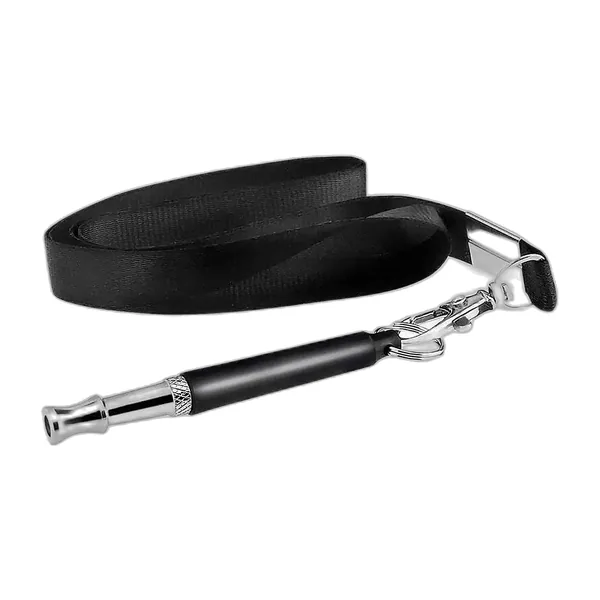
- Dog whistle: the most reliable tool for training recall?Accessories
Ultrasonic or audible whistle, fixed frequency, conditioning method: how to choose a dog whistle and build a rock-solid recall on walks.
- Dog walking accessories: the checklist for the perfectly equipped walkAccessories
Poop bag dispenser, safety light, treat pouch, water bottle: the dog walking accessories that are genuinely useful, and their real cost.
- Dog safety gate: securing the stairs and rooms of the houseTravel & safety
Pressure-mounted or screw-fitted, height, adjustable width: how to choose a dog safety gate to protect the stairs, kitchen or bedroom.
- Dog cooling mat: genuinely useful or a heatwave gimmick?Bedding & habitat
Self-cooling gel, size, scratch resistance: how to choose a dog cooling mat and protect your companion during a heatwave.
- Camera for a dog home alone: watch and reassure from a distanceAccessories
Night vision, two-way audio, treat launcher: how to choose a camera for a dog home alone and spot barking or separation anxiety.
- Essential gear for the German Shepherd, an active working dogAccessories
The German Shepherd is an energetic, intelligent dog prone to certain joint problems. Which gear to choose to channel its energy and protect its joints.
- Deworming a dog: how often, and how to do it stress-freeCare & grooming
Roundworm, tapeworm: intestinal parasites affect a sizeable share of dogs, even well-monitored adults. Recommended frequency and methods to give a dewormer without a fight.
- Dog muzzle: when it's needed and how to get your dog used to it stress-freeTravel & safety
Public transport, the vet, certain regulated breeds: a muzzle is sometimes required. How to choose the right type and desensitise a dog that refuses to wear one.
- Poop bag dispenser for dogs: which one should you choose?Accessories
Consistently picking up waste limits the spread of parasites transmissible in public spaces. Which dispenser keeps you from ever leaving home without a bag.
- Car seat cover for dogs: how to choose the right oneTravel & safety
Fur, scratches, mud: the back seat takes a beating with a dog on board. What to look for in a genuinely protective cover, and why it's no substitute for a safety harness.
- Bathing glove for dogs: does it really groom better at shampoo time?Care & grooming
Rubber glove versus a plain soapy hand: the choice affects both how well the wash works and how a sometimes reluctant dog experiences bath time.
- Dog sick in the car: understanding and beating motion sicknessTravel & safety
Drooling, panting, vomiting: motion sickness mainly affects young dogs. Step-by-step habituation, boot setup and gestures that reduce nausea.
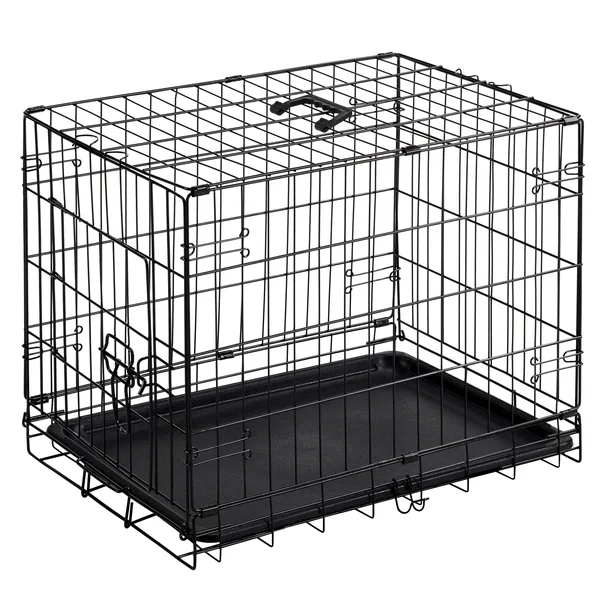
- Crate training a puppy: teaching the crate without forcingBedding & habitat
Done well, the crate becomes a reassuring den, not a prison. Choosing the size, linking the crate to positives and avoiding the mistakes that turn it into punishment.
- Prescription veterinary dog food or regular kibble: when does the difference really matter?Food
Chronic kidney disease, urinary stones, confirmed allergies: when is prescription veterinary food actually necessary, and how does it compare to premium regular kibble?
- Which clippers should you choose to groom your dog at home?Care & grooming
Short coat, long coat or double coat: the criteria for choosing home clippers, cutting your grooming budget and avoiding mistakes that damage the coat.
- Boarding your dog for the holidays: kennel, foster family or pet-sitter?Travel & safety
Going away without your dog: comparing boarding kennels, foster families and home pet-sitters to choose the calmest option for your dog's temperament and your budget.
- A toy too small for your dog: the choking risk many owners overlookToys & enrichment
A toy that is the wrong size for your dog's jaw can cause choking or ingestion. The size and durability criteria to check before buying, and the right reflexes in an emergency.
- Adopting an adult shelter dog: what equipment to buy first, and what budget to plan?Accessories
Unlike a puppy, an adult dog adopted from a shelter often already has habits. What equipment should you prioritise, in what order, and for what starting budget?
- Feeding a dalmatian: why purines need limitingFood
Dalmatians metabolise purines poorly and form urate stones. Suitable kibble, foods to avoid and hydration: the rules of a safe ration.
- Tough toys for a cane corso: equipping a powerful jawToys & enrichment
Solid rubber, XL sizes, stuffable toys: how to pick toys that survive a cane corso without any swallowing risk, and which ones to avoid.
- Feeding a rottweiler: lowering the risk of bloat (GDV)Food
Split meals, a floor-level bowl, no exercise right after eating: the habits that reduce the risk of gastric dilatation-volvulus in the deep-chested rottweiler.
- Bedding for a greyhound: why the padding needs to be thickBedding & habitat
Very little body fat, prominent joints: greyhounds develop pressure sores fast on hard floors. How thick a bed should be and which material to pick.
- Caring for a shar-pei's skin folds: the anti-dermatitis routineCare & grooming
The shar-pei's signature folds trap moisture easily. Cleaning frequency, drying and suitable products: the routine that prevents skin fold dermatitis.
- Toys for a jack russell terrier: channelling the hunting instinctToys & enrichment
Bred to hunt by scent and pursuit, the jack russell terrier needs toys that occupy that instinct, not just its physical energy.
- Bernese mountain dog: the health issues to anticipate and the budget to planCare & grooming
The Bernese mountain dog is endearing but fragile: cancer, dysplasia and a short lifespan weigh on the care budget. What to anticipate before you adopt.
- Border collie: genetic conditions, DNA tests and health budgetCare & grooming
The border collie is robust but carries several DNA-testable hereditary diseases. Which to watch, how to prevent them and what budget to plan.
- Weimaraner: bloat, bone disease and fragilities to knowCare & grooming
The Weimaraner combines two notable risks: gastric dilatation-volvulus and puppy hypertrophic osteodystrophy. What to watch and budget for.
- Saint Bernard: a giant dog's health, what to anticipateCare & grooming
The Saint Bernard pays for its giant size with a short lifespan and joint and digestive risks. The health items to anticipate and the care budget to plan.
- Newfoundland: heart, urinary stones and hips to watchCare & grooming
The Newfoundland carries three hereditary predispositions: aortic stenosis, cystinuria and hip dysplasia. What to screen for and the care budget to plan.
- Rottweiler: bone, joints and neutering, what to anticipateCare & grooming
The rottweiler is prone to bone cancer, cruciate ligament rupture and a puppy neurological disease. What the science says and the care budget to plan.
- Shiba inu: eyes, skin and hereditary conditions to anticipateCare & grooming
The shiba inu is hardy but prone to glaucoma, atopic dermatitis and a hereditary storage disease. What to watch and the health budget to plan.
- Golden retriever: the cancer risk to know before you adoptCare & grooming
The golden retriever carries one of the highest cancer risks of any dog breed. What genetic research shows and the care budget to plan.
- Boxer: heart and colon, the hereditary fragilities to anticipateCare & grooming
The boxer combines two well-documented predispositions: a hereditary heart disease and an inflammatory colitis almost exclusive to the breed. What to know before you adopt.
- Chihuahua: knees, fontanelle and small size, what to anticipateCare & grooming
The chihuahua is prone to patellar luxation and sometimes has an open fontanelle worth watching. What research shows and the care budget to plan.
- Yorkshire terrier: trachea and teeth, the fragilities to anticipateCare & grooming
The Yorkshire terrier is the breed most affected by tracheal collapse and also faces early dental problems. What to watch and the budget to plan.
- Poodle: skin and sebaceous adenitis, a condition worth knowingCare & grooming
The standard poodle is among the breeds most affected by sebaceous adenitis, a chronic skin disease. What research shows and the care budget to plan.
- Australian Shepherd: the MDR1 mutation that changes drug toleranceCare & grooming
The Australian Shepherd is one of the breeds where the MDR1 mutation is common, carrying a risk of severe toxicity to certain everyday medications. What the genetics show and how to adapt veterinary care.
- Basset Hound: why those floppy ears need particular careCare & grooming
The Basset Hound combines long, floppy ears with a poorly ventilated ear canal, a breeding ground for recurring ear infections. What veterinary research shows and how to cut down on flare-ups.
- Brittany Spaniel: putting that nose to work with scent enrichmentToys & enrichment
The Brittany Spaniel, a scenting gun dog through and through, gets particular benefit from nose games. What research on scent and canine behaviour shows.
- Pugs and heatstroke: a very real risk, per UK vetsCare & grooming
The Pug ranks among the breeds most at risk of heatstroke, reaching danger levels at only moderate temperatures. What a large veterinary study shows and how to prevent the emergency.
- Doberman: dilated cardiomyopathy and why early screening mattersCare & grooming
The Doberman is one of the breeds most affected by dilated cardiomyopathy, a disease that can progress for years without visible symptoms. What a landmark German study shows and why regular screening changes the outlook.
- English Bulldog: understanding brachycephalic obstructive airway syndromeCare & grooming
The English Bulldog is one of the breeds most affected by the obstructive breathing syndrome linked to its build. What a landmark PLOS ONE study shows and how to ease breathing difficulty day to day.
- Bull Terriers and tail-chasing: what research reveals about this compulsive behaviourToys & enrichment
The Bull Terrier is notably overrepresented among dogs that develop compulsive tail-chasing. What a US veterinary study shows and how enrichment helps ease the behaviour.
- Leonberger: genetic polyneuropathy and the value of DNA screeningCare & grooming
The Leonberger is one of the few breeds where a hereditary polyneuropathy has been pinned down at the genetic level. What an international study shows and how a DNA test helps guide breeding and monitoring.
- Kibble or a home-cooked diet for your dog: which should you choose?Food
Nutritional balance, preparation time, monthly cost: kibble or a home-cooked diet, the honest comparison to help you choose the right way to feed your dog.
- Stainless steel or ceramic dog bowl: the full head-to-headAccessories
Hygiene, stability, durability, price: stainless steel or ceramic bowl for your dog, this comparison details the strengths and weaknesses of each material.
- Retractable or standard leash: which one for your dog?Travel & safety
Safety, leash training, comfort in town: retractable or standard leash, the comparison to choose the right lead for your dog and your walks.
- Plastic dog bed or cushion: which should you go for?Bedding & habitat
Hygiene, comfort, destructive chewers, budget: plastic bed or cushion for your dog, the comparison to choose bedding suited to their profile and your home.
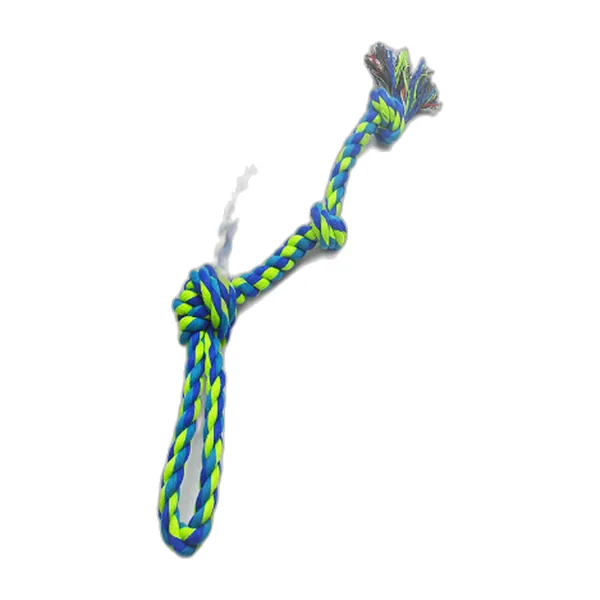
- Rope or rubber dog toy: which should you favour?Toys & enrichment
Chewing, sturdiness, ingestion risks, price: rope or rubber toy, the comparison to give your dog a toy matched to their jaw and their play style.
- First puppy: the 7 equipment mistakes to avoidAccessories
Oversized bed, unsuitable collar, dangerous toys, pointless purchases: the first-puppy equipment mistakes that cost dearly, and how to avoid them from adoption day.
- Choke collar for dogs: why it is a bad idea in disguiseTravel & safety
Risks to the windpipe, contested effectiveness, modern alternatives: the choke collar for dogs is a bad idea in disguise, here are the solutions that actually work.
- Trimming your dog’s nails yourself: good or bad idea?Care & grooming
Equipment, technique, risks of cutting too short, groomer prices: should you trim your dog’s nails yourself or delegate, and how to go about it without hurting them.
- Should you leave dog toys out all the time? A trainer-backed answerToys & enrichment
Should you leave dog toys out all the time, or put them away? Why toy rotation works, which toys are safe to leave out (day and night), and a simple method.
- Feeding a puppy: 8 common mistakes to avoidFood
Abrupt food changes, cow’s milk, cooked bones, overfeeding, calcium: the most common puppy feeding mistakes and how to feed a young dog properly.
- How much does a puppy cost in the first year? The detailed budgetAccessories
Equipment, food, vet care, identification: a puppy’s first-year budget line by line, from 1,200 to 2,800 euros depending on size and your choices.
- Cheap or premium kibble: what are you really paying for?Food
Composition, digestibility, actual quantities, cost per day: cheap or premium kibble for your dog, the comparison that recalculates the true price of the bowl.
- Dog grooming budget: salon or at home, how much does it cost?Care & grooming
Salon prices by size, cost of home equipment, frequency by coat type: a dog’s yearly grooming budget and smart ways to bring it down.
- Second-hand dog equipment: smart move or false bargain?Accessories
Crate, playpen, coat, toys: which dog equipment to buy second-hand without risk, what to refuse outright, and how much you can save on used gear.
- What budget for your dog’s bed? Prices and lifespanBedding & habitat
Basket, cushion, orthopaedic mattress: a dog’s bedding budget by size and age, realistic prices by range and the traps that make you pay twice.
- Dogs in flats: the essential equipment for a good lifeBedding & habitat
Quiet sleeping spot, occupation, house-training, neighbours: apartment dog equipment room by room, with realistic budgets and the mistakes that spoil cohabitation.
- Preparing your dog for a baby’s arrival: equipment and methodTravel & safety
Gates, refuge zone, new rules, safety: how to prepare your dog for a baby’s arrival during pregnancy, with the useful equipment and the mistakes to avoid.
- Moving house with your dog: equipment and stress-free organisationTravel & safety
Safe transport, refuge room, familiar landmarks, updating identification: how to move house with your dog serenely, from moving day to the first weeks.
- Senior dogs: adapting everyday equipment and careCare & grooming
Suitable bedding, non-slip floors, more frequent grooming, mobility aids: how to adapt a senior dog’s equipment to preserve its everyday comfort.
- Going on holiday with your dog: the complete equipment checklistTravel & safety
Transport, documents, first-aid kit, everyday gear: the checklist for going on holiday with your dog, with budgets and the pitfalls of summer and winter alike.
- Great Dane: what research reveals about bloat and feeding-related risk factorsFood
The Great Dane carries one of the highest lifetime risks of gastric dilatation-volvulus among dog breeds. What a landmark US study shows about feeding practices and how to adapt daily meals.
- Samoyed: X-linked hereditary nephritis and the value of genetic screeningCare & grooming
The Samoyed gave rise to a landmark genetic model for X-linked hereditary nephritis. What a study published in PNAS shows and why screening matters especially for this breed.
- Miniature Schnauzer: hypertriglyceridemia and what it means for dietFood
The Miniature Schnauzer shows an unusually high prevalence of hypertriglyceridemia, often silent. What a US veterinary study shows and how to adapt feeding to limit the associated risks.
- West Highland White Terrier: idiopathic pulmonary fibrosis, a breed-specific diseaseCare & grooming
The West Highland White Terrier is the breed most associated with a form of chronic pulmonary fibrosis. What a landmark UK study shows and the signs that should raise a flag day to day.
- Doberman: dilated cardiomyopathy and the value of regular screeningCare & grooming
The Doberman carries one of the highest prevalence rates of dilated cardiomyopathy among dog breeds. What a landmark German study shows and why regular cardiac screening makes a real difference.
- Rhodesian Ridgeback: dermoid sinus, a malformation linked to the breed's ridgeCare & grooming
The Rhodesian Ridgeback's signature ridge shares its genetic origin with a congenital malformation, dermoid sinus. What a landmark Swedish study published in Nature Genetics shows.
- English Cocker Spaniel: what research says about aggression and how enrichment helpsToys & enrichment
The English Cocker Spaniel is linked to a higher rate of aggression than other spaniel breeds in several behavioural studies. What a landmark UK study shows and the role of daily enrichment.
- Whippet: the myostatin mutation and what it means for feedingFood
Some Whippets carry a genetic mutation that markedly increases muscle mass and racing performance. What a study published in PLoS Genetics shows and its impact on nutritional needs.
- Scottish Terrier: bladder cancer and the role of herbicide-treated lawnsCare & grooming
The Scottish Terrier carries one of the highest bladder cancer risks among dog breeds. What a landmark US study on lawn herbicide exposure shows and how to reduce the risk.
- Bichon Frise: calcium oxalate bladder stones and the role of dietFood
The Bichon Frise ranks among the breeds most prone to calcium oxalate bladder stones. What a landmark University of Minnesota study shows and how to adjust feeding day to day.
- English Springer Spaniel: what research says about owner-directed aggressionToys & enrichment
The English Springer Spaniel is the breed most often referred for behavioural aggression consultations according to several US studies. What a landmark national survey shows and the role of daily enrichment.
- Great Pyrenees: body weight, osteosarcoma risk and monitoringCare & grooming
Body weight is the strongest osteosarcoma risk factor identified in dogs, which puts giant breeds like the Great Pyrenees at the front line. What a recent UK study shows.
- Beagle: idiopathic epilepsy, a well-documented genetic predispositionCare & grooming
The Beagle is one of the breeds most extensively studied for idiopathic epilepsy. What a landmark study on a breed colony shows and how to support an epileptic dog day to day.
- Pomeranian: tracheal collapse and why a harness beats a collarAccessories
The Pomeranian ranks among the breeds most affected by tracheal collapse according to a recent study. Why a harness protects the trachea far better than a standard collar.
- Bull Terrier: compulsive tail chasing and the role of enrichmentToys & enrichment
The Bull Terrier is the reference breed for research into compulsive tail-chasing behaviour. What a Tufts University survey shows and how daily enrichment can help.
- Chow Chow: entropion, eyelids and monitoring the skin foldsCare & grooming
The Chow Chow shows one of the highest entropion prevalences among dog breeds according to a recent UK study. What to watch for day to day to protect its eyes.
- Akita: uveodermatologic syndrome and caring for depigmented skinCare & grooming
The Akita carries a documented genetic risk for uveodermatologic syndrome. What the landmark study shows and how to protect depigmented skin and eyes day to day.
- American Staffordshire Terrier: cerebellar degeneration and setting up a safer homeBedding & habitat
The Amstaff is the reference breed for research into cerebellar cortical degeneration. What the landmark study shows and how to set up the home for an ataxic dog.
- Maltese: mitral valve disease and feeding for heart healthFood
A genetic study confirms the Maltese's predisposition to mitral valve disease. How to adjust its diet to support cardiac function.
- Vizsla: early spay/neuter, behavioural risk and the role of enrichmentToys & enrichment
A study of 2,505 Vizslas links gonadectomy age to behavioural disorder risk. The role of daily enrichment in preventing separation anxiety.
- German Shorthaired Pointer: hereditary cone degeneration and monitoring daytime visionCare & grooming
The German Shorthaired Pointer is one of the reference breeds for research into cone degeneration. What the founding study shows and how to adjust daily life for a dog dazzled by daylight.
- English Pointer: gastric dilatation-volvulus and smarter feeding habitsFood
A deep-chested gundog, the English Pointer belongs to a body type at greater risk of gastric dilatation-volvulus. What the landmark study shows and how to adjust meals to lower the risk.
- Fox Terrier: breed-typed prey drive and channelling it through scent gamesToys & enrichment
A behavioural study using breed-test data ranks terriers among the dogs most prone to chasing. How to channel a Fox Terrier's hunting instinct with well-suited scent enrichment.
- English Setter: coat-linked congenital deafness and the gear that helpsAccessories
The English Setter is among the breeds at higher risk of congenital deafness linked to its speckled coat. What the landmark study shows and which accessories ease daily life for a hearing-impaired dog.
- Australian Shepherd: the MDR1 mutation and precautions before any treatmentCare & grooming
One in two Australian Shepherds carries at least one copy of the MDR1 mutation, which makes them abnormally sensitive to certain common medications. What the landmark study shows and how to keep treatments safe.
- American Staffordshire Terrier: why visual breed identification is unreliableAccessories
A large-scale study shows that even canine professionals often misidentify breeds by sight alone. What that means for the legal status and required gear of the American Staffordshire Terrier in France.
- Pug: brachycephalic obstructive airway syndrome and car safety precautionsTravel & safety
A landmark study identifies the facial traits that worsen the Pug's obstructive airway syndrome, with heat and exertion as key aggravating factors. How to adjust car trips to limit respiratory distress episodes.
- Alaskan Malamute: hereditary polyneuropathy and which activities to favourToys & enrichment
A genetic mutation identified in the Alaskan Malamute causes a progressive polyneuropathy that limits exercise tolerance. What the landmark study shows and which games suit an at-risk dog.
- Dalmatian: congenital deafness linked to pigmentation and the right gearAccessories
In the Dalmatian, hereditary deafness affects close to one dog in three and is directly tied to coat pigmentation. What the landmark study shows and which gear suits a dog that can't hear a vocal recall.
- Greyhound: barbiturate sensitivity and precautions before anaesthesiaCare & grooming
A landmark study shows the Greyhound recovers far more slowly than other dogs after standard barbiturate anaesthesia. Why this delay happens and how to keep any surgical procedure safe.
- Labrador Retriever: exercise-induced collapse (EIC) and which games to favourToys & enrichment
A genetic mutation identified in the Labrador Retriever causes muscle collapse after intense, repeated exercise. What the landmark study shows and which games suit a carrier dog.
- Rottweiler: neuter age, osteosarcoma risk and the monitoring to favourCare & grooming
A landmark study in the Rottweiler links the age at neutering to bone cancer risk. What the data shows and how to support joint comfort day to day in a dog worth watching.
- Cavalier King Charles: syringomyelia linked to Chiari malformation and choosing a harnessAccessories
In the Cavalier King Charles, a hereditary skull malformation causes fluid to build up in the spinal cord, a source of neck pain. What the landmark study shows and why a harness beats a collar.
- German Shepherd: degenerative myelopathy (SOD1) and mobility gearCare & grooming
Degenerative myelopathy is a late-onset neurological disease of the German Shepherd, tied to an identified SOD1 gene mutation. What the landmark study shows and which gear supports a dog losing use of its hind legs.
- Siberian Husky: zinc-responsive dermatosis and the role of dietFood
The Siberian Husky is the breed most affected by zinc-responsive dermatosis, with crusts around the eyes and muzzle. What the landmark study shows and how diet shapes this skin disorder.
- Shar-Pei: familial fever linked to the folds (HAS2) and health monitoringCare & grooming
In the Shar-Pei, the thick folds that define the breed are genetically tied to a recurrent inflammatory fever. What the landmark study shows and how to monitor an affected dog.
- Jack Russell Terrier: lens luxation (ADAMTS17) and genetic testingCare & grooming
In the Jack Russell Terrier, a hereditary mutation in the ADAMTS17 gene weakens the fibres that hold the lens in place. What the landmark study shows and why testing changes veterinary follow-up.
- Cane Corso: gastric dilatation-volvulus and the raised-bowl trapFood
The deep-chested Cane Corso is among the breeds most exposed to gastric dilatation-volvulus. What the landmark study on risk factors shows, including an accessory long recommended out of habit.
- Eurasier: a largely heritable calm temperament — what enrichment fits?Toys & enrichment
The Eurasier is known for its calm, reserved manner around strangers. What research on the heritability of behavioural traits across breeds shows, and how to enrich the daily life of a naturally settled dog.
- Labrador: the POMC gene mutation behind its appetite, and the role of the slow-feeder bowlCare & grooming
Nearly one Labrador in four carries a POMC gene mutation linked to a stronger appetite and higher risk of weight gain. What the landmark study shows and how to adjust feeding for an affected dog.
- Dog water fountain: genuinely useful or just a gadget?Food
Dog water fountain: filtration, oxygenation, budget. The real benefits of a fountain and how to choose the right one for your dog.
- Dog dental care: brushing, toothpaste and chew toys, what actually works?Care & grooming
Brushing, toothpaste, chew toys, scaling: the complete guide to canine dental care, preventing tartar and periodontal disease.
- Snuffle mats for dogs: the toy that tires the mind, not the pawsToys & enrichment
Snuffle mats for dogs: how to use one, which model to pick, and why ten minutes of scent work tires a dog out as much as a walk.
- Dog home alone in summer: fan, air conditioning, the right movesBedding & habitat
Dog home alone in a heatwave: fan, air conditioning, cooling mat and warning signs, everything to prepare a safe home while you're out.
- Cycling with your dog: basket, trailer or handlebar bag, which one?Travel & safety
Basket, trailer or handlebar bag: how to safely cycle with your dog depending on weight, age and the budget to plan for.
- Dachshund IVDD: FGF4 genetics, screening and the real cost of careCare & grooming
FGF4 retrogene, chondrodystrophy, disc calcification scoring, daily prevention and the true cost of spinal surgery: the dachshund IVDD file explained.
- Basset hound: primary glaucoma, eye screening and the cost of careCare & grooming
Abnormal iridocorneal angle, gonioscopy, glaucoma as an emergency and inherited thrombopathia: the basset hound documented weaknesses and what they cost.
- Great Dane: dilated cardiomyopathy, heart screening and costsCare & grooming
Dilated cardiomyopathy is common in Great Danes. Warning signs, echo and Holter screening, osteosarcoma risk, cardiology follow-up costs and insurance.
- English cocker spaniel: familial nephropathy and kidney screeningCare & grooming
Familial nephropathy in the English cocker spaniel is inherited and early-onset. COL4A4 DNA testing, kidney signs, prcd-PRA, costs and insurance.
- Alaskan malamute: chondrodysplasia and juvenile cataract screeningCare & grooming
Chondrodysplasia and hereditary cataract in the Alaskan malamute: what the science says, how screening works, what to ask a breeder and the budget to plan.
- Large-breed puppies: stable bedding, flooring and hip dysplasia preventionBedding & habitat
Stairs, slippery floors, early exercise: what research shows about a growing puppy's hip development, and how to choose bedding and flooring suited to that growth.
- Senior dogs: sleep, cognitive decline and how to set up their beddingBedding & habitat
Night-time waking, disorientation, pacing: canine cognitive dysfunction often disrupts an older dog's sleep. How to adapt bedding and the home environment.
- Puppies and separation anxiety: secure bedding and calming pheromonesBedding & habitat
Dog-appeasing pheromones, a stable bed corner and familiar objects: what research shows for easing a puppy's anxiety during its first separations and socialisation.
- Labradors and golden retrievers: preventing early osteoarthritis, weight and orthopedic beddingBedding & habitat
The landmark lifetime study of 14 labrador pairs shows how directly weight affects osteoarthritis and lifespan. Weight management and orthopaedic bedding: the long-term strategy.
- Maltese: caring for the white coat and the dental health of a toy breedCare & grooming
Daily combing, tear stains, bathing and above all teeth: the hygiene routine for a 3 kg Maltese, and why periodontal disease is the real risk in very small dogs.
- Akita: sebaceous adenitis, dull coat and early detectionCare & grooming
Sticky scale, brittle hair, patches without itching: sebaceous adenitis particularly affects the Akita. What the studies show, how to spot it early and what treatment involves.
- Brittany Spaniel: the inherited conditions to know and how breeding stock is screenedCare & grooming
Spinal muscular atrophy, complement C3 deficiency, hips: what the literature actually documents in the Brittany spaniel, and the tests to ask a breeder for before buying a puppy.
- Cavalier King Charles: mitral valve disease and the right age to start screeningCare & grooming
One in two Cavaliers carries a heart murmur by five or six, nearly all of them by ten. What the Danish studies show, the auscultation schedule, and what echocardiography actually changes.
- Bichon Frise and itching: what the evidence really says about atopic dermatitisCare & grooming
Licked paws, red ears, chronic scratching: how to recognise atopic dermatitis in a Bichon Frise, what is actually proven about predisposed breeds, and which treatments hold up over years.
- Great Pyrenees: feeding a giant puppy without wrecking its jointsFood
Capped calcium, measured rationing, slow growth: the hard numbers that protect a giant-breed puppy's hips, and the feeding mistakes that cost the most later.
- Staffordshire Bull Terrier: the two DNA tests to insist on before buying a puppyCare & grooming
L-2-HGA and HSF4 hereditary cataract are two recessive conditions detectable from a simple cheek swab. What the studies show, what testing has already changed in the breed, and how to read a pedigree.
- Bernese Mountain Dog: check the joints to catch histiocytic sarcoma in timeCare & grooming
Histiocytic sarcoma in the Bernese Mountain Dog has a localised form that grows around joints — often joints that were already diseased. Where to feel, when to worry, and what the studies show.
- Weimaraner: hypertrophic osteodystrophy in puppies and the vaccination schedule questionCare & grooming
A Weimaraner puppy that limps with a fever between 3 and 6 months points to hypertrophic osteodystrophy. What the studies actually show about its immune background and about spacing vaccines.
- Newfoundland and subaortic stenosis: what 14 years of French screening changedCare & grooming
A French programme echocardiographed 921 Newfoundlands between 2010 and 2023. The result: 0.9% aortic stenosis, and no case at all in the final three years. What that means when buying a puppy.
- Saint Bernard: elbow dysplasia is a separate screening from hipsCare & grooming
In the Saint Bernard, the anconeal process should fuse by 5 to 6 months. When it does not, the elbow deteriorates. Why elbow radiographs cannot be inferred from hip scores.
- Shiba Inu: GM1 gangliosidosis and why to insist on DNA-tested parentsCare & grooming
Rare but fatal, GM1 gangliosidosis in the Shiba Inu is detected by a simple DNA test. What Japanese surveys actually measure in breeding stock, and what to ask a breeder for.
- Bull Terrier: hereditary nephritis is picked up by a urine testCare & grooming
A dominantly inherited kidney disease described as a model of Alport syndrome, bull terrier nephritis can be detected years before symptoms with a urine protein to creatinine ratio.
- Boxer: why every new lump under the skin should be aspiratedCare & grooming
The Boxer is the breed most affected by cutaneous mast cell tumours in England. The good news: its tumours are more often low grade. Provided they are aspirated rather than watched.
- English Bulldog: more than 8 litters in 10 are born by caesareanCare & grooming
The figures are clear: whelping in the English Bulldog is almost always surgical. What that means before breeding a bitch, and why pregnancy is excluded from health policies.
- Great Dane: spotting wobbler syndrome before the fallCare & grooming
A floaty hind-end gait, worn nails, a stiff neck: in the Great Dane these signs point to cervical spondylomyelopathy. What imaging adds, and why the collar has to go.
- Border Collie: an idiopathic epilepsy more severe than averageCare & grooming
In Border Collies, cluster seizures and status epilepticus are common. What the reference study shows, how to keep a useful seizure diary, and when it is a life-threatening emergency.
- Dog supplements: omega-3, glucosamine, when do they actually help?Food
Omega-3, glucosamine, chondroitin: which dog supplements bring a real benefit, and which ones are mostly marketing.
- Dry shampoo for dogs: when and how to use it between baths?Care & grooming
Dry shampoo for dogs: when it's genuinely useful, how to apply it, and why it never replaces a proper bath.
- Automatic ball launcher for dogs: worth it for a high-energy dog?Toys & enrichment
Automatic ball launcher for dogs: how it works, safety points, and which dogs really benefit from this accessory.
- Heated dog bed: a good idea for winter or an unnecessary risk?Bedding & habitat
Heated dog bed: which dogs genuinely benefit from one in winter, safety criteria to check, and the budget to plan for.
- Anxiety vest for dogs: does it actually calm stress, or is it just placebo?Accessories
Anxiety vest for dogs: how it works, which situations it genuinely helps with, and its limits with severe anxiety.
- Dog food allergies: how to choose hypoallergenic kibbleFood
Hypoallergenic kibble for dogs: how to spot a real food allergy, read the label and avoid marketing traps.
- Dog ear cleaner: when and how should you use it?Care & grooming
Dog ear cleaner: how often to use it, the right technique, and the warning signs that call for a vet visit.
- Floating toy for dogs: how to choose one for swimmingToys & enrichment
Floating dog toy: materials, visibility and safety criteria for risk-free play in the water.
- Waterproof dog bed cover: useful or a gimmick?Bedding & habitat
Waterproof dog bed cover: when it genuinely protects, which materials to pick and how to keep it clean day to day.
- Traveling by train or plane with your dog: what you need to knowTravel & safety
Traveling by train or plane with your dog: paperwork, an approved crate and preparation for a stress-free trip.
- Dog afraid of fireworks and thunderstorms: how can you help?Accessories
Dog afraid of fireworks or thunderstorms: how to recognise a real noise phobia and which gear genuinely helps calm it down.
- Teething puppy: which toys should you choose for chewing?Toys & enrichment
Teething puppy: why it chews everything, which toys genuinely soothe the gums, and the materials to avoid.
- Food for a neutered dog: how to avoid weight gain?Food
Neutered dogs and weight gain: why the risk rises, what a suitable kibble should contain, and when to switch food.
- Raised bowls for dogs: good idea or bad idea?Accessories
Raised dog bowls: what research shows about the risk of stomach torsion in large breeds, and when a raised bowl is still justified.
- Shaving a double-coated dog: good idea or bad idea?Care & grooming
Shaving a double-coated dog (husky, malamute, Australian shepherd…): what science shows about coat regrowth and the real risks involved.
- Dog left alone in a car: what science says about the heat riskTravel & safety
Dog alone in a parked car: how fast the temperature climbs, why cracking the windows isn't enough, and the right reflexes to have.
- Citronella anti-bark collar for dogs: what does the science say?Accessories
Citronella anti-bark collar: real-world effectiveness according to veterinary research, comparison with electric collars, and the limits to know.
- Dog car safety harness: what are crash tests really worth?Travel & safety
Dog car harness: what independent crash tests reveal about the actual strength of straps and anchor points.
- Treat-dispensing toys for dogs: what real difference do they make?Toys & enrichment
Treat-dispensing toy for dogs (Kong-style): what research shows about dog behavior and when it actually helps.
- Removing a tick from a dog: the right technique and the right timingCare & grooming
Removing a tick from a dog: correct use of a tick remover, the delay before disease transmission, and mistakes that raise the risk.
- What food should you feed a puppy? The complete buying guideFood
Protein levels, kibble size, food transitions: how to choose the right food for your puppy without getting it wrong.
- Grain-free dog food: genuine progress or clever marketing?Food
Is grain-free really better for your dog? Let’s separate fact from fiction before you buy, with the criteria that actually matter.
- Harness or collar for your dog: which to choose, and when?Accessories
Comfort, safety, control on walks: the pros and cons of harnesses and collars, so you can pick the right gear for your dog.
- Choosing a dog bed by size: the complete bedding guideBedding & habitat
Dimensions, shapes, materials, cleaning: how to choose a basket or cushion truly suited to your dog’s build and sleeping habits.
- Dog travel crates for the car: standards and smart choicesTravel & safety
Crash tests, materials, dimensions, boot installation: everything you need to choose a genuinely safe car travel crate for your dog.
- Dog toys for heavy chewers: which ones actually last?Toys & enrichment
Rubber, nylon, ropes: which toys survive powerful jaws, and how to channel a dog that destroys everything in the house.
- Flea and tick treatments for dogs: spot-ons, collars or tablets?Care & grooming
Fleas, ticks, mosquitoes: the pros, cons and prices of spot-ons, collars and tablets to protect your dog effectively against parasites.
- Which dog shampoo for which coat type?Care & grooming
Short, long or wiry coat, sensitive skin: how to choose a shampoo suited to your dog, how often to bathe it and at what price.
- Slow-feeder bowls: which dogs need one and how to chooseToys & enrichment
Does your dog inhale its ration in seconds? How slow-feeder bowls work, their benefits and the criteria for choosing the right one.
- Choosing a leash or long line for your dog: the comparisonAccessories
Standard leash, retractable, multi-position or 5 to 15 metre long line: which gear for the city, the countryside and your dog’s training?
- Winter coats for dogs: genuinely useful or just a gimmick?Accessories
Which dogs really need a coat in winter? Selection criteria, materials, sizing and budget to kit out your companion sensibly.
- GPS collars for dogs: how to choose the right trackerTravel & safety
Subscription or not, battery life, accuracy, waterproofing: the criteria that matter when choosing a GPS collar so you never lose your dog again.
- Dog training treats: which to choose and whyFood
Size, palatability, calorie content: how to choose effective training treats without throwing your dog’s ration off balance.
- Which dog brush for which coat type? The guideCare & grooming
Slicker brush, deshedding tool, comb or grooming glove: the right brushing tool for every coat type, for healthy fur and less hair around the house.
- Outdoor dog houses: choosing the right one and siting it wellBedding & habitat
Wood or plastic, dimensions, insulation, placement: the complete guide to choosing a comfortable, durable outdoor house for your dog.
- Dog car barriers: the guide to choosing the right oneTravel & safety
Universal grille, vehicle-specific or boot net: how to keep your dog safely separated from the cabin and travel with peace of mind.