Travel and safety for your dog

Vet visits, holidays, moving house: sooner or later your dog will travel. The right carrier, proper car restraint, journey prep: our guides cover the gear and habits that turn a trip into a non-event.
🛒 Our picks from the shop
-
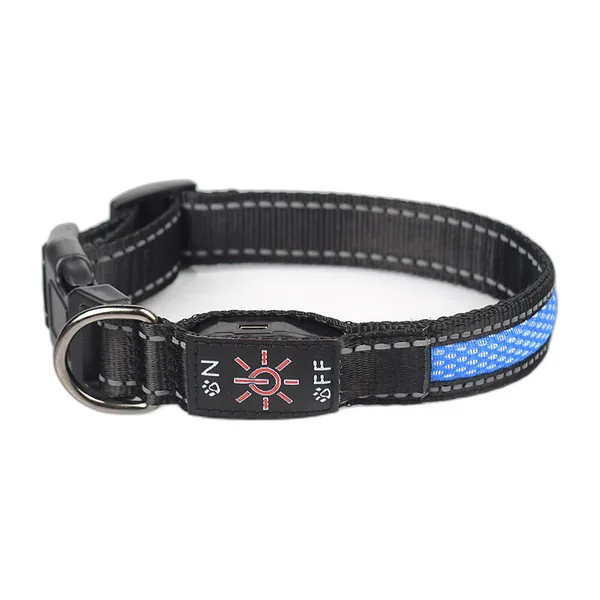 USB-C rechargeable LED light-up dog collar
€22.90
Choose an option -
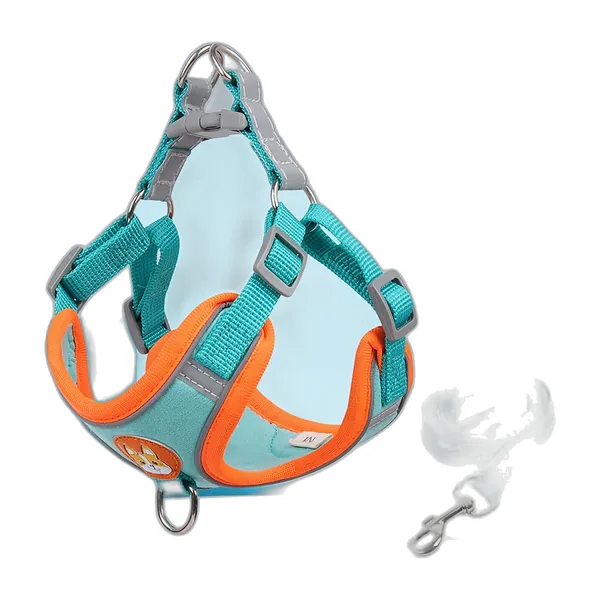 Reflective vest harness + 1.5 m leash for small dogs
from €36.90
Choose an option -
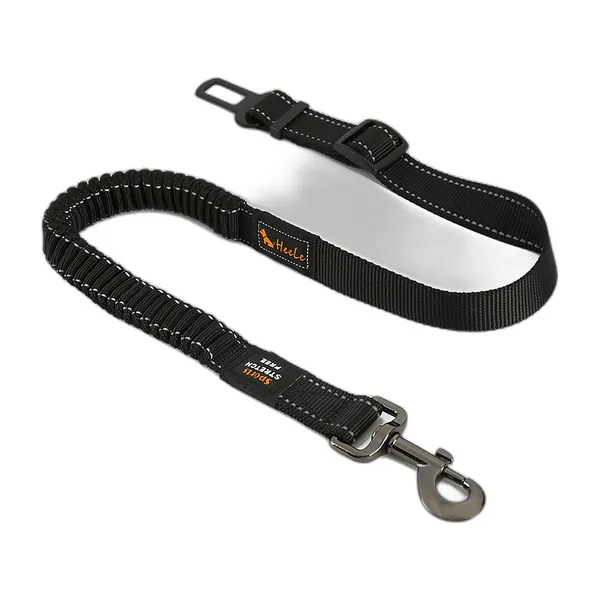 Dog car seat belt with elastic shock absorber
€30.90
Choose an option
Delivery in 8 to 15 working days, free from €49 (otherwise €4.90). See the whole shop
🛒 Our picks shipped from the US
-
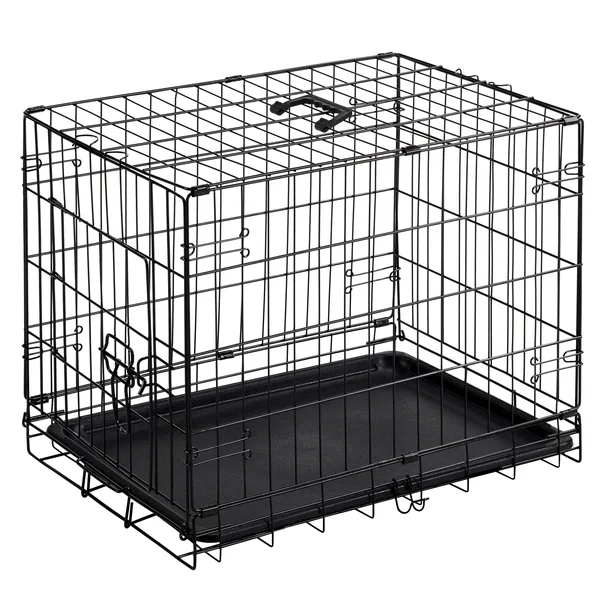 Folding wire dog crate 24 in (61 cm), single door, with tray
$62.90
-
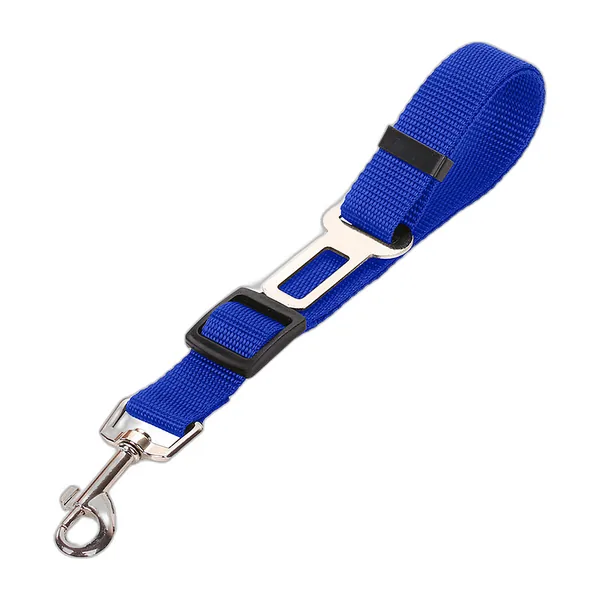 Adjustable dog car seat belt tether
$21.90
Choose an option
Ships from a US warehouse in 4 to 10 business days, free delivery within the United States. See the US shop
The key point : In a car, an unrestrained dog is a projectile: a crash-tested crate, a safety harness or a partition grille are the three serious options.
Our dedicated guides
- Anxious dog in the car: motion sickness or real fear of the ride?
Dog car travel anxiety: what a veterinary study shows about the signs of travel-related problems and the factors that explain them best.
- Microchip or tattoo: which ID actually gets a lost dog home?
Dog identification: what a study shows about return-to-owner rates depending on whether the dog is microchipped or not.
- Attaching your dog's leash to your bike: why it's dangerous
Attaching a dog's leash directly to a bike is risky for both rider and dog. What can go wrong, and which safe bikejoring attachments exist instead.
- Hot pavement: protecting your dog's paws in summer
In summer, pavement can top 50 °C and burn a dog's paw pads in seconds. How to test the ground, adjust walk times and protect the paws.
- Dog ramp or stairs: reaching the car and the sofa without injury
Incline, non-slip surface, maximum load: how to choose a dog ramp or steps suited to the car, the bed or the sofa.
- Dog life jacket: essential for boating and swimming?
Buoyancy, grab handle, size and adjustments: how to choose a dog life jacket for boating, paddleboarding or sporty swims.
- Small dog carrier bag: choosing the right one for trains, the metro and city life
Approved dimensions, ventilation, comfort: how to choose a small dog carrier suited to trains, public transport and city journeys.
- Dog safety gate: securing the stairs and rooms of the house
Pressure-mounted or screw-fitted, height, adjustable width: how to choose a dog safety gate to protect the stairs, kitchen or bedroom.
- Dog muzzle: when it's needed and how to get your dog used to it stress-free
Public transport, the vet, certain regulated breeds: a muzzle is sometimes required. How to choose the right type and desensitise a dog that refuses to wear one.
- Car seat cover for dogs: how to choose the right one
Fur, scratches, mud: the back seat takes a beating with a dog on board. What to look for in a genuinely protective cover, and why it's no substitute for a safety harness.
- Dog sick in the car: understanding and beating motion sickness
Drooling, panting, vomiting: motion sickness mainly affects young dogs. Step-by-step habituation, boot setup and gestures that reduce nausea.
- Boarding your dog for the holidays: kennel, foster family or pet-sitter?
Going away without your dog: comparing boarding kennels, foster families and home pet-sitters to choose the calmest option for your dog's temperament and your budget.
- Retractable or standard leash: which one for your dog?
Safety, leash training, comfort in town: retractable or standard leash, the comparison to choose the right lead for your dog and your walks.
- Choke collar for dogs: why it is a bad idea in disguise
Risks to the windpipe, contested effectiveness, modern alternatives: the choke collar for dogs is a bad idea in disguise, here are the solutions that actually work.
- Preparing your dog for a baby’s arrival: equipment and method
Gates, refuge zone, new rules, safety: how to prepare your dog for a baby’s arrival during pregnancy, with the useful equipment and the mistakes to avoid.
- Moving house with your dog: equipment and stress-free organisation
Safe transport, refuge room, familiar landmarks, updating identification: how to move house with your dog serenely, from moving day to the first weeks.
- Going on holiday with your dog: the complete equipment checklist
Transport, documents, first-aid kit, everyday gear: the checklist for going on holiday with your dog, with budgets and the pitfalls of summer and winter alike.
- Pug: brachycephalic obstructive airway syndrome and car safety precautions
A landmark study identifies the facial traits that worsen the Pug's obstructive airway syndrome, with heat and exertion as key aggravating factors. How to adjust car trips to limit respiratory distress episodes.
- Cycling with your dog: basket, trailer or handlebar bag, which one?
Basket, trailer or handlebar bag: how to safely cycle with your dog depending on weight, age and the budget to plan for.
- Lost dog: what actually brings one home, according to two survey datasets
Neighbourhood searching 49 %, coming home alone 20 %, contact through identification 15 %: two US surveys quantify how lost dogs are recovered, with a median two-day timeline.
- Do dogs get used to car travel? A beagle study suggests mostly not
Eighteen beagles transported repeatedly on short trips showed no drop in cortisol across trips: the idea of automatic habituation does not hold up.
- What your dog actually does to your arm: leash force, measured
A biomechanics study instrumented ordinary walks: half of walkers take at least 125 newtons, and the single hardest spike happens while standing still.
- Dogs in the cargo hold: what a physiology study on sled dogs found
A study measured heart rate and cortisol in sled dogs before, during and after a commercial flight — concrete pointers for air travel with a dog.
- Dogs restrained in cars: what a survey of 2,000 owners in three countries found
Between 55% and 72% of dogs travel restrained depending on the country, a survey of over 2,000 owners found. The rest ride loose on the seat or on a lap.
- Flying with your dog: anti-stress products remain underused, a study finds
Among 635 owners whose dog had flown, most animals coped well, but the anti-stress options available to owners remain little used, a study finds.
- Motion sickness in dogs: what the maropitant clinical trial measures
Two randomized trials quantify maropitant's effect on vomiting from motion sickness in dogs: up to an 86% reduction compared with placebo.
- Traveling by train or plane with your dog: what you need to know
Traveling by train or plane with your dog: paperwork, an approved crate and preparation for a stress-free trip.
- Shelter dogs in animal-assisted intervention: the car ride alone raises cortisol
An Italian study on five shelter dogs doing prison-based animal-assisted intervention isolates the vehicle ride itself as a distinct stress factor, separate from the activity.
- Leash-related injuries: what 422,659 US emergency department visits reveal
A twenty-year study of US hospital data quantifies the injuries leashes cause to owners, adults and children alike, and identifies who is most at risk.
- Dogs restrained in the car: a 2026 study measures the real rate on trips to the vet
A survey at a US veterinary hospital covering 533 dogs finds that nearly two in three travel with no restraint at all, with a clear link between a dog's weight and whether a restraint system is used.
- Dog hit by a reversing car: a 2025 study isolates an under-recognised accident pattern
A retrospective study of 422 injured dogs distinguishes ordinary road collisions from low-speed impacts in a driveway or parking lot, overwhelmingly caused by the owner's own vehicle.
- GPS dog collars: why accuracy varies so much depending on where you walk your dog
A suburban-environment study identifies the factors that make GPS collar accuracy vary: sky availability matters more than vegetation or how close you are to buildings.
- Dog that hates the car: a survey of 907 owners isolates what actually makes the difference
A survey of 907 dog owners measures how common car-travel problems really are, and identifies two factors that matter far more than the rest.
- Dog left alone in a car: what science says about the heat risk
Dog alone in a parked car: how fast the temperature climbs, why cracking the windows isn't enough, and the right reflexes to have.
- Dog car safety harness: what are crash tests really worth?
Dog car harness: what independent crash tests reveal about the actual strength of straps and anchor points.
- Dog travel crates for the car: standards and smart choices
Crash tests, materials, dimensions, boot installation: everything you need to choose a genuinely safe car travel crate for your dog.
- GPS collars for dogs: how to choose the right tracker
Subscription or not, battery life, accuracy, waterproofing: the criteria that matter when choosing a GPS collar so you never lose your dog again.
- Dog car barriers: the guide to choosing the right one
Universal grille, vehicle-specific or boot net: how to keep your dog safely separated from the cabin and travel with peace of mind.
Travel & safety breed by breed: every dog profile covers this product family with that species’ own figures.