Travel and safety for your ferret

Vet visits, holidays, moving house: sooner or later your ferret will travel. The right carrier, proper car restraint, journey prep: our guides cover the gear and habits that turn a trip into a non-event.
🛒 Our picks from the shop
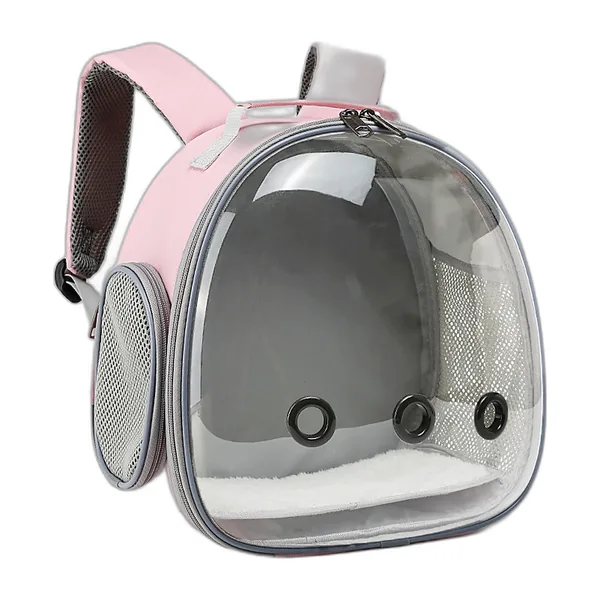
Delivery in 8 to 15 working days, free from €49 (otherwise €4.90). See the whole shop
🛒 Our picks shipped from the US
-
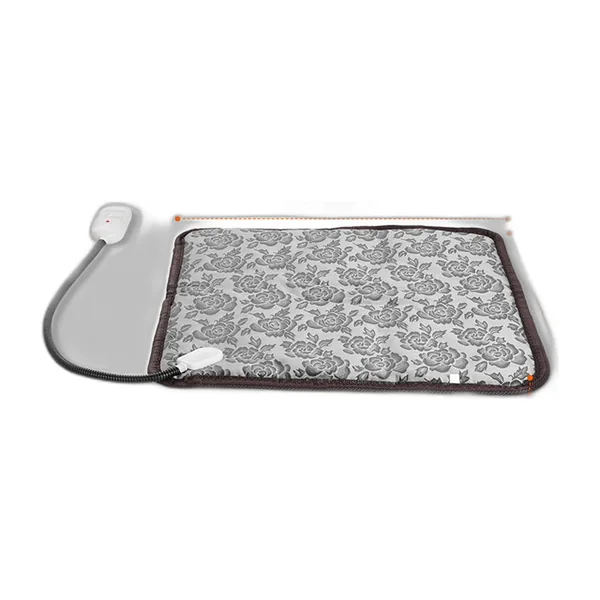 Electric pet heating pad 45 × 45 cm (17.7 in) with chew-resistant cord
$48.90
-
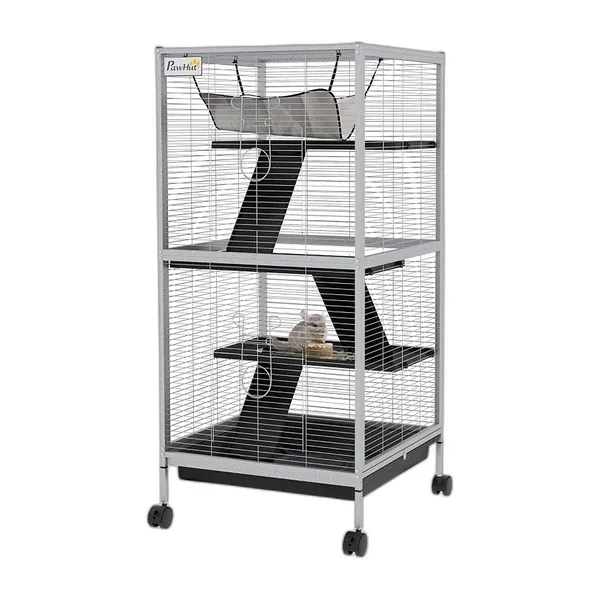 Rolling 4-level ferret and chinchilla cage with hammock
$159.90
-
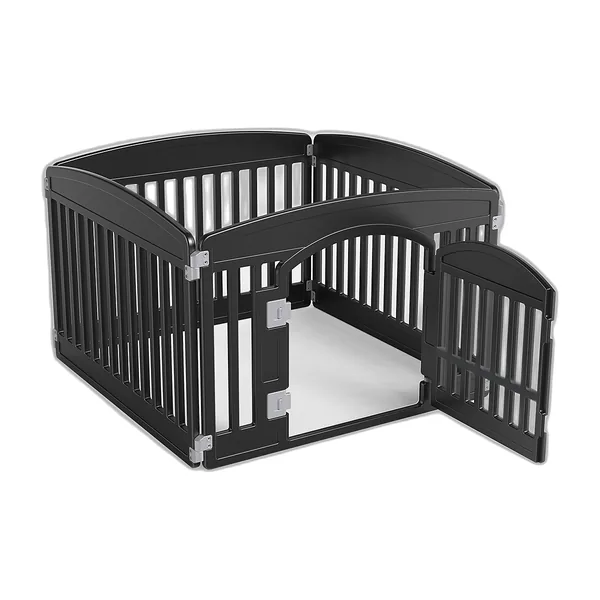 Modular plastic playpen for puppies and rabbits, 4 or 6 panels
from $87.90
Choose an option
Ships from a US warehouse in 4 to 10 business days, free delivery within the United States. See the US shop
The key point : A small rigid cat-style carrier with fabric that smells of home: ferrets travel well but escape anything that is not locked.
Our dedicated guides
- Securing a ferret's carrier in the car: the road-safety step owners skip
Sudden braking, sharp turns: why a ferret's carrier needs to be strapped down in the car, and how to do it properly.
- Why ferrets vomit so easily: what research says, and how to ease travel nausea
Ferrets are among the animals that vomit most easily: what research says about it, and how to ease nausea during a car or train trip.
- Does a ferret really get used to travel with repetition? What a study in dogs shows
A study on dogs transported repeatedly shows no physiological habituation, a finding worth knowing before assuming frequent trips stop being stressful for a ferret.
- Traveling with a ferret: train, plane and the basic paperwork
Microchip, rabies vaccination, EU pet passport: the paperwork for traveling with a ferret, the rules on trains and planes, and the €60 to €200 budget.
- Heatwave: how to keep your ferret cool when the thermometer passes 26 °C
Ferrets do not sweat and suffer from 26 °C upwards: cooling mats, frozen bottles, a ventilated room… every solution for keeping a ferret cool in a heatwave.
- Ferrets, dogs and cats under one roof: barriers, buffer zones and successful introductions
Getting a ferret to live with a dog or cat takes tall barriers, a staged introduction area and weeks of patience: the method and the equipment (€30 to €100).
- Retractable or Fixed Leash for a Ferret: Which One Is Actually Safe?
Between length and comfort versus injury risk, retractable and fixed leashes are not equally safe with a ferret. What leash research shows, and how to choose.
- Training a ferret to its carrier before the first trip: what a cat study teaches
A study on cats trained to their carrier before a trip shows a measurable drop in stress — a method that transfers well to a ferret's first outing.
- Calming pheromones during transport: what a cat study teaches for ferrets
A study found that a synthetic facial pheromone reduced stress behaviours in cats during vet visits, a potentially useful tool for calming an anxious ferret during transport.
- Leash or free roaming indoors: how should your ferret get around?
Leash or total freedom indoors for your ferret? Safety, supervision and gear compared for accident-free play sessions.
- Leaving a ferret loose at night: good or bad idea?
Can you leave a ferret roaming free at night unsupervised? Real risks, safety conditions and alternatives for peaceful nights.
- Going away for the weekend with or without your ferret: how to organise it
Weekend coming up: take your ferret along or arrange care? Pet-sitting options, travel checklist and costs for two days away.
- A parked car, even in the shade: what a cabin-temperature study reveals for ferrets
A study measured how quickly temperature rises inside a parked car's cabin depending on weather conditions, figures that explain why leaving a ferret in a vehicle, even for a few minutes, stays dangerous.
- Camping with your ferret: what gear do you need for a stay under canvas?
Camping with a ferret: secure sleeping setup, managing predator scents and temperature precautions for a tent stay with no bad surprises.
- Ferret and newborn at home: why supervision can never lapse
A clinical case published in 2023 reports a ferret bite that put a newborn's life at risk. What this report changes about the rules for cohabiting with a young infant.
- H-style or neck-loop harness for a ferret: which should you choose for outings?
H-style harness with two attachment points or a single-strap neck-loop harness: which one actually stops a ferret from slipping out on a walk, and how to fit it right.
- Ferrets and rodents (rats, mice, guinea pigs): why cohabitation is dangerous
Rats, mice, guinea pigs: why a ferret's predatory instinct makes this cohabitation risky, even in an animal born and raised indoors that has never hunted.
- Mistakes to avoid driving with a ferret: heat, carrier and stops
Mistakes to avoid when driving with a ferret: heat building up in the car, a poorly secured carrier, and forgotten stops. Tips for a safe trip.
- Adopting a ferret when you already have a rabbit: a risky cohabitation?
Ferret and rabbit under one roof: why cohabitation is risky and what precautions to take if you adopt a ferret with a rabbit already at home.
- Rabies antibody titer testing: what to know before flying abroad with your ferret
The FAVN test, the 0.5 IU/ml threshold, timelines to plan for: how the rabies antibody titer required for travel outside the EU works for ferrets, and what research says about its reliability.
- Kit or adult ferret: who adapts faster to a new environment?
A laboratory study compares the behavior of young and adult ferrets discovering a new space, with a useful benchmark for a kit's first outing after adoption or a house move.
- Ferret emergency evacuation: the plan to prepare before it's too late
A US study on a flood evacuation found that lack of preparation is the top reason households fail to evacuate pets in time. Here's how to build a ferret evacuation plan before disaster strikes.
- Car vibration: a hidden stressor for ferrets in transport
A study on mice housed near a railway found that vibration alone, separate from noise, raises cortisol and harms welfare. Reason enough to rethink where and how a ferret carrier sits in the car.
- How long does a ferret stay unsettled after a trip? What a mouse study reveals
A study on freshly transported mice found that cortisol drops fast, but behaviour takes days to settle. Reason to look past a ferret's calm appearance right after getting home.
- Scruffing your ferret before a trip: a cat study advises against it
A study comparing restraint techniques in cats found that scruffing triggers more stress signs than gentle handling. Reason to rethink the grab before loading your ferret into its carrier.
- Cerenia (maropitant) for ferret motion sickness: what a dog study actually shows
Facing a ferret that vomits on the first bend, many owners ask their vet for maropitant. Here's the clinical trial data behind it — established in dogs, not in ferrets.
- Flying with a ferret: what a survey of 635 dogs reveals
An owner-reported survey of 635 dogs that flew shows the real risks of air travel — findings that carry over to ferrets, who are almost never allowed in the cargo hold anyway.
- EU pet passport for ferrets: the dog’s tapeworm treatment does not apply
Ferrets, dogs and cats share the same EU pet passport — but not the same health requirements. What the regulation actually says before a trip within the EU.
- Ferret in a travel carrier: the real risk is ambient heat
In ferrets as in rabbits, heat-related illness always comes from a hot environment, never from exertion. A travel carrier concentrates exactly that risk.
- A ferret that bites: why observation replaced euthanasia
Biting ferrets used to be put down for lack of data. An experiment on 54 ferrets dated saliva shedding of rabies virus and changed the rule.
- Lost or escaped ferret: what to do in the first hours
Ferret that escaped indoors or got loose outside: what to do in the first hours to maximize the chances of finding it quickly.
- A closed travel carrier: the risk that heat alone doesn’t explain
A carrier that stays cool but has its mesh sides blocked by a blanket can still build up CO2 within minutes. What a study on sealed laboratory cages reveals about travel carriers.
- Carrier height and heat: what a rabbit transport study reveals about piling
A taller carrier looks like more comfort. A rabbit transport study shows that combined with heat, it instead encourages dangerous piling between animals.
- Gabapentin before a stressful trip for a ferret: what a feline study shows
A single dose of gabapentin reduces travel stress in cats according to a landmark veterinary study, opening the door to a vet-prescribed anti-anxiety option for ferrets too.
- Before a big change of environment, prior experience matters: what tracking released black-footed ferrets reveals
A translocation experiment on black-footed ferrets shows that prior experience of the unfamiliar sharply improves survival after a big change of environment.
- Temporarily separating two ferrets for boarding or quarantine: what a US study suggests
A study on ferrets housed alone or in pairs during a health protocol found no consistent difference in weight loss or fever between the two setups.
- A pressure wrap to calm a stressed ferret during transport? What a dog study found
A study on 90 anxious dogs found that a properly fitted pressure wrap dampens the rise in heart rate during a stressful event, unlike the same wrap worn without pressure.
- Moving house with a ferret: how to reduce its stress
Moving house with a ferret: preparation, moving day, and the first days in the new home to keep the animal's stress in check.
- Harness and leash for ferrets: walking your little weasel safely
H-harness, vest or jacket: which model to choose for walking a ferret with zero escape risk? Fit, step-by-step habituation and price ranges.
- Travel carrier for ferrets: taking your pet on the road with peace of mind
Vet visits, holidays, car journeys: how to choose a safe travel carrier for a ferret, set it up properly and avoid the classic mistakes.