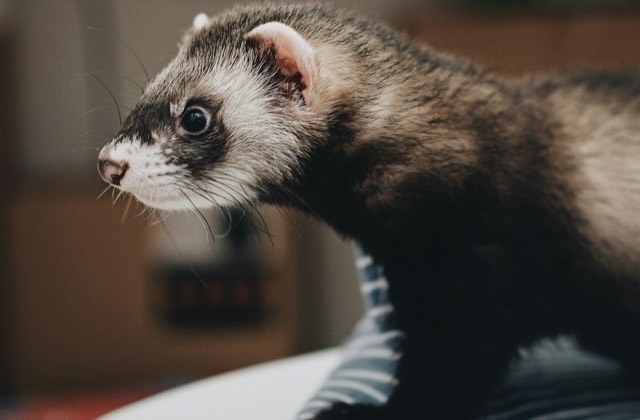
Traveling with a ferret: train, plane and the basic paperwork
Published by Planète Pets · managing editor: Clément Lacaille · how our guides are written
Traveling with a ferret by train or plane is possible, but requires three basic formalities: identification by microchip, an up-to-date rabies vaccination and, to cross a European border, a passport issued by a vet. The ferret is, alongside the dog and the cat, one of only three species covered by the European pet passport. Paperwork budget: €60 to €120, excluding tickets.
Contents · 5 sections
What paperwork before any departure?
- an identification microchip: €40 to €70 at an exotics vet;
- a rabies vaccination, valid at the earliest 21 days after the injection: €40 to €60;
- a European pet passport for travel outside France: about €15;
- an up-to-date distemper vaccination — demanded by no customs desk, but vital;
- for certain countries outside the European Union: a rabies antibody titre test and quarantine, to be planned several months ahead.
Are ferrets allowed on trains?
On the main French lines, a ferret travels as a small pet: in a closed bag or carrier of modest dimensions (roughly 45 x 30 x 25 cm), placed at your feet, with a small-pet ticket costing a few euros. Keep the carrier shut at all times: a railway station is the worst possible place for an escape. Pack a bed carrying the smell of home and a no-tip bowl for journeys of more than two hours.
And by plane: hold, cabin, which airlines?
Most European airlines only accept dogs and cats in the cabin: ferrets are frequently refused or sent to the hold, when they are not excluded from carriage altogether. Contact the airline in writing before buying a ticket, insist on written confirmation, and weigh the alternative: for a two-week holiday, a home pet-sitter is often less risky than a pressurised hold. Expect a €50 to €200 pet surcharge with the airlines that do accept them.
How do you prepare a ferret for the journey?
Get it used to its carrier several weeks beforehand, door open at first, then on short trips. On the day: a light meal two hours before, no sedatives without an exotics vet's advice, and absolute vigilance about heat — above 26 °C, apply our heatwave tips for cooling a ferret down. Find approved carriers and bags in our ferret travel and safety comparison.
Frequently asked questions
Can I cross a European border without a passport?
No. Microchip, valid rabies vaccination and passport can all be demanded at checks, with a fine and being turned back as the outcome.
Do ferrets get motion sickness?
Yes, some salivate or vomit. Short familiarisation trips and a carrier resting stable on the floor limit the problem; talk to an exotics vet if it persists.
How long a journey can a ferret handle?
Four to six hours with water breaks and check-ins. Beyond that, split the trip or reconsider a home pet-sitter.
An accessory from our shop for this use: Bubble-window carrier backpack for dwarf rabbit, guinea pig or ferret (€47.90) · the whole shop
This guide is part of Planète Pets’s Ferrets universe. Our advice is general in nature: for any health concern, your veterinarian remains the only reference.