🦎Reptiles: buying guides and gear
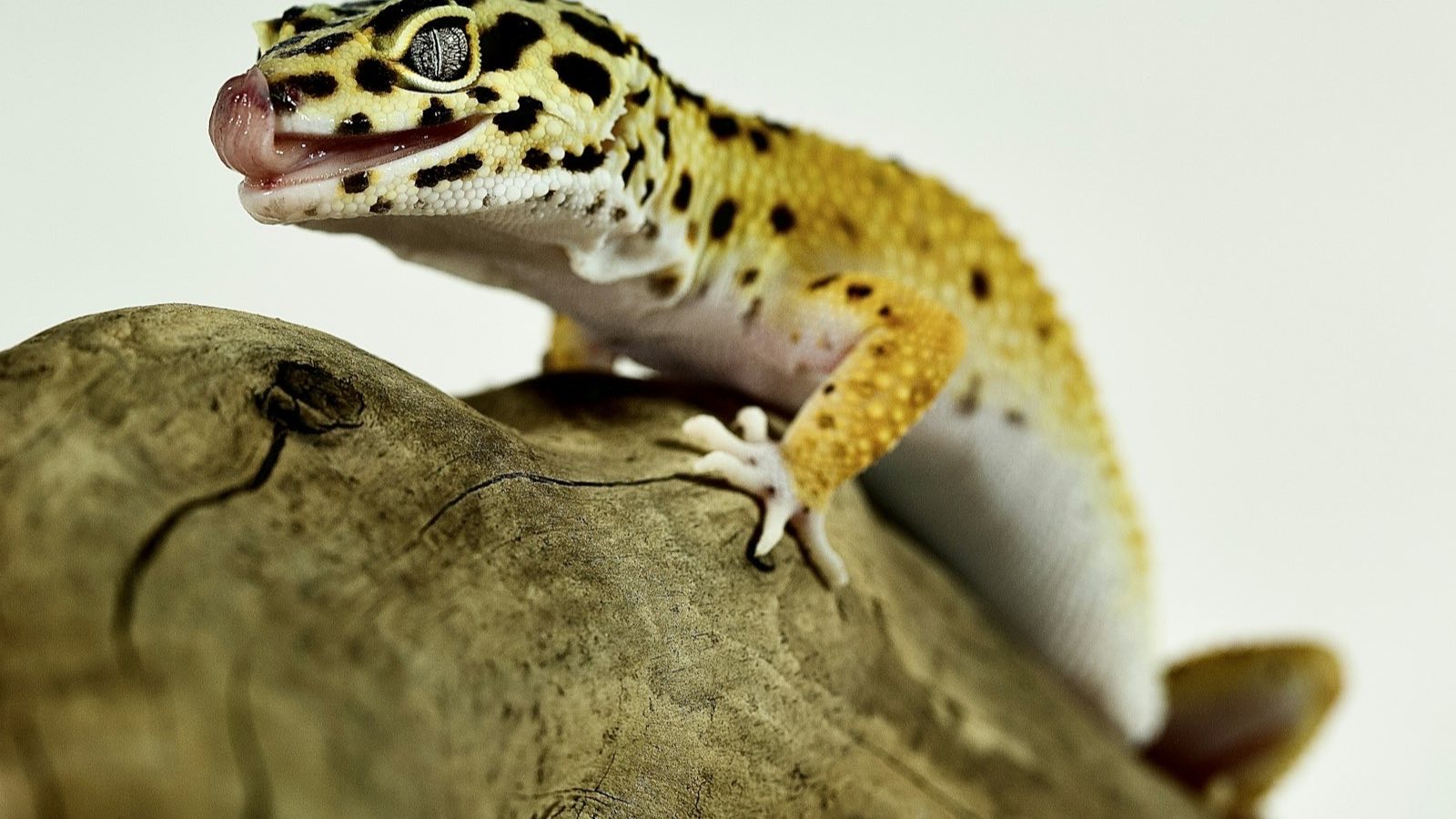
For reptiles, equipment is not comfort: it is survival. Temperature, UVB, humidity — each species has its constants, and the hardware must hold them 24/7. Our guides cover the classic starter species (leopard gecko, bearded dragon, corn snake) with one golden rule: the thermostat is never optional.
💶 Starting budget: €250–600 for a complete, equipped terrarium.
Product families
-
🍖
Food
36 dedicated guides
-
🧴
Care & grooming
40 dedicated guides
-
🎾
Toys & enrichment
29 dedicated guides
-
🏠
Bedding & habitat
45 dedicated guides
-
🧳
Travel & safety
24 dedicated guides
-
🧰
Accessories
36 dedicated guides
By breed or species (14)
- Leopard gecko
- Bearded dragon
- Corn snake
- Ball python
- Crested gecko
- Blue-tongue skink
- Hermann's tortoise
- Greek tortoise
- Red-eared slider
- Veiled chameleon
- Green iguana
- Chinese water dragon
- Green anole
- Pacman frog
📘 “Beginner green anole terrarium” ebook — €19
Everything a first green anole terrarium needs, in one clear guide: dimensions, heating, UVB, humidity, feeding, cohabitation and a detailed budget — so you start without putting the animal at risk.
Buy the ebook — €19 See the contents and guarantee
📄 Delivered as a PDF (printable version included). 14-day money-back guarantee.
All our guides
- Vertical terrarium for a crested gecko: height, ventilation and humidityBedding & habitat
Vertical terrarium for a crested gecko: why height matters more than floor space, what size fits each age, and how to manage the humidity cycle.
- Feeding a crested gecko: CGD powder, fruit and occasional insectsFood
Feeding a crested gecko: why complete CGD powder remains the base diet, when to add insects, and how often to feed by age.
- Tail loss in crested geckos: why you should never grab one by the tailCare & grooming
Tail loss (autotomy) in crested geckos: why the tail never grows back in this species, what handling mistakes to avoid, and what to do if it drops.
- Terrarium enrichment for a crested gecko: branches, hides and climbing supportsToys & enrichment
Terrarium enrichment for a crested gecko: why climbing supports matter as much as décor, what hides to provide, and whether to rotate the layout.
- Transporting a Green Iguana to the Vet: Carrier, Heat and StressTravel & safety
Rigid carrier, keeping the animal warm on the road, and grips to avoid with the tail: how to transport a green iguana to the vet without adding to its stress.
- Humidity and Shedding in the Chinese Water Dragon: Avoiding Skin ProblemsCare & grooming
Why the Chinese water dragon needs high humidity, how to maintain it without stagnation, and the early signs of an incomplete shed.
- Feeding a Green Anole: Which Insects, and How Often?Food
Small live insects, prey size and feeding frequency: the complete guide to feeding a green anole, a strict insectivore and a tiny lizard.
- Handling and Transporting a Pacman Frog: Limiting Stress and ContactTravel & safety
Why the Pacman frog's permeable skin means handling should stay minimal, and how to transport it safely for a vet visit.
- Green anoles: keeping and breeding them in a terrariumBedding & habitat
Keeping and breeding green anoles (Anolis carolinensis) successfully: vertical terrarium, heat and UVB, group make-up, and breeding conditions.
- The blue-tongue skink: setup and basic careBedding & habitat
Floor space, heat and UVB, substrate, and an omnivorous diet: the basics for housing and correctly feeding a blue-tongue skink (Tiliqua).
- Ball python refusing to eat: seasonal fasting or a real problem?Food
Understanding ball python (Python regius) fasting: the physiology behind it, common triggers for feeding refusal, and the signs that warrant concern.
- Hibernating a Greek tortoise outdoors: how to prepare it properlyBedding & habitat
Preparing a Greek tortoise (Testudo graeca) for outdoor hibernation: pre-hibernation health check, a frost-free shelter, monitoring, and a safe wake-up.
- Pacman frog: preventing overfeeding and impactionCare & grooming
Pacman frog (Ceratophrys): why it never seems to stop eating, the real risks of obesity and impaction, and a feeding schedule matched to its age.
- Green iguana and metabolic bone disease: why calcium is centralCare & grooming
Metabolic bone disease in the green iguana: why the calcium-phosphorus imbalance and missing UVB cause it, the warning signs, and how to prevent it.
- Breeding green anoles: setting up a breeding terrariumBedding & habitat
How to breed the green anole (Anolis carolinensis): winter cooling, egg-laying, incubation, and the gear for a breeding terrarium. A step-by-step guide.
- Feeding a blue-tongue skink: balancing an omnivoreFood
What does a blue-tongue skink eat? Ratios of protein, vegetables and fruit, feeding frequency, calcium, and foods to avoid. The complete feeding guide.
- Enriching a Bearded Dragon Terrarium: Climbing Courses and Hunting GamesToys & enrichment
How to enrich a bearded dragon's terrarium: climbing courses, hunting games, and gradual novelty to keep a curious, active lizard engaged.
- Carapace Pyramiding in Hermann's Tortoises: Causes and PreventionCare & grooming
Carapace pyramiding in Hermann's tortoises: causes linked to humidity and protein, prevention tips, and benchmarks for steady shell growth.
- UVB for Veiled Chameleons: How Long and How Far?Accessories
UVB for veiled chameleons: lamp distance, daily exposure time, and the right equipment for proper vitamin D3 synthesis.
- Incomplete Shedding in Leopard Geckos: Toes and Tail to WatchCare & grooming
Incomplete shedding in leopard geckos: why toes and tail tips sometimes stay stuck, and how to spot and safely remove leftover shed skin.
- Taming a Blue Tongue Skink: Gentle HandlingToys & enrichment
How do you tame a blue tongue skink? Gradual habituation, handling duration, and stress signals to build trust without forcing it.
- Enriching a Blue Tongue Skink Terrarium: Digging, Hides, ForagingToys & enrichment
How do you keep a blue tongue skink busy? Digging boxes, deep substrate, hides and scattered meals to stimulate this curious lizard and prevent boredom.
- What Terrarium for a Green Anole: Size, Height and SetupBedding & habitat
What size terrarium for a green anole? Minimum dimensions, height, planting, UVB lighting and a thermal gradient for a successful setup.
- Transporting a Bearded Dragon to the Vet or on a Trip Without StressTravel & safety
How do you transport a bearded dragon? A suitable box, keeping it warm, a calm journey and gentle re-acclimation to limit the reptile's stress.
- Transporting a Hermann's tortoise to the vet: what a study on handling stress revealsTravel & safety
A study on handling-induced tachycardia in a tortoise shows why a vet trip deserves more care than its slow, armoured passenger suggests.
- Enriching a snake's terrarium: what a study on ratsnakes showsToys & enrichment
A study on environmental enrichment in ratsnakes reveals measurable behavioural changes, a concrete lead for enriching a ball python's or corn snake's terrarium.
- Enriching a red-eared slider's aquatic tank: what a study on this species showsToys & enrichment
A study on enrichment in the red-eared slider reveals measurable behavioural preferences, a concrete basis for setting up this aquatic turtle's tank.
- Transporting a leopard gecko safely: what a study on caudal autotomy showsTravel & safety
A scientific review on caudal autotomy in lizards explains why handling a leopard gecko during transport calls for particular care around the tail.
- Feeding a Tortoise: The Greek and Hermann's TortoiseFood
What does a Greek or Hermann's tortoise eat? Wild plants, calcium/phosphorus ratio, cuttlebone and the mistakes to avoid for a healthy herbivorous tortoise.
- Feeding a Corn Snake: Prey Size and FrequencyFood
What does a corn snake eat? Mouse size, feeding frequency by age, frozen or live prey and refusal to eat: the complete guide.
- Complete bearded dragon setup: what starting budget should you plan for?Bedding & habitat
Terrarium, UVB, heating, decor, food: everything a complete bearded dragon kit includes, with a realistic starting budget of 400 to 700 €.
- Complete leopard gecko setup: what starting budget do you need?Bedding & habitat
An 80 cm terrarium, heat mat, hides and calcium: what goes into a complete leopard gecko kit, with a starting budget of 250 to 450 €.
- Which terrarium for a corn snake? Size, security and budgetBedding & habitat
Minimum dimensions, secure locking, thermal gradient: how to choose a terrarium for an adult corn snake, with a detailed budget.
- 3D terrarium backgrounds and decor: polystyrene, cork or resin?Bedding & habitat
3D background decor for terrariums: cork panels, carved polystyrene or resin, prices, installation and safety for geckos, bearded dragons and snakes.
- Branches, vines and climbing supports for terrariums: choosing wellToys & enrichment
Natural branches, flexible vines, hammocks: which climbing supports to install in a terrarium, how to disinfect them and at what price.
- Combined LED + UVB lighting: the two-in-one terrarium fixtureAccessories
Combined LED + UVB fixture for terrariums: benefits, spectrum, prices from 80 to 200 € and the species concerned, from bearded dragons to tortoises.
- Dimming thermostats and timers: regulating your terrarium smoothlyAccessories
Dimming, on/off or pulse thermostats and day/night timers: how to regulate terrarium heating and lighting, with prices from 25 to 120 €.
- Temperature probes: where should you place them in the terrarium?Accessories
Where to place temperature probes in a terrarium: height, basking spot, thermostat probe and control thermometer, plus mistakes to avoid.
- Humid hide: DIY or store-bought, which should you choose?Care & grooming
Humid shedding hide for geckos and snakes: build your own for 3 € or buy a moist cave for 15-30 €, plus substrates and maintenance.
- Feeding tongs for reptiles: safety and good habitsFood
Feeding tongs for reptiles: stainless steel or bamboo, ideal length, prices from 5 to 20 € and safety rules to avoid bites.
- Breeding your own feeder insects: a cricket bin for your reptilesFood
Setting up a cricket bin at home: 20 to 40 € of equipment, escape-proof ventilation, feeding and yield to supply a gecko or bearded dragon.
- Mealworms, superworms and gut-loading: feeding your feeder insects wellFood
Mealworms and superworms for reptiles: differences, feeding frequency, prices and gut-loading to turn the insect into nutritious prey.
- Frozen prey for snakes: buying, storage and thawingFood
Frozen prey for snakes: where to buy pinkies and rats, prices from 0.50 to 4 € each, freezer storage and safe thawing.
- Outdoor enclosure for a Hermann's tortoise: building and safetyBedding & habitat
Outdoor enclosure for a Hermann's tortoise: minimum area, escape-proof walls, shelter, plants and a budget of 100 to 400 €, with a note on regulations.
- Basking lamp for tortoises: wattage, height and safetyAccessories
Which basking lamp for a tortoise: halogen spot or mercury vapour UVB bulb, wattage, mounting height and a budget of 15 to 70 €.
- Substrate for tortoises: topsoil, soil-sand mix or wood chips?Bedding & habitat
Which substrate for a tortoise in a terrarium or shelter: soil-sand mix, fertiliser-free topsoil, depth, prices and materials to avoid.
- Tortoise hibernation: the essential equipmentCare & grooming
Equipment for hibernating a tortoise: insulated box, substrate, alarm thermometer, scales and a 5 °C room, with a budget of 40 to 120 €.
- Slider turtle aquaterrarium: filtration comes firstAccessories
Filtering a slider turtle aquaterrarium: oversized external filter, flow rate, maintenance and a budget of 60 to 200 € for healthy water.
- Smart hygrometer: monitoring your terrarium remotelyAccessories
Smart hygrometer for terrariums: smartphone alerts, data history, WiFi or Bluetooth, accuracy and a budget of 15 to 60 € for remote monitoring.
- Cleaning the terrarium: which safe products should you use?Care & grooming
Safe terrarium cleaning: white vinegar, steam, reptile-specific disinfectants, products to ban and a weekly maintenance routine.
- Snake mites: detecting and eliminating the terrarium's parasitesCare & grooming
The snake mite (Ophionyssus natricis) weakens the animal and spreads disease. How to spot an infestation, treat the snake and disinfect the terrarium.
- Black soldier fly (BSF) larvae for insectivorous reptiles: a real upgrade?Food
Black soldier fly larvae (Hermetia illucens) are popular with leopard gecko and bearded dragon owners. What the research actually says about their nutrient profile.
- Bearded dragon black beard: stress, display, or a warning sign?Care & grooming
A bearded dragon that darkens its throat isn't always signalling trouble. How to read a black beard depending on context: shedding, thermoregulation, stress or display.
- Mold and condensation in a humid terrarium: diagnosing and fixing itBedding & habitat
Persistent fogging, mold patches on the decor: the causes of excess condensation in a humid terrarium (water dragon, crested gecko, chameleon) and how to fix it.
- Weighing your reptile: why and how to track weight over timeAccessories
A kitchen scale and a notebook are enough to track growth and catch weight loss early in a reptile. Frequency, method and species benchmarks.
- Green anoles in a group: cohabitation, dominant males and beginner mistakesBedding & habitat
The green anole lives in small groups, but only one male per terrarium: here is how to build a balanced group, spot a bullied individual and avoid the mistakes that stress these lizards.
- Green anole UVB lighting: why it is essential and how to set it upAccessories
The green anole is a diurnal lizard that needs UVB to fix calcium and stay healthy. Which tube to choose, how far to place it and when to replace it.
- Heat mat or lamp: should you heat the terrarium from below or above?Accessories
Ventral heat from a mat or radiant heat from a lamp: the right choice depends on the species' lifestyle. Why a nocturnal gecko and a diurnal bearded dragon have different needs.
- The leopard gecko's moist hide: essential for a successful shedBedding & habitat
Without a moist hide, the leopard gecko risks an incomplete shed on its toes and tail tip. How to build, place and maintain this essential hideaway.
- Isopods and springtails: the bioactive terrarium's cleanup crewToys & enrichment
These small detritivores recycle waste and droppings in a bioactive terrarium. Which species to pick, how many, and why they never replace regular cleaning.
- Bearded dragon brumation: signs, precautions and should you prevent it?Care & grooming
Slowing down, refusing food, sleeping for long stretches: an adult bearded dragon's brumation is a natural phenomenon, but it calls for a precise protocol to stay risk-free.
- African fat-tailed gecko terrarium: getting the setup rightBedding & habitat
A nocturnal, ground-dwelling cousin of the leopard gecko, the African fat-tailed gecko has similar needs but wants more humidity. A step-by-step setup guide.
- Feeding an uromastyx: a desert herbivore unlike most other lizardsFood
Unlike most terrarium lizards, the uromastyx is almost exclusively herbivorous as an adult. Which plants to favour, how often, and the pitfalls to avoid.
- Feeding a ball python: prey size and how oftenFood
How often to feed a ball python, what prey size to pick and when to space meals by age: the concrete pointers for a diet suited to this slow-metabolism snake.
- Feeding a Pacman frog: prey, size and frequencyFood
An ambush predator with a huge mouth, the horned frog swallows large prey but gains weight fast. What prey, how much and how often, to avoid obesity.
- Tropical terrarium humidity: measuring and holding the right levelBedding & habitat
Too dry, a tropical terrarium's air dehydrates the animal and hampers shedding; too damp and poorly ventilated, it breeds mould. How to measure and stabilise humidity at the right level.
- Taming a snake: how often to handle it without stressing itCare & grooming
Handling a snake too soon or too often stresses it; never touching it doesn't help tame it either. The right rhythm, precautions and signals to respect for a beginner snake.
- Feeding a bearded dragon: the right insect-to-greens ratio by ageFood
Very carnivorous when young, more herbivorous as an adult: the bearded dragon changes diet as it grows. How to adjust the insect and plant share from juvenile to adult to avoid deficiencies and obesity.
- Green anole: a good reptile to start with? What to know before adoptingAccessories
Small, active and affordable, the green anole appeals to beginners. But it is a lizard to watch more than to handle, with real UVB, heat and humidity needs. Is it right for you?
- Green anole budget: how much does the first year cost?Accessories
The green anole is cheap to buy, but its setup is the heaviest cost: tropical terrarium, UVB, heating, misting. The first-year budget broken down line by line.
- Stressed green anole: reading the signs of stress and good healthCare & grooming
Colour turning brown, throat fan flaring, an animal permanently hidden: in the green anole, colour and behaviour reveal its state. The signals to read so you can react in time.
- Chinese water dragon terrarium: what size and setup for an adult?Bedding & habitat
Tall, spacious and humid: the Chinese water dragon's enclosure must match its arboreal, semi-aquatic lifestyle. Dimensions, planted walls and swimming basin, item by item.
- Feeding a Chinese water dragon: from insectivorous juvenile to omnivorous adultFood
Crickets, roaches, a little fish and some greens: the water dragon's diet changes with age. Frequency, calcium-D3 and prey variety to avoid deficiencies.
- Transporting a Chinese water dragon without stress: the right gearTravel & safety
A rigid, dark, padded box, never a clear container: how to move a nervous, bolting lizard like the Chinese water dragon without injury or panic.
- Chinese water dragon enrichment: branches, plants and a diving basinToys & enrichment
Sturdy angled branches, planted walls, a large basin to dive into: how to set up a terrarium that welcomes the water dragon's natural behaviours instead of frustrating them.
- Feeding a green iguana: which greens for a strict herbivore?Food
Dark leafy greens, edible flowers, a little fruit: an adult green iguana's diet is almost entirely plant-based. What to favour, classic pitfalls, and calcium-phosphorus ratio pointers.
- A growing terrarium for a green iguana: planning for growth to 1.5 mBedding & habitat
A young green iguana of 20 cm can reach 1.5 m as an adult. Why the starter terrarium quickly becomes obsolete, and how to plan housing that truly tracks its growth.
- Handling a green iguana: seasonal aggression and socializationCare & grooming
A puffed dewlap, head bobbing, tail whips: adult green iguanas often become more aggressive during the breeding season. Understanding the phenomenon and adapting handling.
- Perches and branches for a green iguana: setting up an arboreal terrariumToys & enrichment
The green iguana lives in the canopy in the wild. Branch diameter, tiered layout, safe materials: how to structure the vertical space of its terrarium.
- Feeding a Greek tortoise: which wild plants to favour?Food
Dandelion, plantain, clover: the Greek tortoise is a strict herbivore that copes poorly with excess protein and fruit. What a wild-diet study reveals about feeding one in captivity.
- Deworming a Greek tortoise: why regular vet checks matterCare & grooming
Pinworms, roundworms, protozoa: Greek tortoises very often carry intestinal parasites, even when they look perfectly healthy. What a Moroccan prevalence study shows.
- Transporting a Greek tortoise to the vet without stressing itTravel & safety
Even a short trip durably raises corticosterone levels in tortoises, according to a reference study. Carrier, temperature and duration: how to limit transport stress.
- Enriching a Greek tortoise's outdoor enclosure: terrain, digging zones and complexityToys & enrichment
A flat, bare enclosure is not enough for an active Greek tortoise. What a home-range study on Hermann's tortoise reveals for building a genuinely stimulating space.
- Leopard gecko or bearded dragon: which should you choose first?Bedding & habitat
Leopard gecko or bearded dragon as a first reptile? Budget, space, upkeep and handling compared so you pick the species that fits your home.
- Glass or OSB terrarium: which should you choose?Bedding & habitat
Glass or OSB terrarium? Insulation, price, weight, upkeep and suitable species compared to pick the right enclosure between 100 and 400 €.
- Halogen bulb or ceramic emitter: which heating for your terrarium?Accessories
Halogen or ceramic to heat a terrarium? Heat, light, lifespan and price (10 to 40 €) compared for daytime and night-time use.
- Live or freeze-dried insects: what should you feed your reptile?Food
Live or freeze-dried insects for reptiles? Nutritional value, appeal, price per kilo compared, and when dried feeders can fill a gap.
- Bioactive terrarium or simple substrate: which to choose?Toys & enrichment
Bioactive terrarium or simple substrate? Upkeep, cost (30 to 150 €), enrichment and suitable species compared before you take the plunge.
- First terrarium: the 7 mistakes you absolutely must avoidBedding & habitat
Undersized enclosure, unregulated heating, forgotten UVB: the 7 first-terrarium mistakes that cost dearly and how to dodge them from day one.
- Heating a terrarium without a thermostat: why it's dangerousAccessories
Heating a terrarium without a thermostat risks burns and lethal overheating. Real dangers, thermostat types and a budget of 30 to 80 €.
- Heat rocks for reptiles: good or bad idea?Accessories
Heat rocks for reptiles are best avoided: belly burns and unregulated heating. The safe alternatives from 15 to 60 €.
- Two reptiles in one terrarium: why it's almost always a mistakeToys & enrichment
Housing two reptiles in the same terrarium is discouraged: stress, injuries, competition. The rare exceptions and the real solutions.
- Calcium sand for reptiles: the false good idea to avoidCare & grooming
Calcium sand for reptiles promotes intestinal impaction: why this so-called edible substrate is a trap and what to replace it with.
- How much does a bearded dragon cost per month? Electricity, insects, the real budgetFood
A bearded dragon costs 40 to 70 € per month: insects, greens, electricity, UVB consumables. The line-by-line breakdown and ways to save.
- Corn snake budget: how much does the first year cost?Bedding & habitat
First year with a corn snake: 450 to 800 € all in. Breakdown of setup, frozen prey, electricity and vet costs.
- Second-hand reptile equipment: bargains and pitfallsCare & grooming
Buying a terrarium or reptile gear second-hand can halve the bill: what to check, disinfect or walk away from.
- Terrarium electricity bill: how much does it cost and how to cut it?Accessories
A terrarium uses 10 to 25 € of electricity per month. The line-by-line calculation and 6 practical levers to cut the bill safely.
- Feeder insect prices: how to feed a reptile without going broke?Food
Crickets, roaches, worms: the real prices of feeder insects and 5 ways to halve the bill, from bulk buying to home breeding.
- Going on holiday with a reptile at home: how to organise it?Travel & safety
Holidays with a reptile at home: how long it can stay alone, what to automate (30 to 100 €) and what to hand over to a sitter.
- Reptiles and children: what hygiene and safety rules?Care & grooming
A reptile in a family with children is possible: anti-salmonella hygiene rules, suitable species, supervised handling and the parents' role.
- Heatwave and terrarium: how to protect your reptile from overheating?Travel & safety
In a heatwave, a terrarium can turn deadly above 35-38 °C ambient. The immediate steps and anti-overheating gear from 10 to 60 €.
- Winter power outage: how to keep the terrarium warm?Travel & safety
A winter power outage: a terrarium holds 2 to 6 hours before the critical threshold. Emergency plan, hand warmers and backup gear from 10 €.
- From juvenile to adult terrarium: when and how to upgrade?Bedding & habitat
When to move your reptile to its adult terrarium, which gear to rebuy or keep, and how to manage the transition: the upgrade guide.
- Hermann's tortoise or Greek tortoise: which one to choose?Bedding & habitat
Adult size, home range, protected status: the two most popular tortoises in Europe look alike but are not equivalent. What a ten-year Bulgarian field study reveals.
- Ball python and UVB: do you really need a UVB lamp?Accessories
A secretive, burrowing, mostly crepuscular species, the ball python was long kept without any UVB at all. What a landmark study on snakes' voluntary UVB exposure in the wild actually shows.
- Veiled chameleon budget: how much does the first year really cost?Accessories
Mesh cage, powerful UVB, drip system, varied insects: the veiled chameleon needs specific equipment and close veterinary follow-up. A realistic first-year budget, health surprises included.
- What's the best reptile for a 10-year-old child?Bedding & habitat
A docile leopard gecko, a calm ball python, or species to avoid altogether: the right choice depends as much on temperament as on health risk. What an English study on childhood salmonellosis makes clear.
- Adopting your first reptile early in your career: check exotic vet access firstCare & grooming
Before falling for a terrarium, one criterion gets skipped too often: is there a competent exotics vet near you? What an Irish study on access to veterinary care for exotic pets reveals.
- Red-eared slider: should you cut back on animal protein as it ages?Food
Crickets, fish, carnivore pellets: a juvenile red-eared slider needs a lot of protein. What a landmark US study on growth and nutritional energetics in the species actually shows.
- Green anole: what happens if it loses its tail — does it grow back?Care & grooming
Unlike the crested gecko, the green anole can regenerate part of a lost tail. What a landmark review on lizard caudal autotomy reveals, and why the new tail is never quite the same.
- Chinese water dragon rubbing against the glass: stress or normal behaviour?Toys & enrichment
A bruised snout, repeated attempts to push through the glass: this behaviour is far from harmless in the Chinese water dragon. What a landmark veterinary review on reptile welfare says about it.
- Bearded dragon: why the basking lamp's position matters as much as its wattageBedding & habitat
A bearded dragon that always faces its lamp isn't a coincidence. What a Canadian study on the species' thermal orientation preference shows, and how to factor it into your terrarium layout.
- Ball python: does the transport container stress it more than handling does?Travel & safety
Manual restraint, gentle handling, or a closed container: not every transport method affects a ball python the same way. What a comparative study published in Applied Animal Behaviour Science reveals.
- Leopard gecko: which enrichments actually make a difference?Toys & enrichment
Heat, hidden food, scents, objects, visual stimuli: a US study tested five types of enrichment in the leopard gecko. Only one turned out to do nothing.
- Bearded dragon: can it learn to open a feeder by watching another dragon?Accessories
Can a bearded dragon imitate another lizard to solve a problem? What a landmark Austrian study on social learning in the species reveals.
- Veiled chameleon: why it should never see another chameleonCare & grooming
A veiled chameleon changes colour just from spotting another chameleon. What a US study reveals about visual communication and aggression in the species.
- Hermann's tortoise inactive in midsummer: warning sign or normal behaviour?Care & grooming
A Hermann's tortoise that vanishes at midday in summer isn't necessarily sick. What a French study using implanted temperature probes shows about its thermoregulation.
- Blue-tongued skink: does handling actually stress it out?Travel & safety
Gentle handling, manual restraint, or a closed box: a comparative study found no significant rise in stress in the blue-tongued skink, unlike the ball python.
- Green iguana: why a perch in the travel carrier lowers its stressTravel & safety
Five minutes of daily handling or no perch at all: a study on fecal glucocorticoids in the green iguana reveals two clearly distinct sources of stress.
- Red-eared slider: interest in a coloured object depends on the individualToys & enrichment
Yellow, red, white or green: a study at a public aquarium found that a red-eared slider's interest in a coloured object mainly comes down to its own temperament.
- Corn snake: does enrichment help it recognise its keeper by scent?Toys & enrichment
A corn snake raised in an enriched terrarium tells a familiar handler's scent from a stranger's — one housed in a standard tank does not, a UK study finds.
- Royal python or boa constrictor: which to choose as a first snake?Bedding & habitat
A tank twice as big, a much higher running budget: a boa constrictor isn't just a bigger ball python. The full comparison for choosing your first snake.
- Crested gecko or leopard gecko: which to choose as a first gecko?Bedding & habitat
UVB required or not, different stress levels found in a 2023 study: the full comparison between crested gecko and leopard gecko for beginners.
- Blue-tongued skink budget: what does the first year really cost?Accessories
Setup, food, electricity: the real first-year budget for a blue-tongued skink, running between 450 and 650 € all in.
- Red-eared slider grown too big: the mistakes to never makeBedding & habitat
An undersized tank, releasing it into the wild: the classic mistakes once a red-eared slider outgrows its setup, and what a 2017 study reveals.
- Reptile with roommates: what rules to set before installing a terrariumCare & grooming
Off-limit zones, handwashing, a backup caretaker: the hygiene rules to set with roommates before adopting a reptile, backed by a 2017 study.
- Pacman frog terrarium: how deep should the substrate be for burrowing?Bedding & habitat
5 to 10 cm isn't always enough: what a study on pacman frog estivation reveals about the risks of substrate that's too dry or too shallow.
- Chinese water dragon: positioning heating and lighting for real thermal choiceAccessories
A 1999 study on the Chinese water dragon in a naturalistic setting shows the animal doesn't just endure heat, it chooses it: how to equip the terrarium accordingly.
- Red-eared slider: why a too-cold basking spot weakens its immune systemCare & grooming
A 2020 study on the red-eared slider's immune response to a virus shows just how much basking temperature shapes its ability to fight disease.
- Veiled chameleon enrichment: why perches and foliage beat toysToys & enrichment
A 2014 study on early social isolation in juvenile veiled chameleons explains why a setup rich in perches and foliage matters more than any toy.
- Transporting a crested gecko: why its tail forgives no mistakesTravel & safety
Unlike the leopard gecko, a crested gecko's tail never grows back: what a scientific review of caudal autotomy means for how you transport it.
- Bearded dragon: why the insects' calcium-to-phosphorus ratio is never enough on its ownFood
Crickets at 1:10, dubia roaches at 2:3: a 2024 veterinary review explains why no single feeder insect covers a bearded dragon's calcium needs on its own.
- Corn snake: what a terrarium large enough to stretch out in actually changesBedding & habitat
A 2021 study comparing two enclosure sizes for corn snakes shows the real effect of enough room to stretch out on the animal's activity levels.
- Blue-tongued skink: how long does vitamin D last after UVB is switched off?Accessories
A 2025 study measured how long it takes a blue-tongued skink to return to its baseline vitamin D level after a UVB lamp is removed.
- Leopard gecko: why keeping an eye on tail diameter tells you a lot about its healthCare & grooming
A 2025 study on wasting syndrome in leopard geckos shows that a shrinking tail diameter is an early, measurable warning sign.
- Hermann's tortoise: what a study on tortoise spatial memory changes about enrichmentToys & enrichment
A landmark study on the red-footed tortoise reveals an unexpected spatial memory, with concrete cognitive enrichment ideas for Hermann's tortoise.
- Ball python: what a study comparing rack and enriched terrarium housing revealsBedding & habitat
A 2021 German study compared ball python behaviour in rack versus enriched terrarium housing: the species' normal behaviours barely appeared in the rack system.
- Pacman frog: what a study on the diversity of its wild diet revealsToys & enrichment
A 2019 study on stomach contents of the Pacific horned frog shows a far more opportunistic ambush diet than the mouse-heavy routine typical in captivity.
- Crested gecko: what a study on jumping changes about choosing perchesAccessories
A 2021 study on crested gecko landing biomechanics shows that the incline of the landing surface changes the whole impact received on landing.
- Veiled chameleon: what a study on preventing metabolic bone disease revealsFood
A Swiss study split 56 juvenile veiled chameleons into six supplementation groups to identify the combination that actually prevents metabolic bone disease.
- Hermann's tortoise: what a study on its seasonal hormones changes about health monitoringCare & grooming
A 2024 study tracked cortisol-family and thyroid hormones in Hermann's tortoises across all four seasons: juveniles do not respond like adults, a useful marker before hibernation.
- Hermann's tortoise: what a UVB lamp study changes about your lighting choiceAccessories
A 2012 study compared vitamin D3 levels in Hermann's tortoises exposed to sunlight, a mercury-vapor lamp or a fluorescent tube over 35 days, with sharply different results.
- Green iguana: UVB or dietary vitamin D3, what a comparative study revealsAccessories
A study compared growth in young green iguanas given dietary vitamin D3, UVB exposure, or both, to settle whether full-spectrum lighting is truly necessary.
- Ball python: what a nidovirus study changes about respiratory monitoringCare & grooming
A 2018 study experimentally infected ball pythons with the nidovirus behind their main respiratory disease, pinning down the very first signs to watch for.
- Corn snake: what an ophidiomycosis study changes about shedding and temperatureCare & grooming
A 2020 study explored the links between brumation, temperature and the progression of ophidiomycosis (snake fungal disease) in corn snakes, with direct implications for shedding frequency.
- Green anole: what a study on a tropical cousin reveals about its cognitive abilitiesToys & enrichment
A 2012 study tested problem-solving in a tropical anole closely related to the green anole, with results that challenge the idea of a lizard with limited cognitive abilities.
- Veiled chameleon: what a tongue study changes about setting the basking spotAccessories
A study measured tongue-strike speed in veiled chameleons across a range of body temperatures, with results that weigh directly on how the basking spot should be set.
- Leopard gecko: what a study on the detached tail changes about your reactionCare & grooming
A study filmed the behaviour of a leopard gecko's tail once separated from the body, revealing complex movement patterns that help explain why the animal reacts the way it does after autotomy.
- Greek tortoise: what a study on a cousin tortoise reveals about its learning abilityToys & enrichment
A study showed that a tortoise species considered largely unsocial can still learn a task by watching another individual, a finding that reshapes what enrichment might mean for the Greek tortoise.
- Blue-tongue skink: what a study on an Australian cousin changes about the idea of solitudeBedding & habitat
Decades of research on an Australian skink closely related to the blue-tongue skink document unusually strong pair fidelity for a lizard, with implications for scent recognition in captivity.
- Ball python: what a python digestion study changes about feeding frequencyFood
A landmark study showed that pythons' digestive organs remodel dramatically after every meal, a mechanism that explains why spacing out prey matters so much for the ball python.
- Corn snake or ball python: which should you choose first?Bedding & habitat
Corn snake or ball python for a first snake? Budget, adult size, temperament and feeding compared so you pick the right species.
- Which plants should you choose for a bioactive terrarium?Toys & enrichment
Plants for a bioactive terrarium: which ones handle humidity, foot traffic and UVB light, and which ones to avoid altogether.
- How much does a red-eared slider cost per year? Real budgetAccessories
Yearly budget for a red-eared slider turtle: filtration, heating, UVB and food. What it really costs, item by item.
- What size insects should you feed your reptile at each age?Food
Cricket and worm size by reptile age: the rule of the eye gap, and why an oversized insect is dangerous.
- Moving house with a terrarium: how do you transport and resettle your reptile?Travel & safety
Moving house with a reptile: how to take the terrarium apart, transport the animal safely and resettle it without unnecessary stress.
- Leopard gecko: what a study on incubation temperature changes about the sex of hatchlingsAccessories
A landmark study showed that incubation temperature determines the sex of leopard geckos, with a peak in females at the warmest temperatures — a useful benchmark before any home breeding attempt.
- Uromastyx: what a digestion study changes about setting the basking spot after mealsFood
A study showed that uromastyx seek out a higher temperature after eating, a postprandial thermophily behaviour that sheds light on how to manage the basking spot around feeding times.
- Tokay gecko: what a study on pair housing changes about setting up the terrariumBedding & habitat
A study tracked enclosure use and thermoregulation behaviour in Tokay geckos housed as pairs, with results worth knowing before attempting this notoriously tricky cohabitation.
- Tokay gecko: what a study on handler recognition changes about handlingCare & grooming
A study tested whether Tokay geckos respond differently to a familiar handler versus a stranger, with results that shed light on day-to-day handling of this notoriously difficult species.
- Bearded dragon: what a landmark study changes about how reliable sexing really isAccessories
A study showed that a high incubation temperature can reverse the genetic sex of bearded dragons, a finding that puts the reliability of early sexing in this species into perspective.
- Red-eared slider: what a study on capture and handling changes about how long to keep contactTravel & safety
A study measured corticosterone in wild red-eared sliders after capture and handling: the sharpest rise happens within the first 30 minutes, a useful benchmark for limiting direct handling time.
- Corn snake: what a study on handling duration changes before a tripTravel & safety
A Thai study compared five and ten minutes of handling in corn snakes, with and without an extra hide in the terrarium: the results shed light on the duration worth favouring before transport.
- Green anole: what a study on routine handling changes about fear of transportTravel & safety
A Belgian study handled green anoles twice a day for three weeks without triggering any measurable chronic stress, a reassuring result before occasional trips to the vet.
- Corn snake: what a study on the metabolic cost of digestion changes about meal sizeFood
A study measured the specific dynamic response of corn snakes after a meal: an individual's response is remarkably repeatable from one meal to the next, with implications for choosing prey size.
- Blue-tongued skink: what a study on prey capture changes about how it eatsFood
A study filmed slow-motion capture of mealworms and crickets in the blue-tongued skink: the tongue and jaws are not used the same way depending on the prey, a useful benchmark for varying feeding.
- Crested gecko: what a study on dominance between females changes about cohabitationBedding & habitat
A US study filmed female crested geckos cohabiting for two months: a dominance hierarchy forms, with concrete implications for setting up a shared terrarium.
- Chinese water dragon: what a study on parthenogenesis changes for a solo femaleCare & grooming
A study genetically confirmed eggs laid by an isolated female Chinese water dragon with no male ever present: a finding that explains an unexpected clutch and clarifies when to actually worry.
- Greek tortoise: what a study on the cost of righting itself changes about enclosure terrainBedding & habitat
A study measured the metabolic cost of self-righting in the Mediterranean spur-thighed tortoise: getting back on its feet costs roughly twice as much energy as walking, a benchmark for thinking through enclosure terrain.
- Reptiles and CITES: traveling or moving abroad with a protected speciesTravel & safety
Green iguana, chameleon, tortoise: many pet reptiles fall under the CITES convention. What to check before an international trip or move.
- Uromastyx: what enrichment fits a burrowing desert lizard?Toys & enrichment
In the wild, uromastyx spend much of their life digging a burrow: what research on burrowing reptiles shows, and how to adapt enrichment in a terrarium.
- Transporting a Tokay gecko: managing the stress and bite risk of a territorial geckoTravel & safety
Known for its powerful bite and unsociable temperament, the Tokay gecko calls for special preparation before a vet visit or a move.
- Uromastyx: what a study on microbial digestion changes about its fiber-rich plateFood
An Israeli study measured how a uromastyx digests cellulose thanks to gut bacteria. Reason enough to rethink dry fiber versus waterlogged salad greens.
- Pacman frog: what a study on its opportunistic diet changes about handlingTravel & safety
An Ecuadorian study analyzed the gut contents of wild pacman frogs, revealing a far broader opportunistic diet than expected. Reason enough to understand why it bites so readily.
- Tokay gecko: what a study on its distress calls changes about daily careCare & grooming
A study recorded the calls a Tokay gecko makes during routine handling, revealing three call types tied to its larynx. Reason enough to rethink how often it's restrained.
- Blue-tongue skink: what a study on aversion learning changes about its enrichmentToys & enrichment
An Australian study measured how fast a blue-tongue skink learns to avoid a food after a single bad experience. Reason enough to rethink its feeding enrichment.
- Boa constrictor: what a study on thermal aggregation changes about terrarium heatingBedding & habitat
A classic study measured how young boa constrictors cluster together depending on ambient temperature. Reason enough to rethink the size of the basking spot and the sharpness of the thermal gradient.
- Sulcata tortoise: what a study on captive growth changes about the equipment to plan forAccessories
A German study tracked sulcata tortoise growth for nearly 18 years and compared it to wild tortoises. Reason enough to plan well ahead for enclosure and equipment size.
- Green tree python: what a study on perch color changes about its enrichmentToys & enrichment
An American study tested young green tree pythons' preference between light and dark perches. Reason enough to rethink which branches go into the terrarium.
- Panther chameleon: what a study on UVB dose changes about female reproductionCare & grooming
An American study tracked female panther chameleons across nine different UVB environments. Reason enough to choose your lamp more carefully for both health and fertility.
- Vertical or horizontal terrarium: how do you choose by species?Bedding & habitat
Vertical or horizontal terrarium: which orientation to pick depending on whether your reptile climbs, burrows, or mostly stays on the ground.
- Calcium and vitamins for reptiles: how do you dose the powder correctly?Food
Calcium and vitamin powder for reptiles: how often to dust prey depending on age and species, and the dosing mistakes to avoid.
- Incomplete shed in reptiles: causes and fixesCare & grooming
Incomplete shed in reptiles (retained rings, skin stuck on toes or eyes): the main causes and the steps to take without stressing the animal.
- Should you regularly rearrange the terrarium decor?Toys & enrichment
Rearranging terrarium decor: which reptiles benefit from it, how often to do it, and the precautions to take so you don't stress the animal.
- Reptile first aid kit: what should you keep at home?Accessories
Reptile first aid kit: what to keep on hand for a minor wound, a burn, or skin stuck on a toe after shedding, while waiting for the exotic pet vet.
- How deep should reptile substrate be, by species?Bedding & habitat
Terrarium substrate depth: how many centimetres to provide depending on whether the reptile burrows, needs a thin liner, or lives on a mat.
- Should you vary the insects you feed an insectivorous reptile?Food
Insect variety for insectivorous reptiles: why sticking to crickets alone falls short, and how to rotate prey without complicating feeding.
- Overgrown claws in reptiles: should you trim them?Care & grooming
Overgrown claws in bearded dragons, geckos or tortoises: when a trim is actually needed, what tools to use, and how to avoid the quick.
- Feeding enrichment for reptiles: making mealtimes more engagingToys & enrichment
Feeding enrichment for reptiles: a movable bowl, simulated hunting, scattering prey — simple ways to make mealtimes more stimulating.
- Travelling on holiday with your reptile: what to know before you goTravel & safety
Taking your reptile on holiday by car, train or plane: carrier, temperature control and paperwork to sort out before the trip.
- Quarantining a new reptile: how long and what setup do you need?Care & grooming
Quarantining a reptile joining the household: how long to isolate it, with what simplified terrarium, to protect animals already settled in.
- How often should you replace a terrarium's UVB bulb?Accessories
UVB bulb lifespan for reptiles: why the light still looks normal long after usable UVB output has dropped, and when to actually replace it.
- Choosing a terrarium thermostat: which type fits your setup?Accessories
On/off, proportional or dimming thermostats for terrariums: how each one works and which type to pick depending on your heating method.
- Shed skin stuck around a reptile's eyes: what should you do?Care & grooming
Skin left stuck around the eyes of a gecko or snake after shedding: causes linked to humidity and safe steps to remove the residue.
- Should you raise humidity at night for a desert species?Bedding & habitat
Nighttime humidity for bearded dragons or desert geckos: why some species benefit from a slight overnight humidity spike despite their arid origin.
- Reptile refusing to eat: common causes before you worryFood
Reptile refusing to eat: the most common causes (temperature, shedding, brumation) before you worry, and when to see an exotics vet.
- Screen cage for a chameleon: which model to choose?Bedding & habitat
Screen cage for a chameleon: why ventilation matters more than air-tightness, what size fits each species, and setup mistakes to avoid.
- Chameleon drip system: hydrating an animal that won't drink from a bowlCare & grooming
Chameleon drip system: why a water bowl isn't enough, how to set up a dripper or mister, and how often to run it.
- Feeding a chameleon: insects, gut-loading and carotenoid intakeFood
Feeding a chameleon: which insects to offer, why gut-loading is essential, and the role of carotenoids in coloration and health.
- Transporting a chameleon to the vet without stressing it outTravel & safety
Transporting a chameleon: which box to use, how to limit the stress of a highly handling-sensitive animal, and temperature precautions on the road.
- Which terrarium for a leopard gecko or a bearded dragon? Size, glass or OSBBedding & habitat
Minimum dimensions, glass or OSB, ventilation, budget: the Planète Pets guide to choosing the right terrarium for a leopard gecko or a bearded dragon.
- UVB lamps for reptiles: UV index, percentage and lifespan explainedAccessories
UVB 5.0 or 10.0, T5 tube or compact bulb, replacement every 6 to 12 months: understanding UVB lighting for leopard geckos, bearded dragons and tortoises.
- Terrarium heating: mat, cable or ceramic, and why a thermostat is non-negotiableAccessories
Heat mat, cable or ceramic lamp: pros, prices and dangers of each option, and why a thermostat is essential in any terrarium.
- Safe terrarium substrate: which to choose, which to avoid at all costsBedding & habitat
Paper towel, soil-sand mix, coconut fibre, beech chips: which substrates are safe for leopard geckos, bearded dragons or corn snakes, and which to ban.
- Terrarium hygrometer and thermometer: how to choose and position themAccessories
Analogue or digital, remote probe, infrared thermometer: how to measure temperature and humidity accurately inside a terrarium.
- Feeding a leopard gecko: crickets, worms, calcium and D3 done rightFood
Which insects to feed a leopard gecko, how often, and how to dose calcium and vitamin D3: the feeding guide for insectivorous reptiles.
- Terrarium hides and decor: the enrichment that transforms your reptile’s lifeToys & enrichment
Warm, cool and humid hides, branches, backgrounds: how to set up a stimulating terrarium for a leopard gecko, bearded dragon or corn snake.
- Terrarium misting: hand sprayer or automatic system?Care & grooming
Hand sprayer, automatic misting system or fogger: how to manage terrarium humidity, at what price, and the mistakes that encourage mould.
- Water bowls and soaking dishes for reptiles: size, material and upkeepFood
Which water bowl for a leopard gecko, a corn snake or a tortoise? Size, material, placement and upkeep for consistently clean water.
- Transporting a reptile safely: box, heat pack and rules to knowTravel & safety
Transport box, cloth snake bag, heat pack, car journeys and regulatory basics: the guide to moving a reptile without stress.