Travel and safety for your reptile
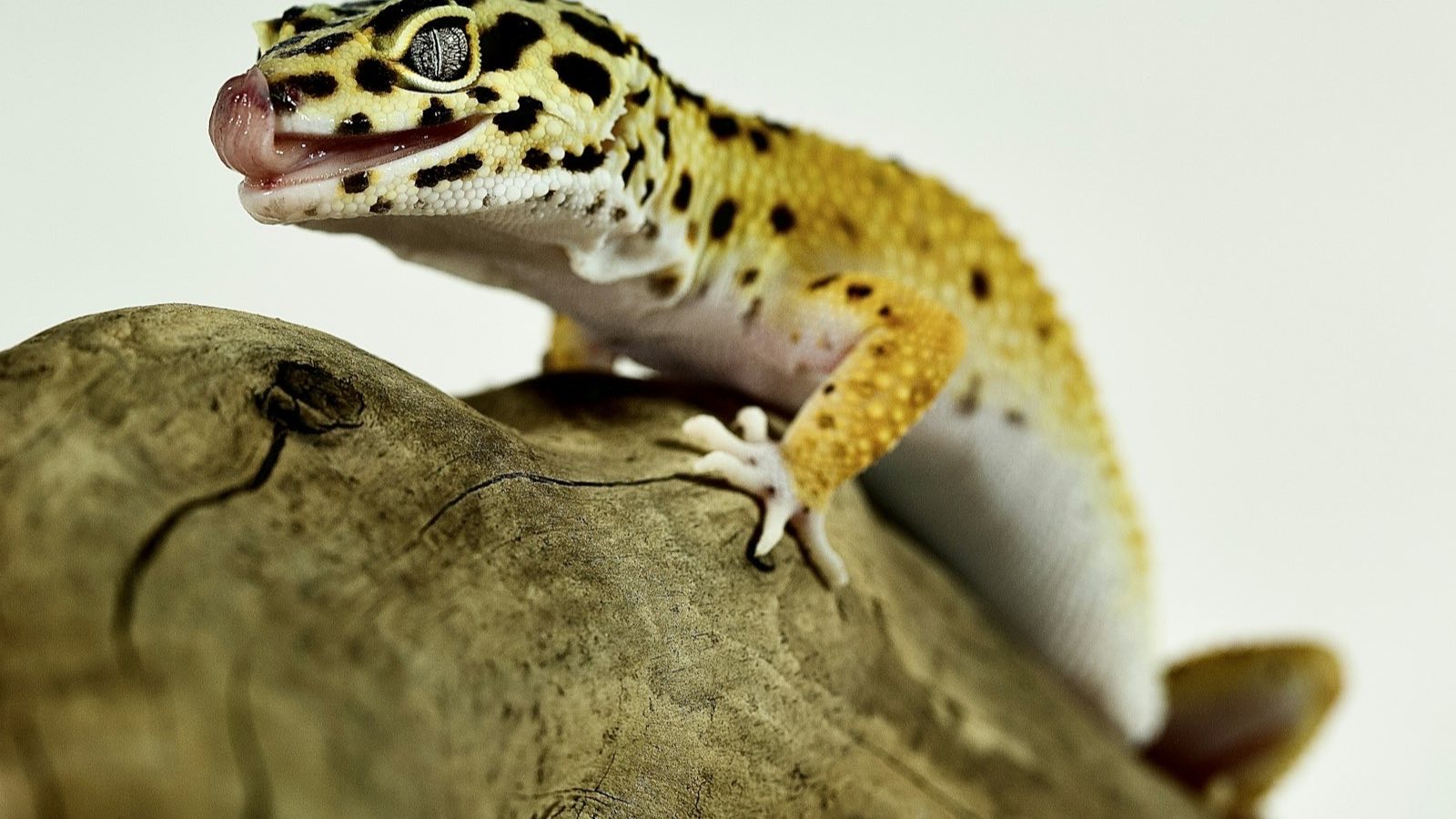
Vet visits, holidays, moving house: sooner or later your reptile will travel. The right carrier, proper car restraint, journey prep: our guides cover the gear and habits that turn a trip into a non-event.
🛒 Our picks from the shop
-
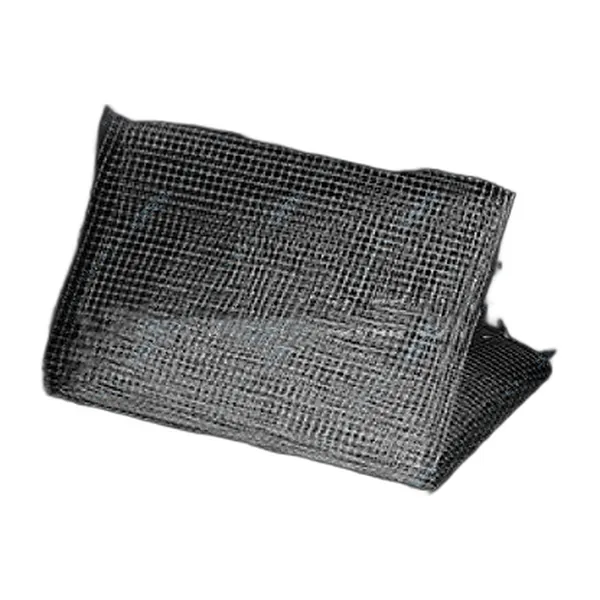 100 × 90 cm escape-proof net with 4 corner brackets for turtle tanks
€44.90
-
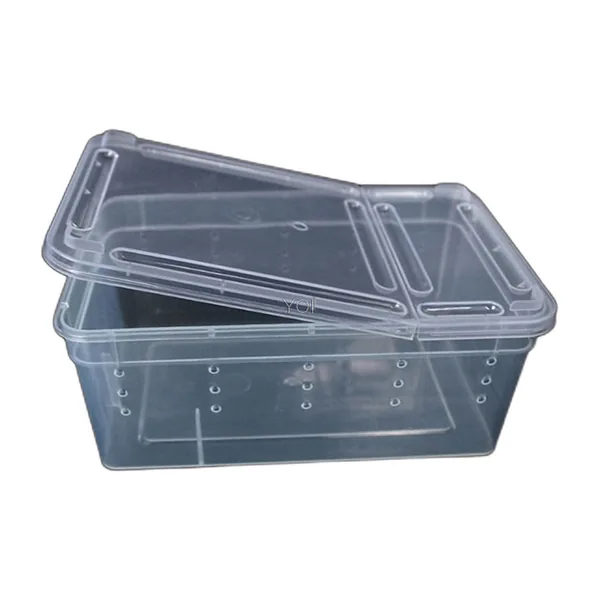 Ventilated clear box for feeder insects, transport and quarantine, 19 cm
€17.90
Delivery in 8 to 15 working days, free from €49 (otherwise €4.90). See the whole shop
The key point : A rigid box, darkness, a wrapped heat pack in winter — and check the species’ legal status before any journey.
Our dedicated guides
- Transporting a Green Iguana to the Vet: Carrier, Heat and Stress
Rigid carrier, keeping the animal warm on the road, and grips to avoid with the tail: how to transport a green iguana to the vet without adding to its stress.
- Handling and Transporting a Pacman Frog: Limiting Stress and Contact
Why the Pacman frog's permeable skin means handling should stay minimal, and how to transport it safely for a vet visit.
- Transporting a Bearded Dragon to the Vet or on a Trip Without Stress
How do you transport a bearded dragon? A suitable box, keeping it warm, a calm journey and gentle re-acclimation to limit the reptile's stress.
- Transporting a Hermann's tortoise to the vet: what a study on handling stress reveals
A study on handling-induced tachycardia in a tortoise shows why a vet trip deserves more care than its slow, armoured passenger suggests.
- Transporting a leopard gecko safely: what a study on caudal autotomy shows
A scientific review on caudal autotomy in lizards explains why handling a leopard gecko during transport calls for particular care around the tail.
- Transporting a Chinese water dragon without stress: the right gear
A rigid, dark, padded box, never a clear container: how to move a nervous, bolting lizard like the Chinese water dragon without injury or panic.
- Transporting a Greek tortoise to the vet without stressing it
Even a short trip durably raises corticosterone levels in tortoises, according to a reference study. Carrier, temperature and duration: how to limit transport stress.
- Going on holiday with a reptile at home: how to organise it?
Holidays with a reptile at home: how long it can stay alone, what to automate (30 to 100 €) and what to hand over to a sitter.
- Heatwave and terrarium: how to protect your reptile from overheating?
In a heatwave, a terrarium can turn deadly above 35-38 °C ambient. The immediate steps and anti-overheating gear from 10 to 60 €.
- Winter power outage: how to keep the terrarium warm?
A winter power outage: a terrarium holds 2 to 6 hours before the critical threshold. Emergency plan, hand warmers and backup gear from 10 €.
- Ball python: does the transport container stress it more than handling does?
Manual restraint, gentle handling, or a closed container: not every transport method affects a ball python the same way. What a comparative study published in Applied Animal Behaviour Science reveals.
- Blue-tongued skink: does handling actually stress it out?
Gentle handling, manual restraint, or a closed box: a comparative study found no significant rise in stress in the blue-tongued skink, unlike the ball python.
- Green iguana: why a perch in the travel carrier lowers its stress
Five minutes of daily handling or no perch at all: a study on fecal glucocorticoids in the green iguana reveals two clearly distinct sources of stress.
- Transporting a crested gecko: why its tail forgives no mistakes
Unlike the leopard gecko, a crested gecko's tail never grows back: what a scientific review of caudal autotomy means for how you transport it.
- Moving house with a terrarium: how do you transport and resettle your reptile?
Moving house with a reptile: how to take the terrarium apart, transport the animal safely and resettle it without unnecessary stress.
- Red-eared slider: what a study on capture and handling changes about how long to keep contact
A study measured corticosterone in wild red-eared sliders after capture and handling: the sharpest rise happens within the first 30 minutes, a useful benchmark for limiting direct handling time.
- Corn snake: what a study on handling duration changes before a trip
A Thai study compared five and ten minutes of handling in corn snakes, with and without an extra hide in the terrarium: the results shed light on the duration worth favouring before transport.
- Green anole: what a study on routine handling changes about fear of transport
A Belgian study handled green anoles twice a day for three weeks without triggering any measurable chronic stress, a reassuring result before occasional trips to the vet.
- Reptiles and CITES: traveling or moving abroad with a protected species
Green iguana, chameleon, tortoise: many pet reptiles fall under the CITES convention. What to check before an international trip or move.
- Transporting a Tokay gecko: managing the stress and bite risk of a territorial gecko
Known for its powerful bite and unsociable temperament, the Tokay gecko calls for special preparation before a vet visit or a move.
- Pacman frog: what a study on its opportunistic diet changes about handling
An Ecuadorian study analyzed the gut contents of wild pacman frogs, revealing a far broader opportunistic diet than expected. Reason enough to understand why it bites so readily.
- Uromastyx: what a study on road noise changes about transporting the animal
A Tunisian study measured higher corticosterone in uromastyx living near roads and urban areas. Reason enough to rethink the calm you preserve during transport.
- Boa constrictor: what a study on capture stress changes about handling time
A study on the Hog Island boa measured a sharp corticosterone rise after just one hour of restraint. Reason enough to limit the length of transport and handling.
- Savannah monitor: what a study on handling heart rate changes about transport
A study measured an almost doubled heart rate in a large lizard handled for just one minute. Reason enough to limit restraint time during transport.
- Day gecko (Phelsuma): what a study on skin fragility in geckos changes about handling it
A landmark review documents regional skin loss across several island gecko genera, including Phelsuma. Reason enough to rethink how you ever grab a day gecko.
- Hermann's tortoise: how long does transport stress stay measurable?
An Italian study measured a 286% rise in cortisol after handling and transport in young Hermann's tortoises, a level that stayed elevated for over four weeks. Reason enough to truly space out avoidable trips.
- Box turtle: at what exact point during capture does stress peak?
A US study tracked corticosterone in 92 wild box turtles from capture to release: the stress peak doesn't come right away, but around the fifty-minute mark of handling.
- Hognose snake: playing dead doesn't mean less stressed
A US field study measured corticosterone in hognose snakes based on their reaction to capture: fleeing, active defence, and death-feigning all triggered a comparable stress rise.
- Handling a European pond turtle triggers a real fever, with no infection at all
In the European pond turtle, handling alone raises the preferred body temperature and heart rate, like a fever — without any infectious agent involved.
- Transporting a veiled chameleon: what a study on its stress hormone reveals
Veiled chameleons are handled as little as possible day to day. A study on wild chameleons shows their accumulated stress hormone rises with body size — a useful cue when a trip becomes unavoidable.
- Transporting a sulcata tortoise: what a study on a giant cousin reveals about stress
In radiated tortoises, a giant cousin of the sulcata, only about half of individuals react strongly to handling with a hormonal spike — the other half barely moves. A useful cue against trusting appearances.
- Transporting an Argentine tegu: why its heart takes longer to recover than it seems
In the Argentine tegu, a study shows heart rate returns to normal well before its variability — a finer marker of recovery — is restored after handling.
- Leaving a reptile in the car: the two figures that settle it
A car cabin hits 47 °C on a 22 °C day, and 80% of the rise happens in thirty minutes. The leopard gecko fails at 41 °C.
- Travelling on holiday with your reptile: what to know before you go
Taking your reptile on holiday by car, train or plane: carrier, temperature control and paperwork to sort out before the trip.
- Green anole: the dominant recovers from stress, the subordinate sinks deeper
A 2004 study puts green anoles through forced movement before and after a hierarchy forms. Social status radically changes how the animal handles the exact same stressor.
- Handling your bearded dragon for 5 or 15 minutes: duration changes its response to novelty
A 2020 study compares bearded dragons handled for 0, 5 or 15 minutes before facing an unfamiliar environment. Same gesture, but the duration is not free.
- The ball python detects heat up to 30 cm, no further: what the study measures
We picture snakes spotting a heat source from a distance. The only threshold study run on the ball python gives a far shorter range than people assume.
- Blue-tongued skink: cold during transport is more stressful than being handled
An Australian study simulated real transport conditions (noise, vibration, cold) in the blue-tongued skink: cold alone clearly cut its activity and lengthened its retreat to shelter.
- Transporting a chameleon to the vet without stressing it out
Transporting a chameleon: which box to use, how to limit the stress of a highly handling-sensitive animal, and temperature precautions on the road.
- Transporting a reptile safely: box, heat pack and rules to know
Transport box, cloth snake bag, heat pack, car journeys and regulatory basics: the guide to moving a reptile without stress.
Travel & safety breed by breed: every reptile profile covers this product family with that species’ own figures.