Pacman frog: what a study on its opportunistic diet changes about handling
Published by Planète Pets · managing editor: Clément Lacaille · how our guides are written
The pacman frog has a reputation as a simple, passive ambusher, motionless most of the time. A study of wild populations shows just how broad and indiscriminate its feeding repertoire actually is, a detail that directly explains the bite risk when handling one. Find all our travel guidance in the reptile travel and safety section.
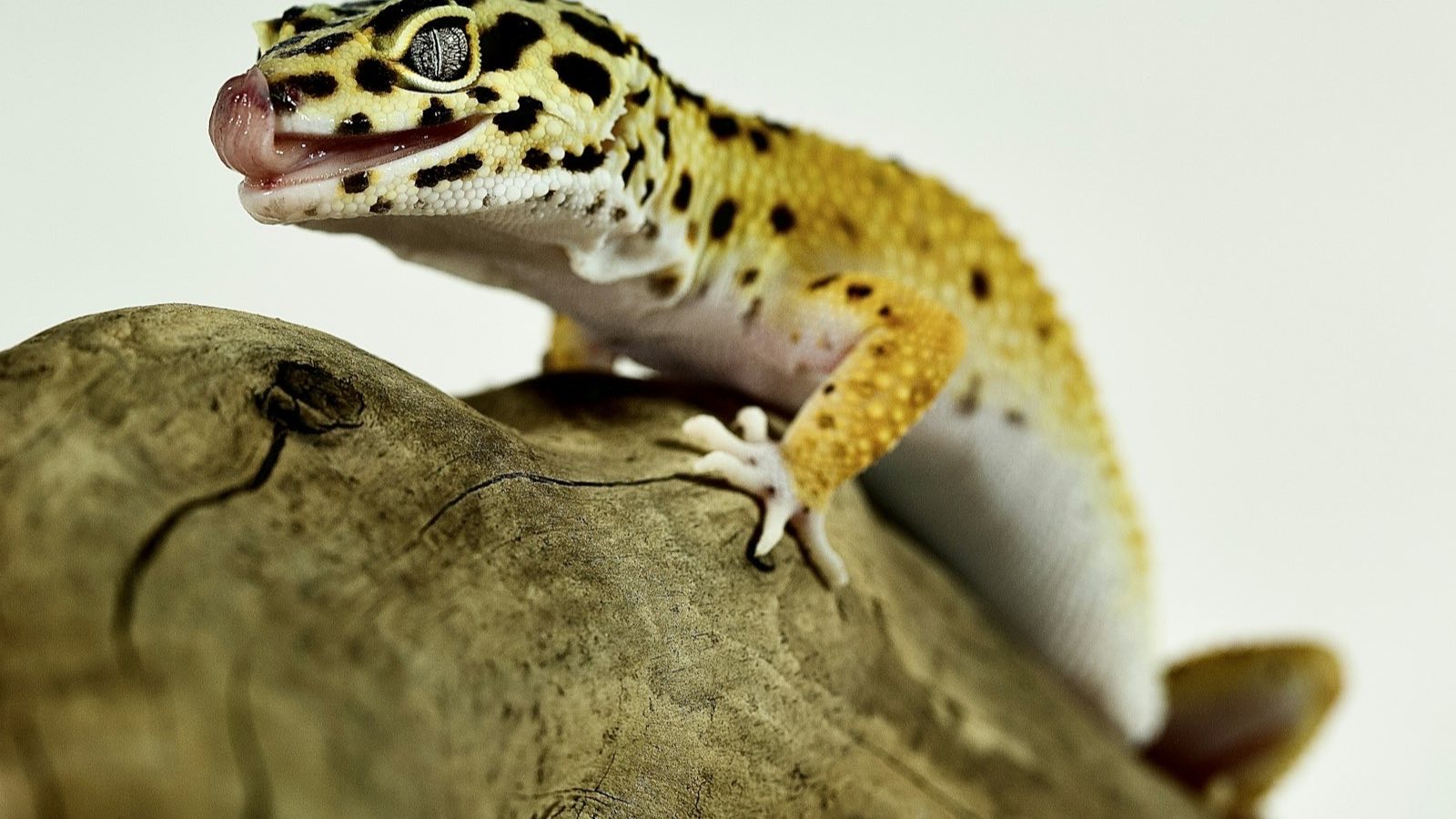
An Ecuadorian study on the wild diet of the pacman frog
Székely, Gaona, Székely and Cogălniceanu published a 2019 study in PeerJ on the feeding ecology of the Pacific horned frog in Ecuador, based on gut content analysis and field observations (study on PeerJ). The researchers measured an extremely broad opportunistic diet in post-metamorphic individuals: mollusks, hymenopterans, centipedes, but also other frogs, snakes, cannibalism among conspecifics, and even necrophagy on already-dead prey. This macrophagy, swallowing prey close to its own body size, held across the whole sample studied, with little real selection filter beyond perceived movement.
What this means for everyday handling
This near-indiscriminate diet, measured directly in the wild, sheds light on a behavior well known to keepers: the pacman frog strikes reflexively at anything that moves near its mouth, including fingers that approach too fast during feeding or terrarium maintenance. This isn't aggression aimed at the keeper, but the expression of an opportunistic hunting strategy that doesn't distinguish between prey and a hand.
- Always feed with long tongs, never bare-handed, regardless of how tame the animal appears to be.
- Move slowly and avoid sudden gestures over the terrarium during maintenance, since a quick movement can trigger a reflex strike.
- Use a net or a container to move it rather than grabbing it bare-handed, especially for a trip to the vet.
This handling caution rounds out the profile in the pacman frog page. Our page on pacman frog travel and safety details the right equipment for a trip.
Frequently asked questions
Is a pacman frog bite dangerous?
It isn't venomous, but its powerful jaws can leave a clean, painful wound; it's always best to keep fingers away from its mouth.
Does the animal recognize its keeper over time?
No, unlike some lizards, the pacman frog mainly responds to perceived movement rather than individual recognition, which is exactly why tongs should always be used.
Should its huge appetite be a concern?
No, this opportunistic behavior is normal both in the wild and in captivity; the real risk is overfeeding, since the animal will accept prey much larger than it needs. Find all our guides in the reptile hub.
In our shop, for this use: Ventilated clear box for feeder insects, transport and quarantine, 19 cm (€17.90) · the whole shop
This guide is part of Planète Pets’s Reptiles universe. Our advice is general in nature: for any health concern, your veterinarian remains the only reference.