🐠Fishkeeping: buying guides and gear
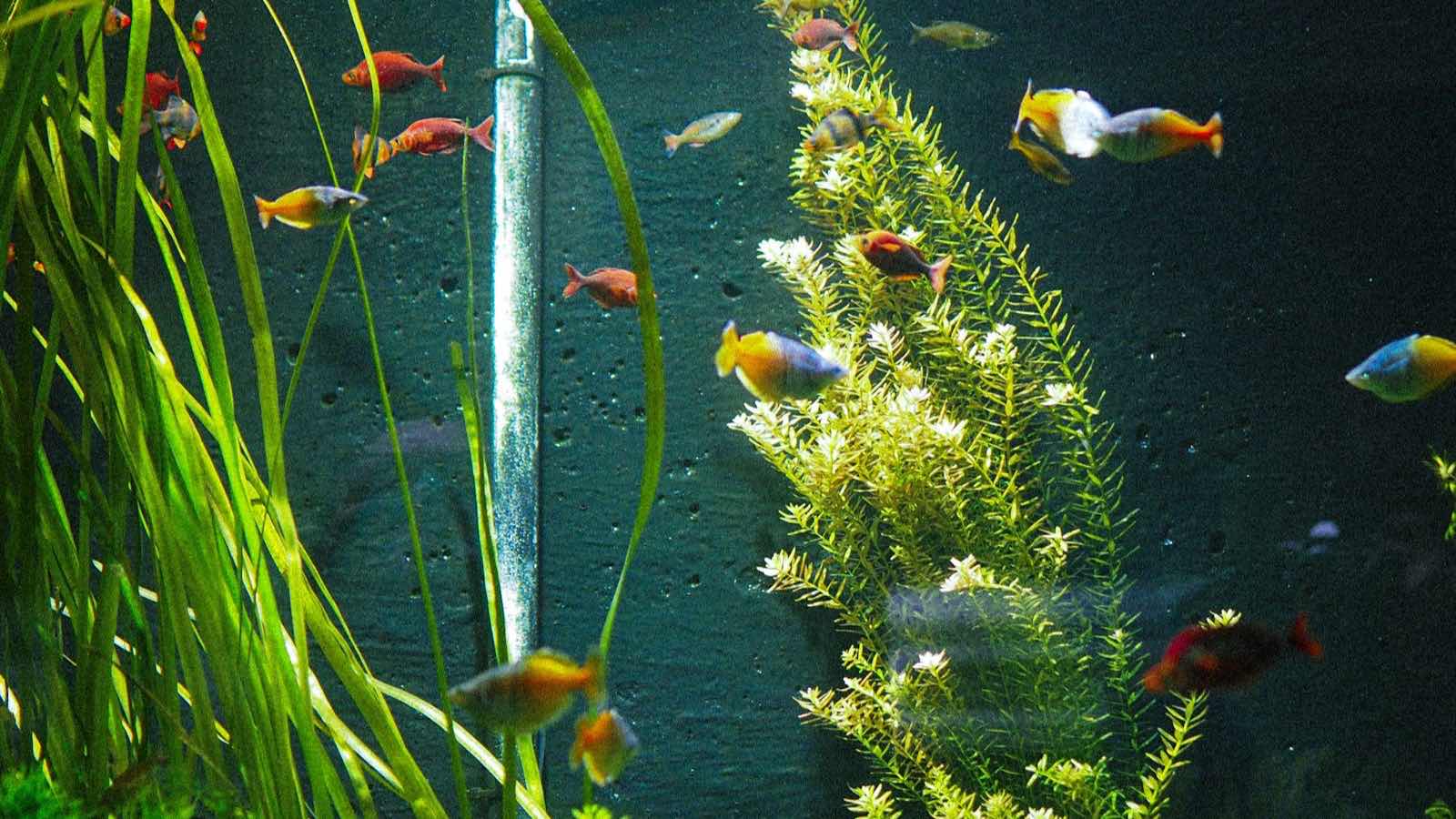
In fishkeeping, nearly every beginner failure comes from equipment or haste: a tank too small, an undersized filter, the nitrogen cycle ignored. Our guides take things in order — tank, hardware, water, and only then fish — for a first aquarium that actually works.
💶 Starting budget: €150–400 for a complete 60–120 litre setup.
Product families
-
🍖
Food
26 dedicated guides
-
🧴
Care & grooming
53 dedicated guides
-
🎾
Toys & enrichment
21 dedicated guides
-
🏠
Bedding & habitat
61 dedicated guides
-
🧳
Travel & safety
25 dedicated guides
-
🧰
Accessories
28 dedicated guides
By breed or species (16)
- Goldfish
- Betta
- Guppy
- Neon tetra
- Platy
- Molly
- Swordtail
- Corydoras
- Angelfish
- Discus
- Danio
- Gourami
- Bristlenose pleco
- Killifish
- Cherry shrimp
- Axolotl
📘 “Beginner 60 L Aquarium” ebook — €19
Everything a first 60-litre aquarium needs, in one clear guide: nitrogen cycle, kit comparison with real prices, start-up checklist and a detailed budget — so you start without killing your fish.
Buy the ebook — €19 See the contents and guarantee
📄 Delivered as a PDF (printable version included). 14-day money-back guarantee.
📘 “Beginner axolotl: aquarium and care” ebook — €19
From an empty tank to a stable, cool aquarium: the “Beginner axolotl: aquarium and care” ebook details cold water without a heater, cycling, water parameters, feeding, cohabitation and prices every budget line (real gear, recorded prices).
Order the ebook — €19 See the contents and guarantee
📄 Delivered as a PDF (printable version included). 14-day money-back guarantee.
All our guides
- Community aquarium or species-only tank: which is right for a first setup?Bedding & habitat
Community aquarium or species-only tank: pros, cohabitation risks and advice for choosing how to set up your first aquarium.
- Best easy aquarium plants without CO2 for beginnersToys & enrichment
Which aquarium plants can you choose without CO2 injection? A selection of hardy, easy plants for a beginner's planted tank.
- Budget for a first brackish water aquarium: the real cost to get startedBedding & habitat
How much does a first brackish water aquarium cost? Tank, filtration, salt and salinity monitoring, budgeted item by item.
- Changing filter media too often: the mistake that wrecks your aquarium's cycleCare & grooming
Why you should never replace all your filter media at once: nitrifying bacteria, replacement frequency and the right habits.
- Restarting a neglected aquarium: a step-by-step guideCare & grooming
How do you restart an aquarium that's been left neglected without endangering the fish? Steps, water changes and mistakes to avoid.
- GH, KH and pH: understanding and adjusting aquarium water hardnessCare & grooming
GH, KH, pH: what do these three readings actually measure, and how do you adjust aquarium water hardness without stressing the fish?
- Upgrading to a bigger aquarium: moving your fish without the stressBedding & habitat
How do you upgrade to a bigger aquarium without breaking the biological cycle or stressing your fish? Steps and mistakes to avoid.
- Aquarium electrical safety: GFCI protection and good habitsTravel & safety
Heater, filter, lighting near the water: what electrical precautions keep an aquarium safe for fish and people?
- Betta fin rot: symptoms, causes and treatmentCare & grooming
How do you recognize and treat fin rot in bettas? Bacterial causes, early warning signs and the right steps to take.
- Floating aquarium plants: which ones to choose and why?Toys & enrichment
Water lettuce, duckweed, salvinia: which floating plants should you choose for your aquarium, and what benefits do they bring?
- Setting up a 60-litre freshwater aquarium: the key stepsBedding & habitat
How to set up your first 60 L freshwater tank without mistakes: equipment, the nitrogen cycle, planting, and adding fish gradually.
- Axolotl tank and care: cold water, setup and a safe floorBedding & habitat
Temperature, gentle filtration, substrate, and volume: how to set up a safe cold-water tank for an axolotl, an amphibian that is fragile in the heat.
- Feeding angelfish: a balanced diet in the aquariumFood
What angelfish (Pterophyllum scalare) eat in an aquarium: a protein base, live or frozen foods, meal frequency, and overfeeding mistakes to avoid.
- How many fish in a 60-litre aquarium? The realistic calculationBedding & habitat
How many fish can you keep in a 60-litre freshwater tank? The centimetre rule, the overstocking mistakes, and examples of a balanced community.
- Fishless cycling: the ammonia methodBedding & habitat
How to cycle a new aquarium without fish using the ammonia method: dosing, duration, seeding and testing for a reliable cycle before the first fish.
- Drip acclimation: settling new fish in safelyTravel & safety
How to acclimate new fish with the drip method: equipment, drip rate, duration and special cases for a smooth, stress-free transfer into the tank.
- Pest snails in the aquarium: where they come from and how to control themCare & grooming
Why pest snails take over an aquarium, whether you should worry, and how to control them: quarantine, predators, traps and simple good habits.
- Aquarium salt in freshwater: useful or dangerous for your fish?Care & grooming
Is aquarium salt in a freshwater tank useful or dangerous? What it really does, when it helps, and which species should never be salted.
- CO2 for planted tanks: pressurised diffuser or liquid carbon?Accessories
Pressurised CO2 diffuser or liquid carbon for a planted aquarium: how each works, cost, precautions and which to choose based on planting density.
- Which First Fish Should You Choose for a 60-Litre Aquarium?Bedding & habitat
Which fish to start a 60-litre freshwater tank with? Hardy species, the right stocking order, and the overstocking mistakes to avoid.
- Axolotl Water Parameters: Temperature, Nitrite and FlowCare & grooming
What water parameters does an axolotl need? Cool temperature, zero ammonia and nitrite, gentle flow: the benchmarks for a sensitive amphibian.
- Feeding Fish Fry: First Meals and Feeding FrequencyFood
What should you feed fish fry? First-meal timing, food sized for tiny mouths, and how often to feed newly hatched fish.
- Algae-Eating Fish and Snails: Which Ones Should You Choose?Care & grooming
Otocinclus, bristlenose pleco, nerite snails: which algae-eating fish and snails should you pick depending on the algae type and tank size?
- Lake Malawi African Cichlid Aquarium: Hard Water and DécorBedding & habitat
How do you set up a Lake Malawi cichlid aquarium? Hard, alkaline water, stacked rockwork, and dense stocking to reduce aggression.
- Transporting Fish Long Distance: Plane, Car and StressTravel & safety
How do you transport fish long distance without stressing them? Double-bagging, thermal insulation and water quality management on the road.
- Hiding Spots and Enrichment for Shy or Stressed FishToys & enrichment
How do you reduce stress in a shy fish? Hiding spots, broken sightlines and a stable layout: the basics of aquarium enrichment.
- Can You Hold an Axolotl? Handling, Risks and the Right MovesCare & grooming
Should you handle an axolotl? Fragile skin, protective slime coat, when and how to move it without harming or stressing it, and why to avoid taking it out of water.
- Chlorine and Chloramine in Tap Water: Why They Kill Your FishCare & grooming
Chlorine and chloramine in tap water are toxic to fish and to your biofilter. Why you must condition water before every water change or new tank setup.
- Why Is a Male Betta Aggressive? What to Know Before Tank MatesBedding & habitat
Male betta (Siamese fighting fish) aggression is a documented territorial behavior, not quirkiness. Why two males never cohabit and what tank mates to consider.
- Guppy Reproduction: Why the Population Explodes and How to Manage ItBedding & habitat
Guppies breed very fast with no intervention needed. Why this rapid reproductive strategy exists, and how to avoid overpopulation in a community tank.
- Jumping Fish: Which Species Are Likely to Leap Out of the TankTravel & safety
Danios, killifish, bettas... some fish species jump out of the water easily. Why a well-fitted lid is essential and what warning signs to watch for.
- Beginner 60 L freshwater aquarium: kit, budget and setupBedding & habitat
Which 60-litre freshwater aquarium kit should a beginner buy? Full budget item by item, week-by-week setup (nitrogen cycle) and a proven stocking plan.
- Nano shrimp tank: the essential equipment to start off rightBedding & habitat
What equipment does a nano shrimp tank need? Volume, gentle filtration, the right substrate and a full budget: the complete checklist for keeping Neocaridina.
- Betta tank of 20-30 litres: the ideal setup, step by stepBedding & habitat
How do you set up a 20 to 30 litre betta tank? Low-flow filtration, heating, resting plants and a lid: the ideal setup explained in detail.
- Garden pond for goldfish: volume, equipment and budgetBedding & habitat
How do you build a garden pond for goldfish? Minimum volume, frost-free depth, filtration and predator protection: the complete guide with budget.
- RO units and reverse osmosis water in aquariums: who actually needs it?Care & grooming
Is reverse osmosis water essential for an aquarium? Find out who really needs an RO unit, how to remineralize and what budget to plan (unit or jerrycan).
- Water conditioner and starter bacteria: essential or just marketing?Care & grooming
Water conditioner and starter bacteria: what do they actually do? Chlorine, heavy metals, faster cycling: what to buy and what to skip.
- Fertilizer and CO2 for aquarium plants: start simple, skip the lab setupToys & enrichment
Do aquarium plants need fertilizer and CO2? The simple starter method: liquid fertilizer, easy plants, and when injected CO2 actually becomes worthwhile.
- Driftwood and rocks for aquariums: which ones are safe for your fish?Toys & enrichment
Which driftwood and rocks are safe in an aquarium? Tannin-releasing woods, limestone rocks to avoid, the vinegar test and preparation: the complete guide.
- Live and frozen fish food: the guide to getting startedFood
Bloodworms, brine shrimp, daphnia: live and frozen food transforms your fish’s health. Formats, prices, precautions and the ideal feeding frequency.
- Automatic fish feeder: go on holiday with peace of mindFood
Which automatic fish feeder should you choose for the holidays? Drum or screw mechanism, anti-overfeeding settings, prices: the guide before you leave.
- Weekly aquarium maintenance checklist: the gear that changes everythingAccessories
The 20-minute weekly aquarium maintenance checklist: gravel vacuum, algae scraper, dedicated bucket… the smart gear and the essential steps.
- Filter media: sponge, ceramic, carbon… which ones actually matter?Accessories
Sponge, ceramic rings, activated carbon, filter floss: what each filter media does, the right order to stack them and when to replace without killing the filter.
- Aquarium UV sterilizer: the radical fix for green waterCare & grooming
A UV sterilizer clears green aquarium water within days. How it works, wattage, prices and limitations: what to know before you buy.
- Aquarium lid: stop evaporation (and flying fish)Accessories
An aquarium lid limits evaporation, jumping fish and heat loss. Glass, hood or net: the options, prices and how to top up the water correctly.
- Aquarium stand: the weight mistake beginners keep makingBedding & habitat
An aquarium stand must bear 1.5 times the tank volume in kilos. Calculating the real weight, furniture to avoid, levelling: avoid the fatal mistake.
- Hospital and quarantine tank: the kit that saves your fish (and your tank)Care & grooming
A hospital quarantine tank keeps diseases and parasites out of your main aquarium. The complete low-cost kit: tank, filter and heater.
- Fish nets and handling: the stress-free methodTravel & safety
Choosing the right aquarium net and handling fish without stress: size, soft mesh, the two-net technique and alternatives to netting.
- Test strips or liquid test kits: which should you choose for your aquarium?Care & grooming
Test strips or liquid test kits for your aquarium? Accuracy, cost per test, parameters covered: the honest comparison and the mixed strategy that works.
- Heater or filter failure: the emergency kit that saves the aquariumTravel & safety
Aquarium heater or filter failure: the right moves hour by hour and the 50-80 € emergency kit that prevents a wipe-out (battery air pump, thermometer).
- Aquarium lighting duration: the one setting that stops algaeAccessories
How many hours of light for an algae-free aquarium? 6 to 8 continuous hours, a timer, the siesta method: the precise settings that make the difference.
- Cloudy water in a new aquarium: the bacterial bloom explainedCare & grooming
Milky, whitish water in the first days of a new aquarium is almost always a bacterial bloom. Why it happens and how to let it pass without making mistakes.
- Low oxygen in summer: why warm water suffocates fishCare & grooming
The warmer the water, the less oxygen it holds, while fish need more of it. How to recognise summer oxygen shortage and prevent it.
- 60-litre aquarium: dimensions, real weight and where to put itBedding & habitat
A 60-litre tank is not a trinket you can set down anywhere: here are its usual dimensions, its real weight once filled and the criteria for choosing a good spot.
- Feeding an axolotl: which foods, how often and how muchFood
The axolotl is a strict carnivore with simple but precise needs. Which foods to choose, how often to feed it by age and how to size portions without overfeeding.
- Which fish live well together in a 60-litre aquariumBedding & habitat
A successful 60-litre community tank depends less on the number of fish than on matching temperament and needs. Which species to choose, which to avoid.
- Feeding a discus: frequent meals, warm water and the parental mucus behaviourFood
The discus has a different metabolism from other aquarium cichlids: warmer water, split meals, and a unique fry-feeding behaviour. Here is how to feed it properly.
- Corydoras: why a group of at least six and a soft substrate matterBedding & habitat
The Corydoras is a gregarious catfish that is often poorly housed: too few tank mates, on an abrasive substrate. Here is why the group and the floor matter as much as water quality.
- Copper and algae treatments: what is deadly for Cherry shrimpCare & grooming
Dwarf shrimp like the Cherry shrimp are far more sensitive to copper than fish. Here is why, and how to avoid an accidental poisoning in a nano tank.
- Gourami: why it needs free access to the water surfaceAccessories
The gourami also breathes atmospheric air thanks to a unique organ, the labyrinth. That changes how you set up its tank: surface space, gentle filtration and a well-thought-out lid.
- Should you turn off the aquarium filter at night? The clear answerAccessories
Switching the filter off at night to save money or noise is a false good idea. Why the filter must run 24/7 and what really happens when you stop it.
- Betta in a bowl: what a welfare study actually showsBedding & habitat
Keeping a betta in a plain bowl is still common, but a study comparing several tank sizes shows a clear effect of space and furnishings on its behaviour.
- Old tank syndrome: why a sudden big water change can do harmCare & grooming
A long-neglected aquarium adapts to high nitrates. A sudden large water change can then shock the fish rather than help them. Understanding this risk and avoiding it.
- Diatoms: why a new aquarium turns brownAccessories
A brownish, powdery film covering glass and decor in the first weeks of a new aquarium is almost always a diatom bloom, tied to available silicate. Understanding and managing this normal phase.
- Gravel vacuum: cleaning the substrate without breaking the nitrogen cycleCare & grooming
Running a gravel vacuum removes waste built up in the substrate without destroying the filter's useful bacteria. The right frequency and technique for effective, risk-free cleaning.
- Feeding an ancistrus (pleco): vegetables, driftwood and the 'cleaner fish' mythFood
An ancistrus doesn't live on tank algae: it needs vegetables, plant fibre and a piece of wood to rasp. What this catfish really eats, and why it isn't just a cleaner.
- Brackish aquarium: which species and how to set it upBedding & habitat
Between fresh and salt water, brackish has its own favourite fish and rules. Which species to choose, what salinity to aim for and how to set up a brackish tank as a beginner.
- Feeding guppies: what to give, how often and how to vary itFood
A lively little omnivore, the guppy needs a varied diet but in small amounts. What foods, how many times a day and how to avoid overfeeding, the number-one cause of problems.
- Water parameters for shrimp (Neocaridina, Caridina): the beginner's guideCare & grooming
Tolerant Neocaridina or demanding Caridina: aquarium shrimp don't share the same needs. GH, KH, pH, temperature and the danger of copper, explained to succeed with a shrimp tank.
- Nitrite in the aquarium: why it poisons fish and what to doCare & grooming
Invisible but formidable, nitrite blocks oxygen transport in fish blood. Where it comes from, how to spot it and how to react fast to avoid a wipeout.
- Goldfish tank size: how many litres, how many fish and why growth depends on itBedding & habitat
A goldfish needs far more than a bowl: at least 50 to 60 litres for the first fish, then 40 to 50 litres each. Why water volume drives its growth and health.
- Goldfish: cold water, heaters and the ideal temperatureBedding & habitat
The goldfish is a cold-water fish, but 'cold' does not mean freezing. What temperature to aim for, whether it needs a heater, and how to protect it from thermal shocks and hot summers.
- Goldfish or Koi in a Garden Pond: What's the Difference Before You Decide?Bedding & habitat
Goldfish and koi look alike in photos, but their adult size, lifespan and the pond volume they need are worlds apart. The benchmarks to choose without regret.
- What Tank Setup for Shrimp and Nerite Snails Living Together?Bedding & habitat
Dwarf shrimp and nerite snails are a classic nano-tank pairing: no competition, no predation, and cleanup duties naturally split between them. Volume, parameters and setup to plan for.
- Budget for an Amano and Red Cherry Shrimp Tank: The Real Cost, Item by ItemBedding & habitat
A nano shrimp tank costs less than a fish aquarium, but it is not free either. Starting equipment, the price of the shrimp themselves, and monthly upkeep, broken down item by item.
- Using Rainwater for Your Aquarium: Good Idea or Risk to Avoid?Care & grooming
Rainwater seems soft, free and chlorine-free, but it is far from neutral for an aquarium. What it actually contains, the real risks, and the cautious uses that remain possible.
- Away for Months (Study Abroad, Expat Move): How to Arrange Aquarium Care?Travel & safety
An automatic feeder covers a two-week holiday, not several months away. Realistic options for not sacrificing your fish's welfare: a trusted person, temporary rehoming, or rehoming for good.
- Goldfish Floating Upside Down or Stuck at the Bottom: Swim Bladder Disorder, Symptoms and TreatmentCare & grooming
A goldfish swimming on its side or stuck at the surface is almost always dealing with a digestive swim bladder disorder. Causes, at-risk varieties, and treatment without medication.
- Betta Sorority Tanks: Good Idea or Bad Idea?Bedding & habitat
A sorority tank houses several female bettas together, but the cohabitation is trickier than it looks: females can be just as aggressive as males. The numbers, volume and layout that actually matter.
- Neon Tetra Disease: Symptoms, and Why It's Often MisdiagnosedCare & grooming
Discoloration, erratic swimming, weight loss: neon tetra disease worries fishkeepers, but a study shows it is often confused with a different, far more common and treatable illness.
- Freeze-Dried or Frozen Tubifex Worms: What Real Risk Do They Pose to Your Fish?Food
Live tubifex has long been a documented health hazard in fish farming. Why freeze-drying and freezing became the standard, and how to feed these worms without unbalancing your fish's diet.
- Redox (ORP) Probes in a Marine Aquarium: Gadget or Genuinely Useful Tool?Accessories
A redox probe measures the oxidising power of water, a metric tracked in reef tanks running ozone. Which setups actually benefit from this accessory, and can you safely skip it?
- Velvet Disease (Oodinium) in Fish: Spotting the Gold Dust and Treating It in TimeCare & grooming
A fish rubbing against decor, its skin dusted with fine gold powder: velvet disease progresses fast and can wipe out a tank in days. Symptoms, diagnosis and treatment.
- Hatching Your Own Brine Shrimp at Home to Feed Fry and FishFood
Freshly hatched brine shrimp nauplii rank among the best live foods for starting fry or triggering breeding in adults. Equipment, steps and feeding for a home hatchery.
- Preparing a Piece of Driftwood Before Adding It to Your AquariumBedding & habitat
Poorly prepared driftwood floats, releases too many tannins at once, or introduces unwanted organisms. Soaking, boiling and choosing safe wood types before decorating your tank.
- Magnetic Aquarium Glass Cleaners: Glass or Acrylic, Which Should You Choose?Accessories
A magnetic cleaner avoids putting your hands in the water, but not every pad suits every tank material. The wrong model can leave lasting scratches on an acrylic tank.
- Bacterial Biofilm on Aquarium Glass and Decor: Normal or a Sign of Trouble?Care & grooming
A clear, slightly slimy film often appears a few days after filling a new tank. Most of the time this bacterial biofilm is perfectly normal — here's when it actually deserves concern.
- New or second-hand aquarium: which should you choose to get started?Bedding & habitat
New or second-hand aquarium? Buying used cuts the price in half or better, as long as you check the seals, scratches and equipment. The full comparison, prices included.
- All-in-one aquarium kit or separate components: which to choose as a beginner?Accessories
All-in-one aquarium kit or buying components separately? The kit costs 20 to 30 % less, separate components last longer. Detailed comparison with prices.
- Freshwater or saltwater: where should you start in fishkeeping?Bedding & habitat
Freshwater or saltwater for a first aquarium? Freshwater costs 4 to 5 times less and forgives mistakes. Comparison of budget, maintenance and difficulty.
- Sand or fine gravel for the aquarium: which substrate to choose?Toys & enrichment
Sand or fine gravel for your aquarium? Sand suits bottom-sifting fish, gravel makes maintenance easier. Complete comparison with prices per litre.
- Hang-on-back or internal filter: which to choose for your aquarium?Care & grooming
Hang-on-back or internal filter for your aquarium? The hang-on-back frees up space and is serviced without hands in the water, the internal costs less. Comparison.
- The 10 first-aquarium mistakes (and how to avoid them)Bedding & habitat
The 10 first-aquarium mistakes: tank too small, fish bought the same day, overstocking, excessive cleaning… The complete list for a successful start.
- Buying the fish and the aquarium on the same day: why it is the fatal mistakeCare & grooming
Buying fish and aquarium the same day exposes your fish to the ammonia spike: 3 to 4 weeks of cycling are essential. Explanations and timeline.
- Goldfish in a bowl: why it only seems like a good ideaBedding & habitat
The goldfish bowl only seems like a good idea: a goldfish needs at least 50 litres per individual, filtration and companions. Explanations and costed alternatives.
- How many fish in an aquarium? The rule to avoid overstockingBedding & habitat
How many fish in an aquarium? Remember 1 cm of adult fish per real litre, half that for heavy polluters. Calculation method and examples by volume.
- Should you change all the aquarium water? No, and here is whyCare & grooming
Changing all the aquarium water destroys the bacterial balance and stresses the fish. Best practice: 10 to 25 % per week. Method and special cases.
- How much does an aquarium cost per month? Electricity, food and consumablesAccessories
How much does an aquarium cost per month? Allow 10 to 25 € for a 100-litre tank, electricity included. Item-by-item breakdown: heating, lighting, food, water.
- 120-litre aquarium budget: the complete price, item by itemBedding & habitat
What budget for a complete 120-litre aquarium? Allow 350 to 550 € new, 200 to 300 € with smart choices. The breakdown: tank, cabinet, tech, substrate, plants, fish.
- Second-hand aquarium equipment: what to accept, what to refuse?Accessories
Second-hand aquarium equipment: tank, cabinet and decor are good deals, old heaters and ageing seals are to be refused. The complete checklist before buying.
- Low-tech aquarium: the method to save money without shortchanging the fishToys & enrichment
The low-tech aquarium bets on plants rather than technology: no CO2, sometimes no heater, reduced maintenance. Budget, suitable species and setup method.
- How much does fish food cost per month? Real budget and money-saving tipsFood
The aquarium fish food budget: 3 to 8 € per month for a 100-litre community tank. Breakdown by food type and anti-waste tips.
- Aquarium and children: safety, rules and good habits at homeTravel & safety
An aquarium with children at home: a stable cabinet, a closed hood, secured sockets and clear rules. The complete safety guide, age by age.
- Going away for two weeks: how to manage the aquarium without stress?Food
Going on holiday for two weeks with an aquarium: healthy adult fish fast for a week without risk; beyond that, an automatic feeder or a neighbour. The full departure plan.
- An aquarium at the office: good idea? Constraints, budget and suitable speciesBedding & habitat
Setting up an aquarium at the office: calming and community-building, as long as you manage weekends, air conditioning and responsibilities. The full guide with budget.
- Extended power cut: how to save your aquarium?Travel & safety
Power cut and aquarium: fish hold out 2 to 6 hours without risk, then you must oxygenate and insulate. The life-saving steps, hour by hour.
- Bringing your fish home from the pet store: transport and acclimatisation done rightTravel & safety
Bringing fish home from the pet store properly: a short, warm journey, the bag kept dark, then 30 to 45 minutes of drip acclimatisation. The complete method.
- Filamentous (Hair) Algae in Aquariums: Causes and How to Get Rid of ItCare & grooming
Long green strands cling to plants and decor and grow back within days of every cleanup. Understanding why filamentous algae thrives before reaching for a lasting fix.
- High Nitrates in Your Aquarium: Where They Come From and How to Lower ThemCare & grooming
Unlike nitrites, nitrates do not kill within hours, but a persistently high level stresses fish and weakens the tank. Where they come from and concrete ways to bring them down.
- Can You Feed Your Goldfish Fresh Vegetables?Food
Shelled peas, blanched courgette or cucumber: goldfish digest plant fibre far better than most carnivorous fish. Which vegetables to offer and how to prepare them.
- Active Substrate (Aqua Soil) for Planted Tanks: What It Does and How to Maintain ItBedding & habitat
Unlike sand or neutral gravel, active substrate gradually releases nutrients and slightly lowers pH. How it works, its benefits and its limits over time.
- Moving House With an Aquarium: How to Transport the Filter and Heater Without Crashing the CycleTravel & safety
Draining the filter or letting it dry out during the trip kills off much of its nitrifying bacteria. How to keep the filter media wet and alive while moving house.
- Columnaris (Cotton Mouth Disease) in Fish: Spotting the White Threads and Treating FastCare & grooming
Whitish threads around the mouth, fins fraying at the edges: columnaris can progress within hours. Symptoms, triggers and treatment.
- Hexamitosis (Hole-in-the-Head Disease) in Cichlids: Causes and TreatmentCare & grooming
Small erosions appear on the head or lateral line of some cichlids: hexamitosis remains poorly understood but is often linked to diet and stress. What to know before acting.
- Programmable Timer for Aquarium Lighting: Why and How to Set ItAccessories
Switching the tank light on and off by hand eventually means a missed day and an algae spike. A programmable timer stabilises the photoperiod for a few dollars. Settings and mistakes to avoid.
- Why You Should Quarantine Aquarium Plants Before Adding Them to Your TankBedding & habitat
Unwanted snails, parasite eggs, pesticide residue: an un-quarantined plant can bring far more than greenery into a balanced tank. A simple method before planting.
- Goldfish Alone or in a Group: Do You Need More Than One?Bedding & habitat
Goldfish are usually bought one at a time, but they're a naturally social species. What group living changes (and doesn't), and the volume it takes.
- Regulated or Protected Aquarium Fish: What to Check Before You BuyTravel & safety
Asian arowana, seahorses... a handful of aquarium fish species are protected under CITES with specific rules. How to check before you buy.
- High-End Planted Aquascape Budget: What Does a CO2 Tank Really Cost?Bedding & habitat
Nutrient substrate, CO2 diffuser, strong lighting... a proper aquascape costs a lot more than a basic planted tank. The real budget, item by item.
- Using the Same Net for Several Tanks: The Mistake That Spreads DiseaseCare & grooming
A single wet net is enough to carry parasites and bacteria from one tank to another. Why dedicating equipment to each aquarium changes everything.
- Giving a Fish or an Aquarium to a Child: Good Idea or Bad Idea?Care & grooming
A goldfish won at a fair or a tank unwrapped at Christmas: charming on paper, but the day-to-day care almost always lands on the parents.
- Dropsy in Fish: Symptoms, Causes and TreatmentCare & grooming
Pinecone scales, swollen belly... dropsy is a serious sign, not a disease in itself. How to recognise it and act fast.
- Vitamin Supplements for Aquarium Fish: Useful or Marketing?Food
Vitamin C, oils, immune boosters... are the supplements sold for aquarium fish actually necessary alongside a varied diet?
- Silent Cycling: Can Plants Skip the Fishless Cycle?Bedding & habitat
Silent cycling uses fast-growing plants to absorb ammonia from day one. Does it really work without a classic nitrogen cycle in place?
- Sponge Filters for Shrimp and Fry Tanks: Why They're the Safer ChoiceAccessories
Gentle flow, no intake risk, easy upkeep... sponge filters remain the go-to choice for shrimp and fry tanks. How to pick a good one.
- Shrimp and Betta Cohabitation: Good Idea or Guaranteed Risk?Bedding & habitat
The betta is a natural predator of small shrimp. When cohabitation can actually work, and why it usually fails.
- Noise and Vibration Near the Tank: A Real Stress FactorCare & grooming
Tapping the glass, an aquarium next to a speaker or a busy hallway: these disturbances genuinely raise stress levels in fish.
- Shoal Size and Aggression: Why a Small Group Goes WrongBedding & habitat
Too few individuals in a shoal of schooling fish concentrates aggression on just a few. How many do you actually need for peaceful cohabitation?
- The Goldfish's Three-Second Memory: A Persistent MythToys & enrichment
No, a goldfish doesn't forget everything in three seconds. Science shows a far more developed memory, with real implications for enrichment.
- Cold Shock in Transport: Winter's Underestimated RiskTravel & safety
A transport bag that cools quickly in a car or in the cold outdoors exposes a fish to cold shock. How to prevent it in winter.
- Tank Background Color: A Real Stress FactorBedding & habitat
Blue, black, white, red: the color of an aquarium's background and decor measurably affects a fish's cortisol and stress levels.
- Boldness and Shyness in Guppies: A Real PersonalityToys & enrichment
Some guppies explore without hesitation, others stay tucked behind a plant. Science confirms a stable personality in this popular fish.
- Betta Bubble Nests: What Do They Actually Reveal?Care & grooming
A betta building a bubble nest isn't necessarily happier, but the behavior is tied to some interesting measurable traits.
- Do Fish Feel Pain? What the Science SaysTravel & safety
Long doubted, a fish's ability to feel pain now rests on solid evidence that justifies handling them gently.
- Power Outage: Why Goldfish Outlast Tropical Fish Without AerationCare & grooming
A scientific discovery explains why goldfish survive longer than tropical fish during an aeration or filtration outage.
- Alarm Substance: Why You Should Isolate an Injured Fish After HandlingTravel & safety
An injured fish releases a chemical signal that stresses the whole shoal. A study explains why isolating it helps healing and calms the tank.
- Structured Decor: What a Study Reveals About Fish's Real PreferencesBedding & habitat
A behavioral study shows fish clearly choose the most structured areas of a tank when given the option.
- Can Fish Count? What a Study on Numerical Discrimination ShowsToys & enrichment
A behavioral study reveals that some fish instinctively distinguish the larger group, a reflex tied to survival against predators.
- Can an Archerfish Really Recognize a Human Face?Toys & enrichment
A study shows archerfish can distinguish human faces they have never seen before, a cognitive skill that informs tank enrichment.
- Why Diet Directly Shapes a Guppy's ColorFood
A scientific study shows male guppy orange coloration depends on dietary carotenoids, not just genetics.
- Fish Sleep: Why Real Nighttime Darkness in the Tank MattersBedding & habitat
A zebrafish study shows constant light disrupts sleep much like insomnia, with consequences for tank management.
- Damaged Fin: How Does a Fish Actually Regrow It?Care & grooming
A scientific review explains how a fish regenerates an injured fin and what speeds up or slows down that regrowth.
- Sores That Won't Heal After Tank Work: The Fish Tank Granuloma RiskCare & grooming
A study documents fish tank granuloma, a skin infection aquarists can pick up by putting bare hands into the tank.
- Does a Goldfish Really Remember Feeding Time?Food
A goldfish study shows fish learn to anticipate a precise feeding schedule, an argument for a regular feeding routine.
- Can a Fish Learn Tricks? What Cognitive Training Studies ShowToys & enrichment
A rainbow trout study shows an enriched environment improves learning ability, an argument for stimulating your fish.
- Should a Fish Be Sedated for Transport? What a Betta Study ShowsTravel & safety
A betta study shows a low dose of clove oil reduces stress during prolonged transport.
- Feeding the Same Food Every Day: The Deficiency Mistake to AvoidFood
Always giving your fish the same food can lead to deficiencies; here's how to vary their diet without overcomplicating it.
- Anchor Worms and Fish Lice (Argulus): How to Spot and Treat ThemCare & grooming
A whitish thread stuck in the skin, or a small flat disc that moves around: two external fish parasites to recognize and treat quickly.
- Custom-Built or Off-the-Shelf Aquarium: Which Should You Choose?Bedding & habitat
A made-to-order tank or a series model: comparing lead times, budget and the cases where custom-built is genuinely worth the extra cost.
- Home Renovation and Paint: How to Protect Your Aquarium From Toxic FumesTravel & safety
Paint, glue, spray insecticide: these fumes can kill fish from a distance. Here's how to protect your tank during home renovation work.
- 3D-Printed Aquarium Decor: Which Plastics Are Safe for Fish?Toys & enrichment
A 3D-printed cave, tower or reef: not all plastics are equal in an aquarium. Here's what's safe and what to avoid.
- Corner or rectangular aquarium: which should you choose for your home?Bedding & habitat
Corner or rectangular aquarium? A corner tank saves floor space but costs 30 to 50% more per litre and is harder to maintain. The full comparison.
- Best aquarium thermometer: suction, digital or wireless — which should you choose?Accessories
Aquarium thermometer: suction-cup (3 €), digital probe (10-15 €) or wireless (20-30 €)? Accuracy, readability and budget for tracking temperature properly.
- Beginner reef aquarium budget: the real price, line by lineBedding & habitat
Going reef costs 3 to 5 times more than freshwater: expect 600 to 1,000 € for a first complete 100-150 litre tank. The full breakdown, line by line.
- Overfeeding your fish: the most common (and most dangerous) mistakeFood
Overfeeding fish pollutes the water faster than any other mistake: uneaten food after 2-3 minutes, rising ammonia, algae and disease in a chain reaction.
- Aquarium in a rental: what are the rules with your landlord or flatmates?Bedding & habitat
Setting up an aquarium in a rental raises three questions: floor load, water damage and landlord agreement. What to check before investing in a tank.
- Feeding Herbivorous Reef Fish: Nori Seaweed and Green SupplementsFood
Tangs, dwarf angelfish, grazing blennies: these reef herbivores need algae every day, not just carnivore-formulated pellets.
- Marine White Spot (Cryptocaryon irritans): How It Differs From Freshwater IchCare & grooming
Marine tank white spot isn't caused by the same parasite as freshwater ich and doesn't respond to the same treatment: the key differences.
- Clownfish and Anemone: Understanding Their Symbiosis Before Housing Them TogetherBedding & habitat
The clownfish-and-anemone pairing made famous on screen doesn't just happen in a reef tank: conditions, species compatibility and limits to know.
- Automatic Calcium and Alkalinity Doser for Reef Tanks: What It's ForAccessories
Hard corals consume calcium and alkalinity continuously: an automatic doser avoids the swings that irregular manual dosing causes.
- The Cleaner Wrasse and Its Cleaning Station: A Case Study in CooperationToys & enrichment
On the reef, some fish clean others of their parasites in exchange for food: an example of cooperation closely studied by scientists.
- A Pinch of Salt in the Transport Water: Why It Reduces Fish StressTravel & safety
Adding non-iodized salt to the transport bag or bucket limits stress-related electrolyte loss, according to a study on farmed fish transport.
- Feeding Enrichment Devices: What the Science Says About Foraging in FishToys & enrichment
Delivering food in a way that requires a bit of searching stimulates a fish far more than food dropped into the tank all at once.
- Water Clarifiers (Flocculants): How They Clear Up a Cloudy AquariumAccessories
A water clarifier clumps together microscopic suspended particles so the filter can finally catch them: the principle explained simply.
- Broodstock Nutrition Before Spawning: Why the Diet MattersFood
How well fish broodstock are fed in the weeks before spawning directly affects how successful the breeding attempt turns out to be.
- Stocking Density and Fish Stress: What a Trout Study ShowsCare & grooming
Beyond a simple liters-per-fish calculation, stocking density directly affects stress hormones and fish health.
- Molly or Platy: Which Livebearer Fish for a Beginner Community Tank?Accessories
These two hardy livebearers look similar on paper, but their adult size and water needs mean they aren't always interchangeable.
- Feeding a Zebrafish (Danio): Meal Frequency and Mistakes to AvoidFood
Small, fast and social, the danio has simple dietary needs but an appetite that easily tips into overfeeding if you're not careful.
- Quarantining a New Fish Before Introduction: Duration and Step-by-Step ProtocolCare & grooming
Isolating every new fish for two to four weeks before adding it to the main tank remains the best protection against introducing a disease.
- Buying Aquarium Fish by Mail Order: What to Check Before You OrderTravel & safety
Ordering fish online for postal delivery exposes them to a much longer transport stress than a simple trip from the local pet store.
- Introducing Otocinclus Into a Too-Young Tank: The Mistake That Kills Them in WeeksCare & grooming
This small, unassuming cleaner fish is especially sensitive to the ammonia and nitrite spikes of a recently cycled tank.
- Feeding killifish: live food, frozen food and why they refuse flakesFood
Killifish are small-prey predators that often ignore flakes. What published breeding protocols show, and how to build a realistic home menu.
- Neon tetra: shoal size, welfare and setting up the tankBedding & habitat
Six neons is not enough. What a study on group size in home-aquarium fish shows, and how to set up a tank where the shoal behaves normally.
- Swordtail: why two males will not share a tank, and how to set the tank upBedding & habitat
Dominance hierarchy, relentless chasing, harassed females: what research has measured in the green swordtail, the sex ratio that works, and the tank shape that lowers aggression.
- Classroom or office aquarium: what actually changes versus a home tankBedding & habitat
School holidays, rotating caretakers, a budget shared between several people: the real constraints of a shared-space aquarium, and how to plan for them before buying anything.
- ATO (auto top-off) in a marine aquarium: worth it or a gadget?Accessories
An automatic top-off unit replaces evaporated water without shifting salinity. How it works, who really needs one, and what it costs.
- Reef tank: fine sand, coarse sand, or bare bottom?Bedding & habitat
The substrate choice in a marine tank affects bottom-dwelling fish behaviour, maintenance workload and nitrate management. A comparison of the three options and their real trade-offs.
- Aquarium and room humidity: when should you actually worry?Care & grooming
A large open tank releases water vapour continuously. In a poorly ventilated room, this humidity can over time favour mould on walls and wooden furniture.
- Buying a fish from a pet store or a specialist breeder: the real differencesAccessories
Price, health status, advice and traceability of fish: what genuinely sets a large pet store apart from a specialist breeder, and when to favour one over the other.
- Decor, plants, rocks: what research says about structural enrichmentToys & enrichment
Hiding spots, plants and relief are not just decoration: a scientific review looks at what structural enrichment actually changes for fish welfare.
- Should you regularly change the aquarium's decor?Toys & enrichment
Rotating rocks, plants or hiding spots can stimulate fish used to a fixed layout — but a poorly handled change can also destabilise an established territory. How to tell the difference.
- Why transport stresses fish: what cortisol revealsTravel & safety
Handling, a sealed bag, temperature swings: transport triggers a measurable hormonal cascade in fish. Understanding this mechanism explains why some transport precautions matter more than others.
- Fasting a fish before transport: useful or pointless?Travel & safety
Withholding food the day before a move is a long-standing practice in live fish transport. What it actually changes for water quality inside the bag.
- Easy aquascaping: putting together a natural decor with no experienceToys & enrichment
Beginner aquascaping: three viewing planes, one focal point and a hierarchy of sizes are enough for a harmonious natural decor, no fancy gear or budget needed.
- Flakes, pellets or wafers: which food should you choose for your fish?Food
Flakes, pellets or wafers: each shape targets a specific swimming zone. Matching the shape to the species prevents waste and overfeeding.
- Ich (white spot disease) in fish: recognising and treating the most common ailmentCare & grooming
Ich (white spot disease) affects almost every fishkeeper at some point: tiny white spots, fish flicking against decor, usually clears up in 7 to 10 days.
- Aquarium and cats: how to protect your tank from curious felinesTravel & safety
A curious cat sees an aquarium as a game: a solid lid, a stable stand and distractions elsewhere are usually enough to protect fish and equipment.
- Heatwave and aquariums: how to cool the water without thermal shockTravel & safety
During a heatwave, aquarium water can top 30°C: a fan, pausing lighting and a bottle of ice cool the tank without a sudden, harmful thermal shock.
- Glass or acrylic: which material should you choose for your aquarium?Bedding & habitat
Glass or acrylic (plexiglass): weight, scratch resistance, clarity and price — the real criteria for choosing your tank's material.
- Where should you place your aquarium in the house? The criteria that actually matterBedding & habitat
Direct sunlight, floor strength, power outlets and foot traffic: the practical criteria for picking the right aquarium spot before you fill the tank.
- How much does an aquarium fish cost to buy? Prices by speciesAccessories
Fish prices at purchase: from 2 to over 50 € depending on species, rarity and where you buy. The guide to avoid unpleasant surprises.
- Mixing goldfish and tropical fish: the temperature mistake you should never makeCare & grooming
Goldfish and tropical fish don't share the same temperature or the same needs: why this common beginner mix puts both at risk.
- Aquariums and pregnancy: what safety precautions should you take?Care & grooming
Aquarium maintenance during pregnancy: the hygiene precautions to know so you can keep looking after your tank without unnecessary risk.
- Mirror for a betta: useful stimulation or needless stress?Toys & enrichment
A mirror shown to a betta triggers an impressive display, but this stimulation must stay brief and rare to avoid tipping into chronic stress.
- How long can a fish stay in a transport bag?Travel & safety
A well-prepared transport bag keeps a fish safe for several hours, but past a certain point, oxygen levels and temperature become critical.
- Toys and enrichment for goldfish: what can you safely offer?Toys & enrichment
Floating rings, target training, varied decor: how to enrich a goldfish's daily life without risking ingestion or injury.
- Going on holiday without an automatic feeder: are slow-release food blocks reliable?Food
Slow-release food blocks, a supervised fast, or a trusted neighbour: the alternatives to an automatic feeder for a few days away.
- Fasting your fish one day a week: good practice or myth?Food
Many fishkeepers skip one feeding a week for their fish: a habit backed by real digestive benefits, not just a passing trend.
- Do fish feel stress? Setting up the aquarium to reduce itBedding & habitat
Do fish feel stress? What scientific research shows, the signs to watch for, and how to set up the aquarium to keep fish calmer.
- Guppies or neon tetras: which freshwater fish should beginners choose?Accessories
Guppies or neon tetras for a first aquarium? A comparison of temperament, water requirements, price and compatibility to help you choose.
- Protein skimmer for a marine aquarium: essential or not for beginners?Accessories
Do you need a protein skimmer to start out in marine fishkeeping? How it works, cost and alternatives explained simply.
- Budget for a first nano marine aquarium (30-40 litres): the real cost, item by itemBedding & habitat
How much does a first 30-40 litre nano marine aquarium cost? Tank, lighting, filtration, saltwater and every item, budgeted.
- Cleaning your aquarium with soap or detergent: the mistake that can kill your fishCare & grooming
Why you should never clean an aquarium with soap or detergent: toxic residue, safe alternatives and good maintenance habits.
- Aquarium in a dorm room: which tank to choose in a small space?Bedding & habitat
Which aquarium suits a dorm room or small space? The right volume, noise constraints and budget for a first tank.
- What Size Aquarium Should You Start With? The Real Number (and the Fishbowl Myth)Bedding & habitat
60, 100 or 120 litres? Find out what aquarium size to choose for a stress-free start, why the fishbowl should be banned from your plans, and what budget to expect.
- Internal or External Filter: How to Choose the Right Aquarium FiltrationAccessories
Internal filter, external canister, flow rate, filter media: our complete guide to choosing the right filtration for your aquarium's volume, with real-world prices.
- Aquarium Heaters: What Wattage and Which Thermostat Should You Choose?Accessories
How many watts to heat your aquarium? Our heater and thermostat guide: wattage, placement, safety and prices for a stable water temperature.
- LED Aquarium Lighting: Grow Healthy Plants Without Feeding the AlgaeAccessories
Lumens, spectrum, photoperiod: how to choose an LED aquarium light that makes your plants thrive without triggering an algae outbreak. Guide and prices.
- Feeding a Betta or a Goldfish: Flakes, Pellets or Frozen Food?Food
Flakes, pellets, frozen food: portions, frequency and mistakes to avoid when feeding a betta or a goldfish, with realistic budgets.
- Live or Artificial Plants: What Should You Choose to Decorate Your Aquarium?Toys & enrichment
Real or artificial plants in an aquarium? Benefits, maintenance, easy species and budget: our comparison for a tank that is beautiful, healthy and enriching.
- Water Tests and the Nitrogen Cycle: The Essential Kit Before Adding FishCare & grooming
Understand the nitrogen cycle and choose your water tests (strips or liquid drops): the guide to starting an aquarium without losing your first fish.
- Aquarium Air Pumps: Essential or Gimmick? The Truth About OxygenationAccessories
Does your aquarium really need an air pump? The bubbler's true role, when it genuinely helps, how to choose a model and prices: our oxygenation guide.
- Aquarium Substrate: Sand, Gravel or Aqua Soil — What Should Go on the Bottom?Bedding & habitat
Sand, quartz gravel, nutrient-rich or active soil: which substrate to choose for your plants and fish, how deep to lay it and at what price. Complete guide.
- Transporting Your Fish and Moving an Aquarium Without Breakage or StressTravel & safety
Bags, cool box, food-grade containers, order of operations: the complete method for transporting your fish and moving an aquarium safely, step by step.