Bristlenose pleco: gear and buying guides
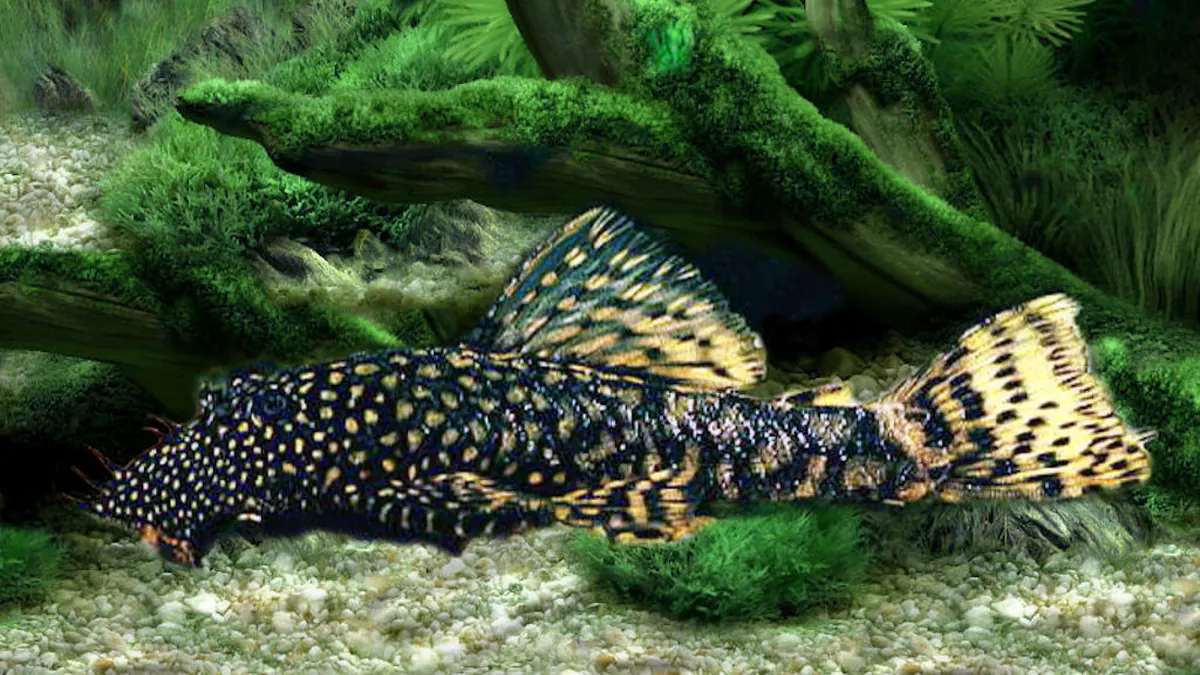

The bristlenose pleco is a peaceful armored catfish of 12 to 15 cm, far more reasonable than the common pleco it is often confused with. Mostly nocturnal and an algae grazer, it requires driftwood to rasp on, essential for its digestion, in a tank of at least 100 L between 22 and 27 °C. Males sport the characteristic bristles on their snout.
Profile : 12 to 15 cm as an adult, 100 L minimum, water between 22 and 27 °C.
An accessory from our shop for this use: Ceramic pebble hide for shrimp and small fish (€20.90) · the whole shop
We don’t ship products to your country yet; our practical guide downloads anywhere: Beginner axolotl: aquarium and care (€19)
Species profile
- Lifespan
- 5 to 12 years
- Adult size
- 14 cm
- Minimum tank
- 100 L
- Water temperature
- 22 to 27 °C
- pH
- 6 to 7.5
- Temperament
- A peaceful, nocturnal armored catfish, it hides by day and a single male rules the tank's cavities.
- Health watch
- fiber deficiency without driftwood to rasp · bloating from too much protein food
🩺 This health information is general in nature and does not replace a consultation: at the slightest doubt about your animal’s condition, talk to your vet.
Bristlenose pleco gear, family by family
-
🍖
Food
Tank algae are never enough: supplement with vegetable wafers, blanched zucchini and cucumber. Rasped driftwood provides fiber essential to its digestion.
-
🧴
Care & grooming
Undemanding about hardness but sensitive to low oxygen in warm water: ensure good circulation. Remove uneaten vegetables after 24 hours to prevent pollution.
-
🎾
Toys & enrichment
Driftwood is mandatory, along with caves and upturned coconut shells where it spends its days. Males claim a narrow cavity, also used for spawning.
-
🏠
Bedding & habitat
A tank of at least 100 L with several shaded shelters, as it avoids bright light during the day. One male per medium tank, since two males fight over hiding spots.
-
🧳
Travel & safety
Its pectoral spines snag in nets and pierce bags: handle it with a rigid container and a double bag. Standard 30-minute acclimation.
-
🧰
Accessories
A generously sized piece of driftwood, sinking wafers, a ceramic spawning cave and a vegetable clip. Expect 20 to 50 euros of dedicated accessories on top of the tank equipment.
Guides to read
- Community aquarium or species-only tank: which is right for a first setup?Bedding & habitat
Community aquarium or species-only tank: pros, cohabitation risks and advice for choosing how to set up your first aquarium.
- Best easy aquarium plants without CO2 for beginnersToys & enrichment
Which aquarium plants can you choose without CO2 injection? A selection of hardy, easy plants for a beginner's planted tank.
- Budget for a first brackish water aquarium: the real cost to get startedBedding & habitat
How much does a first brackish water aquarium cost? Tank, filtration, salt and salinity monitoring, budgeted item by item.
- Changing filter media too often: the mistake that wrecks your aquarium's cycleCare & grooming
Why you should never replace all your filter media at once: nitrifying bacteria, replacement frequency and the right habits.
- Restarting a neglected aquarium: a step-by-step guideCare & grooming
How do you restart an aquarium that's been left neglected without endangering the fish? Steps, water changes and mistakes to avoid.
- GH, KH and pH: understanding and adjusting aquarium water hardnessCare & grooming
GH, KH, pH: what do these three readings actually measure, and how do you adjust aquarium water hardness without stressing the fish?
- Upgrading to a bigger aquarium: moving your fish without the stressBedding & habitat
How do you upgrade to a bigger aquarium without breaking the biological cycle or stressing your fish? Steps and mistakes to avoid.
- Aquarium electrical safety: GFCI protection and good habitsTravel & safety
Heater, filter, lighting near the water: what electrical precautions keep an aquarium safe for fish and people?