Water care for a Bristlenose pleco: 22 to 27°C, pH 6 to 7.5
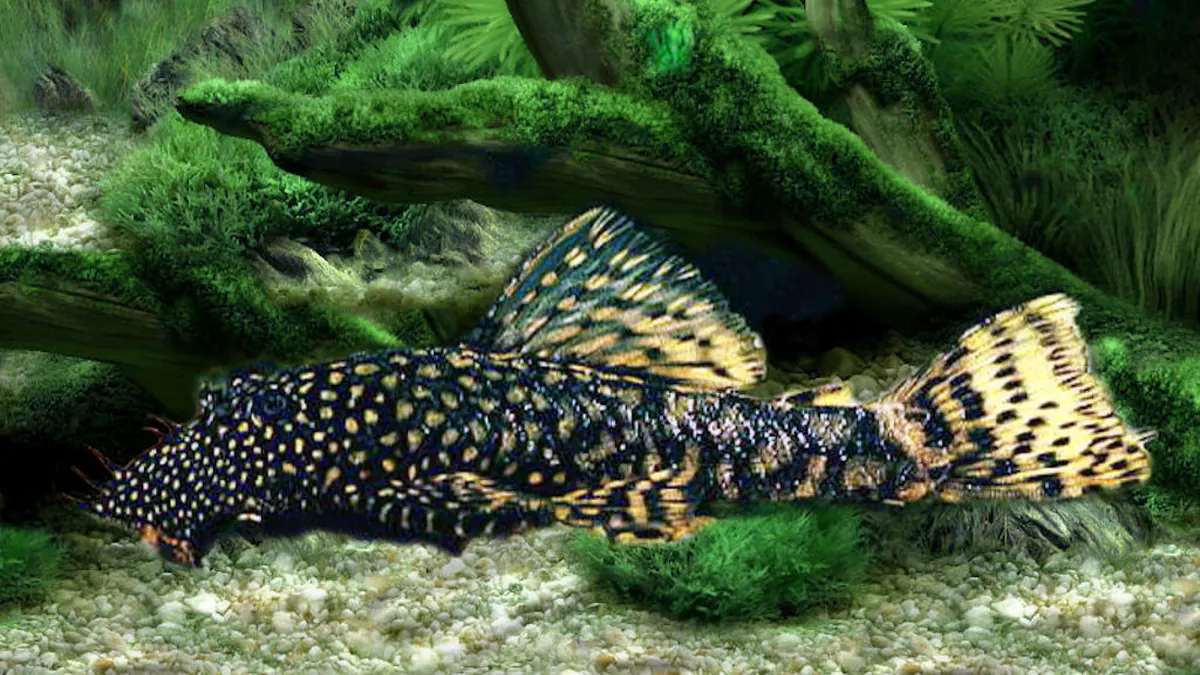

Bristlenose pleco : Undemanding about hardness but sensitive to low oxygen in warm water: ensure good circulation. Remove uneaten vegetables after 24 hours to prevent pollution.
In our shop, for this use: Hang-on isolation and breeding box for aquariums (€28.90) · the whole shop
Our products don’t ship to you yet, but the PDF practical guide is instant: Beginner axolotl: aquarium and care (€19)
🩺 The health watchpoints on this page are for information only: only a veterinarian can examine your animal and make a diagnosis.
In short: 12 to 15 cm as an adult, 100 L minimum, water between 22 and 27 °C. A peaceful, nocturnal armored catfish, it hides by day and a single male rules the tank's cavities. Driftwood to rasp is vital for its digestion, and tank algae are never enough: supplement with blanched vegetables.
The Bristlenose pleco’s water: its real parameters
For a Bristlenose pleco, water quality comes in numbers: 22 to 27°C on the thermometer, pH within the 6 to 7.5 window, nitrites at zero, nitrates under the 25 mg/L bar. A drop-test kit (NO2, NO3, GH, KH, pH) beats any strip — and the nitrogen cycle, three to four weeks before any fish, is non-negotiable.
Water changes and tank upkeep
10 to 20% of the volume weekly, with water pre-heated to tank temperature: thermal shock stresses more than imperfect water, gentle substrate siphoning — the bottom is the Bristlenose pleco’s home zone, respect its landmarks and filter media rinsed in tank water, never under the tap: chlorine sterilises your filter.
Health: what stalks the Bristlenose pleco
In the Bristlenose pleco, watch for: fiber deficiency without driftwood to rasp and bloating from too much protein food. But the golden rule holds for the whole tank — nearly all disease starts in degraded water or chronic stress, and you ALWAYS test the water before reaching for medicine. Well kept, a Bristlenose pleco lives 5 to 12 years.
Frequently asked questions
What water parameters for a Bristlenose pleco?
22 to 27°C, pH 6 to 7.5, zero nitrites and nitrates under 25 mg/L — checked with drop tests, not by eye.
How often should a Bristlenose pleco tank get water changes?
10 to 20% weekly, water brought to temperature, filter rinsed only in tank water. Consistency beats volume.
The guides that apply to you
- Stocking Density and Fish Stress: What a Trout Study Shows
Beyond a simple liters-per-fish calculation, stocking density directly affects stress hormones and fish health.
- GH, KH and pH: understanding and adjusting aquarium water hardness
GH, KH, pH: what do these three readings actually measure, and how do you adjust aquarium water hardness without stressing the fish?
- Filamentous (Hair) Algae in Aquariums: Causes and How to Get Rid of It
Long green strands cling to plants and decor and grow back within days of every cleanup. Understanding why filamentous algae thrives before reaching for a lasting fix.
- Old tank syndrome: why a sudden big water change can do harm
A long-neglected aquarium adapts to high nitrates. A sudden large water change can then shock the fish rather than help them. Understanding this risk and avoiding it.