Food for your fish: how to choose

Diet is the number-one health lever for your fish — and the product family with the loudest marketing. Our guides compare product types, teach you to read a label and give realistic price ranges, so you feed right without paying for the packaging.
🛒 Our picks from the shop
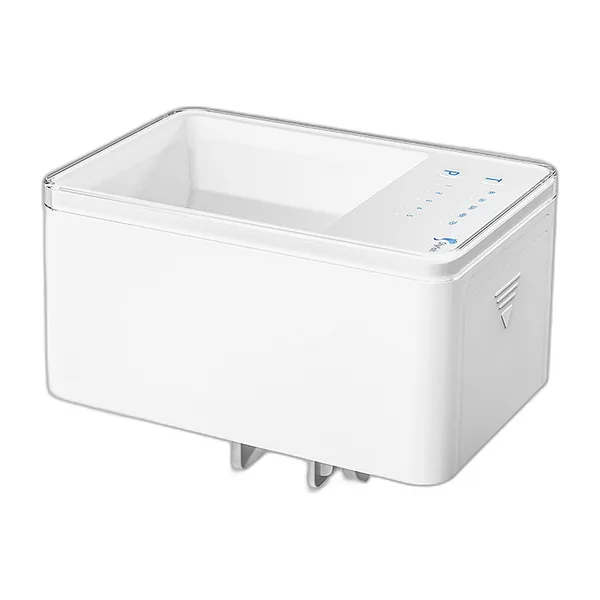
Delivery in 8 to 15 working days, free from €49 (otherwise €4.90). See the whole shop
The key point : The top cause of tank pollution is overfeeding: whatever the fish do not eat within two minutes ends up as nitrates.
Our dedicated guides
- Feeding angelfish: a balanced diet in the aquarium
What angelfish (Pterophyllum scalare) eat in an aquarium: a protein base, live or frozen foods, meal frequency, and overfeeding mistakes to avoid.
- Feeding Fish Fry: First Meals and Feeding Frequency
What should you feed fish fry? First-meal timing, food sized for tiny mouths, and how often to feed newly hatched fish.
- Live and frozen fish food: the guide to getting started
Bloodworms, brine shrimp, daphnia: live and frozen food transforms your fish’s health. Formats, prices, precautions and the ideal feeding frequency.
- Automatic fish feeder: go on holiday with peace of mind
Which automatic fish feeder should you choose for the holidays? Drum or screw mechanism, anti-overfeeding settings, prices: the guide before you leave.
- Feeding an axolotl: which foods, how often and how much
The axolotl is a strict carnivore with simple but precise needs. Which foods to choose, how often to feed it by age and how to size portions without overfeeding.
- Feeding a discus: frequent meals, warm water and the parental mucus behaviour
The discus has a different metabolism from other aquarium cichlids: warmer water, split meals, and a unique fry-feeding behaviour. Here is how to feed it properly.
- Feeding an ancistrus (pleco): vegetables, driftwood and the 'cleaner fish' myth
An ancistrus doesn't live on tank algae: it needs vegetables, plant fibre and a piece of wood to rasp. What this catfish really eats, and why it isn't just a cleaner.
- Feeding guppies: what to give, how often and how to vary it
A lively little omnivore, the guppy needs a varied diet but in small amounts. What foods, how many times a day and how to avoid overfeeding, the number-one cause of problems.
- Freeze-Dried or Frozen Tubifex Worms: What Real Risk Do They Pose to Your Fish?
Live tubifex has long been a documented health hazard in fish farming. Why freeze-drying and freezing became the standard, and how to feed these worms without unbalancing your fish's diet.
- Hatching Your Own Brine Shrimp at Home to Feed Fry and Fish
Freshly hatched brine shrimp nauplii rank among the best live foods for starting fry or triggering breeding in adults. Equipment, steps and feeding for a home hatchery.
- How much does fish food cost per month? Real budget and money-saving tips
The aquarium fish food budget: 3 to 8 € per month for a 100-litre community tank. Breakdown by food type and anti-waste tips.
- Going away for two weeks: how to manage the aquarium without stress?
Going on holiday for two weeks with an aquarium: healthy adult fish fast for a week without risk; beyond that, an automatic feeder or a neighbour. The full departure plan.
- Can You Feed Your Goldfish Fresh Vegetables?
Shelled peas, blanched courgette or cucumber: goldfish digest plant fibre far better than most carnivorous fish. Which vegetables to offer and how to prepare them.
- Vitamin Supplements for Aquarium Fish: Useful or Marketing?
Vitamin C, oils, immune boosters... are the supplements sold for aquarium fish actually necessary alongside a varied diet?
- Why Diet Directly Shapes a Guppy's Color
A scientific study shows male guppy orange coloration depends on dietary carotenoids, not just genetics.
- Does a Goldfish Really Remember Feeding Time?
A goldfish study shows fish learn to anticipate a precise feeding schedule, an argument for a regular feeding routine.
- Feeding the Same Food Every Day: The Deficiency Mistake to Avoid
Always giving your fish the same food can lead to deficiencies; here's how to vary their diet without overcomplicating it.
- Overfeeding your fish: the most common (and most dangerous) mistake
Overfeeding fish pollutes the water faster than any other mistake: uneaten food after 2-3 minutes, rising ammonia, algae and disease in a chain reaction.
- Feeding Herbivorous Reef Fish: Nori Seaweed and Green Supplements
Tangs, dwarf angelfish, grazing blennies: these reef herbivores need algae every day, not just carnivore-formulated pellets.
- Broodstock Nutrition Before Spawning: Why the Diet Matters
How well fish broodstock are fed in the weeks before spawning directly affects how successful the breeding attempt turns out to be.
- Feeding a Zebrafish (Danio): Meal Frequency and Mistakes to Avoid
Small, fast and social, the danio has simple dietary needs but an appetite that easily tips into overfeeding if you're not careful.
- Feeding killifish: live food, frozen food and why they refuse flakes
Killifish are small-prey predators that often ignore flakes. What published breeding protocols show, and how to build a realistic home menu.
- Bread, fries and table scraps: can you feed them to aquarium fish?
Dropping a piece of bread or a chip into the tank looks harmless. Research on how fish use dietary carbohydrate shows why their metabolism isn't built for it.
- Feed your danio 5 times a day or once every two days? What feeding-frequency research shows
The ideal feeding frequency isn't the same depending on the goal: a study on zebrafish shows it differs markedly between maximizing growth and optimizing reproduction.
- Does an overfed fish get slower on the uptake? A study on obesity and memory in zebrafish
Overfeeding is usually framed as a water-quality problem. A study on zebrafish shows it also carries a direct cost to the fish's own learning and memory abilities.
- Flakes, pellets or wafers: which food should you choose for your fish?
Flakes, pellets or wafers: each shape targets a specific swimming zone. Matching the shape to the species prevents waste and overfeeding.
- Fast then refeed: compensatory growth is real in fish
A study on an Amazonian fish shows that after a short fast, resumed feeding triggers full compensatory growth — reason enough to worry less about a few days away.
- Fish "anti-stress": the only measured lever runs through the food
No "anti-stress" water conditioner has been validated on aquarium fish. Dietary tryptophan, by contrast, lowered cortisol in several studies — with clear limits.
- Color-enhancing goldfish food: does astaxanthin actually work?
A study measured, tissue by tissue, the effect of a precise astaxanthin dose on goldfish pigmentation. The gains are real, but very uneven depending on which part of the body you look at.
- Feeding frequency in betta and guppy fry: what a 60-day study actually measured
A study comparing four feeding frequencies in young bettas and guppies measured barely 50% survival on a single daily meal. A useful benchmark for anyone raising fry.
- Insect larvae meal in fish food: a genuine sustainable alternative?
Black soldier fly larvae meal is increasingly replacing fish meal in aquarium food. A study on goldfish shows what that swap actually changes.
- Garlic extract in goldfish food: a real immune boost?
Garlic extract added to a goldfish diet raises several immune markers in the skin mucus, according to a dose-dependent study. What that actually means in practice.
- Cheap plant-based pellets and carnivorous fish: what taurine actually does to vision
A 2019 study tested a taurine-poor diet in a carnivorous fish. Result: no blindness, no retinal damage — but a measurable shift in colour perception.
- Leaving your aquarium shrimp unfed on vacation: what a fasting study shows
A study on the dwarf shrimp Neocaridina davidi measured how many days of fasting an individual can tolerate depending on its life stage, before mortality becomes unavoidable.
- Going on holiday without an automatic feeder: are slow-release food blocks reliable?
Slow-release food blocks, a supervised fast, or a trusted neighbour: the alternatives to an automatic feeder for a few days away.
- Fasting your fish one day a week: good practice or myth?
Many fishkeepers skip one feeding a week for their fish: a habit backed by real digestive benefits, not just a passing trend.
- Does a dietary probiotic protect goldfish from ich? What a study found
A study fed goldfish infected with ich a probiotic for 80 days, either live or heat-killed, and measured the effect on the parasite and the fish's immune markers.
- Feeding a Betta or a Goldfish: Flakes, Pellets or Frozen Food?
Flakes, pellets, frozen food: portions, frequency and mistakes to avoid when feeding a betta or a goldfish, with realistic budgets.
Food breed by breed: every fish profile covers this product family with that species’ own figures.