Food for your dog: how to choose

Diet is the number-one health lever for your dog — and the product family with the loudest marketing. Our guides compare product types, teach you to read a label and give realistic price ranges, so you feed right without paying for the packaging.
🛒 Our picks from the shop
-
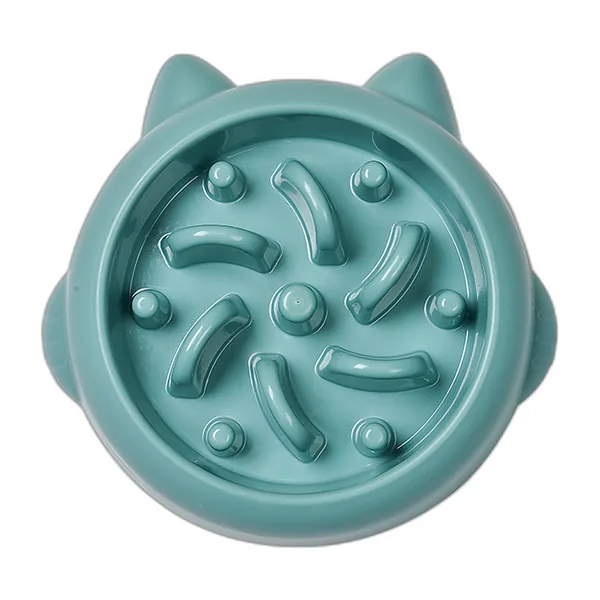 Spiral slow-feeder dog bowl, 23 cm
€22.90
Choose an option -
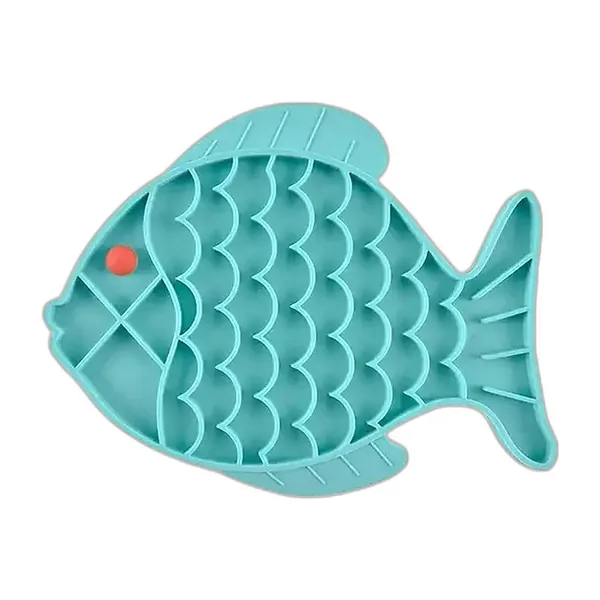 Fish-shaped silicone lick mat (24.5 × 19 cm)
€32.90
Choose an option -
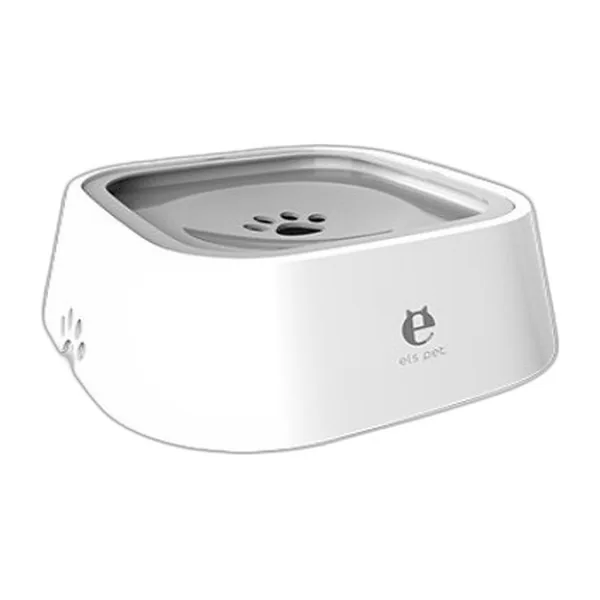 1.5 L anti-splash water bowl with floating disc
€37.90
Delivery in 8 to 15 working days, free from €49 (otherwise €4.90). See the whole shop
🛒 Our picks shipped from the US
-
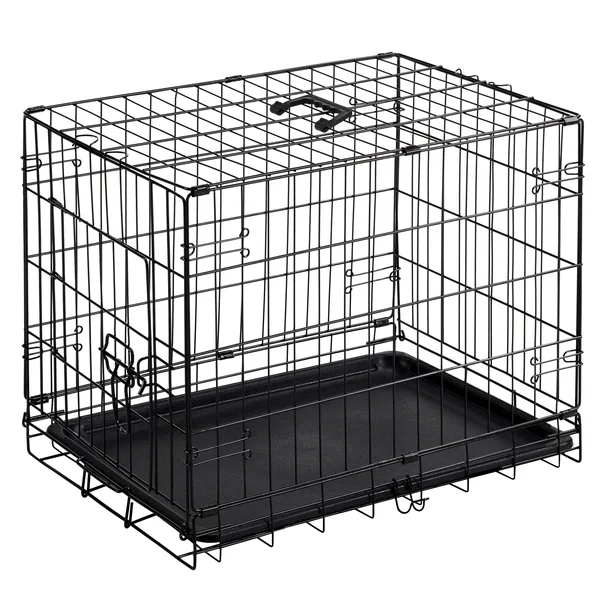 Folding wire dog crate 24 in (61 cm), single door, with tray
$62.90
-
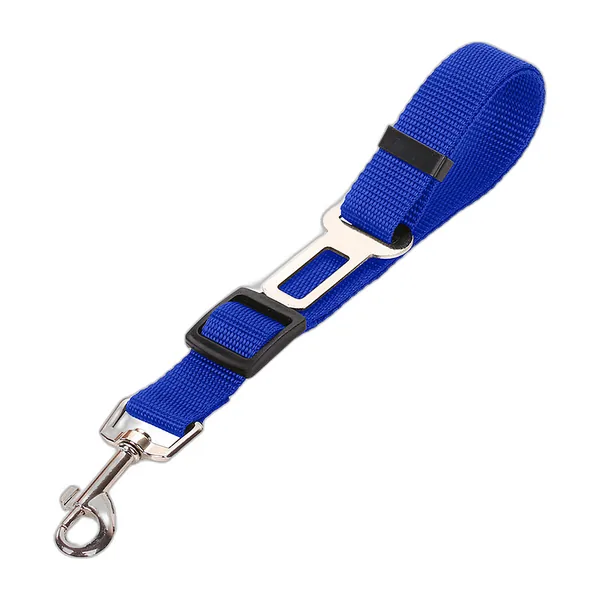 Adjustable dog car seat belt tether
$21.90
Choose an option -
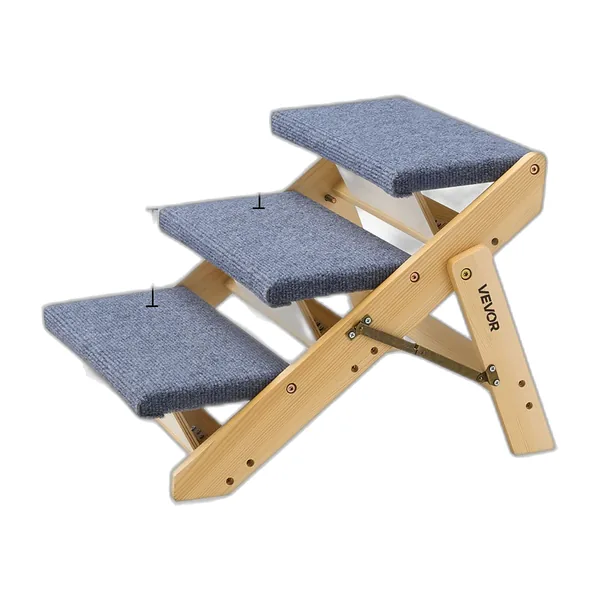 Folding 3-step wooden pet stairs for beds and sofas
$75.90
Ships from a US warehouse in 4 to 10 business days, free delivery within the United States. See the US shop
The key point : The number-one budget item: expect €20–90 per month of kibble depending on size, and judge a bag on its ingredient list (named animal proteins first) rather than its marketing.
Our dedicated guides
- BARF raw diet for dogs: what are the real benefits, what are the real risks?
Raw BARF diet for dogs: what studies actually show about the claimed benefits, bacterial risk, and real nutritional balance.
- Feeding a border collie: fuelling a very active dog
What should you feed a border collie? High energy needs, protein, portions by activity level, and weight management. The working-dog feeding guide.
- Grain-free or classic dog food: what's the real difference?
Grain-free or classic kibble for your dog: the real nutritional difference, the taurine and heart-disease link, and how to choose without following marketing claims.
- Feeding a French Bulldog: A Brachycephalic, Sensitive Dog
What should you feed a French bulldog? Weight control, easy digestion, skin allergies and the right bowl for this small brachycephalic breed.
- Feeding a Cavalier King Charles: Heart and Waistline First
How should you feed a Cavalier King Charles? Weight control to protect the heart, the ration of a greedy small breed and a gentle diet transition.
- Feeding a Shih Tzu: Small Breed, Long Coat and Appetite
What should you feed a Shih Tzu? A small dog's ration, kibble sized for a short muzzle, coat support and managing tear stains through diet.
- Feeding a Dogue de Bordeaux: Growth and Mastiff Needs
How should you feed a Dogue de Bordeaux? Controlled growth for the giant puppy, split meals against bloat, joints and a healthy adult weight.
- Feeding a Lhasa Apso: A Small Breed With a Long Coat
What should you feed a Lhasa Apso? The ration of a low-energy small dog, suitable kibble, long-coat support and weight-gain prevention.
- Feeding a Labrador: A Genetic Predisposition to Obesity
Why does the Labrador gain weight so easily? The role of the POMC gene, weighing the ration, and keeping an active, lean dog.
- Probiotics for dogs: real usefulness and when to consider them
Do dog probiotics live up to the claims? What a randomized shelter study found, and the concrete situations where they show a proven benefit.
- Which senior dog food should you choose? The complete guide
Protein, phosphorus, joints, palatability: how to choose senior dog food suited to an ageing dog, and how much it costs.
- Large breed dog food: steady growth and a sensitive stomach
Calcium-to-phosphorus ratio, kibble size, bloat prevention: how to choose large breed dog food, from puppyhood to adulthood.
- Wet or dry dog food: which should you feed day to day?
Hydration, palatability, budget, tartar: wet or dry dog food, the pros and cons of each option, and why mixed feeding is worth considering.
- Automatic dog feeder: which one should you choose?
Capacity, scheduling, anti-jam mechanism, backup battery: how to choose an automatic dog feeder to match your daily routine.
- Prescription veterinary dog food or regular kibble: when does the difference really matter?
Chronic kidney disease, urinary stones, confirmed allergies: when is prescription veterinary food actually necessary, and how does it compare to premium regular kibble?
- Feeding a dalmatian: why purines need limiting
Dalmatians metabolise purines poorly and form urate stones. Suitable kibble, foods to avoid and hydration: the rules of a safe ration.
- Feeding a rottweiler: lowering the risk of bloat (GDV)
Split meals, a floor-level bowl, no exercise right after eating: the habits that reduce the risk of gastric dilatation-volvulus in the deep-chested rottweiler.
- Kibble or a home-cooked diet for your dog: which should you choose?
Nutritional balance, preparation time, monthly cost: kibble or a home-cooked diet, the honest comparison to help you choose the right way to feed your dog.
- Feeding a puppy: 8 common mistakes to avoid
Abrupt food changes, cow’s milk, cooked bones, overfeeding, calcium: the most common puppy feeding mistakes and how to feed a young dog properly.
- Cheap or premium kibble: what are you really paying for?
Composition, digestibility, actual quantities, cost per day: cheap or premium kibble for your dog, the comparison that recalculates the true price of the bowl.
- Great Dane: what research reveals about bloat and feeding-related risk factors
The Great Dane carries one of the highest lifetime risks of gastric dilatation-volvulus among dog breeds. What a landmark US study shows about feeding practices and how to adapt daily meals.
- Miniature Schnauzer: hypertriglyceridemia and what it means for diet
The Miniature Schnauzer shows an unusually high prevalence of hypertriglyceridemia, often silent. What a US veterinary study shows and how to adapt feeding to limit the associated risks.
- Whippet: the myostatin mutation and what it means for feeding
Some Whippets carry a genetic mutation that markedly increases muscle mass and racing performance. What a study published in PLoS Genetics shows and its impact on nutritional needs.
- Bichon Frise: calcium oxalate bladder stones and the role of diet
The Bichon Frise ranks among the breeds most prone to calcium oxalate bladder stones. What a landmark University of Minnesota study shows and how to adjust feeding day to day.
- Maltese: mitral valve disease and feeding for heart health
A genetic study confirms the Maltese's predisposition to mitral valve disease. How to adjust its diet to support cardiac function.
- English Pointer: gastric dilatation-volvulus and smarter feeding habits
A deep-chested gundog, the English Pointer belongs to a body type at greater risk of gastric dilatation-volvulus. What the landmark study shows and how to adjust meals to lower the risk.
- Siberian Husky: zinc-responsive dermatosis and the role of diet
The Siberian Husky is the breed most affected by zinc-responsive dermatosis, with crusts around the eyes and muzzle. What the landmark study shows and how diet shapes this skin disorder.
- Cane Corso: gastric dilatation-volvulus and the raised-bowl trap
The deep-chested Cane Corso is among the breeds most exposed to gastric dilatation-volvulus. What the landmark study on risk factors shows, including an accessory long recommended out of habit.
- Dog water fountain: genuinely useful or just a gadget?
Dog water fountain: filtration, oxygenation, budget. The real benefits of a fountain and how to choose the right one for your dog.
- Great Pyrenees: feeding a giant puppy without wrecking its joints
Capped calcium, measured rationing, slow growth: the hard numbers that protect a giant-breed puppy's hips, and the feeding mistakes that cost the most later.
- Raw feeding: the best-documented risk is not salmonella, it is antibiotic resistance
Two studies measure what raw feeding really brings: few salmonellas, but plenty of resistant Enterobacteriaceae in the batches, and far more frequent carriage in raw-fed dogs themselves.
- Dog supplements: omega-3, glucosamine, when do they actually help?
Omega-3, glucosamine, chondroitin: which dog supplements bring a real benefit, and which ones are mostly marketing.
- Dog eating poop: what 1,441 owners reported
A survey of more than 1,400 dogs measures how common coprophagy really is, how old the stools eaten are, and the success rate of the products sold to stop it.
- Dog food allergies: how to choose hypoallergenic kibble
Hypoallergenic kibble for dogs: how to spot a real food allergy, read the label and avoid marketing traps.
- Chocolate and dogs: the toxic dose by weight and chocolate type
Did your dog eat chocolate? A table of risky amounts by body weight and chocolate type (milk, dark, cocoa), the signs to watch and what to do right now.
- Grapes and raisins for dogs: why they are dangerous and what to do
Did your dog eat grapes or raisins? What to do right now, the signs and when they appear, and the foods that hide grapes (raisin bread, granola, fruit cake).
- Can dogs eat avocado? The real risks (pit, fat, guacamole)
Did your dog eat avocado? The danger comes mostly from the pit and the fat, less from persin. What to do now, signs of a blockage and the guacamole case.
- Onions and dogs: garlic, leeks, chives and the toxic amounts
Did your dog eat onion or garlic? Risky amounts by body weight, anaemia signs that show up days later, and the onion hidden in everyday dishes.
- Toxic foods for dogs: the list, from most dangerous to safe
Foods toxic to dogs in one table: dangerous, limit or safe, with the substance involved, severity and what to do. Plus the most dangerous ones, ranked.
- Xylitol and dogs: why it is so dangerous and where it hides
Xylitol and dogs: low blood sugar within 30 minutes, liver damage, thresholds by body weight, the products that contain it and what to do right now.
- Can dogs eat bread? When it is fine and why raw dough is dangerous
Can dogs eat bread? Plain baked bread is not toxic, but raw dough, mouldy bread and some filled breads are. A risk table and what to do right now.
- Food for a neutered dog: how to avoid weight gain?
Neutered dogs and weight gain: why the risk rises, what a suitable kibble should contain, and when to switch food.
- What food should you feed a puppy? The complete buying guide
Protein levels, kibble size, food transitions: how to choose the right food for your puppy without getting it wrong.
- Grain-free dog food: genuine progress or clever marketing?
Is grain-free really better for your dog? Let’s separate fact from fiction before you buy, with the criteria that actually matter.
- Dog training treats: which to choose and why
Size, palatability, calorie content: how to choose effective training treats without throwing your dog’s ration off balance.
Food breed by breed: every dog profile covers this product family with that species’ own figures.