Food for your ferret: how to choose
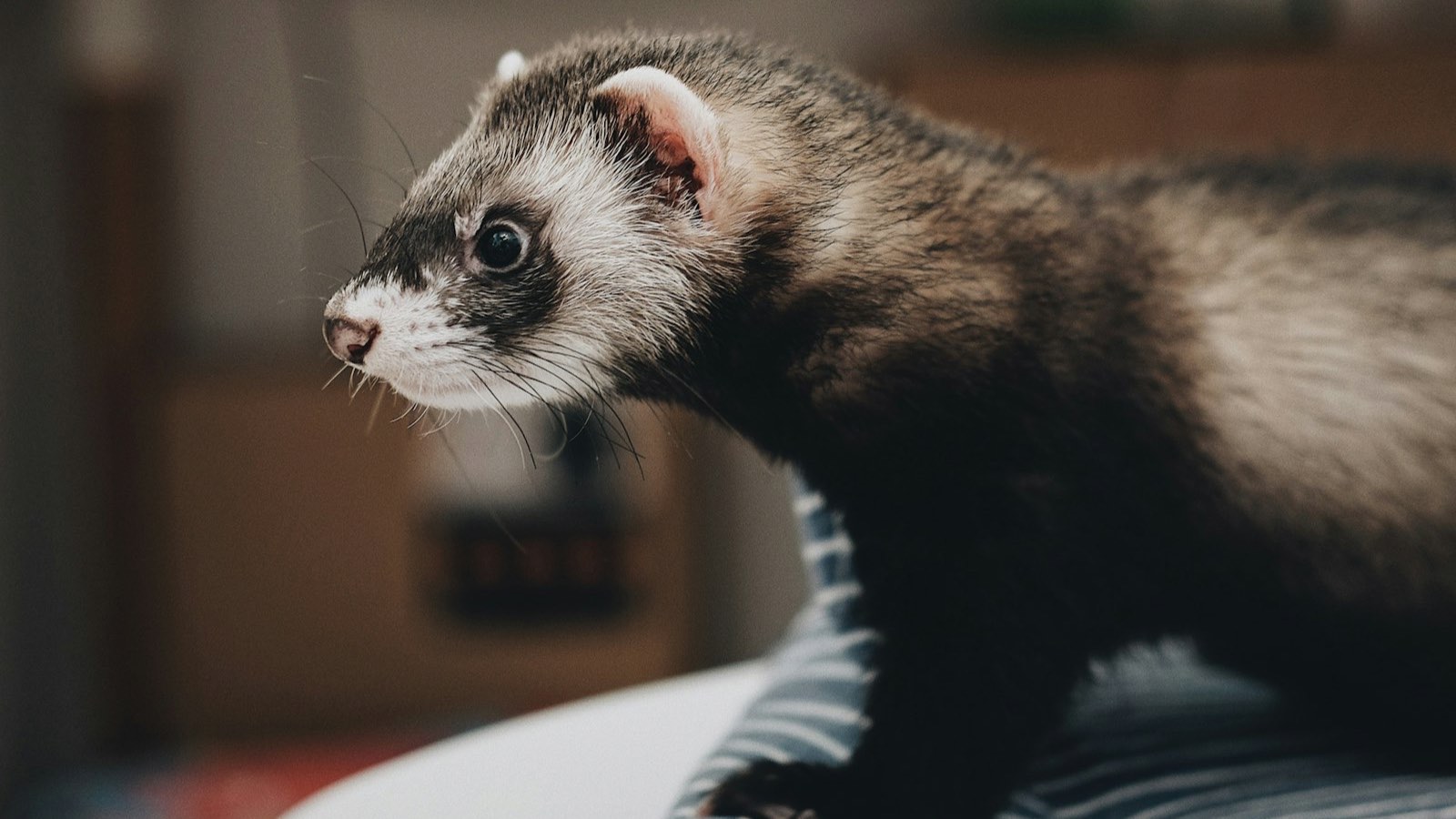
Diet is the number-one health lever for your ferret — and the product family with the loudest marketing. Our guides compare product types, teach you to read a label and give realistic price ranges, so you feed right without paying for the packaging.
🛒 Our picks from the shop
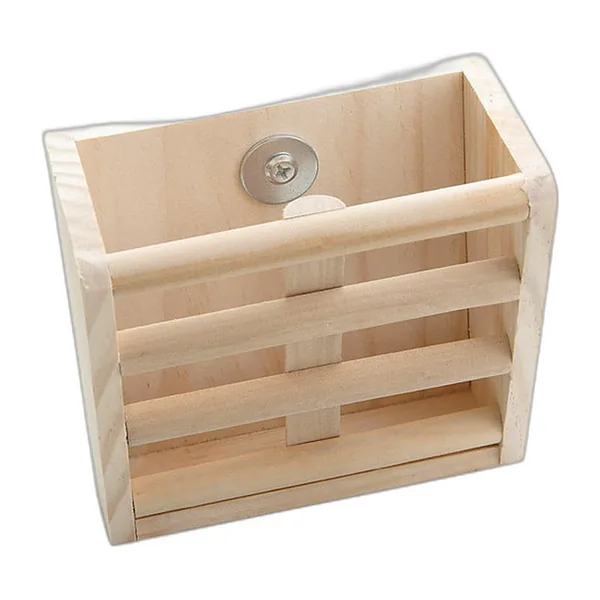
Delivery in 8 to 15 working days, free from €49 (otherwise €4.90). See the whole shop
🛒 Our picks shipped from the US
-
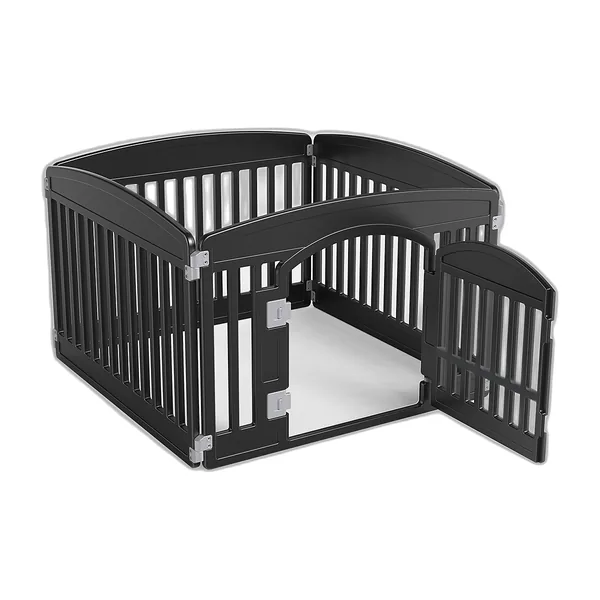 Modular plastic playpen for puppies and rabbits, 4 or 6 panels
from $87.90
Choose an option -
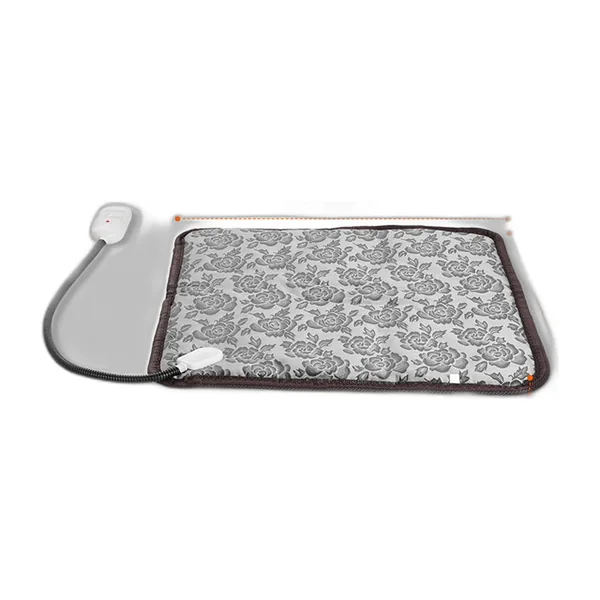 Electric pet heating pad 45 × 45 cm (17.7 in) with chew-resistant cord
$48.90
-
 Rolling 4-level ferret and chinchilla cage with hammock
$159.90
Ships from a US warehouse in 4 to 10 business days, free delivery within the United States. See the US shop
The key point : A strict carnivore with an ultra-short gut: it needs food very rich in animal protein (35–42%) and fat — supermarket cat kibble is not enough.
Read first
Our dedicated guides
- Fruit and vegetables for ferrets: more risk than treat
Banana, carrot, apple: why an obligate carnivore's digestive system struggles with these foods, even in small amounts.
- Urinary stones in ferrets: what hydration and diet really change
Cystine or struvite: what research shows about ferret urinary stones and which dietary factors actually make a difference.
- What recent research clarifies about ferret nutritional needs
A 2023 scientific update on ferret nutrition clarifies the ideal protein-to-fat ratio and the role of plant-based ingredients.
- Commercial raw diets and BARF for ferrets: what a Dutch study reveals about bacterial contamination
A Dutch study on commercial raw diets reveals frequent bacterial contamination, a point of caution for households feeding their ferret a raw diet.
- Whole prey and raw diets for ferrets: the essential equipment
Dedicated freezer, kitchen scale, easy-to-disinfect bowls: the equipment you need to feed a ferret a whole-prey or raw diet hygienically, with a detailed budget.
- Healthy ferret treats: which to choose, which to ban
Dried meat, chick, vitamin paste: the healthy treats for ferrets, the ones to ban (sugar, lactose, fruit) and the right prices, between €3 and €10 a pack.
- Eggs for Ferrets: Benefits, Risks and the Right Frequency
Egg is an excellent protein source for a ferret, but not without nuance between raw yolk, raw white and cooked egg. What biotin research shows, and how often to feed it.
- Toxic Foods for Ferrets: Chocolate, Onion, Grapes, Xylitol
Chocolate, onion, grapes, xylitol: the foods that are genuinely dangerous for a ferret, the poisoning symptoms to watch for, and the right emergency steps.
- Ferrets have an ultra-fast gut transit: why several small meals work better
An imaging study shows ferret small intestinal transit under two hours: what that means in practice for meal frequency and portion size.
- Raw fish for ferrets: the thiaminase risk inherited from mink and fox farming
Some raw fish contain an enzyme, thiaminase, that destroys vitamin B1 — a risk documented since the 1930s in farmed mink and fox, worth knowing before feeding a ferret raw fish.
- Insect protein for ferrets: a real alternative for this strict carnivore?
A scientific review of insects as an animal protein source in dogs and cats sheds light on a question ferret owners increasingly ask: can part of the meat ration be replaced with insects?
- Ferret tartar: what a study on carnivore diet texture reveals
A landmark study on dog and cat diets draws a clear link between food texture and tartar buildup, useful insight for choosing the right diet for this obligate carnivore, the ferret.
- Taurine deficiency and cardiomyopathy: what a canine study reveals about ferret kibble
A study of golden retrievers links certain non-traditional kibble formulas to taurine deficiency and dilated cardiomyopathy, a useful signal for choosing kibble for an obligate carnivore like the ferret.
- Ferret kibble or premium kitten kibble: which should you choose?
Ferret kibble or premium kitten kibble? Protein levels, price per kilo and pitfalls compared for a strict carnivore.
- Sugary treats for ferrets: why the answer must be no
Raisins, milk, biscuits: why sugary treats are dangerous for ferrets and what to replace them with, risk-free.
- Meat-based diet for ferrets: the true day-to-day cost
What does a ferret’s meat-based diet really cost? Raw feeding, whole prey and kibble prices compared, with a detailed monthly budget.
- Free-choice kibble: does it make a ferret gain weight? What a cat study reveals
A longitudinal study tracked the growth of cats fed free-choice: its findings on the speed of weight gain shed light on a similar risk for ferrets fed ad libitum.
- Premium or budget kibble for ferrets: is the price gap actually worth it?
Premium versus budget kibble for ferrets: what protein quality really changes for digestion, and how to spot the difference that justifies the price.
- Ferret hydration: does wet food really protect the urinary tract?
Does a ferret fed only dry kibble drink enough for its kidneys and bladder? What a landmark cat study reveals about the value of wet food.
- Bulk-bag kibble for ferrets: real savings, or a rancidity risk?
A 15 kg bag costs less per kilo, but a single ferret takes nearly a year to finish it. What research on fat oxidation in kibble reveals once the bag is opened.
- Vitamin supplements on top of kibble: a smart precaution, or a mistake for your ferret?
Adding a supplement to an already complete diet isn't harmless. What a study on the real reliability of commercial vitamin-mineral supplements reveals, and when supplementation actually makes sense.
- Does a ferret digest kibble as well as a cat? What a comparative study shows
Same kibble, different digestion: a study comparing ferrets, mink and cats explains why ferret stools are often bulkier, and what that changes about choosing kibble.
- Probiotics in ferrets: a study links gut microbiome to curiosity
A double-blind study in ferrets found that probiotic supplementation shifts the gut microbiome and increases interest in novelty. What this suggests for the food bowl and enrichment routine.
- Best kibble for a neutered ferret: how to avoid weight gain?
Best kibble for a neutered ferret to avoid weight gain without cutting animal protein. Our guidelines for choosing well.
- Xylitol: a dangerous sweetener for ferrets?
Sugar-free gum, reduced-fat peanut butter: why xylitol, a known toxin in dogs, should also stay out of reach of a ferret already prone to hypoglycemia.
- Raw liver for ferrets: nutritional benefits and the risk of vitamin A overdose
Rich in iron and vitamin A, liver is a favorite in raw diets for ferrets — but too much exposes them to a toxicity risk documented in other domestic carnivores.
- Do ferrets choose their food by smell rather than sight?
A landmark study on polecats shows that scent, far more than appearance, is what triggers food-seeking behaviour in this carnivore.
- My ferret gains weight in winter and slims down in summer: a study explains this natural cycle
A study on ferrets reveals a marked seasonal weight cycle tied to day length — a useful benchmark before worrying over the scale.
- Calcium and vitamin D in ferrets: what a study on reference values shows
A study established normal blood concentrations of calcium, parathyroid hormone and vitamin D in healthy ferrets, a useful benchmark for judging whether a diet truly meets these needs.
- Feeding a sick or recovering ferret: what to change temporarily?
Feeding a sick or recovering ferret: how to adjust texture, frequency and palatability without breaking the obligate-carnivore balance.
- Hiding medication in your ferret's favourite treat: a bad idea?
A landmark study on ferrets shows that a food linked to feeling unwell can be rejected for a long time afterwards, even when the illness strikes up to 90 minutes later.
- A kit that skips a meal then eats poorly: the overlooked arginine risk
A study on young ferrets shows that a single meal too low in arginine, after a fast, can trigger ammonia poisoning within two to three hours.
- Can a carnivore self-correct its own meal? What a mink study suggests for ferrets
Given a choice between two foods, mink correct the imbalances of their previous diet, including for carbohydrate. What this does, and does not, mean for the ferret's bowl.
- Overweight ferret: how to help it lose weight safely?
Overweight ferret: how to spot excess weight and organize a gradual weight loss plan without cutting animal protein.
- What French ferrets actually eat: the results of a survey of 1205 ferrets
Between theoretical guidelines for obligate carnivores and real-world practice, the gap can be wide. A survey of 709 French households details what ferrets are actually fed.
- Why does my ferret hide kibble all over the house?
A ferret stashing food under cushions or inside a shoe is not unusual: a recent international survey found this in three ferrets out of four.
- Ferret kit: the window that decides what it will accept to eat for life
In ferrets, food odours are imprinted between day 60 and day 90. Past that point, an unfamiliar odour no longer triggers food searching.
- Feeding your ferret whole prey: a practice in clear decline, international survey shows
Only 25.9% of ferrets tracked in 2026 are fed whole prey, down from 46% in France and 29% in German-speaking countries in earlier surveys.
- Switching a ferret's kibble: how to transition without digestive upset
How to switch a ferret's kibble without triggering diarrhea or food refusal: a gradual transition method and the right timeframe.
- Ferrets and hypoglycemia: why meal timing matters
Split meals, free-fed kibble, warning signs: what to know about ferret hypoglycemia and the role of feeding rhythm.
- Ferret diet: feeding an obligate carnivore properly
Kibble rich in animal protein, whole prey, treats: what a ferret should eat, what to ban from its bowl and the monthly budgets to plan for.