Care and grooming for your ferret: the gear that matters
Brushes, hygiene products, parasite control, habitat upkeep: your ferret’s routine care happens at home, with the right equipment. Our guides separate the essential from the gimmick — and say when the vet, not the shop aisle, should have the answer.
🛒 Our picks shipped from the US
-
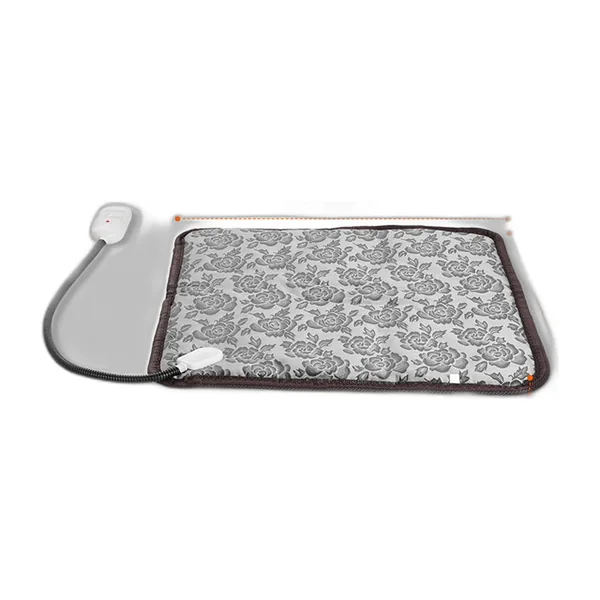 Electric pet heating pad 45 × 45 cm (17.7 in) with chew-resistant cord
$48.90
-
 Rolling 4-level ferret and chinchilla cage with hammock
$159.90
-
 Modular plastic playpen for puppies and rabbits, 4 or 6 panels
from $87.90
Choose an option
Ships from a US warehouse in 4 to 10 business days, free delivery within the United States. See the US shop
🩺 The health watchpoints on this page are for information only: only a veterinarian can examine your animal and make a diagnosis.
The key point : Ferret odour is managed through cage and textile hygiene, not repeated baths — which make it worse by stimulating the skin’s oils.
Our dedicated guides
- Ear mites in ferrets: recognizing and treating Otodectes
Black ear wax, constant scratching: what research shows about which ear mite treatment actually works in ferrets.
- Deslorelin implant or surgical neutering: which is right for your ferret?
Permanent surgery or a reversible hormone implant: what research shows about the link between early neutering and adrenal disease in ferrets.
- Ferret insulinoma: recognizing hypoglycemia and choosing a treatment
Sudden lethargy, wobbly hind legs: what research shows about the most common hormonal cancer in adult ferrets.
- Allergic reactions to ferret vaccines: how real is the risk?
Facial flushing, drooling, vomiting: what research shows about how often ferrets have anaphylactic reactions to vaccination.
- Congenital deafness in ferrets: the link with white and panda coats
Panda, blaze or white-headed ferrets: what research shows about the link between coat color and congenital deafness in ferrets.
- Artificial light and ferret adrenal disease: what a melatonin study shows
A melatonin study in ferrets with adrenal disease sheds light on the role of artificial lighting and photoperiod in this common condition.
- Aleutian disease in ferrets: what a landmark study reveals about this overlooked parvovirus
A landmark study on Aleutian disease in ferrets reveals many asymptomatic carriers, an essential point of caution in multi-ferret households.
- Can a ferret catch human flu? What its role as a reference animal model reveals
A landmark review of the ferret as an animal model for human influenza sheds light on the real risk of two-way transmission between a ferret and its household.
- Helicobacter mustelae gastritis in ferrets: what a landmark 1990 study reveals
A landmark 1990 study established the link between Helicobacter mustelae and gastritis in ferrets, a useful reference when vomiting or appetite loss won't go away.
- Neutering age and adrenal disease in ferrets: what a Dutch study shows
A Dutch study finds a correlation between a ferret's age at neutering and the age at which adrenal disease appears, a useful reference for planning veterinary follow-up.
- Canine distemper in ferrets: what a vaccine efficacy study shows
A US study on vaccinated ferrets later exposed to canine distemper virus shows full protection, against 100% mortality in unvaccinated ferrets.
- Heart disease in ferrets: what a 95-case study reveals
A US study of 95 ferrets followed with echocardiography details how common valvular murmurs and dilated cardiomyopathy are in aging ferrets.
- Ferret litter: wood pellets versus plant-based litter, the showdown
Wood pellets, hemp, recycled paper, corn: which ferret litter absorbs odours best without respiratory risk? Comparison and prices from €5 to €15.
- Enzymatic cleaner for ferrets: the odour-busting weapon that actually works
Why an enzymatic cleaner removes ferret urine odours where bleach fails: how to use it, which surfaces, mistakes to avoid and prices from €8 to €20.
- Dry shampoo or bath for ferrets: wash less to smell better
Bathing too often makes a ferret smell worse. Dry shampoo, rinse-free foam or a proper bath: when to wash, with which products and at what price (€6 to €15).
- Brushing and shedding in ferrets: managing hair without hairballs or trichobezoars
Ferrets moult twice a year and cannot regurgitate: brushing, a soft slicker, a rubber grooming glove and malt paste to prevent trichobezoars.
- Nail trimming for ferrets: technique, kit and the lickable-paste trick
Trimming a ferret's nails every 2 to 3 weeks: which clippers to choose (€5 to €12), the drop-of-paste-on-the-belly technique and the mistakes to avoid.
- Ferret odor: why neutering changes everything
A ferret's musky smell mostly comes from sebaceous glands driven by sex hormones. Understanding this mechanism explains what neutering actually changes.
- Ferret whiskers: an essential sense to respect when handling
A ferret's whiskers are richly innervated sensory organs, not just ordinary hair. What this means for everyday handling and grooming.
- Ferrets and Human Allergies: Can You Live With One If You're Allergic to Fur?
Ferret fur, dander and saliva can trigger allergic reactions in some people. What allergy research shows, and how to limit symptoms day to day.
- Ferret Swallowed an Object: Recognizing Intestinal Obstruction and Acting Fast
Rubber, foam, fabric: ferrets swallow small objects easily, with a real risk of intestinal obstruction. The warning signs and the right emergency steps to take.
- Fasting Before Anesthesia in Ferrets: Why It Must Stay Short
Unlike dogs or cats, a ferret should never fast for long before anesthesia, at the risk of severe hypoglycemia. What research shows, and the other risk factors to know.
- Pain in Ferrets: The Subtle Signs Owners Often Miss
Ferrets hide pain well, a leftover instinct from being occasional prey. What the ferret grimace scale study shows, and the everyday behavioral signs to watch for.
- Hairballs in Ferrets: An Obstruction Risk Not to Underestimate
Unlike cats, ferrets cannot easily vomit up hairballs swallowed while grooming. What veterinary literature shows, and how to lower the risk during shedding season.
- Fleas on ferrets: spotting, treating and preventing them
An indoor ferret can catch fleas from the dog, the cat or your shoes. Subtle signs, suitable treatments and how to decontaminate the home.
- Epizootic green diarrhea in ferrets: what the founding study on this coronavirus reveals
A landmark study of 119 ferrets identified the coronavirus behind the "green slime" outbreak that marked the species in the 1990s: symptoms, severity, and what to do.
- Skin tumors and lymphoma in ferrets: what a 574-case study shows
A study of nearly 4,800 ferret medical records details how often tumors occur in this species and where, useful context for knowing which skin or lymph node changes to never ignore.
- Recognizing your ferret's psychological well-being: what a 2024 behavioural study shows
A 2024 study built a catalogue of ferret well-being behaviours, including the famous play "dook": practical pointers for reading your ferret's psychological state day to day.
- Hyperestrogenism in unspayed female ferrets: what a landmark study on persistent estrus shows
A landmark veterinary study documented bone marrow suppression linked to persistent estrus in unspayed female ferrets, an overlooked life-threatening risk that explains why spaying or an implant is a real health decision, not just a matter of convenience.
- Ferret and litter: litter box or pads, which solution should you adopt?
Litter box or pads for your ferret? Cleanliness, odours, monthly cost and training tips compared for a fresh-smelling home.
- Ferret vet budget: how much does healthcare cost each year?
Vaccines, neutering, emergencies, chronic diseases: a ferret’s annual vet budget in detail, and how to smooth out these exotic-pet costs.
- Senior ferret: what adjustments and care after age 4?
Your ferret is ageing: cage adjustments, adapted diet, stepped-up exotics vet monitoring and comfort for the senior ferret after age 4.
- Fireworks and loud noises: what a dog study teaches about ferret sound-related fear
A large UK study measured the prevalence and risk factors behind firework fear in dogs, offering transferable insight for understanding and easing a ferret's stress from a sudden, loud noise.
- A ferret's blood test: how to read the reference values
A German study established updated reference ranges for 51 blood parameters in 111 healthy ferrets, a valuable tool for understanding what a blood test actually reveals in this exotic pet.
- Is a young ferret naturally more stressed? What a black-footed ferret study suggests
A hair-cortisol study found that young black-footed ferrets show higher stress hormone levels than adults, a useful reference point for reading a young ferret's behaviour.
- Ferret sneezing or coughing: when to worry and see a vet
An isolated sneeze in a ferret is rarely serious, but certain accompanying signs call for prompt attention: how to tell passing irritation apart from a vet emergency.
- Adrenal gland disease in ferrets: the link with early neutering, according to research
Hair loss starting at the tail, a swollen vulva, late-onset aggression: adrenal gland disease affects a large share of early-neutered ferrets. What a landmark study reveals about its mechanism.
- Helicobacter mustelae gastritis in ferrets: the leading cause of chronic vomiting
A ferret with occasional vomiting or teeth grinding after meals is almost always hosting this stomach bacterium. What the founding study on this animal model shows.
- A new baby is on the way: should you worry about your ferret and allergies?
No, having a ferret at home is not a reason to rehome it before a baby arrives. What a landmark study on early pet exposure reveals about allergy risk, and the real precautions worth taking.
- Ferret afraid of the bath: how to get it used to water without forcing it
A ferret that struggles the moment it touches water isn't being difficult. What a study on the response to unfamiliar touch in rabbits teaches about desensitising a fearful ferret, step by step.
- A ferret that always urinates in the same wrong spot: what research on scent-marking reveals
A ferret that consistently misses the litter box in one exact spot, and nowhere else, is often following an already-established marking site. What ferret scent-marking research changes about litter strategy.
- Periodontal disease in ferrets: why it so often goes unnoticed
Two ferrets out of three show periodontal disease detectable only under anaesthesia. What a study on shelter ferrets reveals, and why brushing alone isn't enough to prevent it.
- A limp, cold-to-the-touch ferret: the warning signs of a real emergency
A study of 321 hospitalised ferrets identifies the vital signs most tied to risk of death. How to know when simple limpness should mean an immediate trip to the vet.
- The e-collar after ferret surgery: why it sometimes does more harm than good
Elizabethan collar after a ferret's neuter or surgery: what research shows about its real impact, and the alternatives worth discussing with your vet.
- Automatic litter box for a ferret: a worthwhile investment?
Automatic litter box for a ferret: price, how it works and its limits. A worthwhile investment or a gadget poorly suited to this small carnivore?
- Sunburn in ferrets: a real risk in a catio or garden?
Nose, ears, thinly-furred belly: the parts of a ferret vulnerable to UV during catio time, what the science says about skin burns, and how to prevent them.
- Heartworm disease in ferrets: an underestimated risk
Mosquito bites, a tiny heart: why ferrets are especially vulnerable to heartworm, what a recent Spanish study reveals, and how to protect them.
- Do ferret kits hear from birth? A foundational neuroscience study answers
A ferret kit that ignores loud noises isn't necessarily deaf: a landmark study explains why its hearing develops unusually late.
- Broken teeth in ferrets: what a radiographic study of 57 ferrets reveals
A veterinary study that radiographed 57 pet ferrets details how common dental fractures and periodontal disease are in this species, often invisible to the naked eye.
- Toxoplasmosis, leishmaniasis, heartworm: what a screening of 448 Spanish ferrets shows
A serological study of 448 pet ferrets in Spain measures, for the first time, this species' exposure to three major parasites, with useful benchmarks for veterinary screening.
- Normal ferret temperature: 38.1 to 39.9 °C, an interval at last established
The ranges copied everywhere had almost no data behind them. A 2026 study on 56 healthy ferrets sets a reference interval for the digital rectal thermometer.
- Ferret first aid kit: what belongs in it?
What should a ferret first aid kit contain? The basic supplies to keep on hand before calling the vet.
- Ferret coronavirus: carriage is ordinary, the systemic form is not
In ferrets, enteric coronavirus circulates widely without making any noise. It is the systemic form, rare and severe, that should raise the alarm: a young ferret, weight loss, a palpable abdominal mass.
- Cloudy eye in a one-year-old ferret: cataracts don't wait for old age
An ophthalmology study examined 73 ferrets with a slit lamp: nearly one in two already had lens opacities at 11-12 months.
- Ferrets have no known blood groups: what that changes in an emergency
No study has identified blood groups in the ferret. It is a useful quirk to know before a haemorrhagic emergency — along with the limits of that conclusion.
- Blood sampling under anaesthesia: why your ferret looks anaemic without being so
Under isoflurane or sevoflurane, a healthy ferret's haematocrit reads a third lower. The red cells are not missing: they are in the spleen.
- Ferret vaccination schedule: what shots and when
Ferret vaccination against distemper and rabies: primary shot schedule, booster timing and special cases to plan for.
- The ferret has an 89° blind spot behind its head: how to approach it without startling it
A 2025 study puts the first figures on the ferret's visual field. What those 89 blind degrees change about waking it, lifting it and offering it your hand.
- American and British ferrets: more neutered, less vaccinated, international survey shows
A survey of 495 ferrets reveals a US and UK gap: more frequent surgical neutering, but less systematic vaccination and parasite prevention than in continental Europe.
- Deworming and parasite treatment for ferrets: what to treat and how often
Intestinal worms, fleas, ticks: which parasite treatments a ferret needs and on what schedule, indoors or with outdoor access.
- Ferret dental care: should you brush its teeth?
Tartar, gingivitis, broken canines: what research shows about ferret dental health and how to look after it day to day.
- Ferret hair loss: seasonal shed or adrenal disease?
How to tell a normal seasonal shed apart from alopecia linked to adrenal disease in ferrets, and when to seek urgent care.
- Ferret litter: choosing the right corner litter box and substrate
Corner litter box, plant-based litter, placement, upkeep: the simple method for getting a ferret to go in the right spot, in the cage and out of it.
- Ferret odour: the hygiene action plan that actually works
Cage cleaning, washing fabrics, sensible bathing: the routines that genuinely reduce ferret odour without harming the animal's skin or health.