Care and grooming for your rodent: the gear that matters
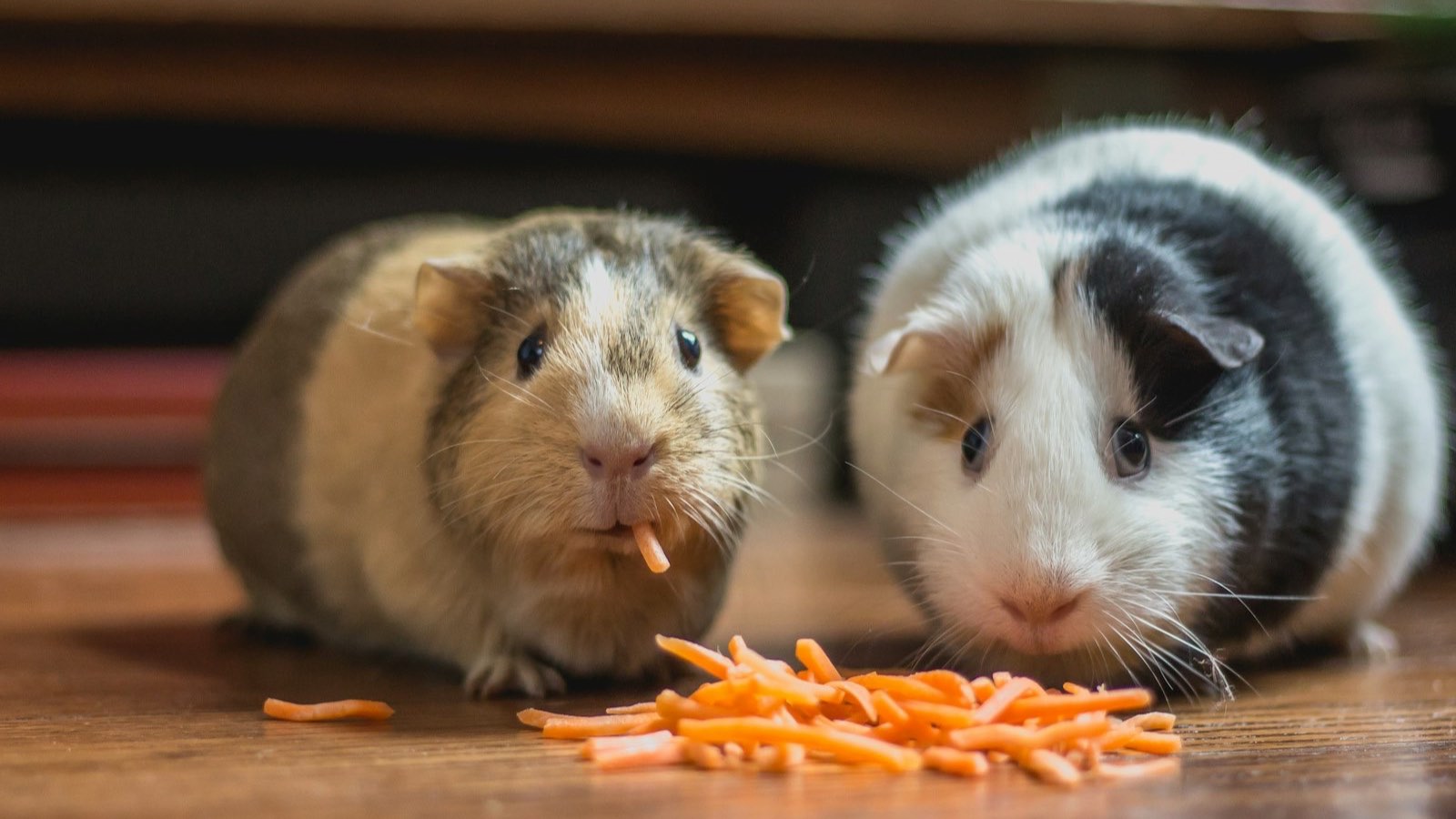
Brushes, hygiene products, parasite control, habitat upkeep: your rodent’s routine care happens at home, with the right equipment. Our guides separate the essential from the gimmick — and say when the vet, not the shop aisle, should have the answer.
🛒 Our picks shipped from the US
-
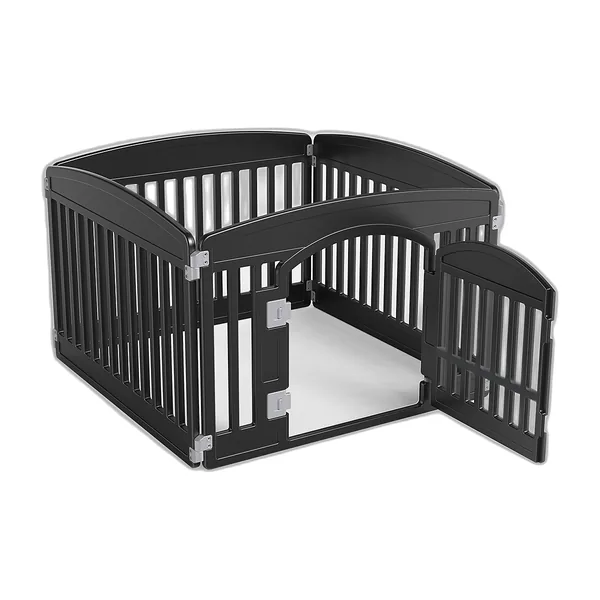 Modular plastic playpen for puppies and rabbits, 4 or 6 panels
from $87.90
Choose an option -
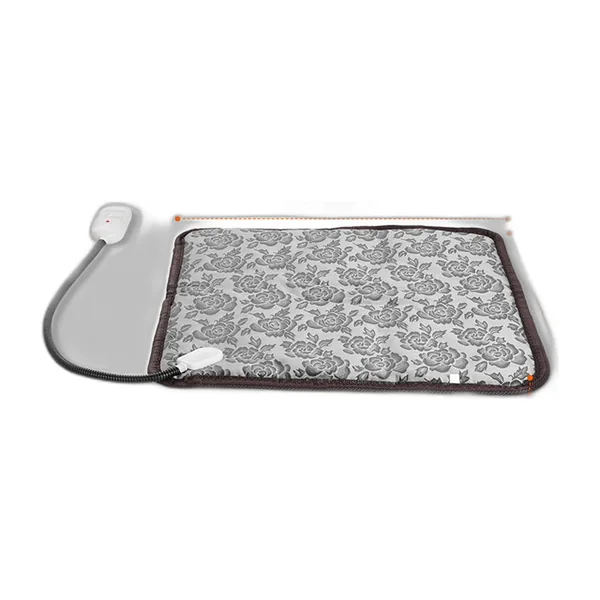 Electric pet heating pad 45 × 45 cm (17.7 in) with chew-resistant cord
$48.90
-
 Rolling 4-level ferret and chinchilla cage with hammock
$159.90
Ships from a US warehouse in 4 to 10 business days, free delivery within the United States. See the US shop
🩺 The health watchpoints on this page are for information only: only a veterinarian can examine your animal and make a diagnosis.
The key point : Dust-extracted bedding free of essential oils (never cedar shavings) protects against respiratory disease, the top reason for exotic-vet visits.
Our dedicated guides
- Checking your hamster's teeth at home: recognising the signs of malocclusion
Hamster dental malocclusion: why their incisors grow continuously, which signs to watch for at home, and when to see an exotic-animal vet.
- Fur chewing in chinchillas: causes and solutions
Chinchilla fur chewing: what research shows about this compulsive behaviour, its likely causes, and how to address it day to day.
- How to find an exotic pet vet for your rodent
Why a general practitioner is not always enough, where to look for a genuinely qualified exotic vet, and the warning signs in a rodent.
- Stress-induced seizures in gerbils: causes and what to do
Why some gerbils have seizures triggered by stress or novelty, how to react in the moment, and when a vet visit is warranted.
- Respiratory mycoplasmosis in rats: symptoms and prevention
Sneezing, wheezing, and red discharge: recognising the signs of respiratory mycoplasmosis in rats and limiting the factors that trigger flare-ups.
- Trimming a guinea pig’s nails without stressing it
Frequency, method, and visual cues for trimming a guinea pig’s nails safely, without causing unnecessary stress.
- Korean chipmunk hibernation: what to watch for in winter
How the Korean chipmunk’s winter slowdown unfolds, and why its digestive system stays fragile during this period.
- Mammary tumors in pet rats: early detection and prevention
Why female pet rats are particularly prone to mammary tumors, and how regular checks and spaying reduce the risk.
- Degu dust bath: frequency and benefits
Why dust bathing is not a mere comfort for the Chilean degu, but a genuine social and hygienic behaviour.
- Heatstroke in guinea pigs, hamsters and chinchillas: preventing overheating
Small rodents overheat very fast in summer and don't sweat. Signs of heatstroke, emergency moves and setups to keep the cage cool.
- Dwarf hamster winter torpor: false hibernation, a real danger
A cold, motionless dwarf hamster in winter isn't necessarily dead: it may be in torpor. How to recognise it, prevent it, and why it's still dangerous.
- Ringtail in baby rodents: the underrated role of humidity
Ringtail mainly affects young rodents raised in overly dry air. How to recognise this tail constriction, and why nest humidity matters as much as its temperature.
- Hemp or corn cob bedding: which should you choose for your rodent?
Hemp or corn cob bedding? Absorbency, dust, price per litre and suitability by species: our comparison to help you choose the right plant-based bedding.
- Which bath sand to buy for a chinchilla, gerbil or hamster?
Which bath sand should you buy? Sepiolite, quartz sand or bathing dust: the right products, the ones to avoid and prices per kilo for healthy fur.
- Barbering in rats and mice: when grooming between cage mates goes too far
Whiskers or fur clipped clean off a rat or mouse living in a group? This behaviour, called barbering, isn't a skin disease but a social signal worth decoding.
- Gerbil tail slip: how to handle your gerbil without risking degloving
Grabbing a gerbil by the tip of the tail can strip the skin off in an instant: this is tail slip, a common and preventable injury. The right way to pick a gerbil up safely.
- Guinea pig GI stasis: recognising the emergency warning signs
A guinea pig that stops eating for a few hours is a veterinary emergency. Understanding GI stasis, its link to low fibre intake, and the signs every owner should watch for.
- Can a pet rat live alone? Why it needs a companion
Contrary to popular belief, pet rats cope poorly with prolonged solitude. What research shows about their social needs, and how to set up a successful cohabitation.
- Why the dwarf hamster's coat changes colour in winter
In winter, a dwarf hamster's grey-brown coat can lighten toward an almost white grey. What research on photoperiod explains about this natural process, and when to worry about a real skin problem instead.
- Essential oils and scented candles: an underestimated danger for rodents
Essential oil diffusers, scented candles and air fresheners: what science says about rodents' sense of smell and respiratory system, and why these products are riskier for them than for us.
- A stressed hamster: a real risk factor for its digestive health
For hamsters, stress isn't just a matter of comfort - it genuinely weakens the body. What the research on stress and immunity shows, and which digestive signs should worry you.
- Degus can see ultraviolet light: what that means for cleaning their cage
Fresh Chilean degu urine strongly reflects ultraviolet light, a real visual and scent message for its cage mates. What the research shows, and how to adjust cleaning frequency without harming their wellbeing.
- Rat whiskers: why you should never trim them
A rat's whiskers aren't a cosmetic detail but a genuine sensory organ. What research on the somatosensory cortex shows, and the right habits to adopt.
- Guinea pigs and petting: what research shows about stress
Petting your guinea pig isn't always relaxing for the animal. What a thermographic study reveals about contact-related stress, and how to respect its need to retreat.
- Hay or pellets as base bedding: the real answer
Can hay or wood pellets serve as base bedding for a rodent? Absorption, dust, comfort and cost: our clear-cut comparison.
- Wire flooring underfoot: the mistake that causes bumblefoot
Mesh cage floors, wire shelves, slatted wheels: why wire under the feet causes bumblefoot in rodents, and how to prevent it.
- Rodent bedding: the true monthly cost, calculated
Hemp, flax, paper, washable textiles: the real monthly cost of bedding by species, with the price-per-litre maths and the tricks that halve the bill.
- The ageing guinea pig: adapting habitat and care
Your guinea pig is getting old: arthritis, teeth, weight. How to adapt the enclosure, bedding, diet and vet care after age 4, with the budget to plan.
- Why some gerbils have brief seizures: what to know
A sudden brief tremor followed by a moment of stillness: some gerbil lines are prone to short seizures, documented since the 1970s. When to worry, and how to handle the animal calmly.
- Guinea pigs and maternal separation: what cortisol levels reveal
Separated from its mother in an unfamiliar space, a young guinea pig vocalizes more and its cortisol spikes — unless a familiar adult stays close by. What a classic study changes for managing weaning stress.
- Guinea pigs hear up to 46,000 Hz: what that means day to day
Vacuum cleaners, doorbells, electronics: guinea pigs perceive frequencies far beyond human hearing. What a behavioral audiogram study means for where you place the cage.
- In dwarf hamsters, the male can help deliver the pups: an exception among hamsters
While Syrian hamster males must be removed before birth, a study on Campbell's dwarf hamster describes an active male during delivery. What that means for an already-established dwarf hamster pair.
- Why a mother degu "talks" to her pups: an early auditory learning process
Degu pups whose mother is surgically muted grow more slowly than others. A study on learning the maternal call highlights the importance of a calm environment during the first two weeks.
- Why an injury to a hamster's cheek pouch should always be taken seriously
A hamster's cheek pouches aren't just a stretchy storage bag: a founding study showed they're an immunologically unique site. What that means when one gets injured.
- Why the chinchilla became a research model for hearing, and what that means at home
The chinchilla's hearing is so close to a human's that it long served as a reference model in acoustic research. That sensitivity calls for real precautions at home.
- The rat's 22 kHz call: the inaudible distress signal worth learning to spot
Unlike its cheerful 50 kHz calls, a rat also produces low, alarm-type calls around 22 kHz when frightened. A landmark study details this signal and what triggers it.
- The Syrian hamster's flank glands: what this little-known scent marking is for
The Syrian hamster has two flank glands it rubs against objects in its territory. Behavioral research explains this marking and what to avoid when cleaning its cage.
- The Mouse Grimace Scale: how to recognize pain on a mouse's face
A study developed a grimace scale for assessing pain in mice based on their facial expression. Simple cues for spotting discomfort a mouse won't otherwise show.
- The male guinea pig's perineal gland: a dominance signal, not a sign of illness
In male guinea pigs, a greasy perineal gland reflects social rank within the group, according to a landmark study. How to care for it without overdoing it.
- Which rodent should you choose if you're allergic to fur?
Fur and dander allergies: which rodent triggers the fewest reactions? Our advice on choosing a species and limiting allergens day to day.
- Picking up your mouse by the tail raises its stress: what a landmark study shows
A landmark UK study compared tail handling with tunnel handling in mice. The measured gap in stress changes how you should handle one day to day.
- Tickling your rat literally makes it "laugh": what a landmark study shows
A landmark study measured positive ultrasonic vocalizations in hand-tickled rats, close to laughter. Reason enough to turn daily play sessions into real bonding time.
- A mouse can learn fear just by watching a stressed cagemate, a Korean study shows
A study measured fear learning through pure observation in mice, with no direct experience of the stressor. Good reason to watch the emotional climate of a whole group, not just one animal at a time.
- A mother guinea pig recognizes her own pups' calls, a German study shows: what this means for the litter
Researchers measured how a mother guinea pig adjusts her response to her pups' distress calls depending on litter size. A closer look at what a nursing female actually needs.
- Chinchillas can't dissipate heat well, a Chilean study confirms: why they struggle so much in warm weather
A study on chinchilla metabolism measured a thermoregulation system built for the cold Andean highlands, but very limited against heat. Reason for particular vigilance as soon as warm weather arrives.
- A female gerbil turns more aggressive once paired, an Italian study shows
Researchers measured a sharp rise in territorial aggression in female gerbils after pairing with a male. Reason to plan introductions to a new cagemate more carefully.
- Cleaning the cage too often: the mistake that stresses your rodent
A full clean that's too frequent wipes out your rodent's scent markers and can cause stress. The right rhythm to follow, species by species.
- Guinea pigs: dental disease is the number one reason for a vet visit
Across 1,000 guinea pigs seen in a clinic, 36.3 % had dental disease — ahead of skin problems and ovarian cysts. With two clearly over-represented profiles.
- Guinea pig ovarian cysts: waiting for hair loss means waiting too long
Four females in ten carry them, two in three past the age of three. Symmetrical alopecia, by contrast, is rare — which makes it a poor warning sign.
- The odour of whoever opens the cage changes a rat's stress response
Several laboratories have measured that human odour, and men's odour in particular, alters the physiology of rats and mice. What this work really shows, and its limits.
- How to trim a rodent's nails safely
Do rats and guinea pigs need nail trims? The right frequency, the right tool, and the steps to avoid cutting into the quick.
- Guinea pig: the median age at death is 4 years, not 5 to 8
A study of 51,622 guinea pigs seen in first-opinion practice puts the median age at death at 4.03 years. And the leading recorded cause is not a disease.
- Rodent losing fur: when to worry and what to do
Seasonal shedding or a sign of illness? How to tell normal fur loss in a rodent apart from a real cause for concern, and when to see a vet.
- Mammary tumors in pet mice: the warning signs to watch for
A lump under the skin, a swollen belly: how to spot a mammary tumor in a pet mouse, and when it's time to see a vet.
- Bedding and Shavings for Rodents: Which Substrates Are Actually Safe?
Hemp, flax, paper or wood shavings: which substrates to choose for a hamster, rat or guinea pig, and which to avoid to protect their airways.
- Sand Baths for Chinchillas and Gerbils: Which Sand, How Often, Best Practice
Why the sand bath is essential for chinchillas and gerbils: which sand to choose, how often to offer it and the mistakes to avoid.
Care & grooming breed by breed: every rodent profile covers this product family with that species’ own figures.