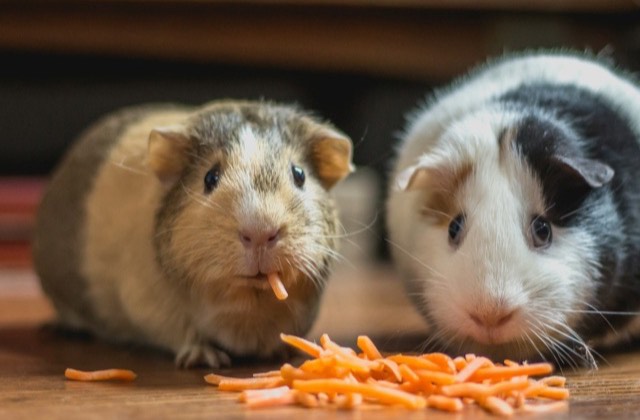
A stressed hamster: a real risk factor for its digestive health
Published by Planète Pets · managing editor: Clément Lacaille · how our guides are written
Hamster stress is often treated as a minor, passing discomfort, when it actually weakens the animal's body in real ways. A study by Bedrosian, Fonken, Walton and Nelson, published in 2011 in Biology Letters, showed that a stressor as subtle as dim light left on at night is enough to disrupt the immune system of Siberian hamsters, a species closely related to the Russian dwarf hamster. Find more care tips in our care and grooming section.
Contents · 4 sections
The link between stress and immunity
In hamsters, as in many small mammals, an immune system weakened by stress opens the door to digestive imbalances that, in this species, can turn serious within hours. A recent move, an abrupt diet change, a cage that's handled too often, or a noisy environment are among the most common stressors for a pet hamster.
Digestive signs that should worry you
A hamster that seems listless, refuses food, has a dull, damp-looking coat around its rear end, or produces soft or runny droppings should be seen by an exotic pet vet without delay: in this species, digestive problems can escalate quickly, and a fast consultation often changes the outcome. See our guide to finding an exotic pet vet before you ever actually need one.
Cutting everyday stress
- Keep feeding and cleaning times regular rather than unpredictable.
- Limit handling in the first few days after arrival or a housing change.
- Avoid any bright light near the cage at night, screens included; see our guide to the right night light for a rodent.
- Don't scrub the entire cage too often, which wipes out its scent markers; see cleaning the cage too often.
Frequently asked questions
Can stress alone make a hamster sick?
Stress doesn't directly cause illness, but it weakens the body's defenses and raises the risk that a digestive imbalance will take hold and worsen quickly.
Should you see a vet at the first sign of soft droppings?
Yes, for hamsters: unlike some other species, things can escalate very fast, so it's better to consult out of caution than to wait too long.
Is a newly adopted hamster more at risk?
Yes, the first week after adoption stacks up several stressors at once (travel, a new environment, a diet change) and deserves extra attention.
An accessory from our shop for this use: Hanging chew garland for rabbits and rodents (€17.90) · the whole shop
This guide is part of Planète Pets’s Rodents universe. Our advice is general in nature: for any health concern, your veterinarian remains the only reference.