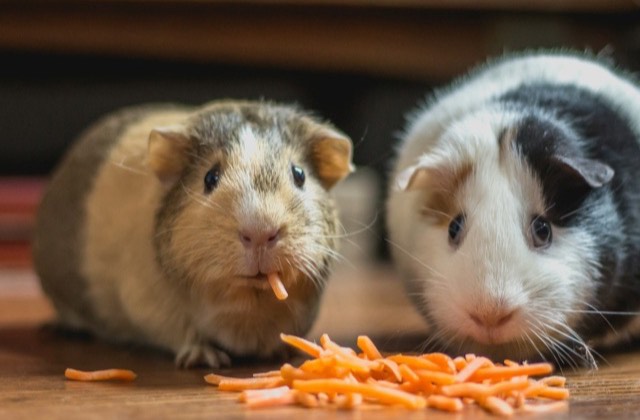
What light lets you watch a nocturnal rodent without disturbing it?
Published by Planète Pets · managing editor: Clément Lacaille · how our guides are written
Watching a hamster or gerbil during its nighttime activity without switching on the main light is a real technical question. A study by Bedrosian, Fonken, Walton and Nelson, published in 2011 in Biology Letters, found that even dim light left on at night is enough to disrupt the immune system of Siberian hamsters, a species close to the dwarf hamster. Find our other pointers in the accessories section.
Contents · 4 sections
Why white light disrupts a rodent's rhythm
Nocturnal rodents set their internal clock to the day-night cycle. Even low-intensity light switched on during their rest or nighttime activity phase sends a conflicting signal to that clock and, according to Bedrosian and colleagues' study, can affect functions as essential as immunity.
Why red light causes fewer problems
A review by Leo Peichl, published in 2005 in The Anatomical Record, describes the diversity of photoreceptors across mammals and confirms that most rodents perceive long wavelengths, including red, very poorly (see the study). A red light lamp, set to low intensity, lets you watch an active hamster or gerbil without triggering the same reaction that white or blue light would.
How to choose a viewing light
- Choose a red-light bulb or night light, never white or bluish, for the room where the rodent lives at night.
- Avoid red heat lamps made for reptiles: they give off heat that is unsuited to a rodent.
- Keep the light source away from the cage so it doesn't dry the air or disturb the animal's daytime sleep.
For the rodent's own home, see hamster cage sizing.
Frequently asked questions
Does a nocturnal rodent need complete darkness during the day?
A regular day-night cycle, without prolonged artificial light at night, supports a healthy rhythm; the room can stay normally lit during the day while it sleeps.
Does red light scare a rodent away?
No, most rodents barely perceive it, which allows discreet observation without changing their natural behaviour.
Can a regular flashlight be used briefly?
Occasionally, yes, but avoid pointing it directly at the animal and always prefer red light for any extended use.
An accessory from our shop for this use: Wooden hay rack with tray for rabbit, guinea pig and chinchilla (€21.90) · the whole shop
This guide is part of Planète Pets’s Rodents universe. Our advice is general in nature: for any health concern, your veterinarian remains the only reference.