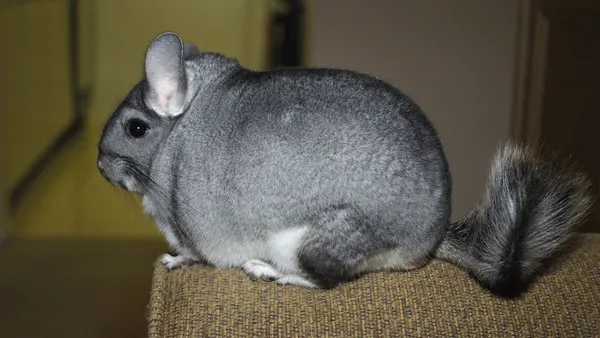
Rat whiskers: why you should never trim them
Published by Planète Pets · managing editor: Clément Lacaille · how our guides are written
The long whiskers framing a rat's muzzle aren't a cosmetic detail: they're vibrissae, a true sensory organ. A landmark study by Kelly, Carvell, Kodger and Simons, published in 1999 in the Journal of Neuroscience, found that selectively removing whiskers around a spared principal whisker caused immediate disinhibition in the somatosensory cortex, proof that a rat's brain is finely tuned to these tactile signals (see the study). Find our other tips in the care and grooming section.

Contents · 4 sections
A genuine sensory organ
Each whisker grows from a follicle richly supplied with nerve endings and surrounded by a blood sinus, a far more complex structure than an ordinary hair. Rats constantly use them to judge the width of a gap before squeezing through, recognize a texture in the dark, or keep their bearings while moving: an extension of touch, almost comparable to our fingertips.
What the research on the cortex reveals
Kelly and colleagues measured cortical activity in rats after removing several whiskers around one spared whisker: the corresponding neurons began firing abnormally strongly and in a disorganized way, a sign that the brain instantly loses part of its ability to filter and interpret tactile information. This confirms that even a partial trim is never harmless for the animal, despite what many owners assume.
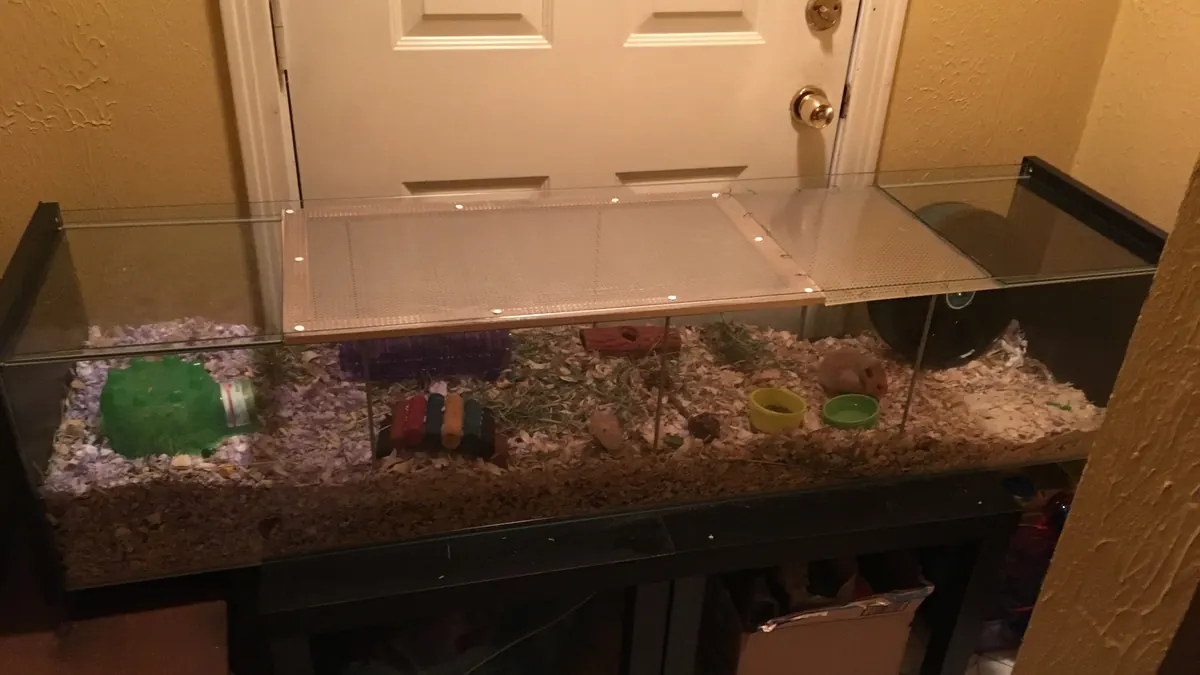
Good habits day to day
- Never cut or shorten the vibrissae, even for the sake of appearance before a show or a photo.
- Don't worry if a whisker falls out on its own during normal shedding: it grows back within a few weeks.
- Avoid tunnels so narrow that they constantly bend the whiskers against the walls.
- Offer varied surfaces and materials to stimulate this tactile sense, a principle covered in our guide to pet rat enrichment.
Frequently asked questions
Does an accidentally trimmed whisker grow back?
Yes, like a hair, but the rat stays temporarily disoriented and less precise in its movements until it regains its normal length.
Should I worry if my rat loses a few whiskers?
An isolated loss linked to shedding or rubbing against the bars is normal; a sudden, large-scale loss should prompt a vet visit.
Can a rat's nails be trimmed the same way, without risk?
Yes: unlike vibrissae, nails have no sensory function and can be trimmed regularly, as explained in our guide on how to trim a rodent's nails safely.
This guide is part of Planète Pets’s Rodents universe. Our advice is general in nature: for any health concern, your veterinarian remains the only reference.