Bedding and habitat for your rodent: getting the size right
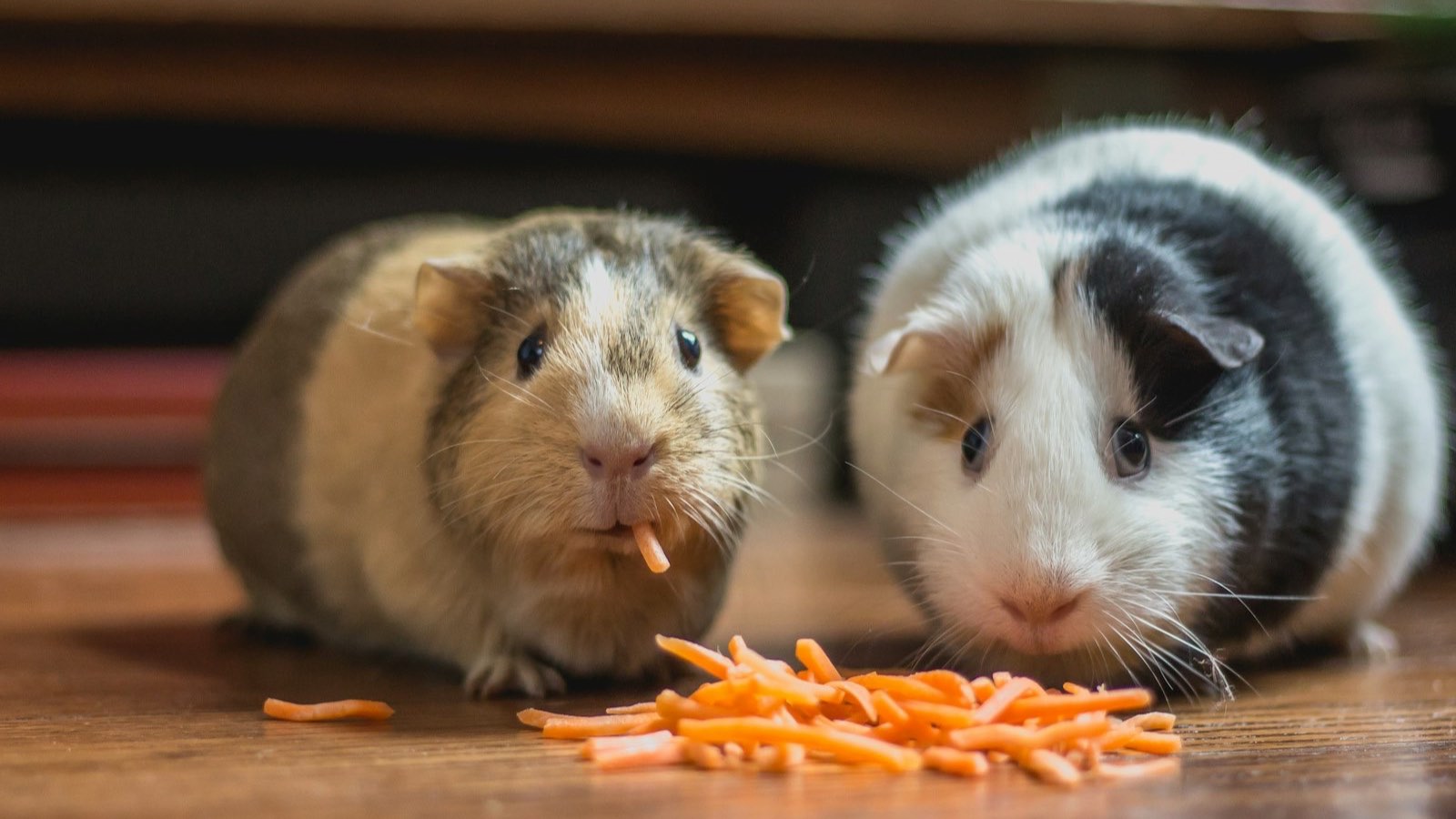
This is the structural purchase — and where mistakes cost the most: too small, badly placed, badly sized. Our guides give serious minimum dimensions for a rodent, the materials that last, and the traps of entry-level products.
🛒 Our picks from the shop
-
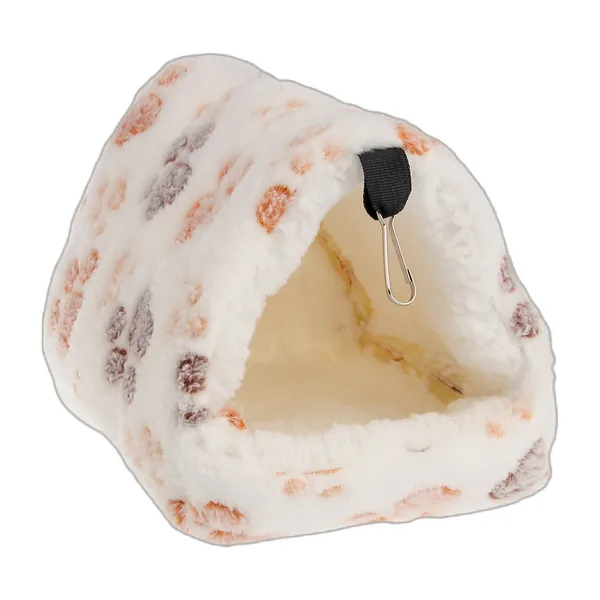 Cosy hanging plush nest for hamsters and small rodents
€17.90
Choose an option -
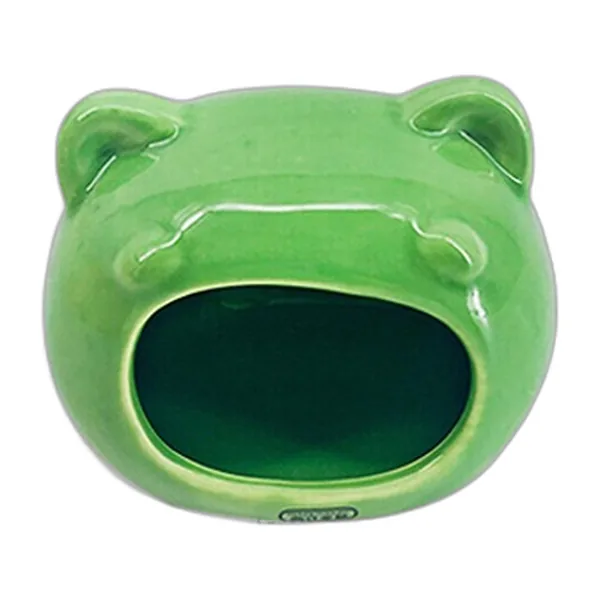 Ceramic hideout for hamsters and small rodents (11.5 × 9 × 8.5 cm)
€24.90
Choose an option -
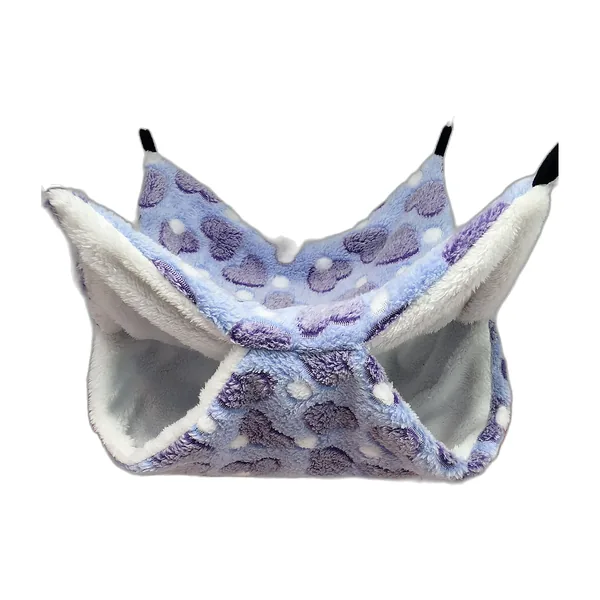 Double-layer plush hammock for rats, squirrels or ferrets
from €18.90
Choose an option
Delivery in 8 to 15 working days, free from €49 (otherwise €4.90). See the whole shop
🛒 Our picks shipped from the US
-
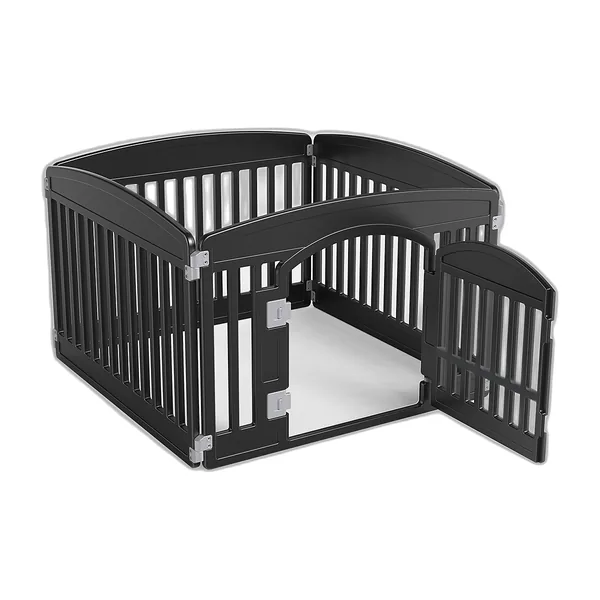 Modular plastic playpen for puppies and rabbits, 4 or 6 panels
from $87.90
Choose an option -
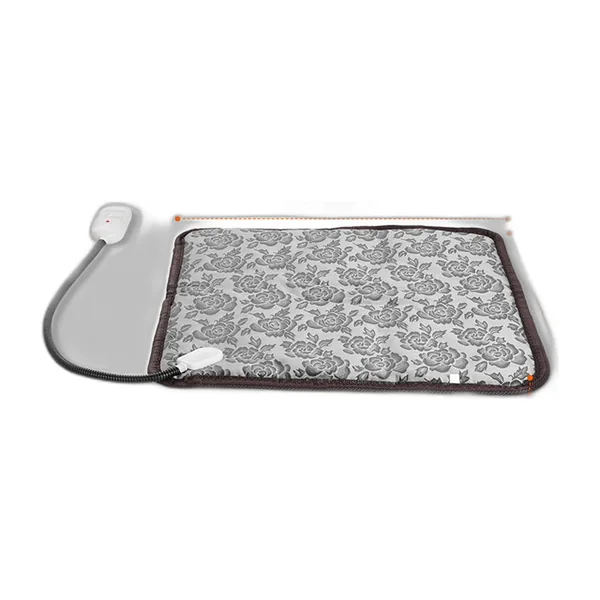 Electric pet heating pad 45 × 45 cm (17.7 in) with chew-resistant cord
$48.90
-
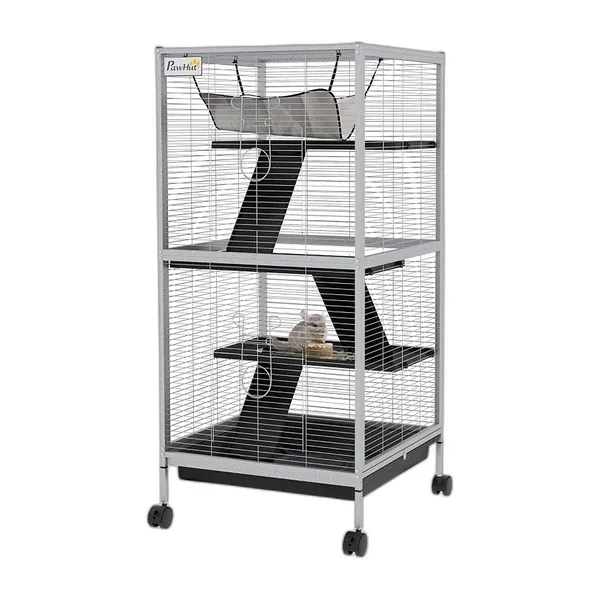 Rolling 4-level ferret and chinchilla cage with hammock
$159.90
Ships from a US warehouse in 4 to 10 business days, free delivery within the United States. See the US shop
The key point : Go big: a 100 × 50 cm footprint is a minimum for a hamster, and guinea pigs must live in pairs — which means a pen.
Read first
Our dedicated guides
- Setting up a mouse cage: the essential accessories
Substrate, nesting material, wheel, hides, and enrichment: the accessories that are genuinely useful for setting up a pet mouse's cage.
- Guinea pig bedding: wood shavings or paper?
What the research shows about guinea pigs’ actual preference between wood shavings and paper bedding, beyond price arguments.
- Introducing two adult gerbils: why neutral territory changes everything
Housing two adult gerbils together doesn't just happen: forming a pair changes their territorial behaviour. The neutral-territory method to cut down on fights.
- What cage for a guinea pig? The C&C enclosure is the real answer
What cage does a guinea pig need? Minimum floor space, the advantages of a modular C&C enclosure and a realistic budget: our guide to a truly suitable habitat.
- What cage for a rat? Height, levels and dimensions to respect
What cage does a pet rat need? Minimum height, number of levels, bar spacing and budget: our advice for an aviary-style cage suited to this born climber.
- A tank for gerbils: finally giving them something to dig
Why a glass tank beats a barred cage for gerbils: substrate depth, minimum dimensions, ventilation and budget for these tireless little diggers.
- Chinchilla housing: a large, cool aviary cage above all
Chinchilla housing demands a tall aviary cage of at least 1 metre, wooden platforms and a cool room below 22 °C: our detailed advice and budgets.
- Rat hammocks: your companions’ favourite place to sleep
The hammock is a rat’s favourite bed: suitable fabrics, safe attachment, how many hammocks per cage, upkeep and prices from 5 to 20 €.
- Minimum winter temperature: how much cold can your rodent take?
What minimum winter temperature for a rodent? Thresholds by species, the hamster hibernation risk, room heating and how to winter-proof the nest.
- Bar-gnawing: understanding stereotypy in caged rodents
A rodent that gnaws relentlessly at its cage bars is not simply bored: it is often a sign of stereotypy, a behaviour tied directly to an unsuitable housing setup.
- Mouse litter and cage bedding: which safe materials to choose
A mouse's cage floor must absorb, let it dig and nest, without releasing irritating substances. Which substrates to choose, which to avoid, and why the nesting material matters just as much.
- Housing dwarf hamsters in pairs: a false good idea?
Dwarf hamsters are sometimes sold in pairs as if they tolerated company. What a recent veterinary study found about cohabitation failure, and how to house one alone safely.
- Rat or guinea pig for a beginner? The honest comparison
Rats and guinea pigs are both social rodents, but their needs differ sharply. What two landmark studies on their cognition and group life show, so you can choose with confidence.
- Rats and bright light: why they need dark hideouts in their cage
Rats are extremely sensitive to light, to the point that poor lighting can damage their retina. What the research on their sensory perception means for where you place the cage and its hideouts.
- Why guinea pigs should never get a high-level cage
Unlike rats, guinea pigs don't climb and judge heights poorly. What their domestication history reveals about this trait, and how to set up a fall-free habitat.
- Why gerbils drum their feet on the ground
Foot drumming isn't a nervous tic: it's a seismic signal studied by scientists. What it means, and what it implies for a gerbil's habitat.
- The degu, a diurnal species: why natural light matters
Unlike most pet rodents, the degu is active during the day. What research on its biological clock shows, and how to position its cage accordingly.
- Rats help a distressed cage-mate: what the science of empathy shows
Researchers found that rats spontaneously free a trapped cage-mate, even without any reward. What this study reveals about their need for company.
- Hamster or gerbil for beginners? The honest comparison
Hamster or gerbil as your first rodent? Daily rhythm, sociability, housing and budget: our comparison to choose the pet that truly fits your household.
- Wire cage or tank for a hamster: which should you choose?
Wire cage or glass tank for a hamster? Bedding depth, ventilation, safety and price: our comparison to help you decide for your species.
- The 7 first-hamster mistakes (and how to avoid them)
Tiny cage, mesh wheel, fluffy cotton, daytime wake-ups: the 7 most common mistakes with a first hamster and the right habits to avoid them.
- Colorful tube cages: why they are a bad idea
Colorful plastic tube cages charm children but pile up flaws: ventilation, size, cleaning. Our analysis, plus alternatives at the same price.
- Fluffy cotton nesting for rodents: the hidden danger
Cotton nesting fluff for hamsters, sold in pet shops, causes strangulation and intestinal blockages. Why it is dangerous and what to use instead for 0 €.
- A pet mouse's nest: why nesting material quality matters so much
A mouse that can't build a proper nest suffers from the cold even in a heated room. What research shows about the link between nest quality and welfare.
- Guinea pigs: why living in a group lowers physiological stress
An isolated guinea pig shows measurable stress markers that a same-species companion directly reduces. What research on its sociophysiology reveals.
- Why the golden (Syrian) hamster lives alone in the wild — and in a cage
A wild golden hamster occupies an isolated burrow and fiercely defends its territory from other hamsters. What a field study reveals about its solitary lifestyle.
- Wild gerbils live in extended families: what that means for pairs in a cage
Far from a simple pair, wild Mongolian gerbils live in family groups spanning several generations. A field study sheds light on cohabitation choices in captivity.
- Why a chinchilla needs height: what its wild habitat reveals
In the Andes, wild chinchillas live on steep rocky outcrops, not on flat ground. What their natural ecology changes for setting up a cage with vertical space.
- Why female degus share a nest: it's a family matter
In the wild, female degus that sleep in the same nest are almost always related. A radio-tracking study sheds light on which cohabitation choices work best in captivity.
- Spacious cage, but your chinchilla hides in a corner: why it still needs a tight shelter
A study on chinchilla enclosure preferences shows they choose low, tight spaces even when more room is available: what that means for setting up the cage.
- Hamsters hoard more than they eat: what a study on foraging effort shows
Faced with a rising cost to obtain food, a hamster keeps eating nearly as much, but sharply cuts back on hoarding. What a study on food demand means for the stashes found in the cage.
- Gerbils as a pair: why the male can become as invested a parent as the female
The Mongolian gerbil is one of the few rodents that pairs for life, with the male actively caring for pups. A founding study explains this unusual behavior.
- Housing several male mice together: why it's riskier than with females
Unlike females, adult male mice often cohabit poorly in groups. A study on cage and group size explains what actually limits aggression.
- Roborovski hamster: what a comparative study reveals about its need for exercise
A Japanese study compared the activity levels and learning abilities of the Roborovski hamster with the dwarf hamster. The results change how you should think about its habitat.
- Pet chinchillas: what a survey reveals about the most common housing mistakes
A survey of chinchilla owners points to two recurring mistakes: cages that are too small and animals kept alone. Reason enough to rethink the setup at home.
- Chinchilla or Chilean degu for beginners? The honest comparison
Chinchilla or Chilean degu as a first exotic rodent? Daily rhythm, sociability, housing and budget: our comparison to help you pick the right companion.
- A quiet sound can stress a guinea pig without you noticing: what its breathing reveals
A recent study measured guinea pigs' breathing rate in response to simple sudden sounds, even faint ones. A stress signal worth watching beyond squeaking and fleeing.
- Wild rats dig complex burrows in a matter of hours: what that says about the need to burrow
A Polish study compared burrowing behaviour between wild rats and laboratory rats. A powerful natural drive that bedding depth needs to allow for.
- Artificial light can throw off a dwarf hamster's cycle, a landmark study shows
A landmark study measured how day length affects the seasonal physiology of the dwarf hamster. Reason enough to rethink where its cage sits relative to light sources.
- A gerbil's sand bath isn't just about hygiene, a study shows: it also helps regulate body temperature
A study measured a thermoregulatory role for sandbathing in gerbils, beyond simple coat upkeep. Reason enough to rethink where the sand bath sits in the enclosure.
- Roborovski hamsters orient their nest to Earth's magnetic field, a German study shows
Researchers measured that Roborovski hamsters build their nest along a preferred magnetic direction. Reason to think about the stability of their environment, not just its decoration.
- How much room per rat in a cage? Social rank matters more than square centimetres
A study tested housing density and space allocation per rat separately and found no clear effect on welfare — while the animal's position in the group hierarchy changed everything.
- Cage ammonia: adding bedding does nothing, a bigger cage does
Increasing or halving the amount of bedding does not change measured ammonia levels. At equal stocking density, it is the cage's air volume that makes the difference.
- Syrian hamster: bedding depth changes its behaviour, two studies show
A Swiss experiment and a large UK survey agree: bedding that is too shallow encourages bar biting in Syrian hamsters. The right depth is not just a matter of comfort.
- Syrian or dwarf hamster: what's the difference for a beginner?
Syrian hamster or dwarf hamster (Russian, Roborovski)? Size, temperament, housing together and budget: the real differences for your first hamster.
- What cage for a Chilean degu? The complete guide
Minimum dimensions, levels, sand bath: everything you need to know to choose a cage for a Chilean degu, a highly social and very active rodent.
- A rat's tail is its only radiator: the 27-30 °C tipping point
Rats barely sweat and pant poorly: the tail sheds up to 20 % of their heat, but only past a vasodilation threshold measured between 27 and 30 °C.
- Guinea pig ramps: 63 cm when it can see where it is going, 18 cm when it cannot
Three New Zealand studies measure how high a guinea pig will climb a ramp depending on what it can see at the top. A counter-intuitive result, and its limits.
- What cage for a pet mouse? The bar spacing trap to avoid
Pet mouse: what bar spacing, floor space and setup actually make for a safe, escape-proof home.
- Guinea pig alone or in pairs: what science says about its social needs
Guinea pig alone or in pairs: what studies show about its social needs and how to set up a home suited to two.
- What Size Cage Does a Hamster Need? Minimum Dimensions and Traps to Avoid
Minimum floor space, height, bars or acrylic: our advice for choosing a hamster cage that truly fits, far from the undersized models sold everywhere.
- Hideouts and Houses for Rodents: Which Materials to Choose?
Solid wood, ceramic, woven grass or plastic: which materials to favour for the hideout of a hamster, gerbil or guinea pig.
Bedding & habitat breed by breed: every rodent profile covers this product family with that species’ own figures.