Minimum winter temperature: how much cold can your rodent take?
Published by Planète Pets · managing editor: Clément Lacaille · how our guides are written
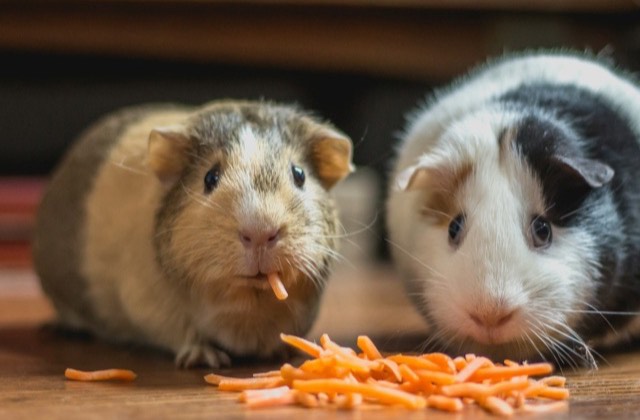
What is the minimum winter temperature for an indoor rodent? Remember the overall threshold of 18 °C for the common species, with nuances: the Syrian hamster risks a dangerous pseudo-hibernation below 15 °C, the guinea pig suffers below 15 °C, while the chinchilla actually tolerates 10 to 15 °C very well. Here is the species-by-species detail.
Contents · 5 sections
What are the minimum temperatures by species?
- Hamster (Syrian and dwarf): 18 to 24 °C; real danger below 15 °C (torpor).
- Rat and mouse: 18 to 24 °C; sensitive to draughts (respiratory problems).
- Guinea pig: 18 to 24 °C indoors; outdoors only with a very well insulated shelter and never below 5 °C.
- Gerbil and degu: 18 to 23 °C, and absolutely dry.
- Chinchilla: 10 to 20 °C — cold is what bothers it least; see our guide to its cool habitat.
Why is hamster pseudo-hibernation dangerous?
Below 15 °C and with short days, a Syrian hamster can slip into torpor: body cold, breathing barely perceptible. Many owners believe their pet has died. Warm it up very gradually (a room at 22 °C, contact with your hands, 30 to 60 minutes) and consult an exotics vet: this torpor drains the animal’s reserves and is nothing like a controlled process in a domestic pet.
How should you winter-proof the cage?
Move the cage away from windows, doors and cold walls, raise it off tiled floors, and provide plenty of nest-building material: unscented toilet paper, hay, deep bedding. A wooden house with small openings and a snug bed are enough in a room at 18 °C; there is no need (and some risk) in pushing the cage up against a radiator. See also our guide to safe bedding.
Is a space heater worth it?
If the room stays below 16 °C for long periods (absences, poorly insulated housing), a small thermostat-controlled heater (30 to 60 €) set to 18 °C makes things safe. Avoid heat lamps and heating mats not designed for small pets: risks of burns and localised overheating. All our guides are in the bedding and habitat category.
Frequently asked questions
My flat drops to 16 °C at night — is that a problem?
Occasionally, no, as long as the animal has a well-stocked nest. Below a repeated 15 °C, watch the hamster closely and raise the temperature.
Can a guinea pig spend the winter outdoors?
Only if it has lived outside throughout the autumn (gradual acclimatisation), with companions, in an insulated, dry, frost-free shelter. Never move it abruptly from indoors to outdoors in winter.
Are day/night swings a problem?
Variations of 3 to 4 °C are well tolerated; it is sudden temperature shocks and draughts that make animals ill.
In our shop, for this use: Cosy hanging plush nest for hamsters and small rodents (€17.90) · the whole shop
In our shop, for this use: Modular plastic playpen for puppies and rabbits, 4 or 6 panels (from $87.90, ships from the US) · the US shop
This guide is part of Planète Pets’s Rodents universe. Our advice is general in nature: for any health concern, your veterinarian remains the only reference.