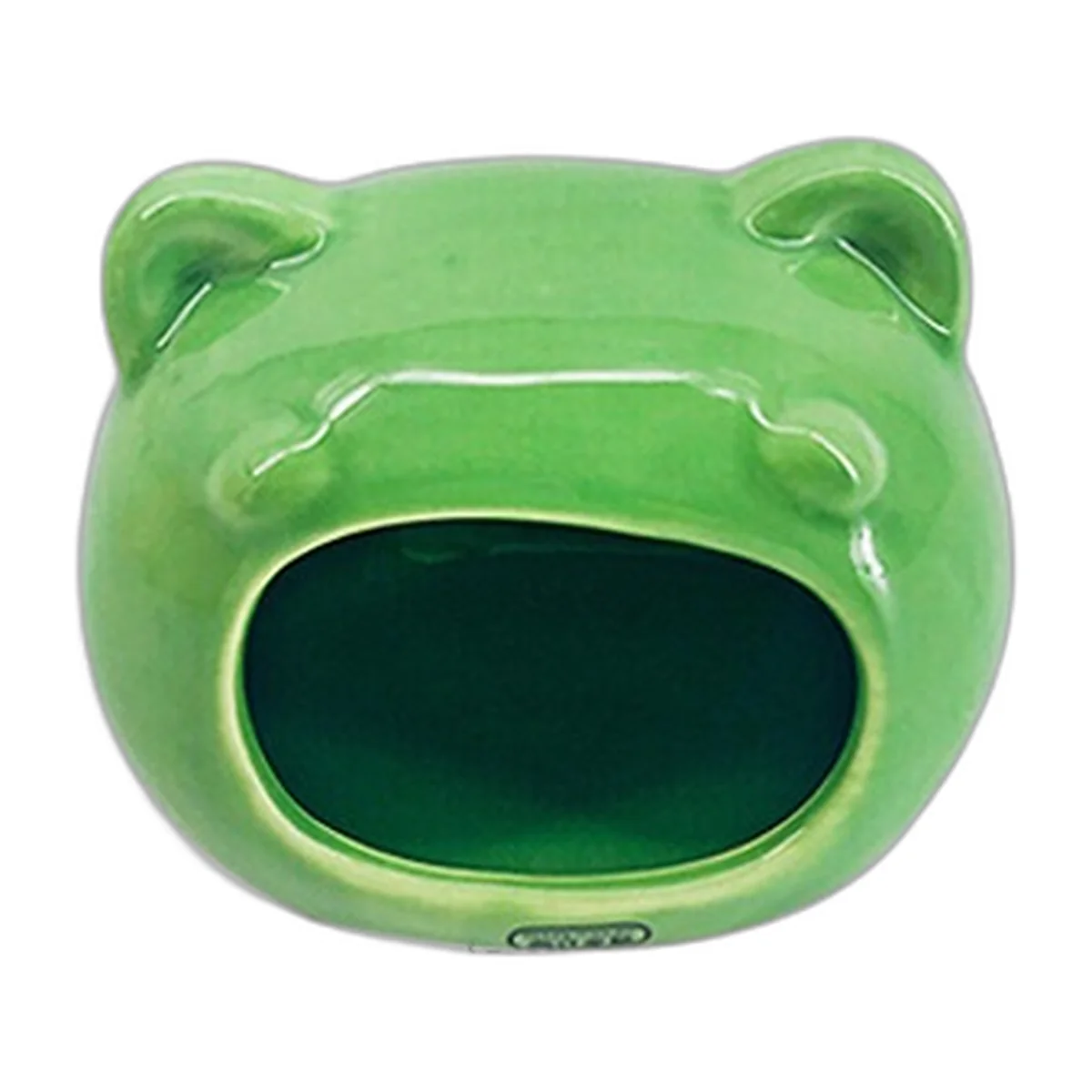
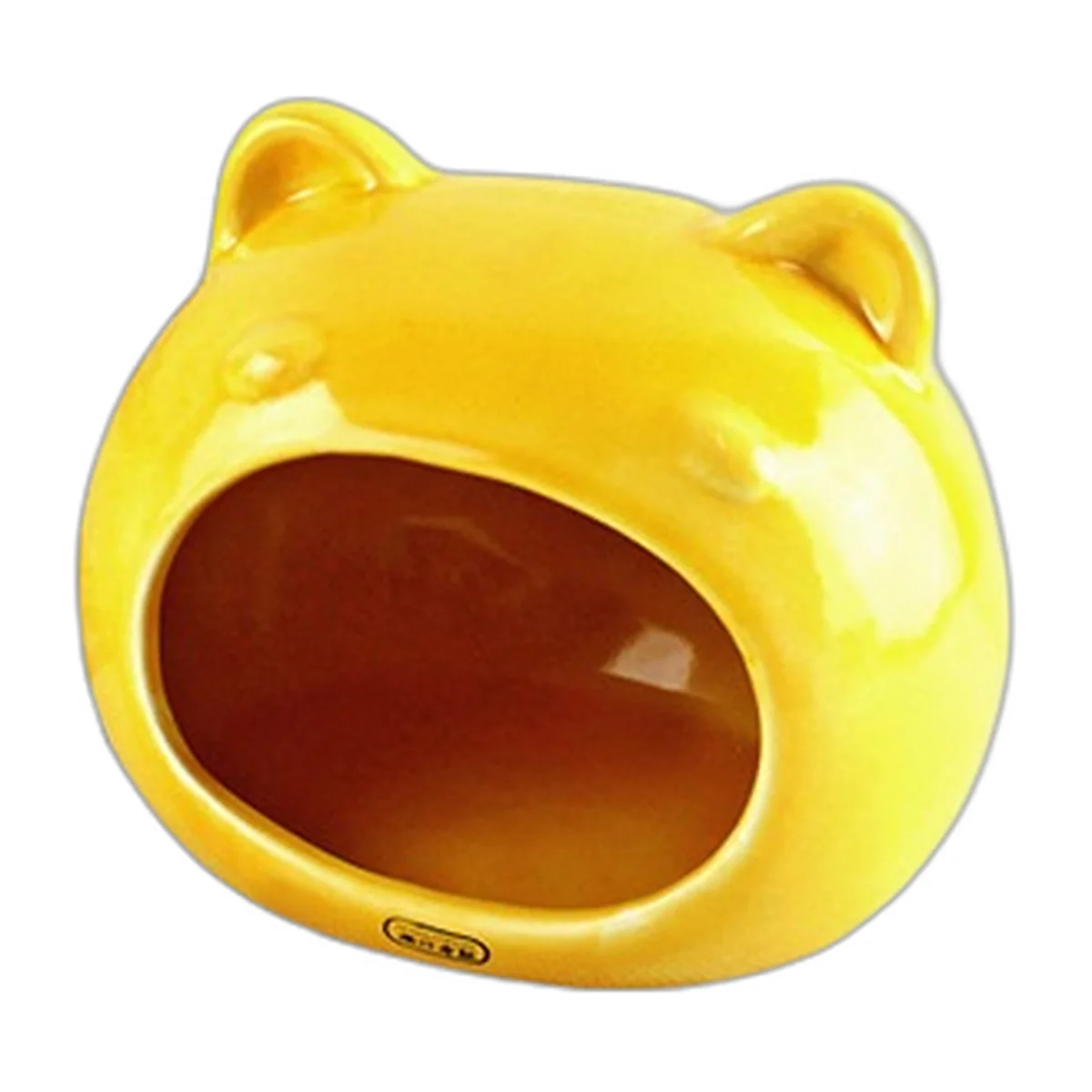
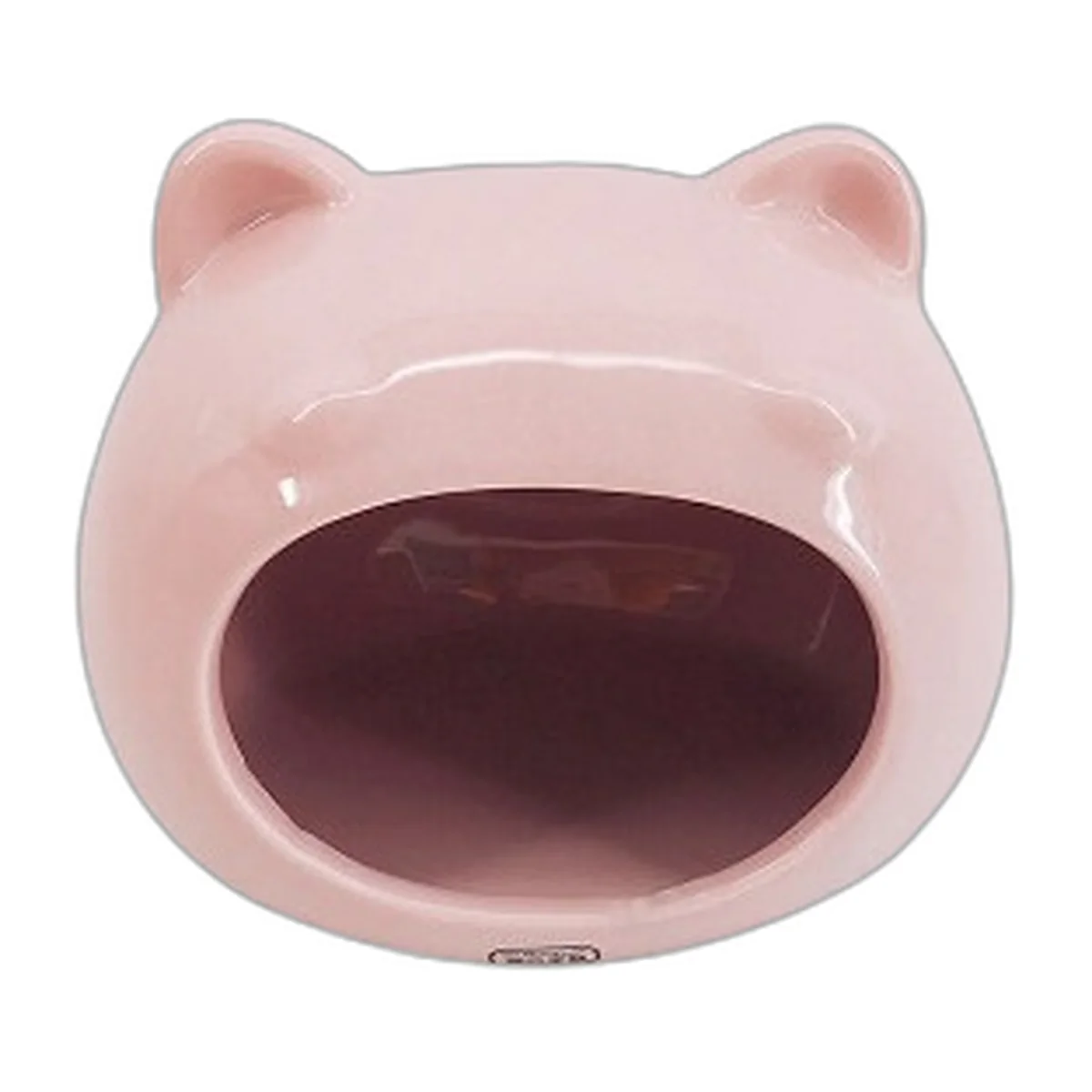
Ceramic hideout for hamsters and small rodents (11.5 × 9 × 8.5 cm)
Glazed ceramic hideout that stays cool in summer, 8 × 6 cm opening, for dwarf hamsters, mice or gerbils.
€20.90 VAT not applicable (art. 293 B CGI)
🚚 Delivery in 8 to 15 working days, free from €49 (otherwise €4.90).
↩︎ 14 days to change your mind · 💳 secure Stripe payment · terms of sale
Description
A hamster spends much of the day asleep in hiding: a hideout in the cage is essential to its welfare. This glazed ceramic nest is heavy and stable, and the rodent can neither tip it over nor chew it. Ceramic stays cool to the touch, an advantage in a warm room in summer.
Outside size 11.5 × 9 × 8.5 cm, 8 × 6 cm opening, 300 g. It suits dwarf hamsters (Roborovski, Russian, Campbell’s), mice and gerbils. An adult Syrian (golden) hamster will be too cramped: it needs a larger house.
The glazed surface washes in hot water without holding smells. In winter or a cool room, line it with unscented bedding or paper so the animal can build an insulated nest. Ceramic breaks if dropped: handle it carefully when cleaning.
Specifications
| Dimensions | 11.5 × 9 × 8.5 cm |
|---|---|
| Opening | 8 × 6 cm |
| Weight | 300 g |
| Material | glazed ceramic |
| For | dwarf hamster, mouse, gerbil |
| Colour | green, yellow or pink |
Frequently asked questions
Does it suit a Syrian hamster?
No, an adult Syrian is too big for an 8 × 6 cm opening. It is meant for dwarf hamsters, mice and gerbils.
Isn’t it too cold in winter?
Ceramic is cool: in winter, line it with unscented bedding or paper so the animal can make a nest inside.
Our guides to choose well
- A hideout and some height in the cage: what habitat enrichment really changes
An "enriched" cage sometimes amounts to little more than a toy on the floor. A study comparing standard cages with ones offering a hideout and a raised platform shows where rabbit welfare actually plays out.
- Which houseplants are toxic to rabbits?
Unable to vomit, a rabbit has no way to bring up a toxic plant once it’s been swallowed. Here are the most dangerous species to keep out of its living space, and what to do if ingestion is suspected.