Bedding and habitat for your reptile: getting the size right
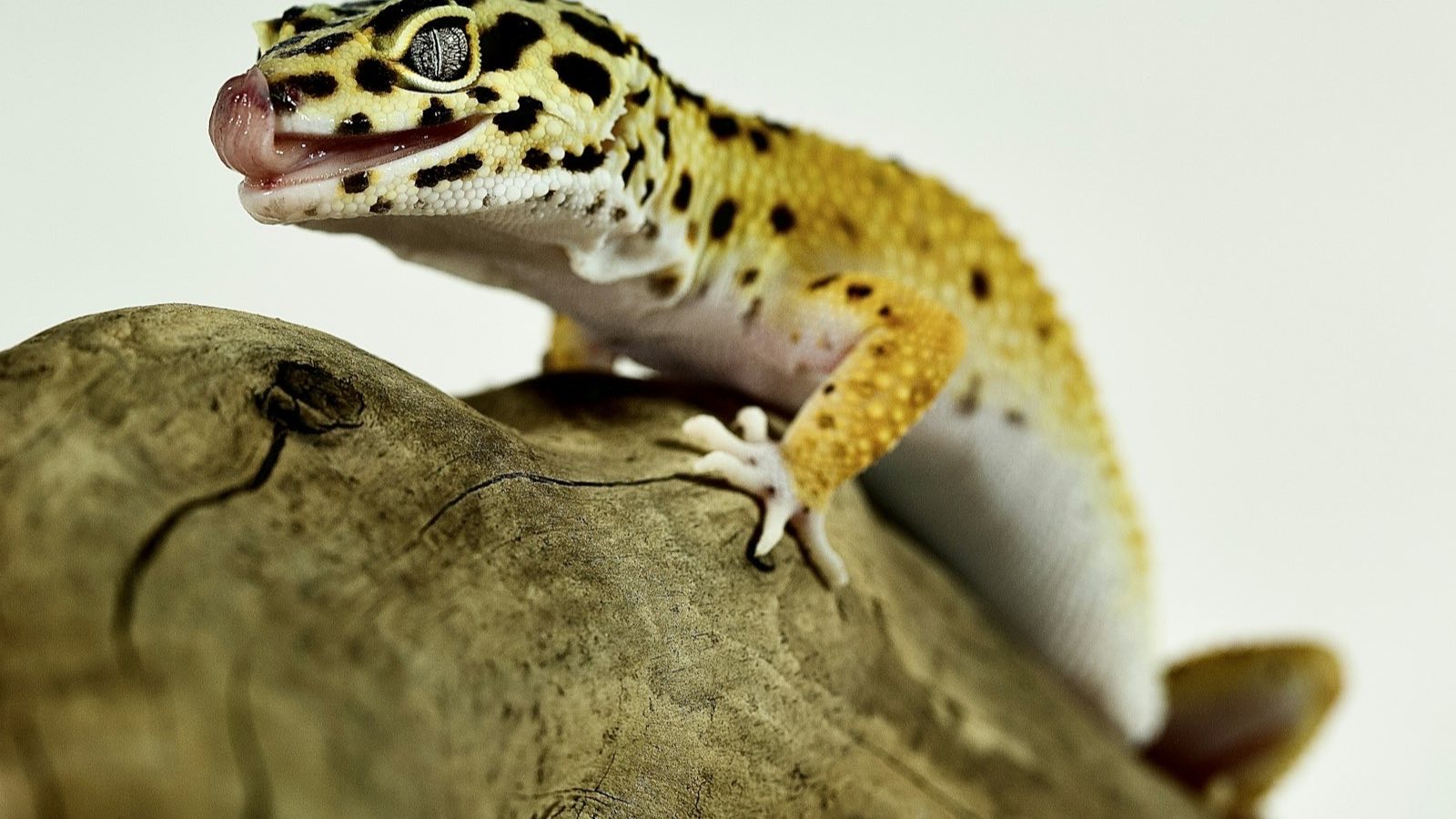
This is the structural purchase — and where mistakes cost the most: too small, badly placed, badly sized. Our guides give serious minimum dimensions for a reptile, the materials that last, and the traps of entry-level products.
🛒 Our picks from the shop
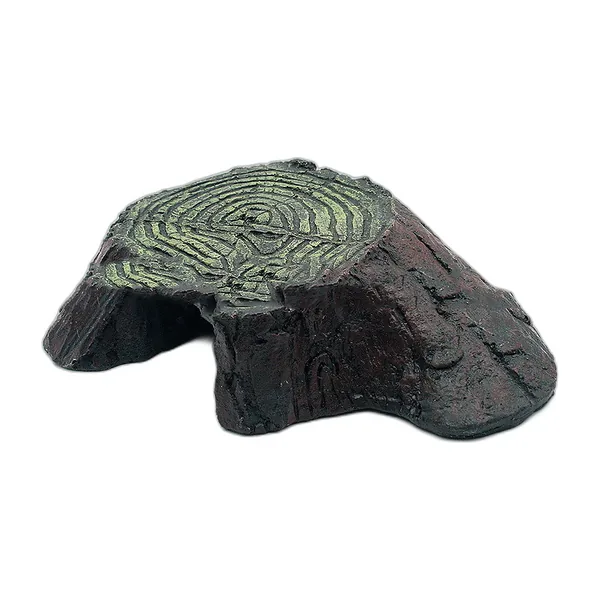
Delivery in 8 to 15 working days, free from €49 (otherwise €4.90). See the whole shop
The key point : Size the terrarium for the adult, not the juvenile: 120 × 60 × 60 cm for a bearded dragon, and OSB insulates better than all-glass.
Read first
- Green anole breeding: egg-laying, incubation and hatchling care
- Blue-tongued skink care: setup, diet, UVB and health
Our dedicated guides
- Vertical terrarium for a crested gecko: height, ventilation and humidity
Vertical terrarium for a crested gecko: why height matters more than floor space, what size fits each age, and how to manage the humidity cycle.
- Hibernating a Greek tortoise outdoors: how to prepare it properly
Preparing a Greek tortoise (Testudo graeca) for outdoor hibernation: pre-hibernation health check, a frost-free shelter, monitoring, and a safe wake-up.
- Complete bearded dragon setup: what starting budget should you plan for?
Terrarium, UVB, heating, decor, food: everything a complete bearded dragon kit includes, with a realistic starting budget of 400 to 700 €.
- Complete leopard gecko setup: what starting budget do you need?
An 80 cm terrarium, heat mat, hides and calcium: what goes into a complete leopard gecko kit, with a starting budget of 250 to 450 €.
- Which terrarium for a corn snake? Size, security and budget
Minimum dimensions, secure locking, thermal gradient: how to choose a terrarium for an adult corn snake, with a detailed budget.
- 3D terrarium backgrounds and decor: polystyrene, cork or resin?
3D background decor for terrariums: cork panels, carved polystyrene or resin, prices, installation and safety for geckos, bearded dragons and snakes.
- Outdoor enclosure for a Hermann's tortoise: building and safety
Outdoor enclosure for a Hermann's tortoise: minimum area, escape-proof walls, shelter, plants and a budget of 100 to 400 €, with a note on regulations.
- Substrate for tortoises: topsoil, soil-sand mix or wood chips?
Which substrate for a tortoise in a terrarium or shelter: soil-sand mix, fertiliser-free topsoil, depth, prices and materials to avoid.
- Mold and condensation in a humid terrarium: diagnosing and fixing it
Persistent fogging, mold patches on the decor: the causes of excess condensation in a humid terrarium (water dragon, crested gecko, chameleon) and how to fix it.
- Green anoles in a group: cohabitation, dominant males and beginner mistakes
The green anole lives in small groups, but only one male per terrarium: here is how to build a balanced group, spot a bullied individual and avoid the mistakes that stress these lizards.
- The leopard gecko's moist hide: essential for a successful shed
Without a moist hide, the leopard gecko risks an incomplete shed on its toes and tail tip. How to build, place and maintain this essential hideaway.
- African fat-tailed gecko terrarium: getting the setup right
A nocturnal, ground-dwelling cousin of the leopard gecko, the African fat-tailed gecko has similar needs but wants more humidity. A step-by-step setup guide.
- Tropical terrarium humidity: measuring and holding the right level
Too dry, a tropical terrarium's air dehydrates the animal and hampers shedding; too damp and poorly ventilated, it breeds mould. How to measure and stabilise humidity at the right level.
- Chinese water dragon terrarium: what size and setup for an adult?
Tall, spacious and humid: the Chinese water dragon's enclosure must match its arboreal, semi-aquatic lifestyle. Dimensions, planted walls and swimming basin, item by item.
- A growing terrarium for a green iguana: planning for growth to 1.5 m
A young green iguana of 20 cm can reach 1.5 m as an adult. Why the starter terrarium quickly becomes obsolete, and how to plan housing that truly tracks its growth.
- Leopard gecko or bearded dragon: which should you choose first?
Leopard gecko or bearded dragon as a first reptile? Budget, space, upkeep and handling compared so you pick the species that fits your home.
- Glass or OSB terrarium: which should you choose?
Glass or OSB terrarium? Insulation, price, weight, upkeep and suitable species compared to pick the right enclosure between 100 and 400 €.
- First terrarium: the 7 mistakes you absolutely must avoid
Undersized enclosure, unregulated heating, forgotten UVB: the 7 first-terrarium mistakes that cost dearly and how to dodge them from day one.
- Corn snake budget: how much does the first year cost?
First year with a corn snake: 450 to 800 € all in. Breakdown of setup, frozen prey, electricity and vet costs.
- From juvenile to adult terrarium: when and how to upgrade?
When to move your reptile to its adult terrarium, which gear to rebuy or keep, and how to manage the transition: the upgrade guide.
- Hermann's tortoise or Greek tortoise: which one to choose?
Adult size, home range, protected status: the two most popular tortoises in Europe look alike but are not equivalent. What a ten-year Bulgarian field study reveals.
- What's the best reptile for a 10-year-old child?
A docile leopard gecko, a calm ball python, or species to avoid altogether: the right choice depends as much on temperament as on health risk. What an English study on childhood salmonellosis makes clear.
- Bearded dragon: why the basking lamp's position matters as much as its wattage
A bearded dragon that always faces its lamp isn't a coincidence. What a Canadian study on the species' thermal orientation preference shows, and how to factor it into your terrarium layout.
- Royal python or boa constrictor: which to choose as a first snake?
A tank twice as big, a much higher running budget: a boa constrictor isn't just a bigger ball python. The full comparison for choosing your first snake.
- Crested gecko or leopard gecko: which to choose as a first gecko?
UVB required or not, different stress levels found in a 2023 study: the full comparison between crested gecko and leopard gecko for beginners.
- Red-eared slider grown too big: the mistakes to never make
An undersized tank, releasing it into the wild: the classic mistakes once a red-eared slider outgrows its setup, and what a 2017 study reveals.
- Pacman frog terrarium: how deep should the substrate be for burrowing?
5 to 10 cm isn't always enough: what a study on pacman frog estivation reveals about the risks of substrate that's too dry or too shallow.
- Corn snake: what a terrarium large enough to stretch out in actually changes
A 2021 study comparing two enclosure sizes for corn snakes shows the real effect of enough room to stretch out on the animal's activity levels.
- Ball python: what a study comparing rack and enriched terrarium housing reveals
A 2021 German study compared ball python behaviour in rack versus enriched terrarium housing: the species' normal behaviours barely appeared in the rack system.
- Blue-tongue skink: what a study on an Australian cousin changes about the idea of solitude
Decades of research on an Australian skink closely related to the blue-tongue skink document unusually strong pair fidelity for a lizard, with implications for scent recognition in captivity.
- Corn snake or ball python: which should you choose first?
Corn snake or ball python for a first snake? Budget, adult size, temperament and feeding compared so you pick the right species.
- Tokay gecko: what a study on pair housing changes about setting up the terrarium
A study tracked enclosure use and thermoregulation behaviour in Tokay geckos housed as pairs, with results worth knowing before attempting this notoriously tricky cohabitation.
- Crested gecko: what a study on dominance between females changes about cohabitation
A US study filmed female crested geckos cohabiting for two months: a dominance hierarchy forms, with concrete implications for setting up a shared terrarium.
- Greek tortoise: what a study on the cost of righting itself changes about enclosure terrain
A study measured the metabolic cost of self-righting in the Mediterranean spur-thighed tortoise: getting back on its feet costs roughly twice as much energy as walking, a benchmark for thinking through enclosure terrain.
- Boa constrictor: what a study on thermal aggregation changes about terrarium heating
A classic study measured how young boa constrictors cluster together depending on ambient temperature. Reason enough to rethink the size of the basking spot and the sharpness of the thermal gradient.
- Green anoles: what an incubation temperature study changes about raising juveniles
Green anole eggs incubated at three temperatures produced hatchlings you could not tell apart. The growth gap only shows up eight weeks later.
- Vertical or horizontal terrarium: how do you choose by species?
Vertical or horizontal terrarium: which orientation to pick depending on whether your reptile climbs, burrows, or mostly stays on the ground.
- Your snake does not hear your television — it feels your floor
The ball python detects vibration at an extremely low threshold while being nearly deaf to airborne sound. What that means for the furniture the terrarium stands on.
- Red light at night: what bearded dragon sleep recordings actually show
The "reptiles can't see red" argument doesn't survive brain recordings: in bearded dragons it is red and white light that shift the sleep cycle, not blue.
- How deep should reptile substrate be, by species?
Terrarium substrate depth: how many centimetres to provide depending on whether the reptile burrows, needs a thin liner, or lives on a mat.
- Does a bigger terrarium reduce a green anole's stress? What a study shows
A Belgian study compared several terrarium volumes in green anoles without finding a measurable effect on physiological stress — a result that nuances the assumption that bigger is always better.
- Why a gecko slips off the glass: what misting really does to its grip
A study measures a gecko's clinging force on dry, misted and submerged glass. The result is not the expected one, and it changes how you should mist.
- Leopard gecko: a 214-animal study links its health problems to husbandry setup
A UK study of 214 leopard geckos seen in clinic finds dysecdysis topping the diagnosis list, with specific husbandry factors linked to several disorders.
- Argentine tegu: why it needs less heating during the breeding season
A Canadian study finds that the Argentine tegu raises its own body temperature several degrees above ambient air during the breeding season.
- Should you raise humidity at night for a desert species?
Nighttime humidity for bearded dragons or desert geckos: why some species benefit from a slight overnight humidity spike despite their arid origin.
- Screen cage for a chameleon: which model to choose?
Screen cage for a chameleon: why ventilation matters more than air-tightness, what size fits each species, and setup mistakes to avoid.
- Which terrarium for a leopard gecko or a bearded dragon? Size, glass or OSB
Minimum dimensions, glass or OSB, ventilation, budget: the Planète Pets guide to choosing the right terrarium for a leopard gecko or a bearded dragon.
- Safe terrarium substrate: which to choose, which to avoid at all costs
Paper towel, soil-sand mix, coconut fibre, beech chips: which substrates are safe for leopard geckos, bearded dragons or corn snakes, and which to ban.
Bedding & habitat breed by breed: every reptile profile covers this product family with that species’ own figures.