3D terrarium backgrounds and decor: polystyrene, cork or resin?
Published by Planète Pets · managing editor: Clément Lacaille · how our guides are written
A 3D terrarium background is not just for looks: it insulates the rear wall, multiplies the usable vertical surface and provides climbing holds and shaded areas that reduce the animal's stress. Expect anywhere from 15 € for a cork panel to over 120 € for a custom-carved resin background.
Contents · 5 sections
Which materials work for a terrarium background?
Three families dominate. Natural cork panels (15-40 €) are lightweight, rot-proof and perfect in humid setups. Backgrounds made of carved polystyrene coated and sealed (20-60 € as a kit, nearly free as DIY) imitate rock convincingly. Rigid resin or polyurethane decor (60-150 €) is the most durable and supports the weight of an adult bearded dragon.
How do you choose by species?
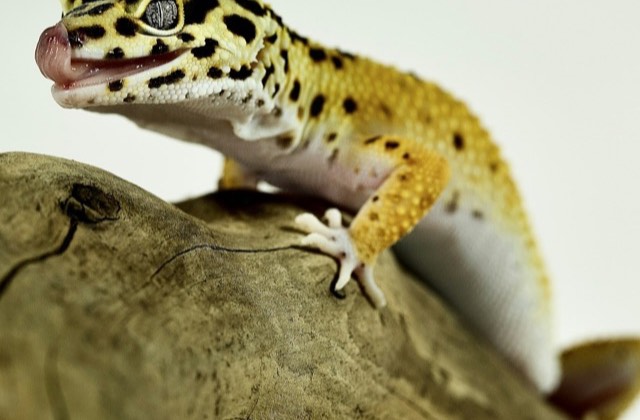
- Leopard gecko: low background with ledges, in an easy-to-clean material;
- Bearded dragon: very sturdy structure, firmly fixed, with no sharp edges;
- Climbing snakes: deep relief combined with branches and vines;
- Tropical species: cork or tree-fern panels that tolerate daily misting;
- All species: sealants and glues fully cured and solvent-free before the animal moves in.
DIY or store-bought decor: which is better?
Homemade appeals for its price and customisation: extruded polystyrene, solvent-free glue, tile-grout-style coating and food-safe aquarium sealant. Allow two to four weeks of drying and airing before installation. Store-bought backgrounds, by contrast, install immediately and their safety is proven: a good choice for a first terrarium.
How do you fix and maintain a 3D background?
Attach it with aquarium silicone or by mechanical wedging, never with all-purpose glue. Make sure no escaped insect can slip behind the decor — a classic problem with crickets. Clean regularly with reptile-safe products: a well-fitted, well-maintained background then lasts five to ten years without major work. More habitat ideas on the reptile hub and in the bedding and habitat category.
Frequently asked questions
Does a 3D background reduce usable space?
It takes up 5 to 10 cm of depth, but the usable surface increases: ledges, holds and hides create vertical space the animal genuinely uses.
Is polystyrene dangerous if the animal bites it?
Bare, yes: it must always be covered with a hard coating and a suitable sealant. With a bearded dragon or a monitor, go straight for resin, which is far more resistant.
In our shop, for this use: Stick-on digital thermometer for aquarium and terrarium glass (€18.90) · the whole shop
This guide is part of Planète Pets’s Reptiles universe. Our advice is general in nature: for any health concern, your veterinarian remains the only reference.