The leopard gecko's moist hide: essential for a successful shed
Published by Planète Pets · managing editor: Clément Lacaille · how our guides are written
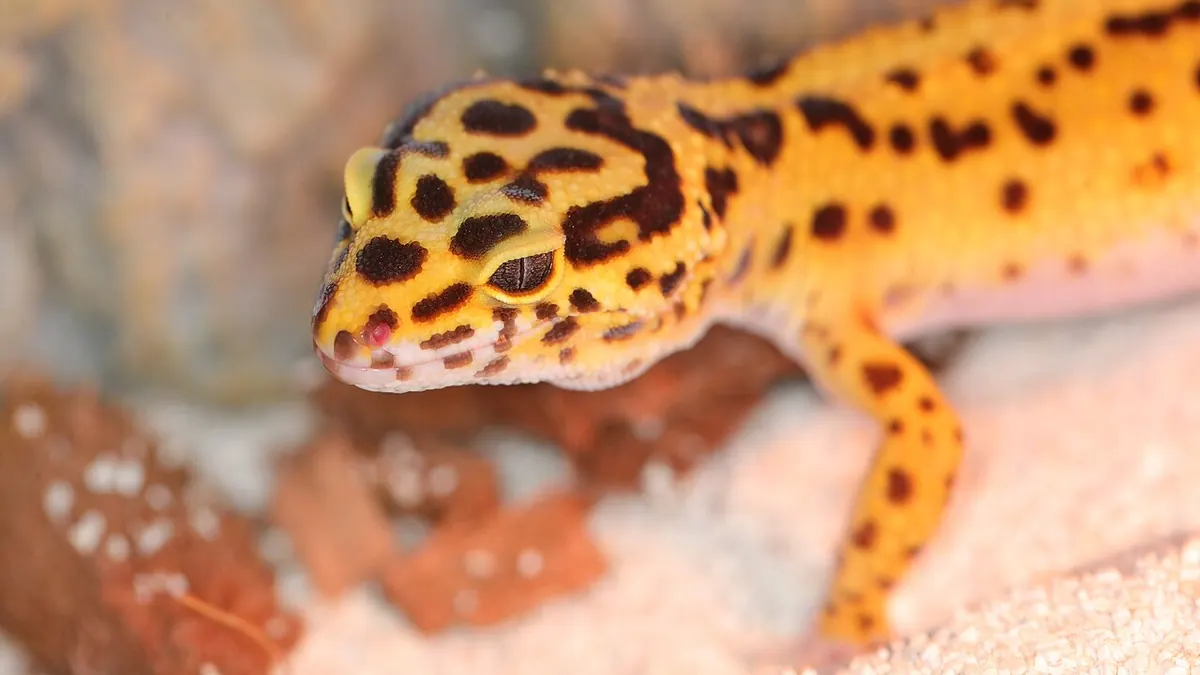
The leopard gecko lives in dry environments, yet it absolutely needs a humid micro-habitat to shed properly. This "moist hide" is one of the few truly non-negotiable pieces of its terrarium: without it, dry skin sheds badly and forms constricting rings around the toes and tail tip, potentially leading to necrosis and amputation. Incomplete-shed problems (dysecdysis) in reptiles are well documented and directly linked to a lack of localised humidity. Find our other pointers in the bedding and habitat section.
Contents · 4 sections
Building the moist hide
A simple opaque plastic box with an access hole cut into the top or side is enough. Line it with sphagnum moss, coconut fibre or paper towel kept damp (never soaked). The inside must stay dark and enclosed to hold high humidity, well above the rest of the enclosure, which must stay dry. It is this localised difference that makes the device so useful, unlike the terrarium's ordinary hides and decor.
Where to place it
Position the moist hide on the warm side or in a mild zone: gentle heat helps soften the skin at shedding time. The gecko will head there on its own when its colours turn pale, a sign that a shed is near. Make sure it stays accessible at all times, not only during shedding: many geckos also use it as a soothing refuge.
Maintenance and vigilance
Re-dampen the box's substrate every day or two, and clean it regularly to prevent mould and bacteria. Check the extremities after each shed: grey toes or a shrunken tail tip signal skin residue to treat promptly with a lukewarm soak. We detail these signs in our guide to the leopard gecko's incomplete shed.
Frequently asked questions
Should I mist the whole terrarium for shedding?
No: a broadly humid terrarium harms a desert species. A dedicated moist hide in a dry enclosure is far better.
Which substrate should stay damp in the box?
Sphagnum moss and coconut fibre hold water well without rotting quickly. Paper towel works in a pinch but needs changing more often.
My gecko sleeps in the moist hide all the time, is that a problem?
No, as long as it stays healthy. Just make sure the substrate is not soaked, which could irritate its skin.
This guide is part of Planète Pets’s Reptiles universe. Our advice is general in nature: for any health concern, your veterinarian remains the only reference.