Safe terrarium substrate: which to choose, which to avoid at all costs
Published by Planète Pets · managing editor: Clément Lacaille · how our guides are written
Substrate is far more than a decorative floor: your reptile walks on it, digs in it, hunts on it and sometimes swallows it. The wrong choice exposes the animal to intestinal impaction, one of the most serious accidents in reptile keeping, but also to more insidious skin and respiratory irritation. Here is how to choose a safe floor, suited to the species and easy to maintain, without being fooled by the seductive packaging on pet-shop shelves.
Contents · 5 sections
Risk number one: ingestion
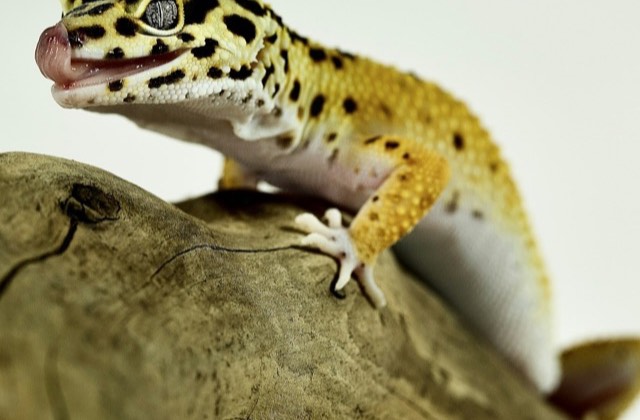
When snapping up a cricket, a leopard gecko or a young bearded dragon easily swallows a bit of floor along with it. Indigestible particles then build up in the digestive tract. That is why calcium sand, long sold as edible, is now discouraged by most specialist vets: it attracts the animal (chalky taste) and clumps together in the presence of moisture. Cedar and pine shavings must also be banned, as their aromatic oils irritate the respiratory tract.
Safe bets by species
- Leopard gecko: paper towel or reptile carpet for starting out and for juveniles; a packed 70/30 clay-soil and sand mix for a naturalistic adult setup.
- Bearded dragon: a fertiliser-free topsoil, sand and clay mix that holds together and allows digging; slate tiles at the basking spot.
- Corn snake: beech chips, hemp or dry coconut fibre, which hold little dust.
- Tortoise in an indoor enclosure: untreated garden soil mixed with sand, 10 cm deep for burrowing.
Budget-wise, expect 8 to 20 € for a bag of coconut fibre or beech, and 15 to 30 € to cover a large terrarium with a soil-sand mix. Specialist brands such as Exo Terra and Zoo Med offer ready-to-use substrates; simply check they contain no fertiliser or fragrance.
Substrate and humidity work hand in hand
A substrate is never climate-neutral: damp coconut fibre pushes humidity up, useful for the shedding box, while a dry mineral floor suits desert species. Keep an eye on the balance with a reliable hygrometer and adjust misting accordingly.
Maintenance: the routine that changes everything
Remove droppings and dead prey daily, replace soiled patches weekly and renew the substrate completely every four to eight weeks depending on the type. A clean floor keeps mites and odours at bay, and saves you plenty of vet bills. Use each full renewal as an opportunity to disinfect the bottom of the terrarium and inspect the corners where debris and dead insects accumulate.
Our Planète Pets advice
Start simple (paper towel or beech depending on the species), observe your animal, then move to a natural floor once the terrarium and its climate are under control. All our setup guides are gathered in the bedding and habitat section.
In our shop, for this use: Stick-on digital thermometer for aquarium and terrarium glass (€18.90) · the whole shop
This guide is part of Planète Pets’s Reptiles universe. Our advice is general in nature: for any health concern, your veterinarian remains the only reference.