Terrarium hygrometer and thermometer: how to choose and position them
Published by Planète Pets · managing editor: Clément Lacaille · how our guides are written
You can only manage what you measure. In reptile keeping, two numbers govern the animal’s health: temperature and humidity. Yet many beginners buy imprecise instruments or place them in the wrong spot, then set their heating based on false readings — resulting in a listless animal, failed sheds or unexplained food refusals. A short buying and placement guide, from the Planète Pets team.
Contents · 5 sections
Analogue or digital: a debate quickly settled
Analogue dial gauges, often sold in starter kits, can drift by several degrees and by 10 to 20 humidity points over time. Digital models with a probe are markedly more reliable for a modest price: 8 to 25 € for a decent thermometer-hygrometer combo, 25 to 50 € for a dual-probe model or one that records minima and maxima — a precious feature for spotting a night-time temperature drop. Connected versions with smartphone alerts also exist, handy for extended absences without being essential day to day.
Where to place the probes?
A single reading in the middle of the terrarium tells you almost nothing. The goal is to verify the gradient:
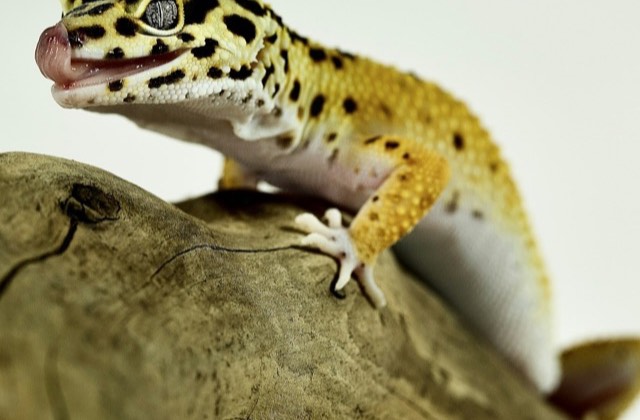
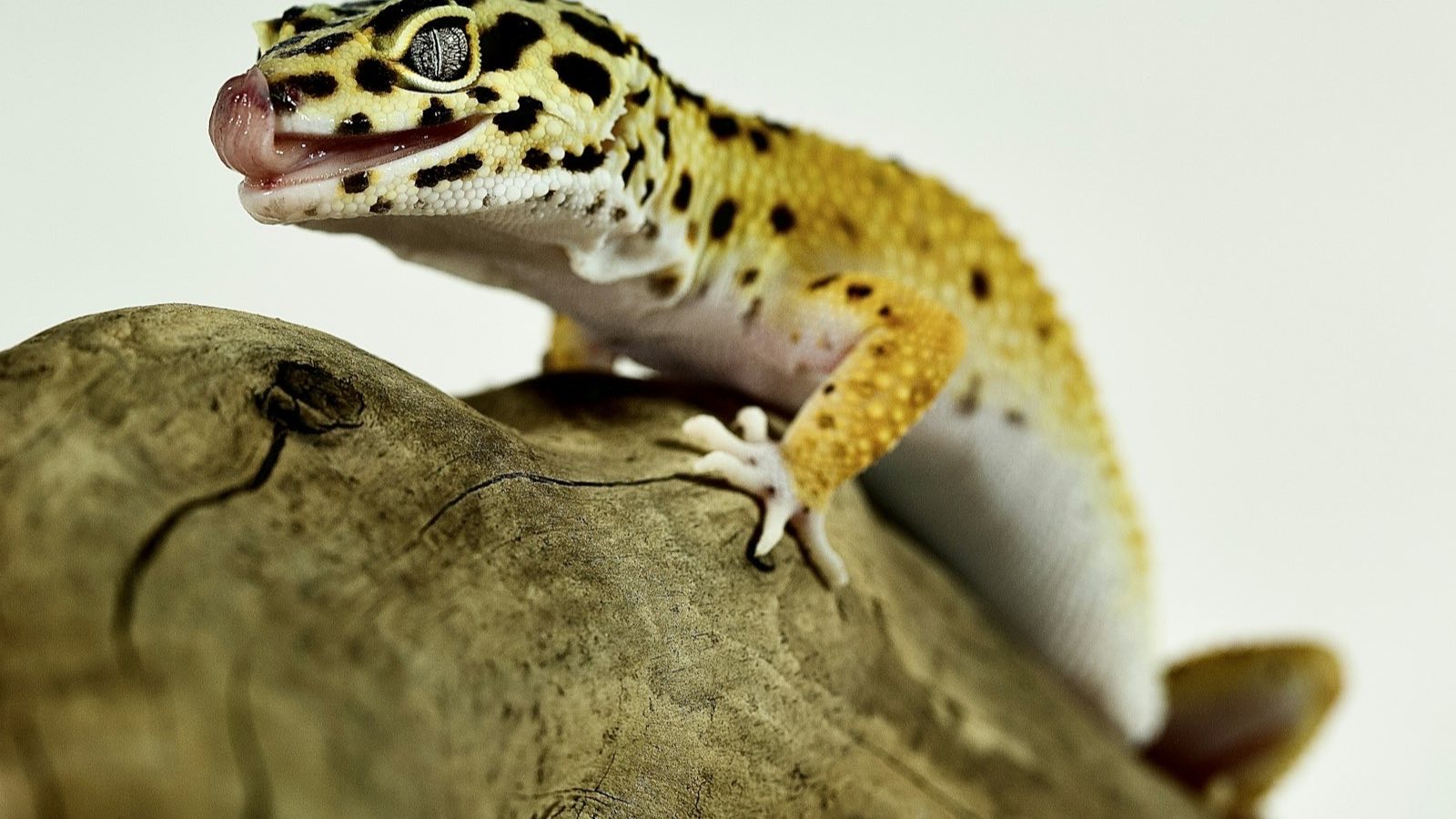
- One temperature probe at the warm spot, at the animal’s height (on the floor for a leopard gecko, on the basking branch for a bearded dragon).
- One probe in the cool zone, to make sure the animal can genuinely thermoregulate.
- The hygrometer at mid-height, in the centre, away from the water bowl and the misting spray, which would skew the reading.
An important reminder: your thermostat probe regulates, it does not measure for you. An independent thermometer exists precisely to check that the regulation is working.
The infrared thermometer, the bonus tool
The infrared laser thermometer (15 to 40 €) instantly reads surface temperatures: the basking slab, the glass, the animal’s back. It is the best way to detect a heat mat overheating beneath the substrate. It does not replace fixed probes; it complements them.
What values to watch, by species?
As a benchmark: 30–40% humidity for a bearded dragon, 30–40% for a leopard gecko with a humid hide available, 40–60% for a corn snake. During a shed, a humidity deficit shows immediately: skin coming off in shreds, toes or tail tip left sheathed, with a real risk of necrosis if it keeps happening. That is your cue to adjust the misting.
Our shortlist in brief
A digital probe combo in the warm zone, a second in the cool zone and an infrared for spot checks: for under 60 €, your climate is genuinely under control. Find our detailed comparisons in the reptile accessories category on Planète Pets.
See it in the Planète Pets shop: Stick-on digital thermometer for aquarium and terrarium glass (€18.90) · the whole shop
This guide is part of Planète Pets’s Reptiles universe. Our advice is general in nature: for any health concern, your veterinarian remains the only reference.