Temperature probes: where should you place them in the terrarium?
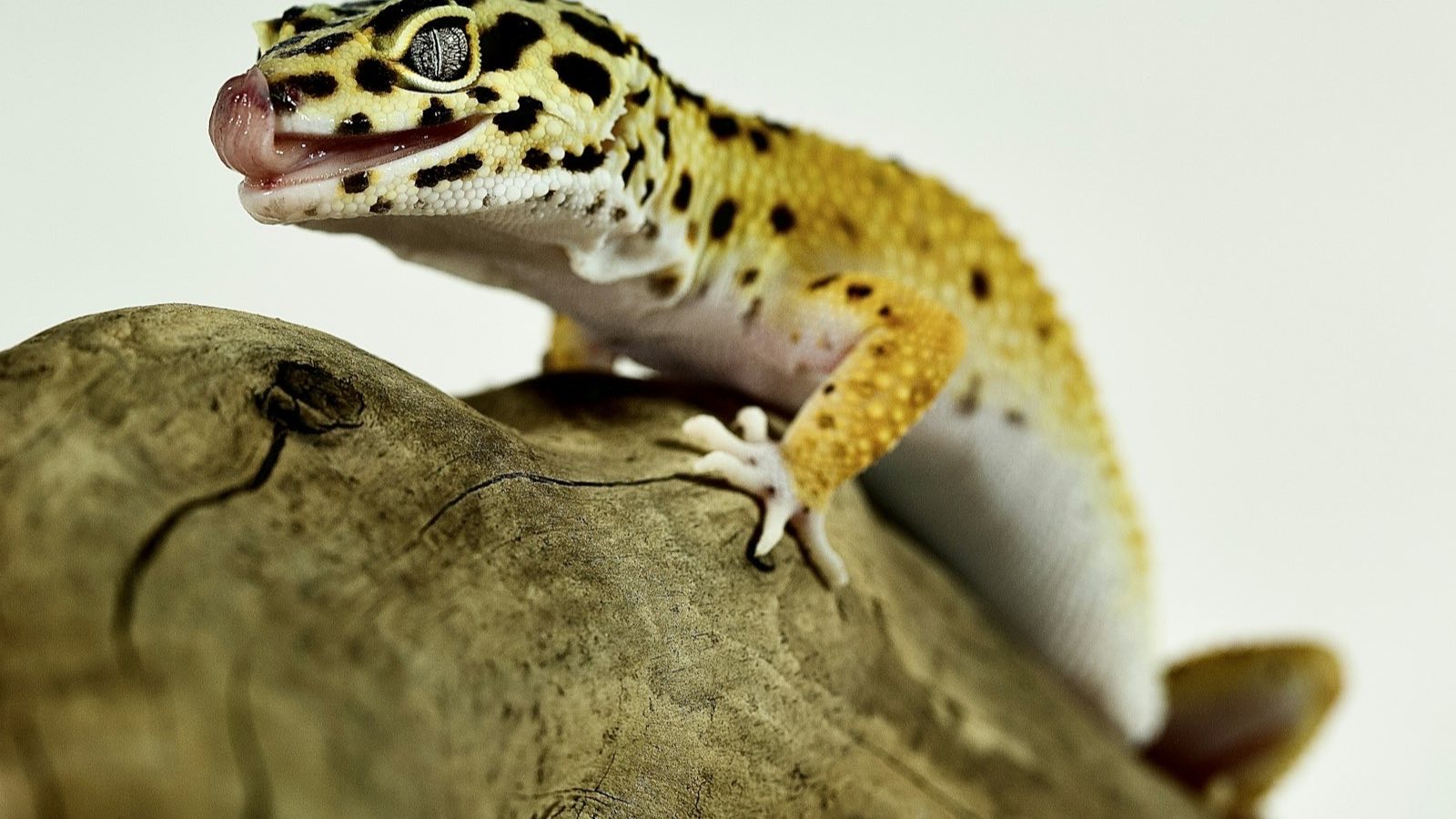
Probe placement determines the entire reliability of your regulation: the thermostat probe goes at the basking spot, at the animal's height — never stuck to the lamp or lost in the middle of the terrarium. A badly positioned probe can read 30 °C while the floor hits 45 °C.
Where should the thermostat probe go?
Directly in the zone you want to regulate: on the floor of the warm spot for a heat mat (between the glass and the substrate, or just above it), or 5-10 cm below the lamp, directly over the basking area, for a spot lamp. Secure it with a suction cup or cable tie so it cannot move: a probe shifted by the animal throws off the whole system driven by your thermostat.
How many measuring points do you need?
- Thermostat probe: at the basking spot, at the reptile's height;
- Independent control thermometer: in the same place, to verify the thermostat;
- Second thermometer: in the cool zone, to validate the gradient;
- Infrared thermometer with laser sight (15-30 €): spot checks on surfaces;
- Humidity probe: in the centre of the terrarium, neither on the glass nor over the water bowl.
Which placement mistakes should you avoid?
The three most common: a probe pressed against the glass wall (it measures the glass, not the air), a probe up high when the animal lives on the floor (warm air rises, the gap reaches 5 to 8 °C), and a probe buried in the substrate that responds too slowly. Also watch out for probes the animal can dig up or urinate on: clean them regularly to preserve accuracy.
What budget for reliable monitoring?
A digital thermometer-hygrometer with a probe costs 10 to 20 €, a dual-probe combo 20 to 35 €. For remote monitoring, a smart hygrometer sends alerts to your smartphone as soon as a threshold is crossed. All the measuring equipment is compared on the reptile hub.
Frequently asked questions
Are dial thermometers stuck to the glass reliable?
No: these analogue models measure the temperature of the wall with a margin of error of 2 to 4 °C. Treat them as a rough indication only and trust digital probes.
Should you check your probes' accuracy?
Yes, once a year: compare two instruments side by side, or immerse a waterproof probe in an ice-water mix (0 °C reference). Replace any probe drifting by more than 1 °C.
This guide is part of Planète Pets’s Reptiles universe. Our advice is general in nature: for any health concern, your veterinarian remains the only reference.