Terrarium heating: mat, cable or ceramic, and why a thermostat is non-negotiable
Published by Planète Pets · managing editor: Clément Lacaille · how our guides are written
A reptile does not produce its own heat: it depends entirely on the thermal gradient you create inside its terrarium. Underheated, it digests poorly, weakens and falls ill; overheated, it risks burns, or worse. Mats, cables and ceramic emitters each have their sweet spot, and the right choice depends on the species as much as on the volume to be heated. The device matters, but one principle overrides everything else: no heat source should ever run without a thermostat.
Contents · 5 sections
The heat mat: the go-to for ground-dwelling species
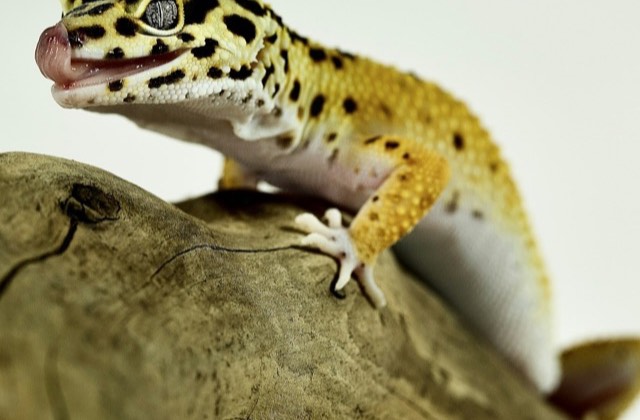
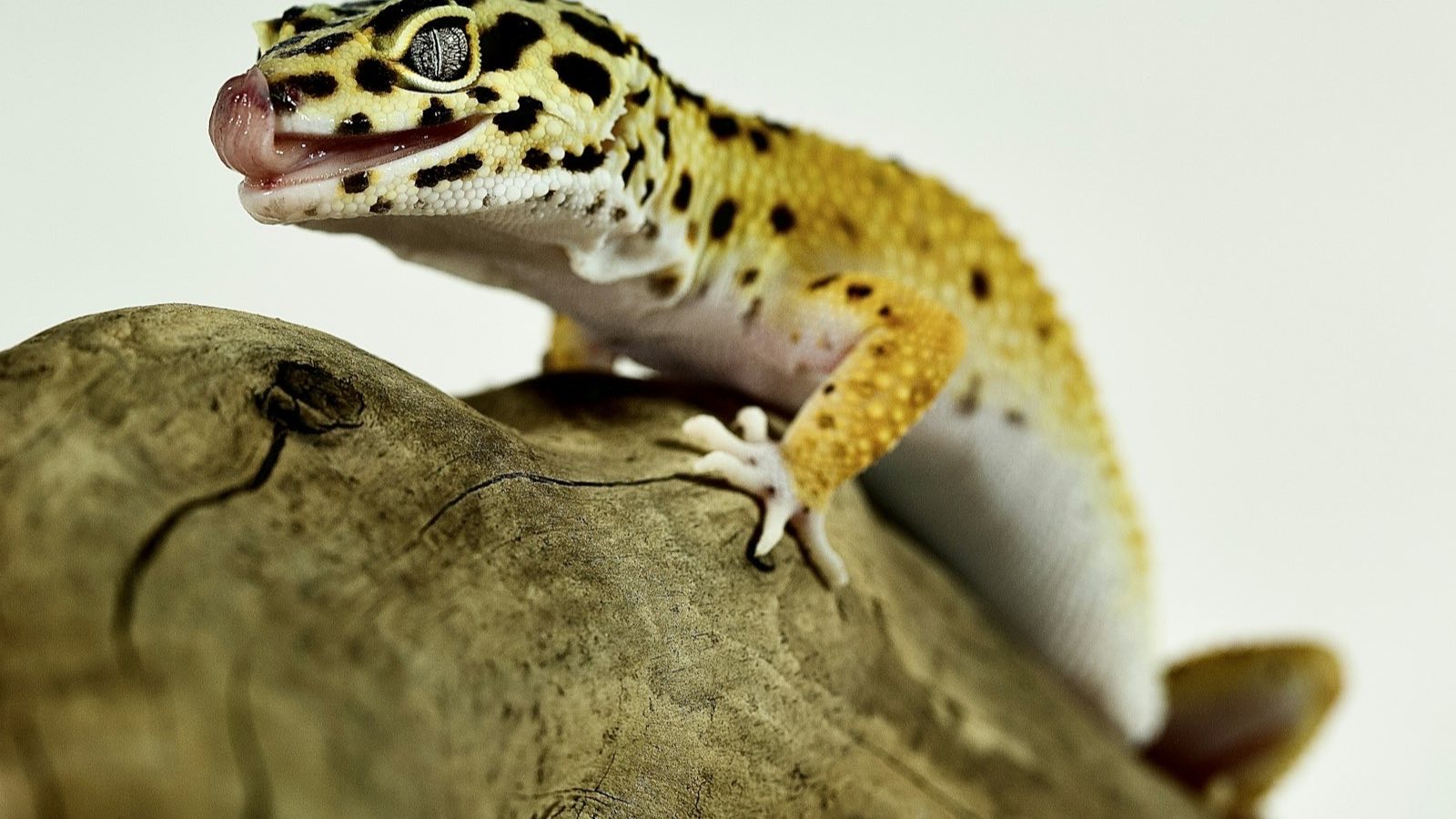
Placed under or against the terrarium (never inside, in direct contact), the heat mat creates a warm zone at floor level, ideal for the leopard gecko, which absorbs heat through its belly. Expect 15 to 40 € depending on surface area. It should ideally cover a third of the floor, leaving a cool zone. Be careful with deep substrates: they insulate the mat and distort the temperature the animal actually feels.
The heat cable: flexible but fiddly
The heat cable (15 to 35 €) lets you draw custom heating zones, particularly in racks with multiple terrariums or corn snake setups. Its flaw: poorly secured, it creates localised hot spots. It must remain out of the animal’s reach, under a slab or outside the terrarium.
The ceramic lamp: heat without light
The ceramic heat emitter warms the air by radiation without giving off any light, making it the ideal solution for maintaining night-time temperatures or heating a large volume, notably for a bearded dragon in a cool room. Price: 15 to 30 € per bulb, plus a porcelain socket (mandatory, a plastic one would melt) and a protective cage to prevent contact burns.
The thermostat: non-negotiable
Mats, cables and ceramics can exceed 50 to 70 °C at the surface without regulation. The thermostat cuts the power as soon as the probe reaches the set point:
- On/off thermostat (20 to 40 €): sufficient for mats and cables.
- Dimming thermostat (40 to 90 €): progressive regulation, recommended for ceramics.
- Place the probe at the warm spot, at the animal’s height, not in the cool zone.
Verify the regulation with an independent thermometer: a thermostat is something you check, not something you take at its word.
What temperatures to aim for?
As a guideline: basking spot at 40–42 °C and cool zone at 25–28 °C for a bearded dragon; floor-level warm spot at 30–32 °C for a leopard gecko; 28–30 °C on the warm side for a corn snake. Sizing depends on the volume and insulation of the terrarium you chose. Find our heating and thermostat comparisons in the accessories section of Planète Pets.
See it in the Planète Pets shop: Stick-on digital thermometer for aquarium and terrarium glass (€18.90) · the whole shop
This guide is part of Planète Pets’s Reptiles universe. Our advice is general in nature: for any health concern, your veterinarian remains the only reference.