Terrarium misting: hand sprayer or automatic system?
Published by Planète Pets · managing editor: Clément Lacaille · how our guides are written
Misting is the most common daily care task in reptile keeping: it maintains humidity, triggers drinking behaviour in some species and makes shedding easier. Too often neglected for so-called desert species, it is conversely overdone for others, with very real health consequences. Then there is a genuine equipment question: should you stick with a hand sprayer or invest in an automatic system? The answer depends on the species, your daily rhythm and your budget.
Contents · 5 sections
What does each species need?
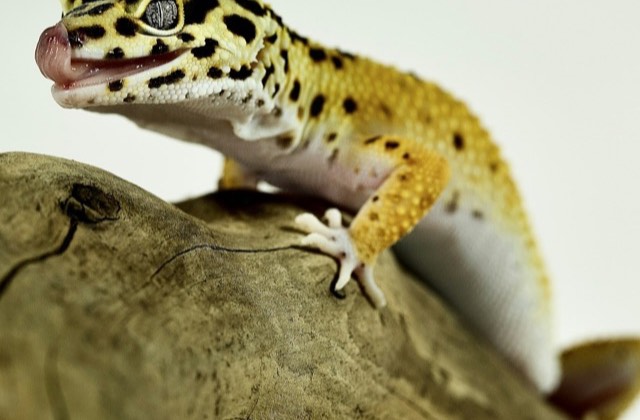
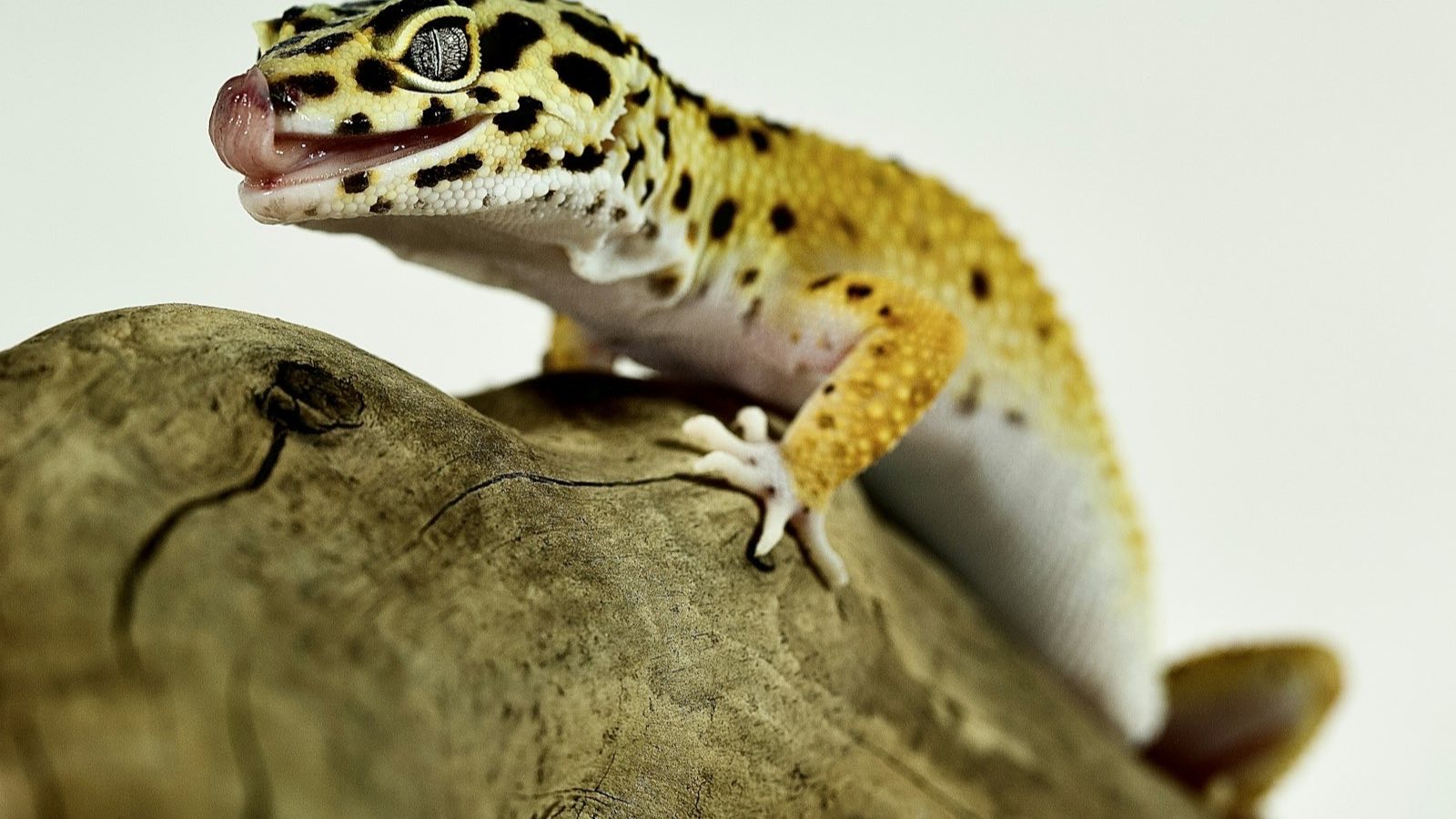
Leopard geckos and bearded dragons are dry-habitat species: no general misting, but a permanent humid hide for the gecko and possibly a light morning spray for a juvenile bearded dragon, which happily drinks the droplets. The corn snake likes 40 to 60% humidity, with an extra spray around shedding time. A juvenile tortoise in an indoor enclosure benefits from lightly moistened substrate to prevent shell growth defects. In every case, you steer by the hygrometer, not by eye.
The hand sprayer: simple and sufficient
For the dry-habitat species mentioned above, a trigger sprayer (3 to 10 €) or a pump-pressure sprayer (10 to 25 €) is more than enough. Use water at room temperature, low in minerals or reverse-osmosis filtered, to avoid limescale marks on the glass. Spray in the morning, onto the decor rather than the animal, and let the terrarium dry out over the day. Clean the reservoir regularly so the sprayer itself does not become a breeding ground for bacteria.
Automatic misting systems and foggers: who are they for?
Programmable nozzle systems (60 to 150 € with pump and reservoir) really earn their keep with demanding tropical species or when you are away repeatedly. Ultrasonic foggers, which produce a spectacular mist, must be used judiciously: poorly set up, they saturate the terrarium, and the standing water in their reservoir must be replaced very regularly.
- Manual: total control, minimal cost, a daily commitment.
- Automatic with nozzles: perfect regularity, ideal for holidays, nozzles need maintenance.
- Fogger: visual effect and humidity spikes, demanding reservoir hygiene.
Too much humidity: the silent enemy
Excess humidity in a poorly ventilated terrarium leads to mould on the substrate and respiratory infections in the animal. The warning signs: permanent condensation on the glass, a smell of stagnant earth, small flies. The fix lies in ventilation and spacing out the sprays, never in heating alone.
In summary
For a leopard gecko, a bearded dragon or a corn snake, a hand sprayer plus a humid hide covers 95% of needs; automation becomes worthwhile for long absences. Find our comparisons in the care and grooming section of Planète Pets.
In our shop, for this use: Stick-on digital thermometer for aquarium and terrarium glass (€18.90) · the whole shop
This guide is part of Planète Pets’s Reptiles universe. Our advice is general in nature: for any health concern, your veterinarian remains the only reference.