Calcium sand for reptiles: the false good idea to avoid
Published by Planète Pets · managing editor: Clément Lacaille · how our guides are written
Calcium sand is one of the worst substrates for reptiles: sold at 10 to 20 € a bag as “edible” and a “calcium source”, it actively encourages the animal to ingest it and causes intestinal impactions that can be fatal. This marketing product survives on shelves despite years of warnings from exotics vets.
Contents · 5 sections
Why does calcium sand cause impactions?
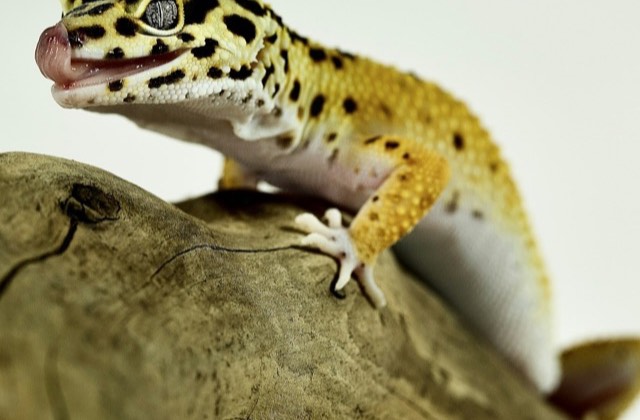
Made of calcium carbonate, it clumps on contact with moisture — exactly what happens in the stomach. A leopard gecko that is calcium-deficient, or simply clumsy when striking at prey, swallows some at every meal; the compacted grains form a plug in the intestine. The signs: no droppings, a swollen belly, lethargy, refusal to eat. Surgery, when it is even possible, costs 300 to 800 € at an exotics vet.
Does the calcium-source argument hold up?
No. The calcium in the sand is very poorly absorbed, and deliberate ingestion mostly signals a deficiency that should be corrected differently: calcium powder on the insects (5 to 10 € a tub, lasting several months) and proper UVB exposure. A well-supplemented animal has no reason to lick its substrate. Our health protocols are detailed in the reptile hygiene and care section.
What should replace calcium sand?
- Non-calcium soil-sand mix (70/30): diggable, stable, natural;
- Bioactive soil: the richest solution — see our bioactive or simple substrate comparison;
- Slate slabs or tiles: hygienic, and they file the claws down;
- Paper towel: perfect for juveniles and quarantine;
- Also to be banned: resinous shavings and corn cob, which irritate or cause impaction.
What if your reptile has already ingested some?
Remove the calcium sand immediately and switch to paper towel while you monitor the droppings. Short warm baths, hydration and transit monitoring for one to two weeks; at the slightest sign of impaction, see an exotics vet without delay. And check that the rest of the setup does not stack up other classic first-terrarium mistakes.
Frequently asked questions
Is natural sand as dangerous as calcium sand?
Less so: a fine non-calcium sand, mixed with soil and kept slightly moist, compacts underfoot and is rarely ingested. The maximum danger comes from pure calcium sand, designed to be licked.
Why is this product still on sale?
No ban targets this substrate, and its “digestible” pitch appeals to beginners. Regulation covers the keeping of species, not the quality of accessories: sorting the good from the bad falls to the buyer.
My pet shop recommends it — who should I believe?
Trust exotics vets and herpetological associations, who are unanimous on the subject. Sales advice is no substitute for a health consensus.
An accessory from our shop for this use: Ventilated clear box for feeder insects, transport and quarantine, 19 cm (€17.90) · the whole shop
This guide is part of Planète Pets’s Reptiles universe. Our advice is general in nature: for any health concern, your veterinarian remains the only reference.