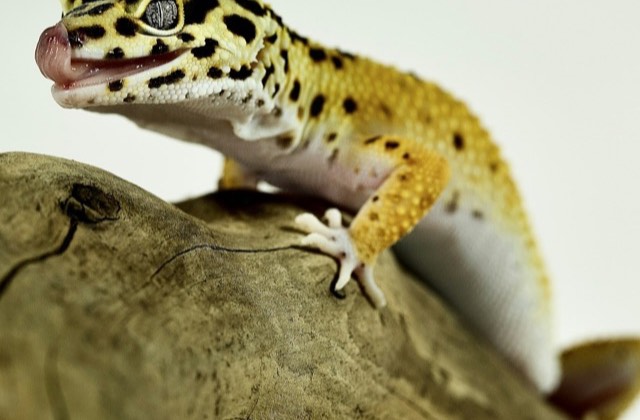
First terrarium: the 7 mistakes you absolutely must avoid
Published by Planète Pets · managing editor: Clément Lacaille · how our guides are written
The most common first-terrarium mistakes are well documented: an undersized enclosure, unregulated heating, missing or expired UVB, unsuitable substrate, bare decor, unmeasured parameters and rushed purchases. Knowing them before you spend your 300 to 600 € on equipment saves you from rebuying half the setup six months later.
Contents · 5 sections
Why is the undersized enclosure mistake number one?
The “small starter terrarium” is a false economy: a juvenile grows fast and you will have to buy the adult enclosure anyway. Buy the final size straight away (90 cm for a leopard gecko, 120 cm for a bearded dragon) and furnish it densely to reassure the young animal. The material matters too: our glass or OSB comparison will help you decide.
Which heating mistakes do the most damage?
Plugging a lamp or heat mat straight into the wall, with no regulation, invites serious burns and lethal overheating: the thermostat (30 to 80 €) is not optional. Another classic: heating the whole terrarium uniformly, when the reptile needs a gradient — a basking spot on one side, a cool zone on the other.
What other mistakes come up again and again?
- UVB forgotten or worn out: a tube loses its output within 6 to 12 months even if it still lights up;
- Risky substrate: calcium sand or resinous shavings, sources of impaction and irritation;
- Minimalist decor: without hides and structure, the animal is stressed around the clock;
- No measurements: without reliable thermometer and hygrometer (15 to 30 €), you are flying blind;
- Same-day purchase: the terrarium should run empty for a week before the animal arrives.
How do you start well without overspending?
List the complete kit before buying anything, compare prices online and in-store, and put the budget where health is at stake: regulated heating, quality UVB, enclosure size. Save on the decor, never on the technology. All our setup guides are gathered in the reptile habitat section and on the reptile hub.
Frequently asked questions
How much does fixing these mistakes cost?
Rebuying an adult terrarium (150 to 300 €), a thermostat (30 to 80 €) and a new UVB tube (25 to 40 €) usually costs more than buying right the first time.
Should the terrarium run empty first?
Yes, a week minimum: it is the only way to verify day and night temperature stability and dial in the thermostat with no risk to the animal.
Do commercial starter kits avoid these mistakes?
Rarely: most include an undersized enclosure and entry-level lighting. They can tide you over, but check every component against the species' real needs.
An accessory from our shop for this use: Stick-on digital thermometer for aquarium and terrarium glass (€18.90) · the whole shop
This guide is part of Planète Pets’s Reptiles universe. Our advice is general in nature: for any health concern, your veterinarian remains the only reference.