How deep should reptile substrate be, by species?
Published by Planète Pets · managing editor: Clément Lacaille · how our guides are written
Substrate depth mainly depends on the species' natural behaviour: a burrowing animal needs several centimetres to dig real tunnels, while a species that stays on the surface only needs a thin layer, mostly there to absorb moisture and waste. Giving a burrower too little substrate deprives it of an essential behaviour.
Contents · 5 sections
Which species need deep substrate?
Bearded dragons and some ground-dwelling geckos benefit from an 8 to 15 cm layer so they can partly bury themselves, a behaviour they use both for thermoregulation and to feel secure. Gravid females in particular need enough depth to dig a credible nesting site when the time comes.
Which species are fine with a thin layer?
Crested geckos and most arboreal geckos barely use the ground at all: a few centimetres of safe substrate is enough, since most of their environment plays out up high on branches and vines. For a corn snake, a 3 to 5 cm layer is generally plenty since it doesn't actively dig.
How do you adjust depth by enclosure?
- Adult bearded dragon: 10 to 15 cm of diggable substrate across the whole enclosure;
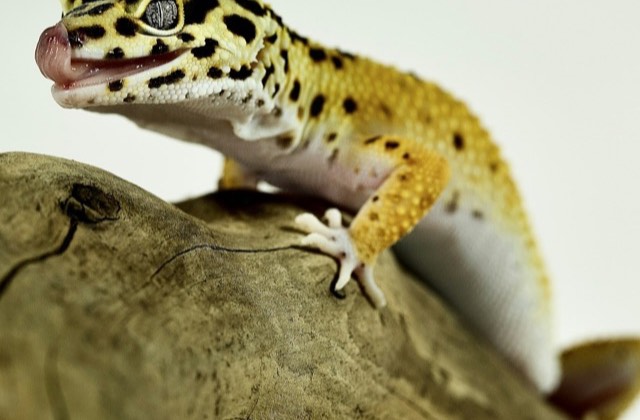
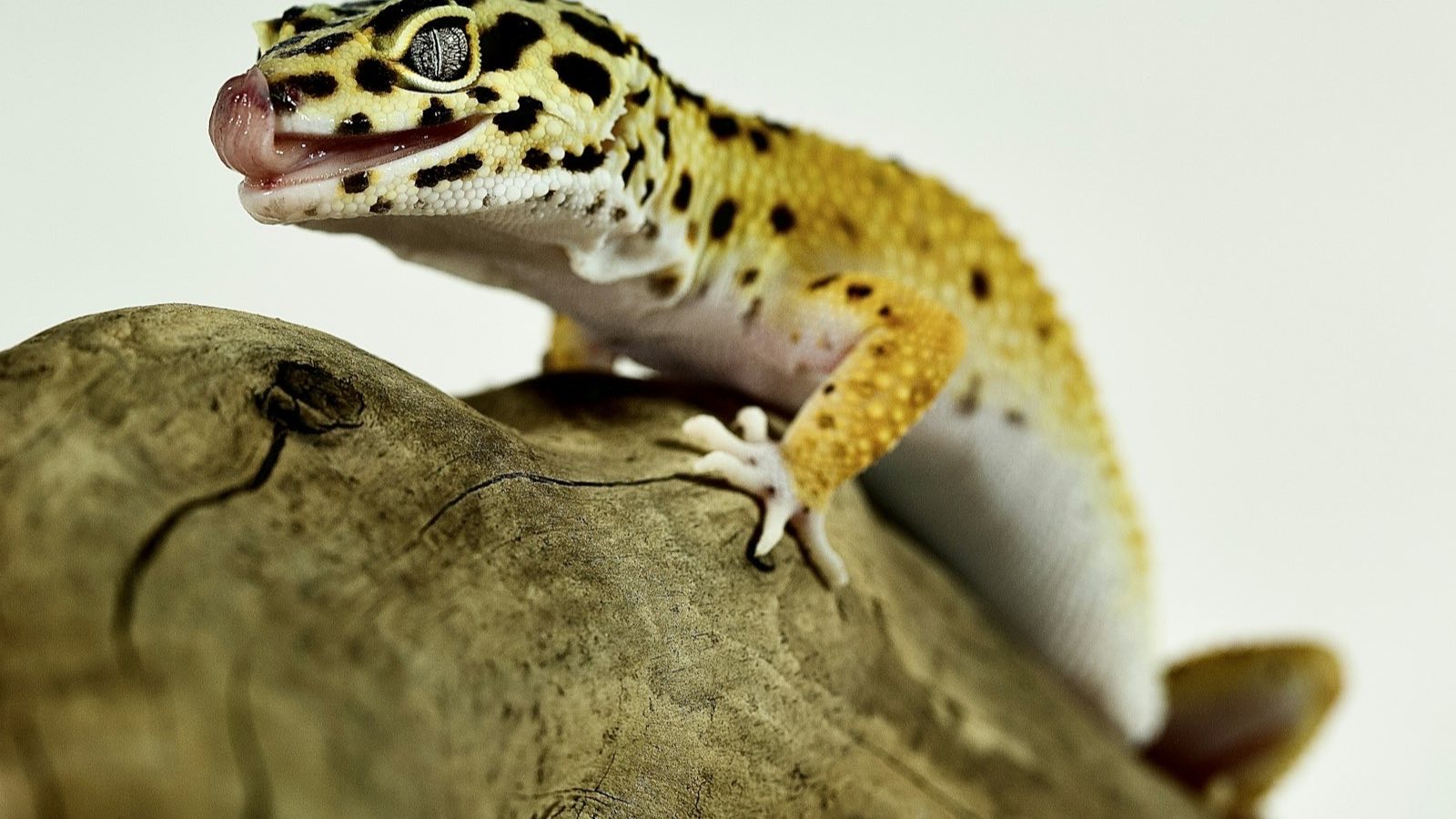
- Leopard gecko: 5 to 8 cm, with a softer patch under the humid hide;
- Corn snake or ball python: 3 to 5 cm, more for comfort and hygiene than for burrowing;
- Indoor land tortoise: at least 10 cm to allow a minimum of natural digging behaviour.
These benchmarks complement our reptile bedding and habitat section for sizing the whole setup.
What are the risks of getting it wrong?
Substrate that's too thin frustrates burrowing species and can shift entirely as the animal moves around, leaving bare patches on the terrarium floor. Too much substrate that's poorly ventilated, on the other hand, traps moisture at depth and encourages mould, especially in areas with little heat exposure.
Frequently asked questions
Should depth be the same everywhere in the terrarium?
No, it's common to vary depth from one area to another, with more substrate under the basking spot or humid hide depending on the species' needs.
Does thick substrate add a lot of weight to the terrarium?
On a large enclosure, several centimetres of substrate represent real weight: check that the stand and furniture can support that load.
Does a deep substrate layer need full replacement often?
Spot-cleaning soiled areas is enough day to day, but a full replacement is still recommended several times a year depending on the species and humidity level.
An accessory from our shop for this use: Stick-on digital thermometer for aquarium and terrarium glass (€18.90) · the whole shop
This guide is part of Planète Pets’s Reptiles universe. Our advice is general in nature: for any health concern, your veterinarian remains the only reference.