What's the best reptile for a 10-year-old child?
Published by Planète Pets · managing editor: Clément Lacaille · how our guides are written
Health risk should always come before temperament when a child is involved. A study by Murphy and Oshin, published in 2015 in Archives of Disease in Childhood, analysed all reported salmonellosis cases in children under 5 in South West England between 2010 and 2013, and found that 27% of these cases were linked to reptile exposure, with a 2.5-fold higher hospitalisation risk for these children compared with other salmonellosis cases (see the study). Find our other pointers in the bedding and habitat section.
Contents · 6 sections
Why age 10 changes the picture
Health authorities advise against keeping a reptile in a household with a child under 5, precisely because of the risk this study highlights. By age 10, however, a child can learn and follow strict hygiene rules (washing hands every time, no contact with kitchen surfaces), which markedly cuts the risk without eliminating it entirely.
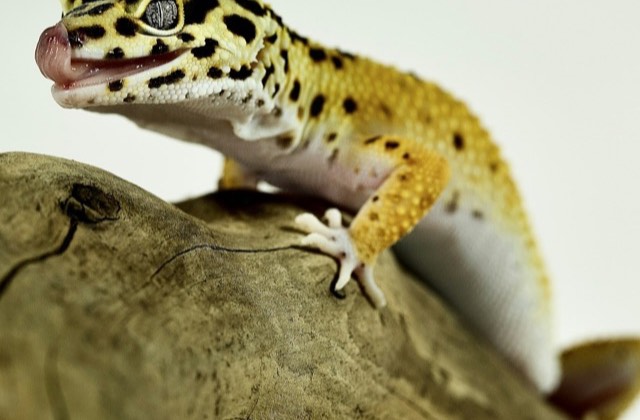
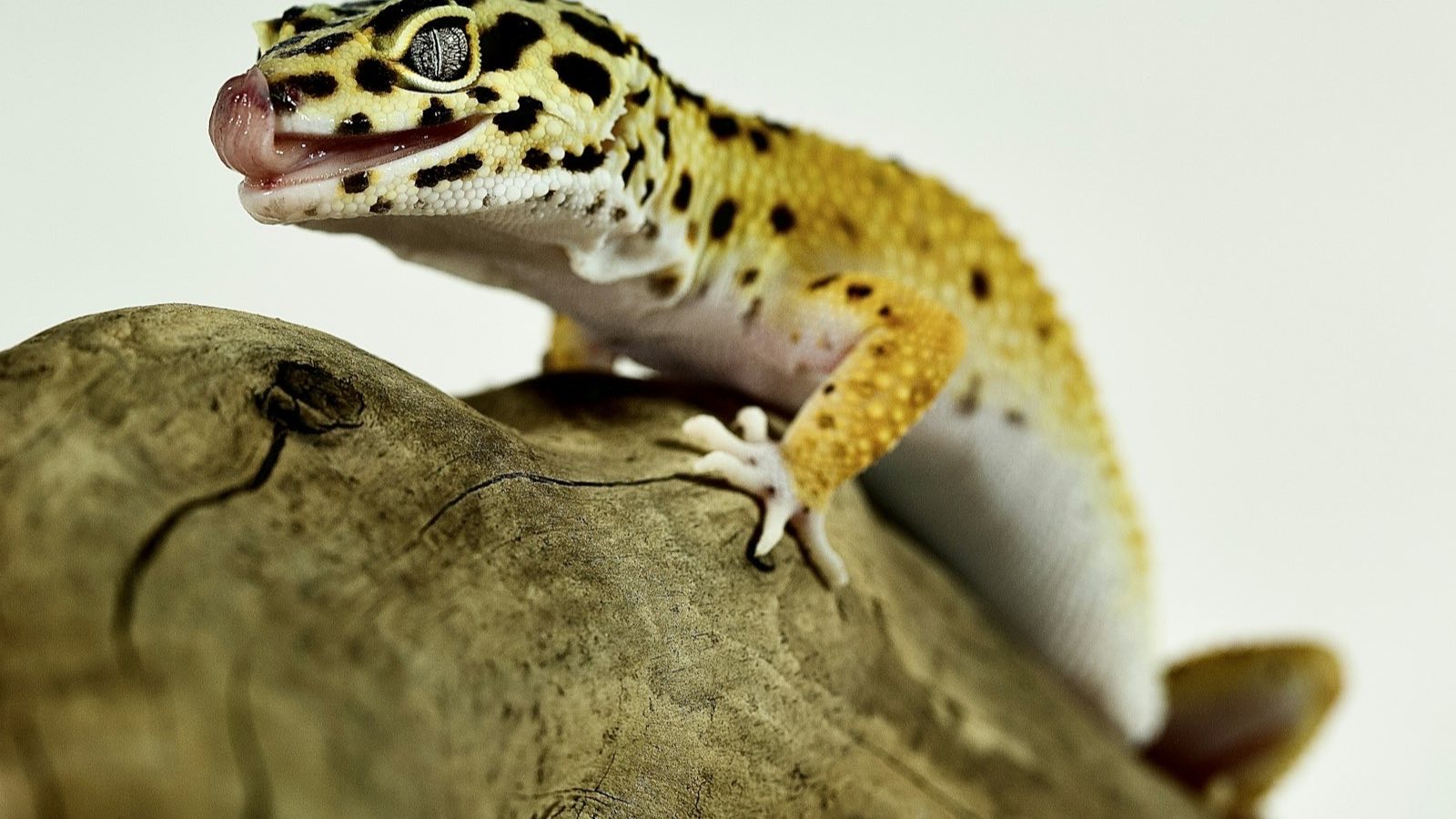
The leopard gecko: a classic gentle starter
Small, calm and not requiring daily handling, the leopard gecko tolerates short, supervised handling sessions from this age onward. Its care stays simple, and its rarely defensive temperament makes it a species often recommended for a first experience.
The ball python: calm, but not a toy
Known for being docile, the ball python can handle supervised handling, but it grows over several years and lives two to three decades: it's a family commitment, not just the child's, and handling should always stay under adult supervision.
Species to avoid at this age
Green iguanas, aquatic turtles needing heavy filtration, and fragile species that tolerate handling poorly generally do not suit a first pet partly managed by a child, given their adult size, technical upkeep, or need for undisturbed quiet.
Practical pointers
- Hygiene first: wash hands every time after contact, regardless of age.
- Recommended calm species: leopard gecko, ball python, under adult supervision.
- Family commitment: the animal stays the actual responsibility of an adult, never the child's alone.
- Species to rule out: those that grow large or tolerate handling poorly.
The hygiene rules to teach a child are detailed in our article on reptiles and children: hygiene and safety. See also our leopard gecko profile for its full picture.
Frequently asked questions
At what age can a child handle a reptile alone?
No age fully removes the need for supervision: even a teenager benefits from a regular refresher on hygiene rules and occasional adult oversight of handling.
Does a ball python bite easily?
No, it's known for being calm, but any snake can react to a sudden movement or the smell of food on hands: always wash hands before handling one.
Do you need a dedicated water point near the enclosure?
Not strictly necessary, but easy access to a sink right after handling helps a child build the habit of washing their hands.
In our shop, for this use: Ventilated clear box for feeder insects, transport and quarantine, 19 cm (€17.90) · the whole shop
This guide is part of Planète Pets’s Reptiles universe. Our advice is general in nature: for any health concern, your veterinarian remains the only reference.