Reptiles and children: what hygiene and safety rules?
Published by Planète Pets · managing editor: Clément Lacaille · how our guides are written
A reptile can absolutely live in a family with children, on three conditions: systematic hand-washing after any contact (reptiles are healthy carriers of salmonella), handling always supervised by an adult, and a placid species chosen with this context in mind. As a precaution, health authorities advise against direct contact for children under 5.
Contents · 5 sections
What is the real salmonella risk?
Most reptiles naturally carry salmonella in their digestive tract without being ill. Transmission happens via hands brought to the mouth after touching the animal, the terrarium or the water bowl. The rules that work: wash hands with soap for 20 seconds after every contact, no reptile in the kitchen or near baby bottles, and clean the equipment away from the food sink. Our detailed protocols are in the reptile hygiene and care section.
Which species suit families best?
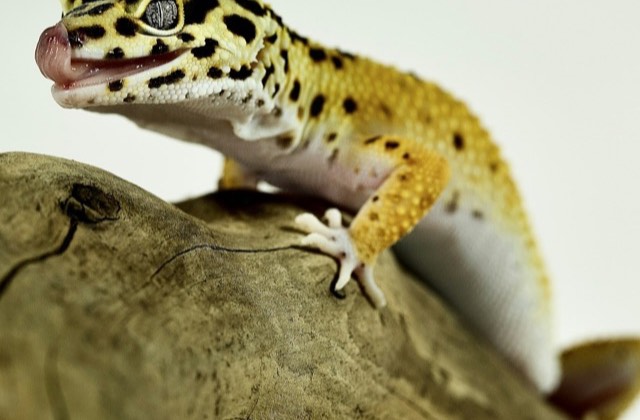
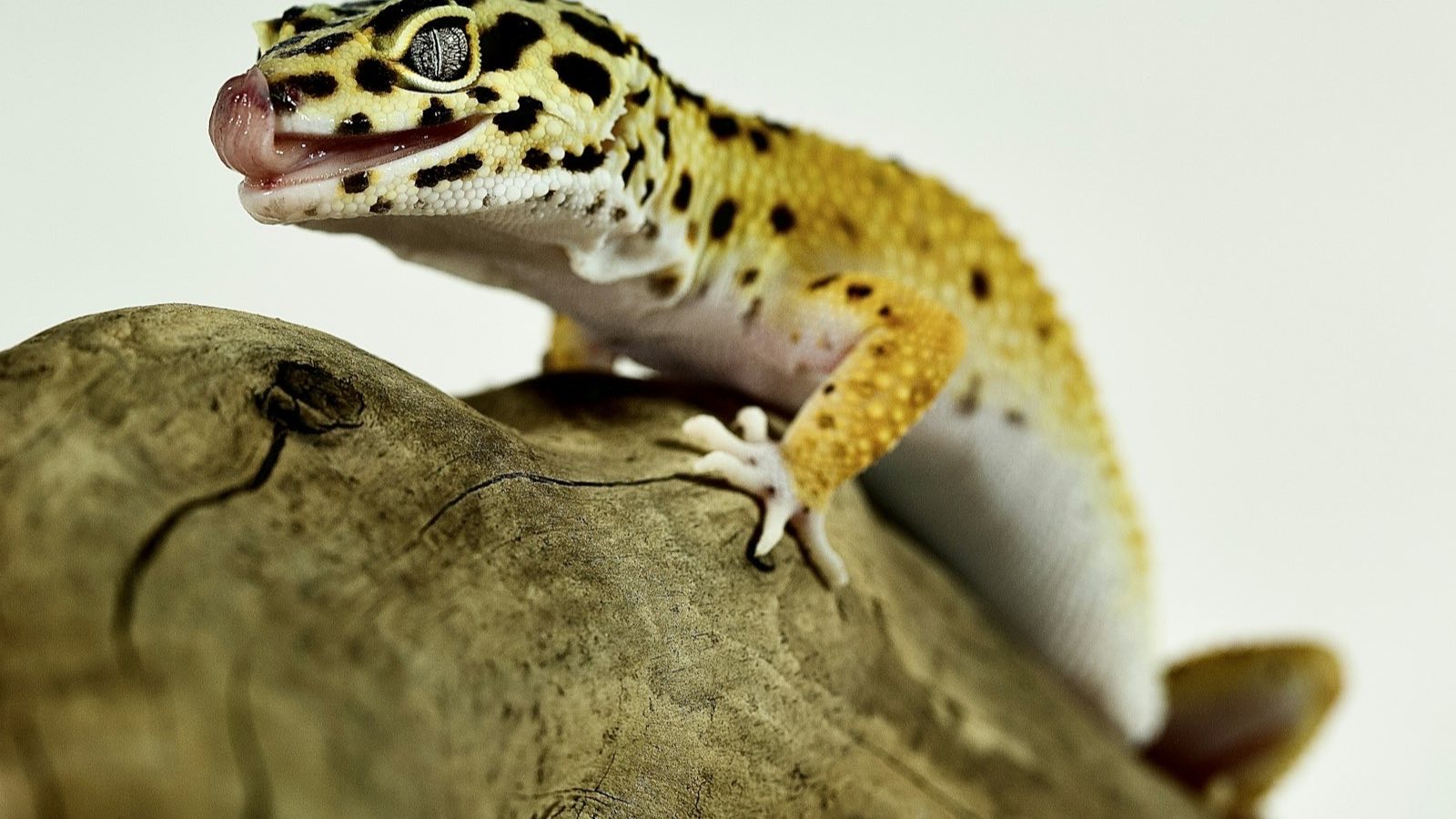
The safe bets are the adult bearded dragon, placid and diurnal, the corn snake, docile and hardy, and the leopard gecko for watching more than handling — our leopard gecko or bearded dragon comparison spells out the differences. Avoid nervous, fast or demanding species, and remember that the adult remains responsible for the care: a child loses interest, the animal will live 10 to 20 years.
How should a child's handling be supervised?
- Always seated, above a rug or a sofa: a one-metre fall can be fatal to the reptile;
- Two hands as support, never grabbing by the tail or squeezing;
- Short sessions: 5 to 10 minutes at most — the animal is not a plush toy;
- No kisses and no contact with the face — that is the main route of contamination;
- An adult present from start to finish, terrarium locked the rest of the time (a 10-20 € lock).
What does the child gain?
Observing a living creature, growing responsibility (filling the bowl, logging temperatures), discovering biology: a well-run terrarium is a wonderful teaching tool, with no fur and none of the usual allergens. Explore the species and their needs on the reptile hub before deciding as a family.
Frequently asked questions
From what age can a child handle a reptile?
Around 6 to 8 for short, supervised sessions, depending on the child's maturity. Before 5, health authorities recommend avoiding any direct contact.
Can a reptile bite a child?
The species listed here bite very rarely and never seriously — less than a hamster. The real issue runs the other way: protecting the animal from rough gestures.
Does hand sanitiser replace hand-washing?
It helps when out and about, but soap remains the benchmark against salmonella, especially on visibly dirty hands after working in the terrarium.
An accessory from our shop for this use: Ventilated clear box for feeder insects, transport and quarantine, 19 cm (€17.90) · the whole shop
This guide is part of Planète Pets’s Reptiles universe. Our advice is general in nature: for any health concern, your veterinarian remains the only reference.