Toys and enrichment for your rodent
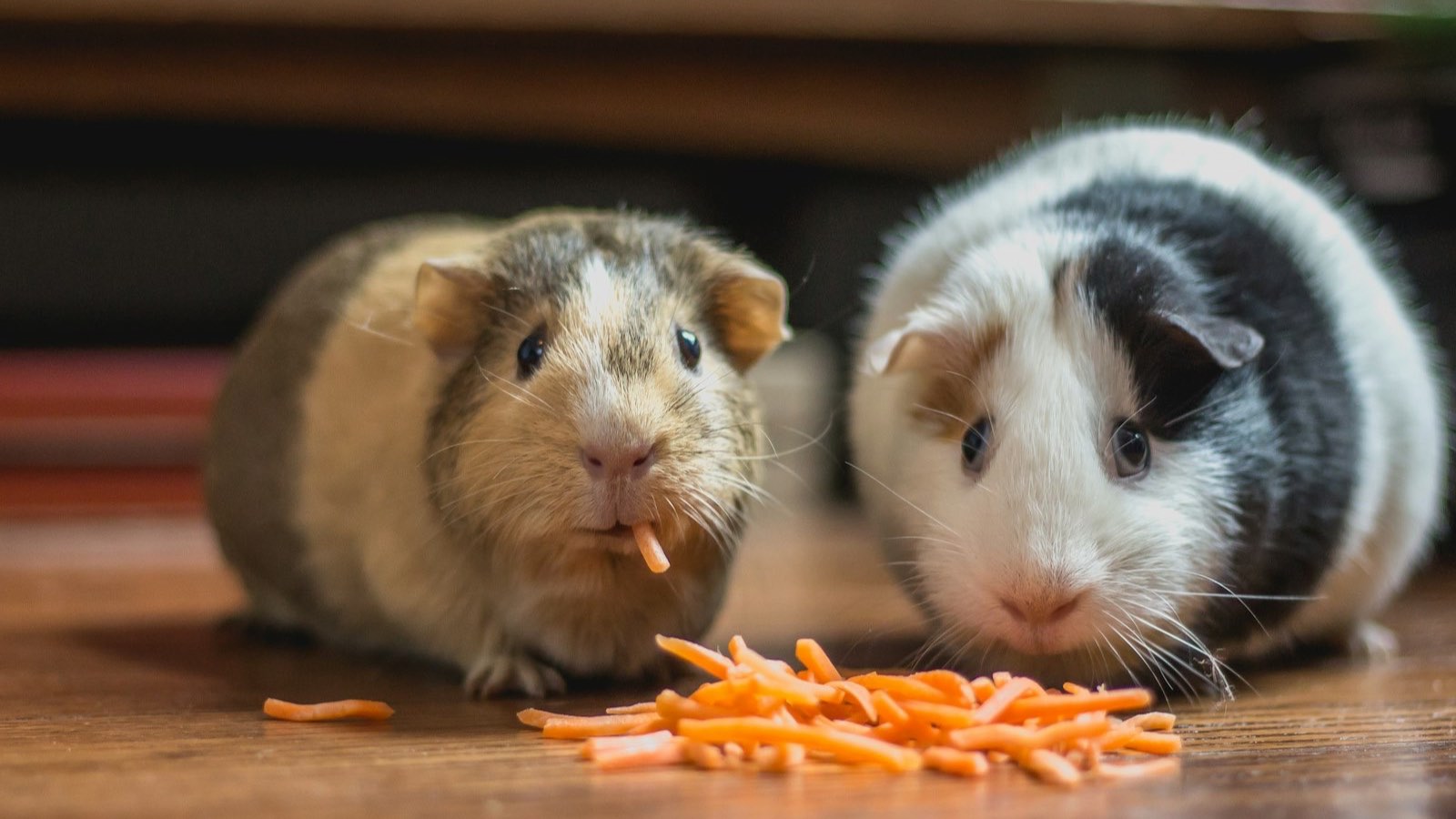
Boredom is the leading cause of behaviour problems in any rodent. Toys, occupation and environmental enrichment are not luxuries: they are needs. Our guides compare durability, safety and real-world interest — the kind your animal will still care about in a month.
🛒 Our picks from the shop
-
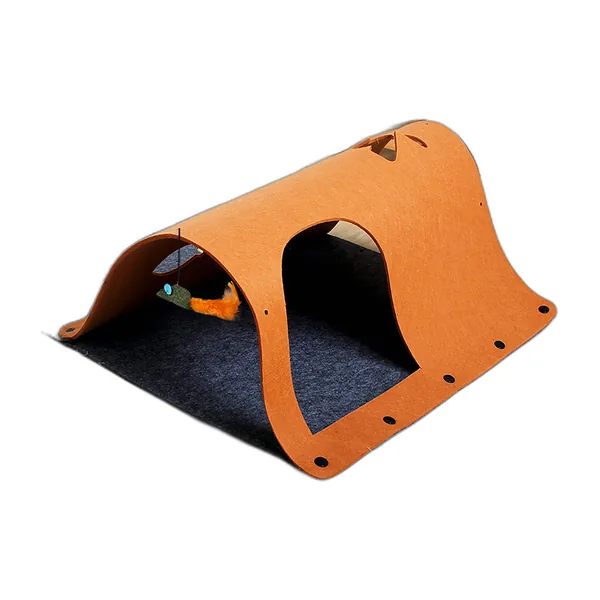 2-in-1 felt tunnel and hideout for rabbits and ferrets (44 × 60 cm)
€37.90
Choose an option -
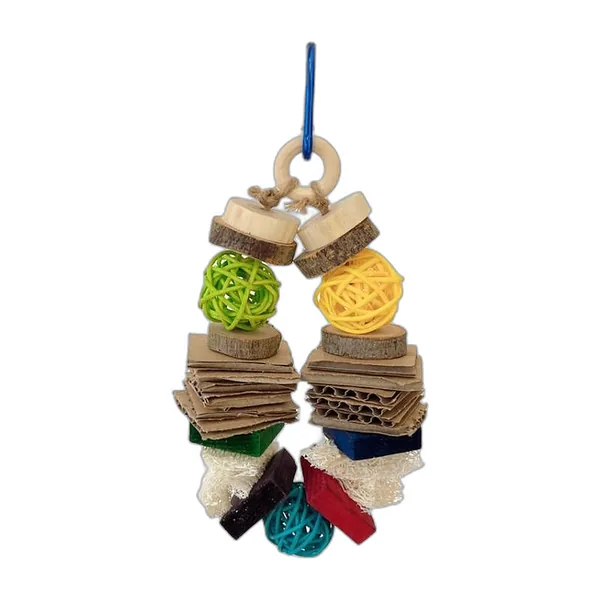 Hanging chew garland for rabbits and rodents
€17.90
Choose an option -
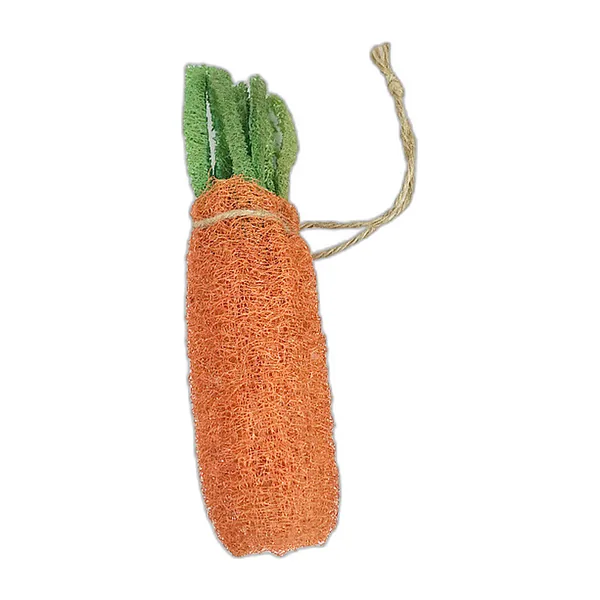 Natural loofah chew carrot for rabbits and rodents, 20 cm
€17.90
Delivery in 8 to 15 working days, free from €49 (otherwise €4.90). See the whole shop
🛒 Our picks shipped from the US
-
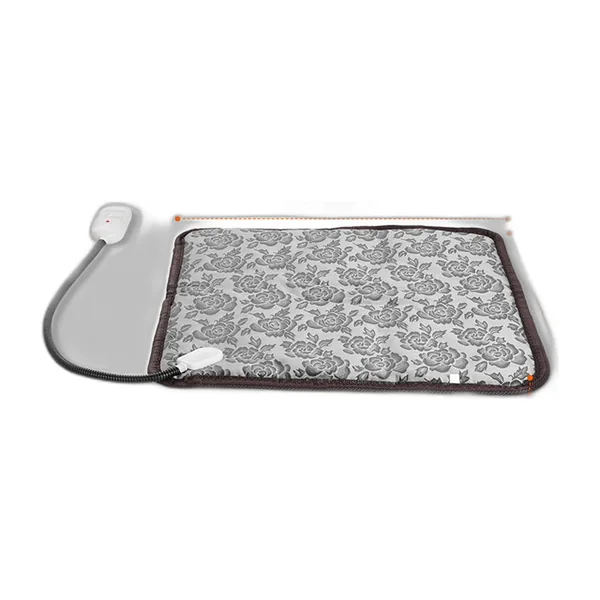 Electric pet heating pad 45 × 45 cm (17.7 in) with chew-resistant cord
$48.90
-
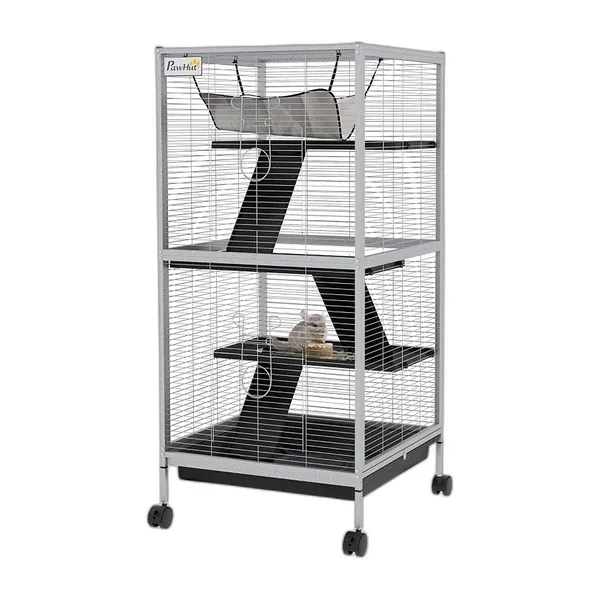 Rolling 4-level ferret and chinchilla cage with hammock
$159.90
-
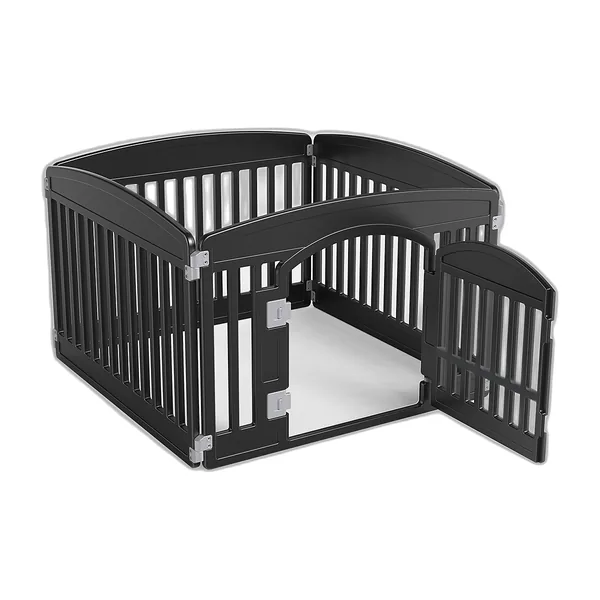 Modular plastic playpen for puppies and rabbits, 4 or 6 panels
from $87.90
Choose an option
Ships from a US warehouse in 4 to 10 business days, free delivery within the United States. See the US shop
The key point : A wheel that is too small damages the spine: 25–28 cm diameter minimum for a Syrian hamster, with a solid running surface.
Our dedicated guides
- Gerbil enrichment: why she needs to dig deep
Deep substrate and real tunnels reduce stress and stereotypic behaviour in the Mongolian gerbil.
- Exercise wheel for a chinchilla: what size to choose?
Why an undersized wheel strains a chinchilla’s spine, and what minimum diameter to look for to make running genuinely safe.
- Digging and foraging games for rats: engaging their sense of smell
Why digging and scent-driven foraging rank among the most overlooked behavioural needs of pet rats, and how to meet them simply.
- Enriching a Korean chipmunk aviary with branches
Why the choice and placement of branches matter more than their number for enriching a Korean chipmunk aviary.
- Rat laughter: tickling, play and psychological wellbeing
Rats produce genuine pleasure vocalizations when tickled. What the science says, and how to turn this play into daily enrichment.
- Exercise balls for rodents: why vets advise against them
Exotic-pet vets advise against exercise balls for rodents: stress, injuries and overheating. The reasons why, plus safe alternatives for burning off energy.
- Chew toys and dental health: caring for your rodent’s teeth
Chew toys are essential to rodent dental health: safe woods, materials to avoid, signs of malocclusion and prices of the good products.
- Tunnels, bridges and levels: structuring your rodent’s cage
Tunnels, bridges and levels turn an empty cage into a stimulating territory: safe materials, diameters by species, prices and layout mistakes to avoid.
- Digging box for hamsters: the enrichment they go wild for
The digging box channels a hamster’s need to dig: safe substrates (coconut fibre, sterilised soil), dimensions, prices and foraging ideas.
- Guinea pig enrichment: hideouts and free-access hay
Guinea pig enrichment rests on multiple hideouts, free-access hay and foraging games: our practical ideas and their prices.
- Popcorning in guinea pigs: a sign of wellbeing worth encouraging
Those sudden, disorganised little hops a happy guinea pig makes have a name, popcorning, and the science of animal play treats it as a reliable marker of positive wellbeing.
- Hamster wheel: what diameter to choose and how to make it silent
A wheel that is too small curves the hamster's spine and harms its health. Minimum diameter by species, solid running surface and tips for a genuinely quiet night-time wheel.
- Enriching a fancy mouse's day: toys, tunnels and chew materials
Fancy mice are often seen as easy, low-maintenance rodents, and enrichment gets overlooked as a result. What toys, tunnels and chew materials they actually need.
- Should you adopt several mice? Social life and cohabitation
The mouse is a social animal that suffers from loneliness. Females in groups, males often solitary: how to build a group of mice without fights or surprise litters.
- Rodent home alone all day: handling a return to the office
Back at the office after months of remote work: should you feel guilty leaving your rodent alone all day? What science says about rodent rhythms and getting used to time apart.
- The wheel isn't a sign of boredom: a study on wild rodents
Dutch researchers set up running wheels out in the wild: wild mice and other rodents spontaneously started running on them. What that changes about how we see a wheel in a cage.
- Exercise wheel or saucer for rodents: the showdown
Classic wheel or flying saucer for your hamster or gerbil? Posture, safety, noise and price: our comparison to choose the right equipment.
- Rodents in an apartment: how to stop the night-time noise
Squeaky wheel, chewed bars, digging at 3 am: why your rodent is noisy at night and the concrete fixes so you can finally sleep.
- Setting up a room for rat free-roam time: the guide
Cables, skirting boards, plants, safe zones: how to secure and enrich a room for your rat's daily free-roam sessions, with equipment and prices.
- Does a rat "laugh" when tickled? What the science of play shows
Researchers recorded specific ultrasonic vocalizations when a rat is tickled in play. What that reveals about its real need for physical play.
- Play-fighting in rats: a social need, not aggression
Chasing, pinning, inhibited bites aimed at the nape: rat play-fighting follows precise rules. What research reveals about this essential social need.
- Rat metacognition: when a rat knows it doesn't know
Faced with a hard task, a rat can choose to opt out rather than risk a wrong answer. What this study on metacognition changes for cognitive enrichment.
- Do enriched rats see the glass half full? What cognitive bias reveals
Faced with an ambiguous signal, a rat housed in unpredictable conditions responds more "pessimistically" than one housed in a stable setup. A landmark animal-welfare study sheds light on what enrichment really achieves.
- Do chipmunks really remember where they hid their food? What the science shows
Smell, random digging, or precise spatial memory: how a chipmunk finds its scattered food caches again. An experimental study points to the best enrichment to offer in a cage.
- Why do mice bury objects? What laboratory research tells us
A classic scientific test counts how many marbles a mouse spontaneously buries in its bedding. What this digging reflex reveals, and how to put it to use for enrichment in a home cage.
- Nylon gnaw sticks for rats: an effect that goes beyond the teeth
The material of a rat's chew toy doesn't just shape dental wear: a recent study finds measurable differences in gut fermentation and immune markers depending on the animal's sex.
- The degu that can use a tool: a surprising behavioral study
Trained in a lab, degus learned to handle a small rake to pull food within reach. A rare skill that says a lot about their enrichment needs.
- A rat raised in an enriched environment grows a different cerebral cortex, a landmark study shows
A study that became a classic measured real changes in the rat's cerebral cortex depending on how enriched its environment was. Good reason to rotate toys regularly.
- Hiding food stimulates a Siberian chipmunk's brain, a Chinese study shows
A study measured an effect of food-hoarding behavior on brain cell growth in Siberian chipmunks. Good reason to swap the bowl for hiding spots scattered around the enclosure.
- Degus naturally develop an Alzheimer's-like condition, a Chilean study shows: why enrichment matters even more here
A Chilean study measured spatial memory loss linked to markers close to Alzheimer's disease in aging degus. Reason enough to keep up enrichment efforts well past the novelty of adoption.
- Rats trained to drive a small vehicle: what a US study reveals about their need for challenges
Researchers trained rats to steer a small vehicle for a reward. Their hormone measurements shed light on the real value of complex activities offered to a pet rat.
- Syrian hamsters remember exactly where they've already collected seeds, a Canadian study shows
A radial maze study measured spatial memory in Syrian hamsters foraging for food to hoard. Reason to rethink how treats are offered day to day.
- Toy rotation for rodents: why and how to do it
Leaving the same toys in the cage forever bores a curious rodent. The simple rotation method to spark fresh interest without buying everything new.
- Tickling your rat for 15 seconds, three days running: the dosage a study validated
A US study tested nine combinations of duration and frequency for rat tickling. Only one parameter changes the result, and it is not the one you would expect.
- Rotating enrichment, not adding more of it, makes rats more optimistic, a study shows
It isn’t the amount of toys that changes how a rat reads uncertainty, but regularly rotating what’s already there, according to a German study published in 2025.
- An older degu explores an unfamiliar space more than a young one, a 2026 study shows
Contrary to the idea of a more cautious aging animal, a 2026 study shows older degus move, rear up and explore more than young ones when facing novelty — a stress signal to watch, not boredom relief.
- Mouse shredding its food: a chew stick works as well as a wheel, a study shows
A 2025 US study compares two fixes for repeated food shredding in mice: a manzanita wood chew stick and a running wheel work equally well, with the stick far simpler to maintain.
- Taming a fearful hamster: the method for earning its trust without stressing it
A hamster that bites or bolts into its hideout isn't a lost cause for handling. The gradual method for taming it without rushing.
- Roborovski hamster: why it needs more floor space than you'd think
The smallest hamster isn't the easiest to house: why the Roborovski needs a large floor area despite its tiny size.
- Pet rat enrichment: the toys and activities essential to its wellbeing
Pet rats: why cognitive and social enrichment is essential, which toys and activities to pick, and what research shows about their abilities.
- Silent Exercise Wheels: What Diameter for a Hamster, Rat or Gerbil?
Minimum diameter by species, solid running surface, quiet bearings: how to choose a safe exercise wheel for a hamster, gerbil, rat or mouse.
- Toys and Enrichment for Rodents: Keeping a Hamster, Rat or Gerbil Busy
Safe toy ideas and enrichment activities for hamsters, rats, gerbils and guinea pigs: foraging, chewing, exploring and games you can make yourself.
Toys & enrichment breed by breed: every rodent profile covers this product family with that species’ own figures.