Degus naturally develop an Alzheimer's-like condition, a Chilean study shows: why enrichment matters even more here
Published by Planète Pets · managing editor: Clément Lacaille · how our guides are written
The degu isn't just a curious, sociable rodent: it's also one of the few mammals that spontaneously develops, as it ages, brain markers close to those of human Alzheimer's disease. One more reason never to ease off on enrichment once the novelty of adoption has worn off. Find our daily enrichment guidance in the rodent toys and enrichment section.
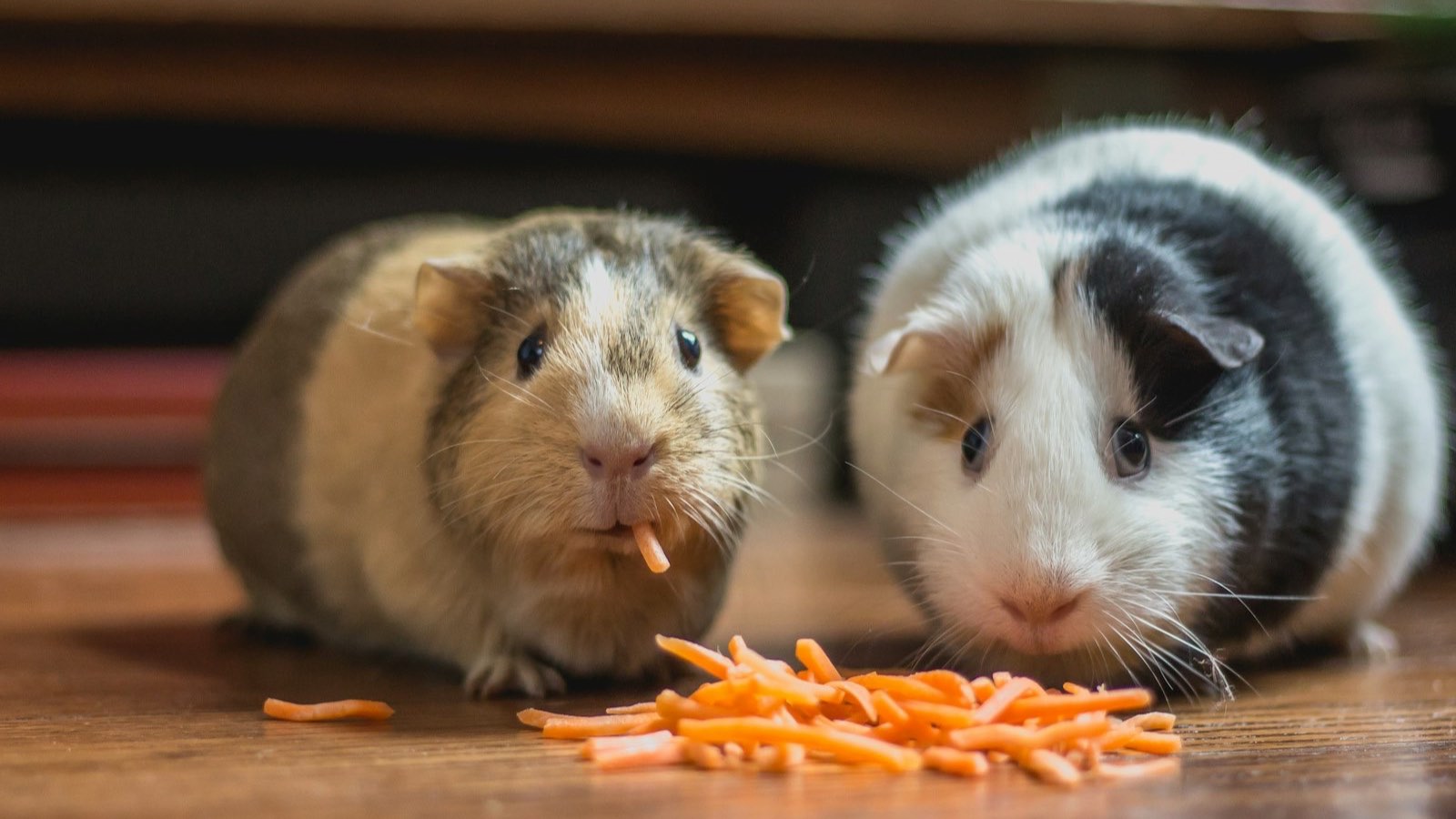
A Chilean study on memory in aging degus
Ardiles, Tapia-Rojas, Mandal, Kirkwood, Inestrosa, and Palacios published a study on spatial memory and object recognition in aging degus in the journal PNAS in 2012. The researchers measured, in older animals, a buildup of beta-amyloid proteins and phosphorylated tau comparable to that seen in human Alzheimer's disease, linked to reduced performance on spatial memory and object recognition tests and to impaired synaptic transmission in the hippocampus.
What this means for setting up the enclosure
This measured link between aging and cognitive decline puts the degu in a particular position among pet rodents: for this species, regular mental stimulation isn't just a nicety, it supports a brain that's naturally more vulnerable as it grows older. A senior degu deprived of cognitive novelty is stacking two decline factors instead of one.
- Rotate hiding spots and foraging routes regularly rather than leaving the same fixed setup for months on end.
- Introduce new objects to explore from maturity onward, rather than waiting for the first signs of slowing down to act.
- Watch for behavior changes: unusual hesitation on a familiar route, disorientation, and report it to an exotic-animal vet if it persists.
This cognitive vigilance rounds out the profile covered in the degu profile, along with the ideas gathered on the degu toys and enrichment page. Our article on degu diabetes risk from fructose covers another vulnerability specific to this species.
Frequently asked questions
At what age does this start to matter for a degu?
The markers measured in the study typically appear between one and three years of age, making it a concern from maturity onward, not only late in life.
Can enrichment prevent this decline?
Nothing guarantees it in any given individual, but cognitive stimulation remains the most accessible day-to-day lever for an owner, alongside regular veterinary follow-up.
Should every apparent lapse be a worry?
No, a degu can simply be less responsive on a given day; it's persistence or worsening of the signs that should raise concern. Find all our guides on the rodent hub.
See it in the Planète Pets shop: Natural loofah chew carrot for rabbits and rodents, 20 cm (€17.90) · the whole shop
This guide is part of Planète Pets’s Rodents universe. Our advice is general in nature: for any health concern, your veterinarian remains the only reference.