A little fruit every day may be enough to trigger diabetes in a degu, a study shows
Published by Planète Pets · managing editor: Clément Lacaille · how our guides are written
A degu may nibble a piece of fruit with just as much enthusiasm as a guinea pig, but its body handles it far less well. Native to Chile's arid regions, it evolved on a low-sugar diet and never needed to handle regular fructose intake. Find our daily feeding guidance in the rodent food section.
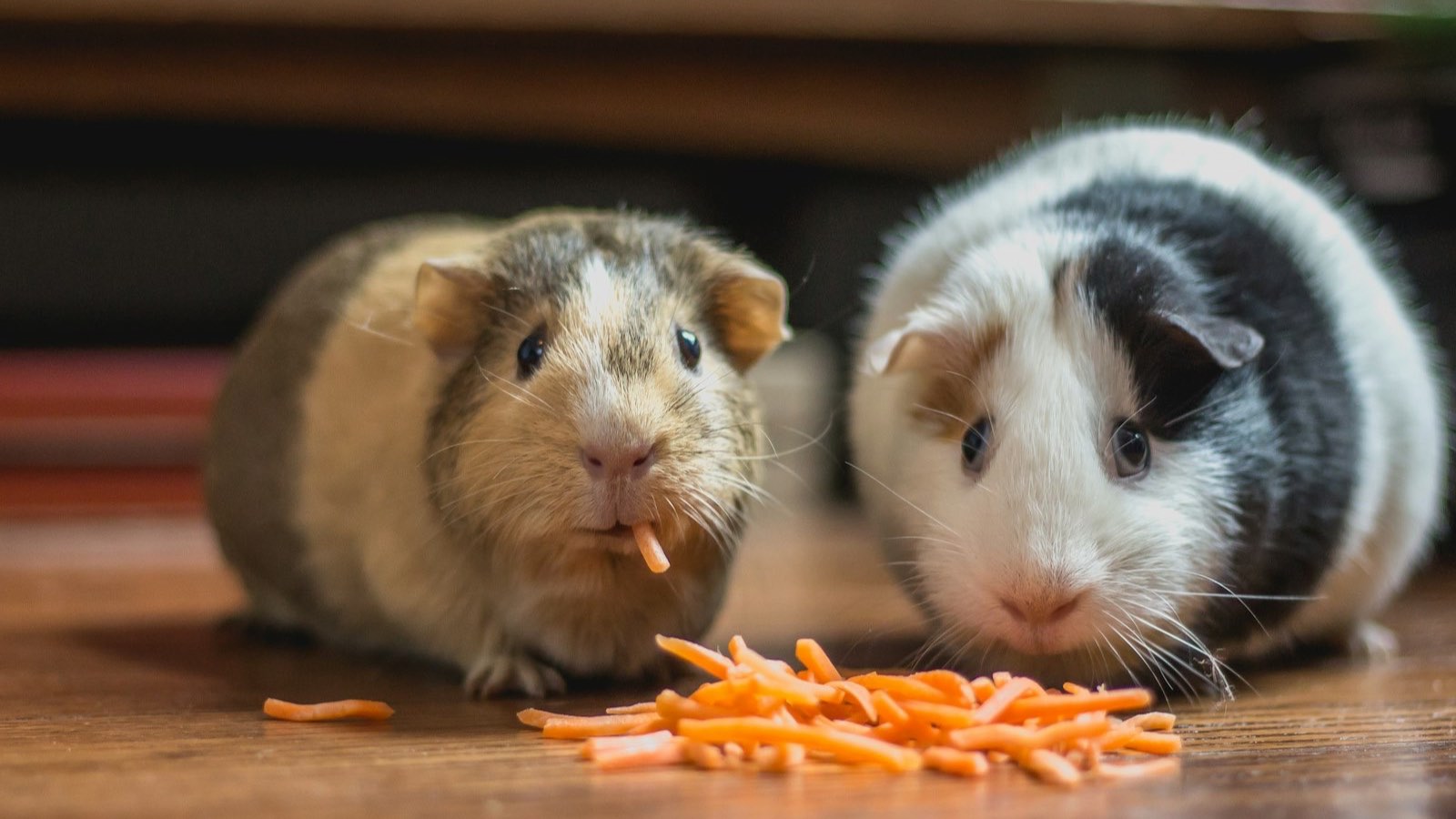
A study on the effects of long-term fructose exposure
Rivera, Lindsay, Codocedo, Carreño, Cabrera, Arrese, Vio, Bozinovic, and Inestrosa published a study on the effects of long-term fructose consumption in degus in the journal Molecular Neurobiology in 2018. After 28 months of exposure to a 15% fructose solution, the researchers measured a condition resembling human type 2 diabetes in the animals, combining insulin resistance, an elevated basal metabolic rate, and non-alcoholic fatty liver disease — a vulnerability already documented in wild degus, which are naturally prone to reduced insulin activity.
What this means for the food bowl
This lab-measured sensitivity matches what exotic-animal vets regularly see in practice: fruit or sugary root vegetables given too often are enough to durably throw off a degu's metabolism, well before any visible symptoms appear. Unlike a guinea pig or a rabbit, a degu has no real margin for tolerance on this point, which makes staying vigilant about treats especially important from day one.
- Keep fruit to a very occasional, fingernail-sized portion rather than a daily habit.
- Skip sugary root vegetables like carrot in large amounts, favoring quality hay available at all times instead.
- Watch for early warning signs: an emerging cataract, hair loss around the eyes, or unusual thirst, and report them promptly to an exotic-animal vet.
This dietary vigilance rounds out the profile covered in the degu profile. Our page on degu food details the recommended portions and frequency.
Frequently asked questions
Can a degu really develop diabetes like a human?
Yes, the species is even used as a research model for type 2 diabetes given how pronounced its natural predisposition is, which is why dietary care matters so much.
Does fruit need to be cut out entirely?
No, a tiny, occasional portion is still fine; it's the regularity and quantity that cause problems, not the occasional presence of fruit.
Is hay enough to cover a degu's nutritional needs?
It should form the base of the diet, topped up with a low-sugar specific mix; an exotic-animal vet can fine-tune the ration for each individual. Find all our guides on the rodent hub.
An accessory from our shop for this use: Natural loofah chew carrot for rabbits and rodents, 20 cm (€17.90) · the whole shop
This guide is part of Planète Pets’s Rodents universe. Our advice is general in nature: for any health concern, your veterinarian remains the only reference.