Hiding food stimulates a Siberian chipmunk's brain, a Chinese study shows
Published by Planète Pets · managing editor: Clément Lacaille · how our guides are written
Serving food in a plain bowl denies a Siberian chipmunk an essential natural behavior: seeking out and hiding its own stores. In the wild, this species spends a large part of its day gathering seeds and scattering them across many small hiding spots rather than a single burrow. Find our enrichment guidance in the rodent toys and enrichment section.
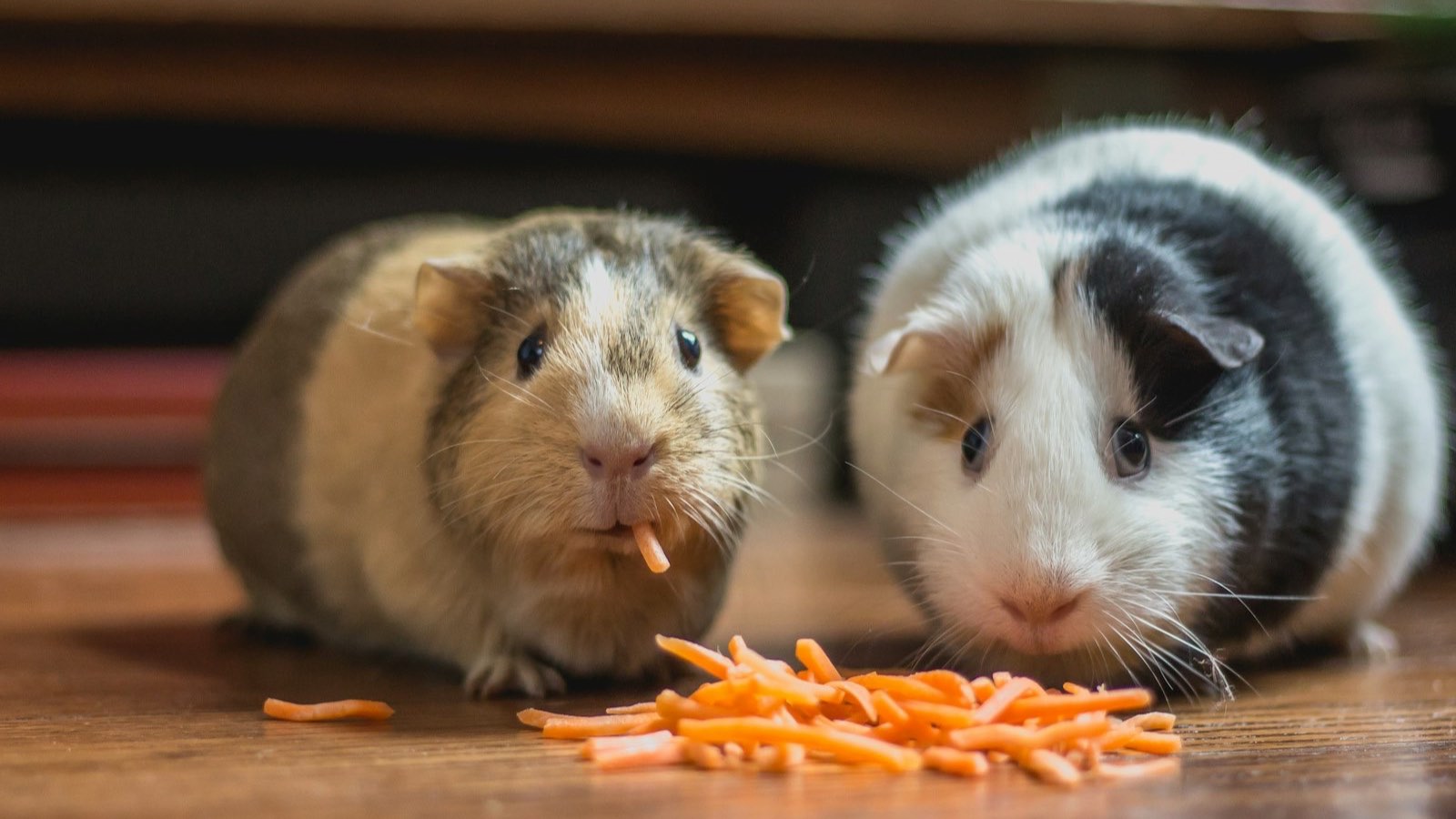
A study on food hoarding and the brain
Pan, Li, Yi, Zhao, Lieberwirth, Wang, and Zhang published a study on the effects of scatter-hoarding behavior on neurogenesis in Siberian chipmunks in the journal Neuroscience in 2013 (see the study). The researchers measured increased cell proliferation in the hippocampus, the brain region tied to spatial memory, in animals that actively scattered and retrieved hidden seeds, compared with those fed with no opportunity to hoard.
What this means for setting up the enclosure
This measured link between hoarding and brain stimulation confirms the value of recreating this natural behavior in a captive enclosure, even for an animal that no longer needs to stockpile food to survive winter. A Siberian chipmunk fed only from a bowl misses out on a significant part of its natural behavioral repertoire, with boredom sometimes showing up as excessive restlessness or repetitive behavior against the enclosure walls.
- Scatter several small hiding spots of seeds and dried fruit around the enclosure rather than relying on a single central bowl.
- Change the location of the hiding spots regularly to keep engaging spatial memory rather than a route it has simply memorized.
- Provide a deep substrate that allows genuine digging and covering of stores, not just seeds left sitting on the surface.
This form of active feeding adds to the other criteria covered in the Siberian chipmunk profile. Our page on Siberian chipmunk toys and enrichment offers other occupation ideas.
Frequently asked questions
How many hiding spots should the enclosure have?
Five to ten small hiding spots spread across several levels are usually enough to occupy a Siberian chipmunk for a good part of the day.
Should uneaten seeds be removed after a few days?
Yes, to prevent mold; regularly refreshing the substrate lets you start over with clean hiding spots and no health risk.
Does this enrichment replace supervised out-of-enclosure time?
No, it adds to exploration outside the enclosure rather than replacing it; the two meet different needs. Find all our guides on the rodent hub.
In our shop, for this use: Double-layer plush hammock for rats, squirrels or ferrets (€18.90) · the whole shop
This guide is part of Planète Pets’s Rodents universe. Our advice is general in nature: for any health concern, your veterinarian remains the only reference.