Exercise wheel or saucer for rodents: the showdown
Published by Planète Pets · managing editor: Clément Lacaille · how our guides are written
Wheel or saucer for your rodent? The large-diameter solid wheel remains the gold standard: it enforces a straight running line with an aligned spine. The saucer, run at an angle, twists the spine with every lap and should only be a supplement. All our accessory reviews are in the toys and enrichment category.
Contents · 5 sections
Why is running posture so important?
On a wheel of sufficient diameter, a hamster runs as it would on the ground, back straight. On a tilted saucer, the body curves constantly: over several kilometres a night, that twisting encourages pain and deformities. Exotic pet vets recommend the wheel as the primary equipment.
What wheel diameter should you choose?
- Mice, gerbils: 20 cm minimum.
- Dwarf hamsters: 21 to 25 cm.
- Syrian hamsters: 28 to 30 cm.
- Rats: 32 cm and up, as an option — not all of them run.
- Simple rule: if the back arches during the run, the wheel is too small.
Insist on a solid running surface, with no bars or mesh, to prevent leg fractures.
Does the saucer have any strengths?
Yes, three: it is very quiet, easy to clean and carries zero risk of trapping a tail — a real argument for gerbils and their fragile tails. As a second piece of equipment in a large habitat, a 25 to 30 cm saucer (15 to 25 €) enriches the territory. It never replaces the main wheel.
How much does good running equipment cost?
A quiet solid wheel on ball bearings costs 20 to 35 € in the 28 cm size; a saucer, 15 to 25 €. This is not the place to cut corners: the wheel is the most-used accessory in the habitat, far ahead of any toy. Round out the enrichment by setting up free-roam time instead, as in our guide to setting up a free-roam room.
Frequently asked questions
Is my hamster running too much?
No: 5 to 10 km a night is normal. Compulsive running with wall scratching points instead to a habitat that is too small.
Is a cheap mesh wheel acceptable?
No. Feet and tails slip between the bars: sprains and fractures are common. A solid surface is non-negotiable.
Does a guinea pig need a wheel?
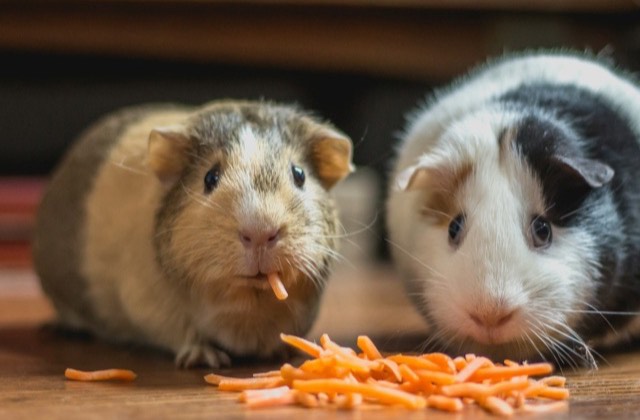
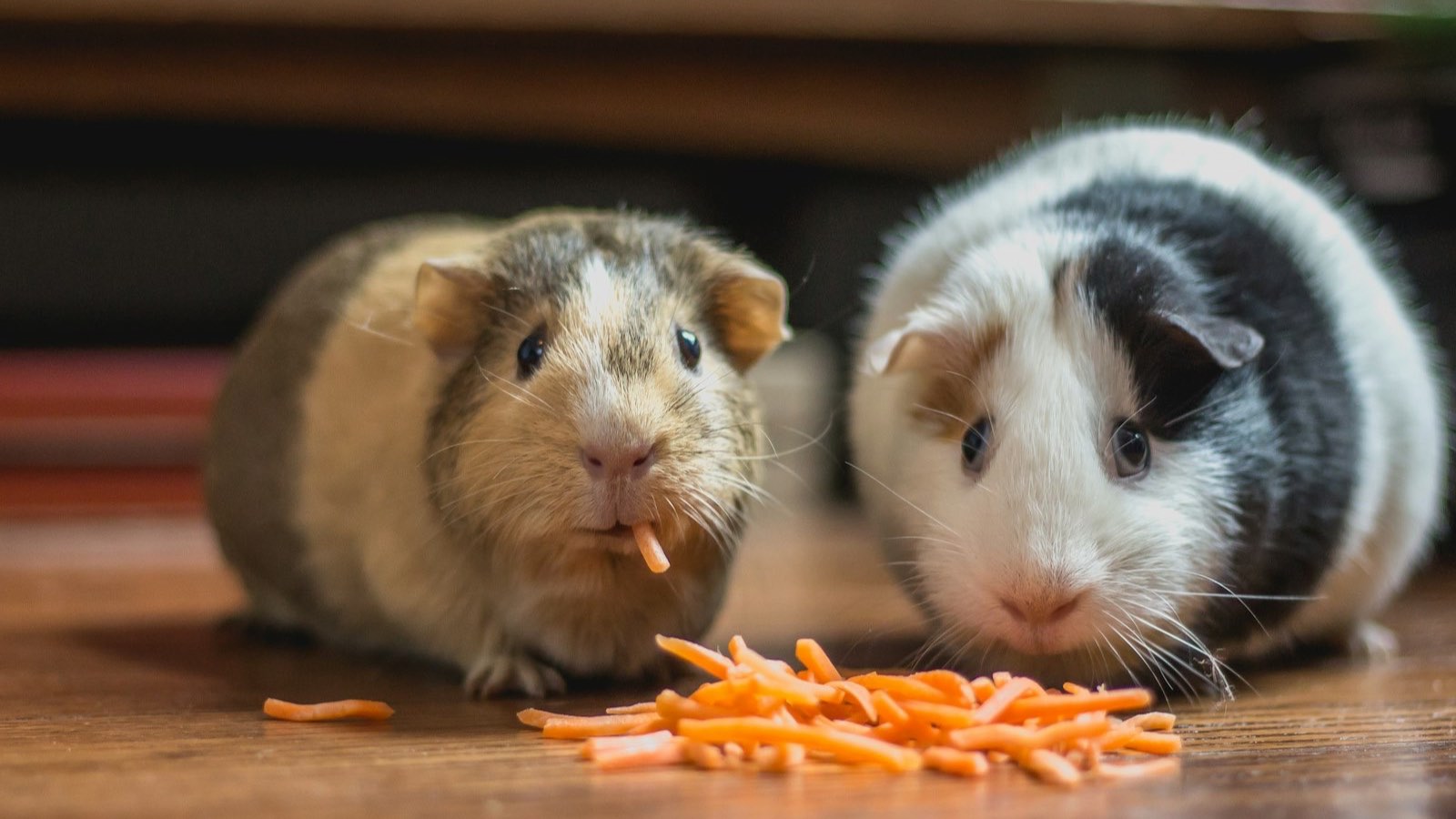
Never: its rigid spine cannot cope. Wheels and exercise balls are dangerous for guinea pigs; give them floor space instead.
See it in the Planète Pets shop: 2-in-1 felt tunnel and hideout for rabbits and ferrets (44 × 60 cm) (€37.90) · the whole shop
This guide is part of Planète Pets’s Rodents universe. Our advice is general in nature: for any health concern, your veterinarian remains the only reference.