Exercise balls for rodents: why vets advise against them
Published by Planète Pets · managing editor: Clément Lacaille · how our guides are written
The rodent exercise ball, sold for 8 to 15 € in pet shops, is discouraged by exotics vets and animal welfare organisations. Behind its image as a fun toy, it exposes hamsters and mice to intense stress, injuries and overheating. Here is why — and above all, what to use instead.
Contents · 5 sections
Why is the exercise ball dangerous?
- Sensory deprivation: sealed in plastic, the hamster can no longer rely on its whiskers or sense of smell, its primary senses; it is not "playing", it is fleeing.
- No escape: the animal cannot stop somewhere safe, drink or relieve itself properly.
- Injuries: toes caught in the ventilation slits, collisions with furniture, falls down stairs.
- Overheating: ventilation is grossly inadequate, especially in summer.
Why is this product still on sale?
Because it reassures the owner: the animal seems to be "getting out" with no risk of escape. In reality, the frantic running you see is an escape attempt, not play. Several countries have begun regulating the sale of this type of accessory, and specialist rescues systematically refuse them.
How can a hamster burn off energy without a ball?
The foundation remains a properly sized habitat: see our guide what cage for a hamster. Add a silent exercise wheel of a suitable diameter (26 to 30 cm for a Syrian): unlike the ball, the hamster hops on and off freely.
What alternatives are there for exploring outside the cage?
A secure playpen (20 to 40 €) set up on the floor, under supervision, offers genuine exploration: hideouts, tunnels, a digging box filled with soil or coconut fibre. Fifteen minutes of digging beats an hour in a ball. Find more ideas in the toys and enrichment category.
Frequently asked questions
Is the ball acceptable "just during cage cleaning"?
No: a travel carrier or a deep tub with a little familiar bedding does the same job without stress or risk of injury.
Are there "safe" large-diameter balls?
Diameter does not fix the underlying problem: sensory deprivation, lack of control and poor ventilation remain, whatever the size.
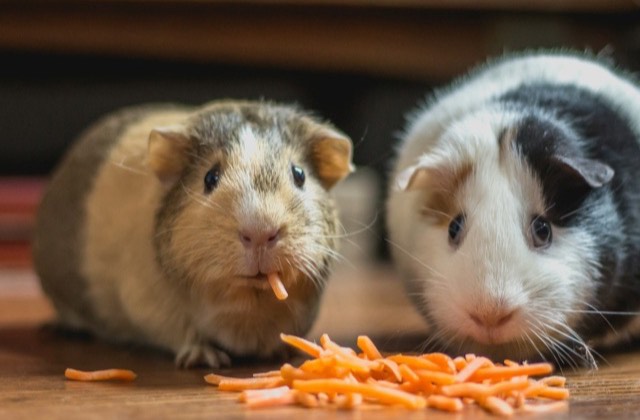
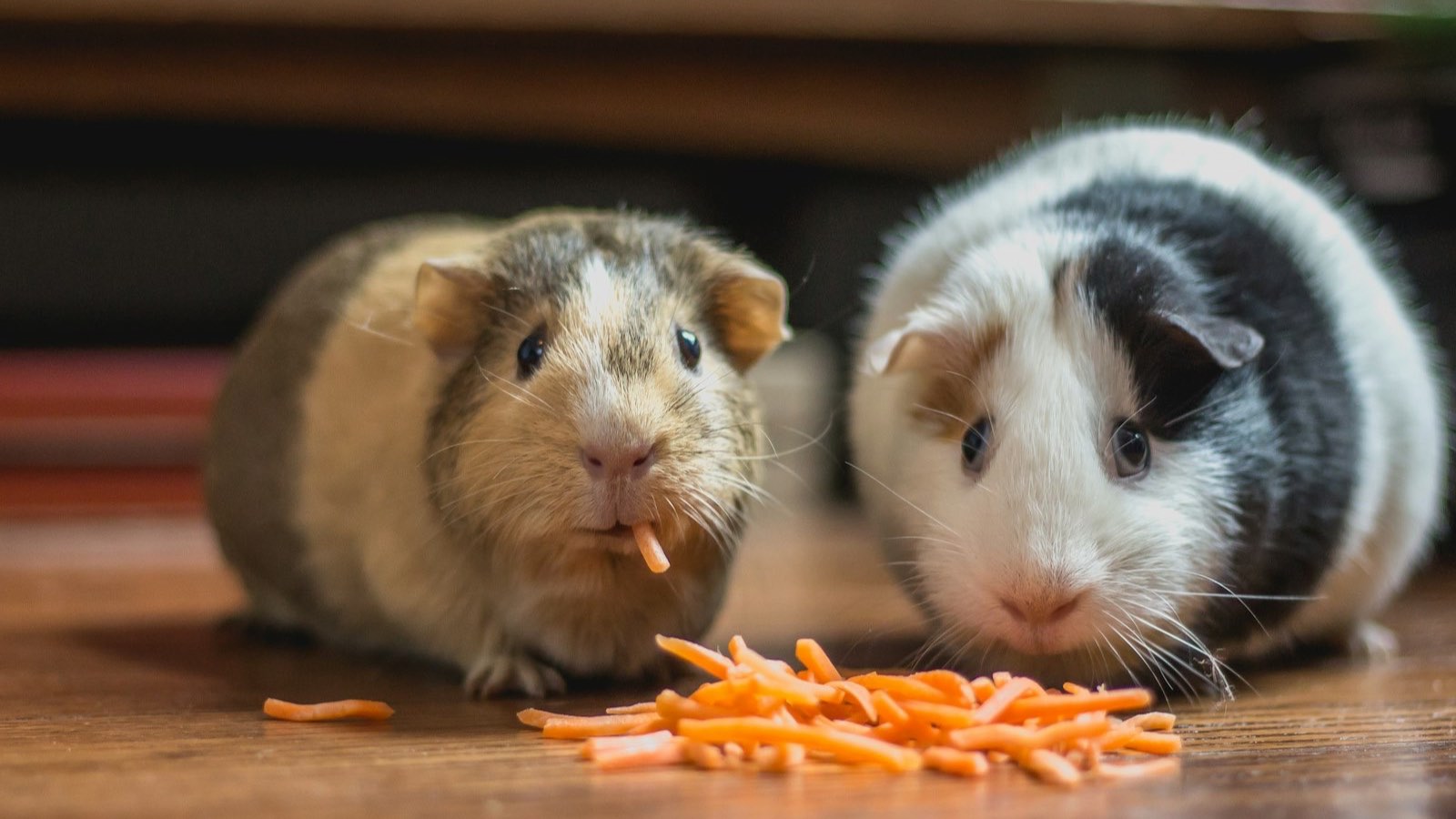
What about a rat or a guinea pig?
Even worse: their anatomy (the guinea pig’s fragile back in particular) makes the ball downright dangerous. A supervised playpen is the only good option.
See it in the Planète Pets shop: Natural loofah chew carrot for rabbits and rodents, 20 cm (€17.90) · the whole shop
This guide is part of Planète Pets’s Rodents universe. Our advice is general in nature: for any health concern, your veterinarian remains the only reference.