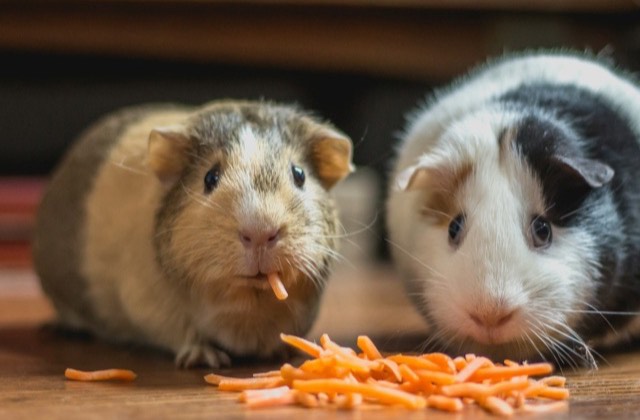
Chew toys and dental health: caring for your rodent’s teeth
Published by Planète Pets · managing editor: Clément Lacaille · how our guides are written
Chew toys are no gimmick: a rodent’s dental health depends on them directly. Its incisors grow continuously, by 2 to 3 mm a week, and only daily wear — hay, hard foods and objects to gnaw — prevents malocclusion, one of the leading reasons for exotics vet visits.
Contents · 5 sections
Why do rodents’ teeth grow continuously?
Hamsters, rats, guinea pigs, gerbils, chinchillas and degus all share ever-growing incisors; in guinea pigs and chinchillas, the molars also grow throughout life. Without enough wear, the teeth lengthen, drift out of line and injure the tongue or cheeks: the animal drools, eats less, loses weight. At that stage, only an exotics vet can file or trim the teeth under anaesthesia.
Which chew toys should you choose?
- Safe untreated woods: apple, hazel, willow, beech — as sticks, roots or perches (3 to 10 €).
- Hay or compressed-herb toys: balls, hay carrots (4 to 8 €).
- Wooden hideouts and bridges: shelter and gnawing surface in one.
- Fresh branches from the garden: untreated fruit trees, washed and dried — free.
- Mineral stone: optional, most useful for gerbils and hamsters.
Which materials should be avoided?
Fresh softwood (pine, fir, thuja), stone-fruit wood (cherry, plum — beware of received wisdom), glued or varnished wood, hard plastics that shatter into fragments, and coloured toys with dubious paints. Stale bread, so often wrongly recommended, does not wear teeth down and encourages weight gain: it is the habit to drop.
How do you check your rodent’s teeth?
Once a week, look at the incisors: they should be aligned, yellowish-orange (that is normal) and even in length. Loss of appetite, drooling, swollen cheeks or smaller droppings call for a prompt visit. Weekly weight tracking, described in our guide to scales and weight tracking, often reveals the problem before any other sign. Browse our selections in the toys and enrichment category and on the rodent hub.
Frequently asked questions
My rodent ignores its chew toys — is that a problem?
Vary the wood types and shapes, and rub the wood with an aromatic herb. If it eats hay and hard food normally, wear is usually still sufficient.
How often should the toys be replaced?
As soon as they are soiled or chewed to bits: in practice every 2 to 6 weeks, for around 3 to 8 € per month.
Is hay enough to wear the teeth down?
In guinea pigs and chinchillas, unlimited hay does most of the work on the molars; wooden toys top things up for the incisors.
In our shop, for this use: Natural loofah chew carrot for rabbits and rodents, 20 cm (€17.90) · the whole shop
This guide is part of Planète Pets’s Rodents universe. Our advice is general in nature: for any health concern, your veterinarian remains the only reference.