Toys and Enrichment for Rodents: Keeping a Hamster, Rat or Gerbil Busy
Published by Planète Pets · managing editor: Clément Lacaille · how our guides are written
A bored rodent quickly develops problem behaviours: bar chewing, lethargy, over-grooming. Enrichment isn’t about piling up colourful toys: it means letting the animal express its natural behaviours — digging, foraging, chewing, climbing, exploring. Here are the approaches we recommend in the toys and enrichment section of Planète Pets.
Contents · 4 sections
Chewing: a physiological need
Rodent teeth grow continuously; chewing isn’t a game but a necessity. Always have on offer:
- Untreated branches of hazel, apple or willow (2 to 8 € per bundle, or free if gathered far from roads and washed thoroughly).
- Natural wood blocks and sticks with no glue or varnish.
- For the greedier ones, chew treats with no added sugar or honey.
Foraging for food
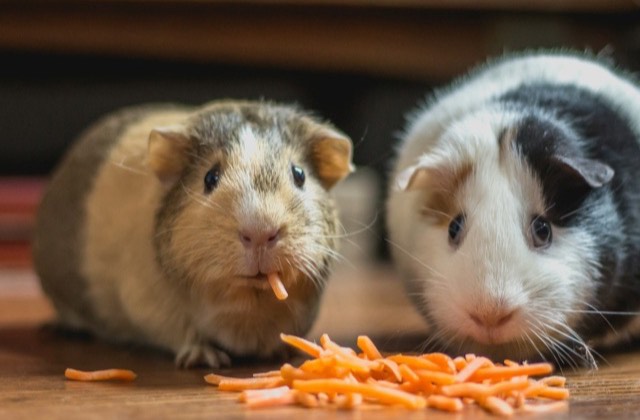
In the wild, a rodent spends most of its waking hours looking for food. Recreating that activity is the most effective enrichment of all:
- Scatter part of the daily ration through the bedding instead of putting it all in a dish.
- Snuffle mats and boxes filled with hay or crumpled paper hiding a few seeds.
- Treat-dispensing balls for rats and guinea pigs (5 to 12 €).
A deep digging box is the perfect complement to a properly sized cage, as is the sand bath for gerbils and chinchillas.
Exploring: free-roam time and obstacle courses
Rats, highly intelligent, need daily time out in a rodent-proofed room and happily learn little tricks for a reward. Hamsters and gerbils prefer a floor playpen with tunnels, wooden bridges and hiding spots. Steer clear of sealed exercise balls, however: poor ventilation, trapped feet, stress; most exotics vets now advise against them.
Rotate rather than replace
The zookeepers’ trick works at home too: rotate toys week by week instead of leaving everything out permanently. A plain toilet-roll tube stuffed with hay becomes fascinating again after ten days out of sight. Budget a reasonable 20 to 50 € for a first varied enrichment kit; the rest can often be made from plain, unprinted cardboard.
An accessory from our shop for this use: Hanging chew garland for rabbits and rodents (€17.90) · the whole shop
This guide is part of Planète Pets’s Rodents universe. Our advice is general in nature: for any health concern, your veterinarian remains the only reference.